The Jeep Cherokee is known for its reliability, but like any vehicle, it can develop issues over time. One common problem owners face is a failing heater hose connector.
This small part plays a key role in the vehicle’s heating and cooling system. Understanding what the heater hose connector does, why it fails, and how to address problems can save you time, money, and keep your Cherokee running smoothly.
What Is A Jeep Cherokee Heater Hose Connector?
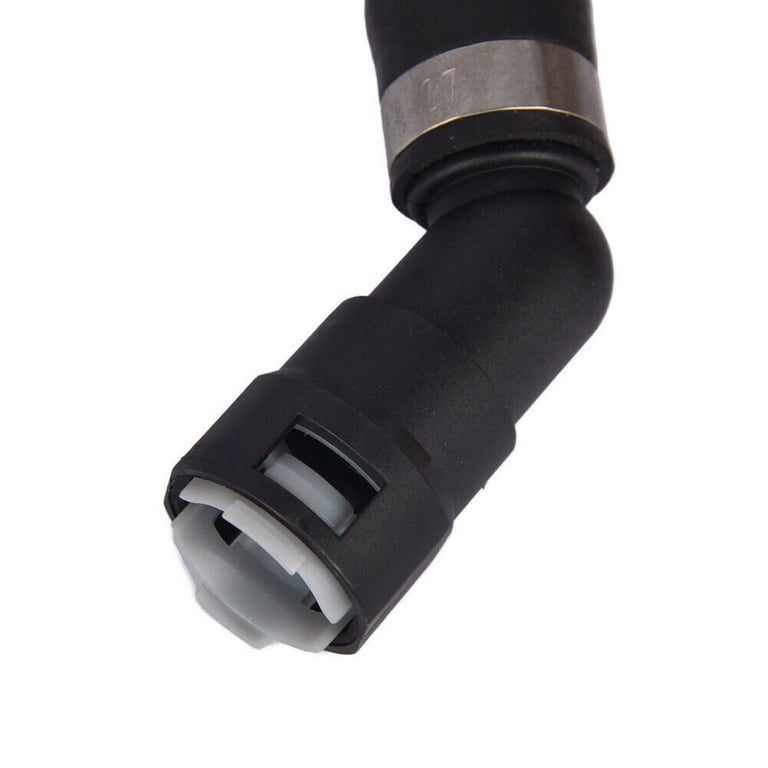
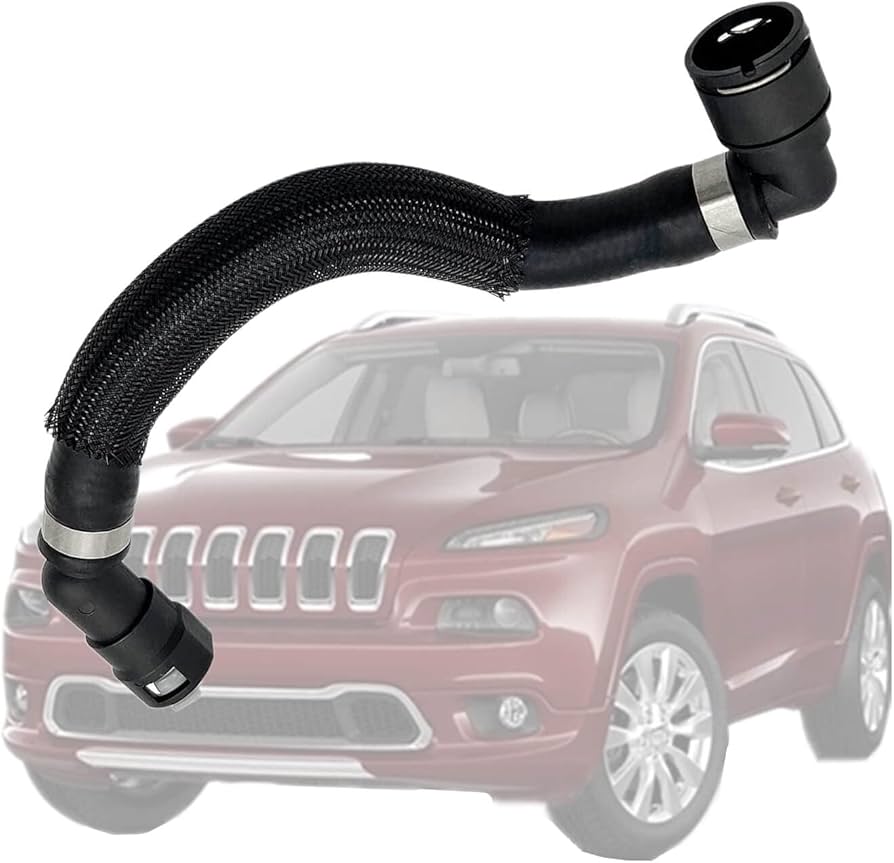
The heater hose connector is a plastic or metal fitting that joins the heater hose to the engine or heater core. In the Jeep Cherokee, it is usually found on the firewall or near the engine. Its main job is to direct hot coolant from the engine through the heater core, which warms the air that enters your cabin. Without a working connector, you risk coolant leaks, engine overheating, and loss of heat inside your vehicle.
Why Does The Heater Hose Connector Fail?
Several factors can cause this connector to fail:
- Age and Wear: Over time, plastic connectors become brittle from heat and pressure.
- Coolant Corrosion: Old or dirty coolant can eat away at the connector.
- Improper Installation: Forcing the connector during repairs can crack it.
- Vibration and Engine Movement: The engine shakes during use, stressing the connection point.
A failed connector often leads to coolant leaks, which can be dangerous if ignored.
Signs Of A Failing Heater Hose Connector
It’s important to spot the warning signs early. Watch for these symptoms:
- Coolant puddles under your Cherokee, especially near the firewall or under the engine.
- Sweet smell inside or outside the vehicle, which is a sign of leaking coolant.
- Heater stops working or blows cold air, even when the engine is warm.
- Engine temperature rises higher than normal, or the temperature gauge spikes.
- Visible cracks or coolant stains around the connector.
Address any of these signs quickly to prevent engine damage.
Replacing The Heater Hose Connector
If you suspect a problem, replacing the connector is often the best solution. Here’s a step-by-step overview for most Jeep Cherokee models:
- Let the engine cool: Never open the cooling system while hot.
- Drain some coolant: Place a pan under the radiator and open the drain valve.
- Locate the connector: Usually near the firewall or on the engine.
- Disconnect the heater hose: Squeeze the clamp and slide the hose off.
- Remove the old connector: Unscrew or unclip, depending on the model.
- Clean the area: Remove old sealant and debris.
- Install the new connector: Make sure it seats tightly.
- Reconnect the hose and clamp: Check for a snug fit.
- Refill coolant: Top off with the correct type for your Cherokee.
- Start the engine and check for leaks: Let it warm up and inspect the area.
This job takes about 1-2 hours for most people with basic tools. For those less experienced, a mechanic can do it quickly.
Comparison: Plastic Vs Metal Heater Hose Connectors
Choosing the right replacement part matters. Here is a quick comparison:
| Type | Durability | Cost | Common Issues |
|---|---|---|---|
| Plastic | Medium | Low | Cracks, leaks over time |
| Metal (Aluminum/Brass) | High | Higher | Corrosion (rare), harder to break |
Most experts recommend metal connectors for longer life, especially if you plan to keep your Cherokee for many years.
Common Mistakes When Replacing The Connector
Many owners try to save money by reusing old clamps or using universal connectors. Here’s why that can cause trouble:
- Using the wrong size: A poor fit can cause leaks.
- Overtightening clamps: This can crack a plastic connector.
- Not cleaning the area: Dirt can prevent a good seal.
- Forgetting to bleed air: Air pockets in the cooling system cause overheating.
Always use the right part and follow the correct steps. Consult your Cherokee’s manual for the exact connector type.
Cost Of Replacement
The price depends on the part and labor:
- Heater hose connector: $10–$40 (plastic), $20–$70 (metal)
- Labor (mechanic): $50–$120
- Total cost: $60–$200
Doing it yourself saves on labor, but be sure you’re comfortable working with the cooling system.
Real-world Example
A 2014 Jeep Cherokee owner noticed coolant under their car and a “check engine” light. After inspection, a cracked heater hose connector was found. Replacing it with a metal one solved the issue, and the owner reported better reliability. This is a common story, especially in older models.
Practical Tips For Longevity
- Check coolant levels monthly and look for leaks.
- Replace coolant every 5 years or as recommended.
- Inspect hoses and connectors during oil changes.
- Use OEM or quality aftermarket parts.
These steps can prevent most heater hose connector failures.
Comparison: Oem Vs Aftermarket Connectors
Choosing between OEM (Original Equipment Manufacturer) and aftermarket parts is common. Here’s a comparison:
| Type | Fit | Warranty | Price |
|---|---|---|---|
| OEM | Perfect | Usually 1 year | Higher |
| Aftermarket | Varies | Varies | Lower |
OEM parts guarantee a direct fit, but quality aftermarket connectors can also work well if they meet specifications.
When To Seek Professional Help
If you are unsure or uncomfortable working with engine components, it’s best to hire a mechanic. Incorrect installation can lead to more expensive repairs, like a damaged heater core or engine. A good shop will ensure everything is sealed, bled, and tested.
Frequently Asked Questions
<!– wp:rank-math/faq-block {"questions":[{"id":"faq-question-15ba76a5dc9e","title":"What Does The Heater Hose Connector Do In A Jeep Cherokee?","content":"The heater hose connector joins the heater hose to the engine or heater core, allowing hot coolant to flow. This heats the cabin air when you turn on the heater.
“,”visible”:true},{“id”:”faq-question-05c879bbb11c”,”title”:”How Often Should I Check The Heater Hose Connector?”,”content”:”Inspect the connector and hoses every oil change (about every 3,000–5,000 miles). Look for cracks, leaks, or stains.
“,”visible”:true},{“id”:”faq-question-61aa8b213b20″,”title”:”Can I Drive With A Leaking Heater Hose Connector?”,”content”:”It’s not safe to drive with a leak. Coolant loss can cause your engine to overheat and lead to major damage.
“,”visible”:true},{“id”:”faq-question-dcb1878925a1″,”title”:”Is A Metal Connector Better Than A Plastic One?”,”content”:”Metal connectors last longer and are less likely to crack. They cost more but often give better reliability.
“,”visible”:true},{“id”:”faq-question-0b0aa1267b79″,”title”:”Where Can I Find More Information On Jeep Cherokee Cooling Systems?”,”content”:”For more details, visit the official Jeep Cherokee Wikipedia page or consult your owner’s manual.
A healthy heater hose connector is key for your Jeep Cherokee’s comfort and engine health. Regular checks and smart replacement choices can keep you on the road, warm and worry-free.
“,”visible”:true}]} –>What Does The Heater Hose Connector Do In A Jeep Cherokee?
The heater hose connector joins the heater hose to the engine or heater core, allowing hot coolant to flow. This heats the cabin air when you turn on the heater.
How Often Should I Check The Heater Hose Connector?
Inspect the connector and hoses every oil change (about every 3,000–5,000 miles). Look for cracks, leaks, or stains.
Can I Drive With A Leaking Heater Hose Connector?
It’s not safe to drive with a leak. Coolant loss can cause your engine to overheat and lead to major damage.
Is A Metal Connector Better Than A Plastic One?
Metal connectors last longer and are less likely to crack. They cost more but often give better reliability.
Where Can I Find More Information On Jeep Cherokee Cooling Systems?
For more details, visit the official Jeep Cherokee Wikipedia page or consult your owner’s manual.
A healthy heater hose connector is key for your Jeep Cherokee’s comfort and engine health. Regular checks and smart replacement choices can keep you on the road, warm and worry-free.