If you own a Jeep Cherokee, you probably know how important the serpentine belt is. This single belt powers many parts of your engine, like the alternator, air conditioner, and power steering.
If your belt breaks or slips, your Cherokee may stop working suddenly. Understanding the serpentine belt diagram can help you replace the belt or check for problems before they become serious.
What Is A Serpentine Belt?
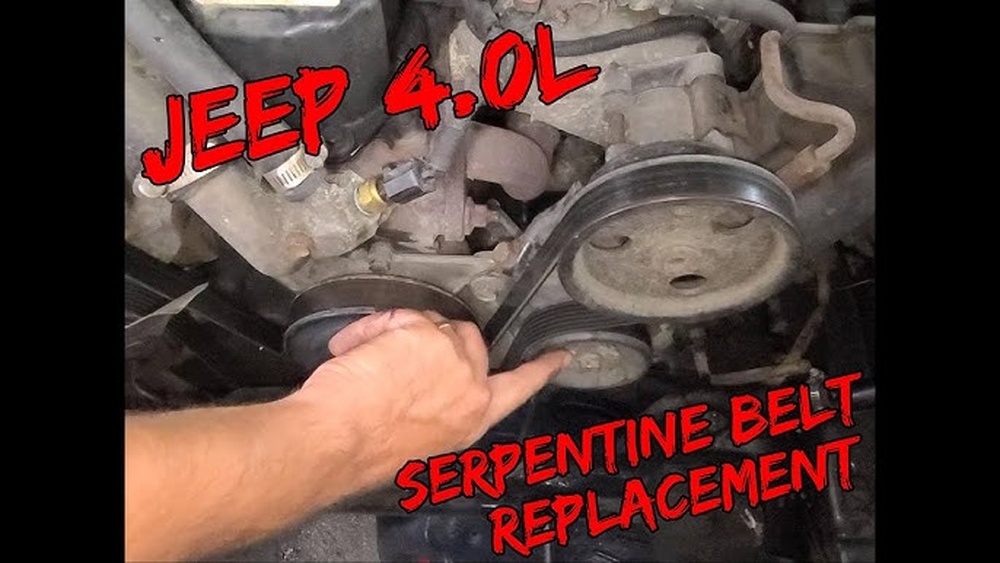
The serpentine belt is a long, winding rubber belt that connects several engine parts. It gets its name because it snakes around pulleys and gears in a twisting pattern. In most Jeep Cherokees, this belt controls the alternator, power steering pump, air conditioning compressor, and water pump.
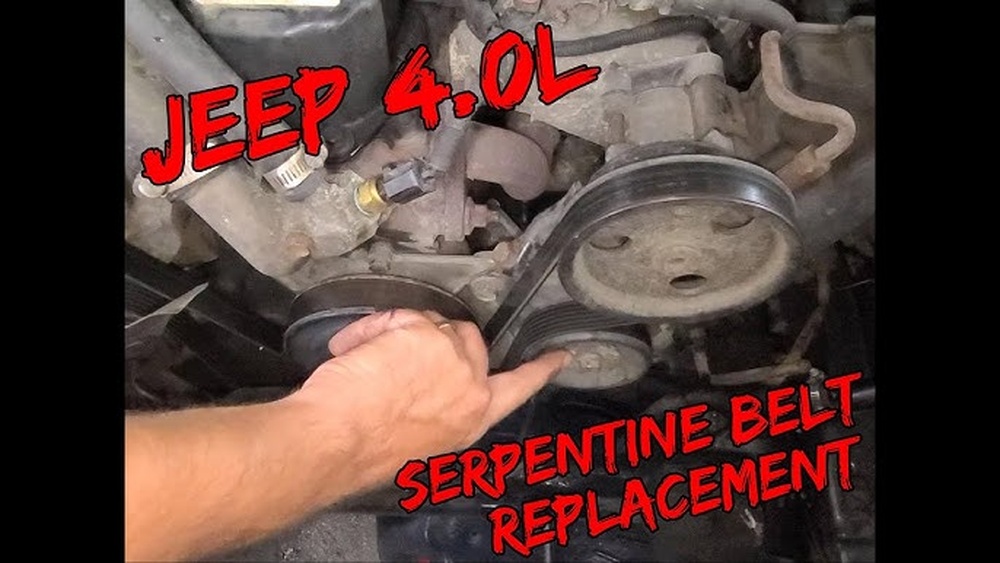
If the belt fails, your battery won’t charge, your steering becomes hard, and the engine can overheat fast. That’s why it’s smart to check the belt often and know how it fits in your engine.
Why The Serpentine Belt Diagram Matters
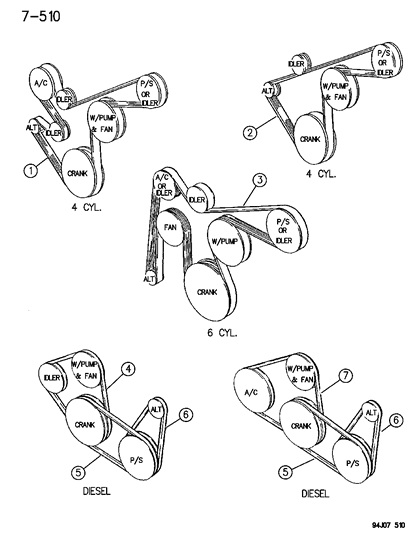
A serpentine belt diagram is a simple drawing showing how the belt loops around each pulley. Each Jeep Cherokee model (and engine type) can have a different layout. Using the wrong path or installing the belt incorrectly may cause damage or poor performance.
A diagram helps you:
- See the correct routing for your engine
- Identify each pulley (which part goes where)
- Avoid common mistakes during replacement
Many people try to guess the belt path, which leads to frustration. Having the right diagram saves time and helps you avoid expensive engine damage.

Common Jeep Cherokee Serpentine Belt Diagrams
The diagram for your Cherokee depends on the engine size and year. Below are two common layouts for popular models.
1. Jeep Cherokee 4.0l Inline-6 (1997–2001)
This is one of the most popular engines in older Cherokees. Here’s a sample layout:
| Pulley Location | Connected Component |
|---|---|
| Top Left | Alternator |
| Top Center | Idler Pulley |
| Right Side | Power Steering |
| Bottom Right | AC Compressor |
| Bottom Center | Crankshaft |
| Bottom Left | Water Pump |
| Center Left | Tensioner |
The belt starts at the crankshaft, moves up to the water pump, then around the alternator and idler, before looping past the power steering and AC.
2. Jeep Cherokee 3.2l V6 (2014–2026)
Newer models use a different routing:
| Pulley Position | Component |
|---|---|
| Top Right | Alternator |
| Top Left | Idler Pulley |
| Center | Water Pump |
| Lower Left | AC Compressor |
| Bottom Center | Crankshaft |
| Lower Right | Tensioner |
| Far Left | Power Steering |
Even a small difference in routing can cause a belt to slip or break. Always double-check your diagram before installing.
How To Read And Use The Diagram
Most diagrams show a simple line drawing of the belt’s path. Here’s how to use it:
- Find your engine type in your owner’s manual or under the hood.
- Look for a sticker or printed diagram near the radiator or fan shroud.
- If no diagram is present, search your VIN (Vehicle Identification Number) online or use trusted sources like Mopar.
- Compare the pulleys in your engine to the diagram. Match shapes and positions.
- Use the diagram as a guide while installing or checking the belt.
Tip: Take a photo of your engine before removing the old belt. This gives you a backup reference.
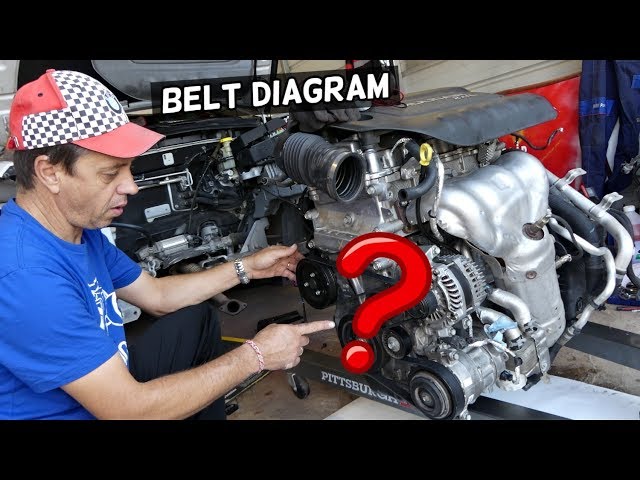
Steps To Replace The Jeep Cherokee Serpentine Belt
Changing a serpentine belt is a job many owners can do. Here’s a simple step-by-step process:
- Turn off the engine and let it cool.
- Remove any covers or components blocking access.
- Find the belt tensioner. Use a wrench or special tool to rotate it and release the belt.
- Slide the old belt off the pulleys.
- Use your diagram to route the new belt around all pulleys except the tensioner.
- Rotate the tensioner again and slip the belt into place.
- Double-check the belt is seated correctly on every groove.
- Start the engine and watch the belt for a few seconds.
Most Cherokee belts take about 30–60 minutes to replace. Beginners often forget to check that the belt sits flat in the grooves, which can lead to squealing or early failure.
Signs Your Serpentine Belt Needs Attention
A worn or failing serpentine belt shows clear signs:
- Squealing noise when starting or turning the wheel
- Cracks, fraying, or missing chunks on the belt
- Power steering feels stiff
- Battery warning light appears on your dash
- AC or alternator stops working
If you see these symptoms, inspect the belt right away. Delaying can cause bigger engine problems.
Cost And Lifespan
A typical Jeep Cherokee serpentine belt costs between $25 and $60. Labor at a shop may add another $80–$120. Most belts last between 60,000 and 100,000 miles, but driving in hot climates or with heavy loads can wear them out faster.
Here’s a quick comparison:
| Model Year | Average Belt Price | Recommended Change Interval |
|---|---|---|
| 1997–2001 (4.0L) | $25–$40 | 60,000 miles |
| 2014–2026 (3.2L) | $35–$60 | 90,000 miles |
Non-obvious Tips For Belt Replacement
- Check every pulley before installing the new belt. A worn or noisy pulley can destroy a new belt in days.
- Use quality belts from trusted brands, not just the cheapest option. Low-quality rubber may crack much sooner.
- Don’t over-tighten the belt. Most tensioners are automatic, but if yours is manual, follow the torque specs closely.
Many beginners overlook these details, leading to repeat repairs.
Frequently Asked Questions
<!– wp:rank-math/faq-block {"questions":[{"id":"faq-question-6db3c8f408d9","title":"How Do I Know Which Serpentine Belt Diagram Matches My Cherokee?","content":"Check your engine size and model year. Most diagrams are printed under the hood or in your owner’s manual. If you’re unsure, ask a Jeep dealer with your VIN.
“,”visible”:true},{“id”:”faq-question-90916ff27dbb”,”title”:”Can I Drive If My Serpentine Belt Breaks?”,”content”:”No. Without the belt, your alternator, water pump, and power steering will stop. This can damage your engine in minutes.
“,”visible”:true},{“id”:”faq-question-8f78cf2520e5″,”title”:”What Tools Do I Need To Change The Serpentine Belt?”,”content”:”Usually, a wrench or socket set is enough. Some models need a special belt tensioner tool, which is cheap and easy to find.
“,”visible”:true},{“id”:”faq-question-4fc05eb777ff”,”title”:”Is It Safe To Use A Universal Belt If I Can’t Find The Exact Fit?”,”content”:”Always use the exact size and type for your engine. Universal belts may slip or not fit properly, risking major damage.
“,”visible”:true},{“id”:”faq-question-b79ce8ff6113″,”title”:”How Can I Make My Serpentine Belt Last Longer?”,”content”:”Check the belt at every oil change, keep pulleys clean, and fix any leaks that drip on the belt. Avoid spraying cleaners or lubricants on the belt directly.
Understanding your Jeep Cherokee serpentine belt diagram can save you time and money. With the right diagram, tools, and a bit of care, you can keep your Cherokee running smoothly for years.
“,”visible”:true}]} –>How Do I Know Which Serpentine Belt Diagram Matches My Cherokee?
Check your engine size and model year. Most diagrams are printed under the hood or in your owner’s manual. If you’re unsure, ask a Jeep dealer with your VIN.
Can I Drive If My Serpentine Belt Breaks?
No. Without the belt, your alternator, water pump, and power steering will stop. This can damage your engine in minutes.
What Tools Do I Need To Change The Serpentine Belt?
Usually, a wrench or socket set is enough. Some models need a special belt tensioner tool, which is cheap and easy to find.
Is It Safe To Use A Universal Belt If I Can’t Find The Exact Fit?
Always use the exact size and type for your engine. Universal belts may slip or not fit properly, risking major damage.
How Can I Make My Serpentine Belt Last Longer?
Check the belt at every oil change, keep pulleys clean, and fix any leaks that drip on the belt. Avoid spraying cleaners or lubricants on the belt directly.
Understanding your Jeep Cherokee serpentine belt diagram can save you time and money. With the right diagram, tools, and a bit of care, you can keep your Cherokee running smoothly for years.