Replacing the serpentine belt on your Jeep Cherokee is one of those tasks that sounds tricky, but is actually manageable with the right guidance. This belt keeps your engine accessories—like the alternator, air conditioning, and power steering—working smoothly.
If your belt shows cracks, fraying, or squeals loudly, it’s time for a replacement. A failed belt can stop your car suddenly, so handling this job proactively can save both money and stress.
Why The Serpentine Belt Matters
The serpentine belt is essential for your Cherokee’s health. It connects and drives multiple engine parts. If this belt fails, your engine can overheat, your battery won’t charge, and steering will become difficult. Most Jeep Cherokee models have a single serpentine belt, making replacement straightforward once you know the steps.
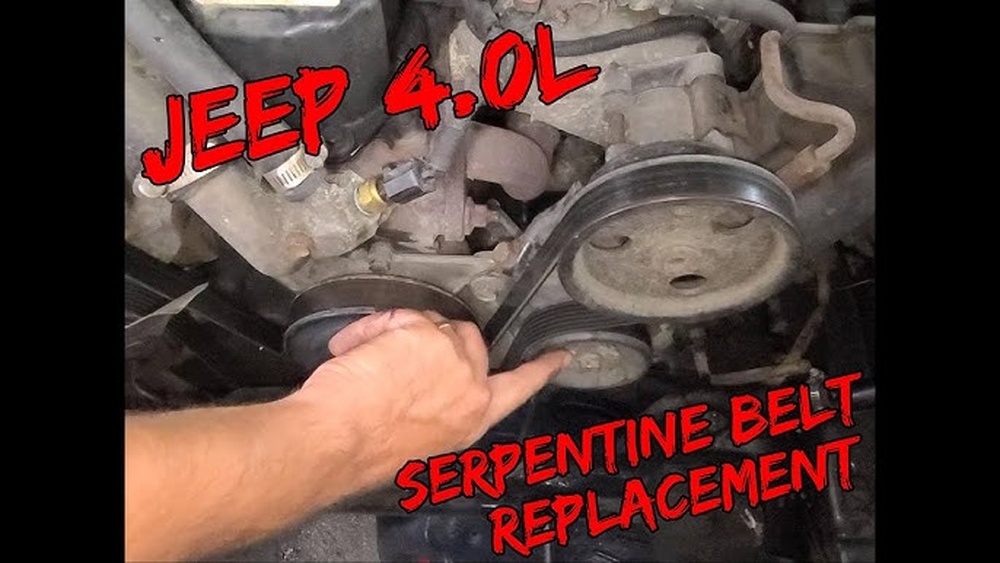
Jeep recommends checking the belt every 60,000 miles and replacing it if there are signs of wear. A recent survey found that over 30% of vehicles older than five years had worn belts needing replacement. Ignoring this can lead to expensive repairs.
Tools And Materials Needed
Before starting, gather these tools:
- Socket set (usually 13mm or 15mm for tensioner)
- Wrench or ratchet
- Serpentine belt tool (optional, but helpful)
- New serpentine belt (specific for your Jeep Cherokee year and engine)
- Gloves
- Flashlight (for better visibility)
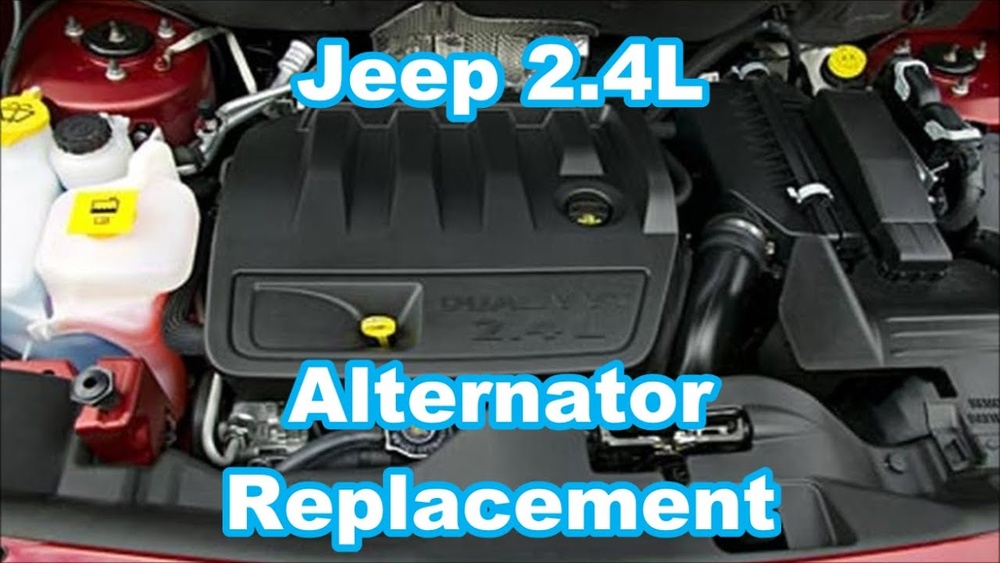
Double-check your Jeep’s year and engine type. Belts differ between the 3.2L V6, 2.4L, and 4.0L engines. Here’s a quick comparison:
| Year | Engine | Belt Length | Approx. Cost |
|---|---|---|---|
| 2014-2026 | 3.2L V6 | 86 inches | $35 |
| 2014-2026 | 2.4L | 77 inches | $30 |
| 1997-2001 | 4.0L | 95 inches | $28 |

Step-by-step Jeep Cherokee Serpentine Belt Replacement
Changing the belt is possible in under an hour for most drivers. Here’s how:
- Park and Prepare: Make sure your Jeep is parked, the engine is cool, and the keys are removed. Open the hood and locate the serpentine belt.
- Locate the Belt Routing Diagram: Most Cherokees have a sticker near the radiator showing the belt’s path. If missing, draw a quick sketch or snap a photo before removing the belt.
- Find the Tensioner: The belt tensioner keeps the belt tight. Use your wrench or serpentine belt tool to rotate it, releasing tension. Some tensioners have a square hole for a ratchet; others require a socket.
- Remove the Old Belt: With tension released, slip the belt off the pulleys. If the belt is stuck, wiggle gently—never force.
- Inspect the Pulleys: Spin each pulley by hand. Listen for noise or feel for rough spots. A worn pulley can damage the new belt.
- Install the New Belt: Following your diagram, loop the new belt around each pulley. The tensioner is usually last. Make sure the belt sits in each groove correctly.
- Release the Tensioner: Slowly let the tensioner return to its normal position, tightening the belt. Double-check that the belt is centered and aligned.
- Start the Engine: Watch the belt as the engine runs. It should move smoothly, without wobbling or noise.
Here’s a quick comparison of common mistakes and how to avoid them:
| Mistake | Result | How to Avoid |
|---|---|---|
| Wrong belt size | Belt slips or won’t fit | Check your Jeep’s specs before buying |
| Misrouted belt | Engine accessories stop working | Use diagram/photo for reference |
| Damaged pulley | New belt wears quickly | Inspect pulleys before installing |
Cost And Time Estimates
Most Jeep Cherokee owners can replace the serpentine belt themselves for $30–$40. A mechanic may charge $80–$150, mostly for labor. The job typically takes 30–60 minutes. If your tensioner or pulleys are damaged, parts may cost extra.
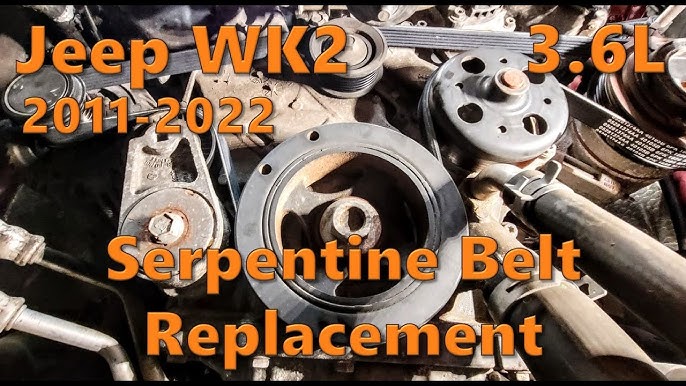
If you’re unsure about the belt routing, you can find diagrams for your specific model on the official Jeep website or reliable sources like AutoZone. This helps avoid mistakes and ensures you get the correct belt.
Practical Tips From Experience
- Wear gloves to avoid cuts from sharp engine parts.
- If your belt squeals after installation, recheck its position and tension.
- Always inspect the old belt for uneven wear—this can reveal hidden pulley issues.
- Consider changing the tensioner if your Jeep has over 100,000 miles or if the belt has failed multiple times.
- Use a flashlight for hard-to-see areas, especially near the crankshaft pulley.
One insight many beginners miss is the importance of checking belt tension after installation. If the belt feels loose or slips, your tensioner may need replacement. Also, some Cherokees have a tight space near the engine; using a serpentine belt tool can make removal much easier.
Frequently Asked Questions
<!– wp:rank-math/faq-block {"questions":[{"id":"faq-question-9a745d357565","title":"How Do I Know My Jeep Cherokee Serpentine Belt Needs Replacing?","content":"Look for signs like cracks, fraying, or loud squealing noises. If the belt looks shiny or glazed, it’s worn. A sudden loss of power steering or battery charging also signals belt failure.
“,”visible”:true},{“id”:”faq-question-7c9f2e39aa9f”,”title”:”Can I Drive My Cherokee With A Broken Serpentine Belt?”,”content”:”No. A broken belt stops key accessories like the alternator and water pump. Driving without it can cause engine overheating or battery drain, leading to costly repairs.
“,”visible”:true},{“id”:”faq-question-4e45ed23da7e”,”title”:”What’s The Average Lifespan Of A Serpentine Belt?”,”content”:”Most belts last 60,000–100,000 miles. Harsh climates or frequent stop-and-go driving can shorten this lifespan. Always check your owner’s manual for specific intervals.
“,”visible”:true},{“id”:”faq-question-3a90a45a3906″,”title”:”Do I Need Special Tools To Replace The Belt?”,”content”:”For most Cherokees, a socket set and wrench are enough. A serpentine belt tool helps in tight spaces, but isn’t required. Check your engine layout before starting.
“,”visible”:true},{“id”:”faq-question-12d40f3c8052″,”title”:”Should I Replace The Tensioner With The Belt?”,”content”:”If your Jeep has over 100,000 miles or the tensioner feels weak, yes. A worn tensioner can cause the new belt to slip or wear unevenly.
Replacing the serpentine belt on your Jeep Cherokee is a smart DIY job that protects your engine and wallet. With the right tools, a little patience, and careful attention to detail, you’ll have your Cherokee running smoothly again. Remember, regular inspection keeps your vehicle reliable and prevents sudden breakdowns. If you ever feel unsure, don’t hesitate to ask a mechanic or visit trusted resources.
“,”visible”:true}]} –>How Do I Know My Jeep Cherokee Serpentine Belt Needs Replacing?
Look for signs like cracks, fraying, or loud squealing noises. If the belt looks shiny or glazed, it’s worn. A sudden loss of power steering or battery charging also signals belt failure.
Can I Drive My Cherokee With A Broken Serpentine Belt?
No. A broken belt stops key accessories like the alternator and water pump. Driving without it can cause engine overheating or battery drain, leading to costly repairs.
What’s The Average Lifespan Of A Serpentine Belt?
Most belts last 60,000–100,000 miles. Harsh climates or frequent stop-and-go driving can shorten this lifespan. Always check your owner’s manual for specific intervals.
Do I Need Special Tools To Replace The Belt?
For most Cherokees, a socket set and wrench are enough. A serpentine belt tool helps in tight spaces, but isn’t required. Check your engine layout before starting.
Should I Replace The Tensioner With The Belt?
If your Jeep has over 100,000 miles or the tensioner feels weak, yes. A worn tensioner can cause the new belt to slip or wear unevenly.
Replacing the serpentine belt on your Jeep Cherokee is a smart DIY job that protects your engine and wallet. With the right tools, a little patience, and careful attention to detail, you’ll have your Cherokee running smoothly again. Remember, regular inspection keeps your vehicle reliable and prevents sudden breakdowns. If you ever feel unsure, don’t hesitate to ask a mechanic or visit trusted resources.