You’re thinking about getting a Jeep Grand Cherokee, but you want to know—how reliable is it really? Before you make a decision, it’s important to understand what you’re getting into.
The Grand Cherokee is known for its rugged style and off-road ability, but how does it hold up day-to-day? Are there common issues that could cost you time and money? You’ll get a clear picture of the Jeep Grand Cherokee’s reliability, what problems you might face, and tips to help you make a confident choice.
Keep reading to find out if this SUV is the right fit for your lifestyle and budget.
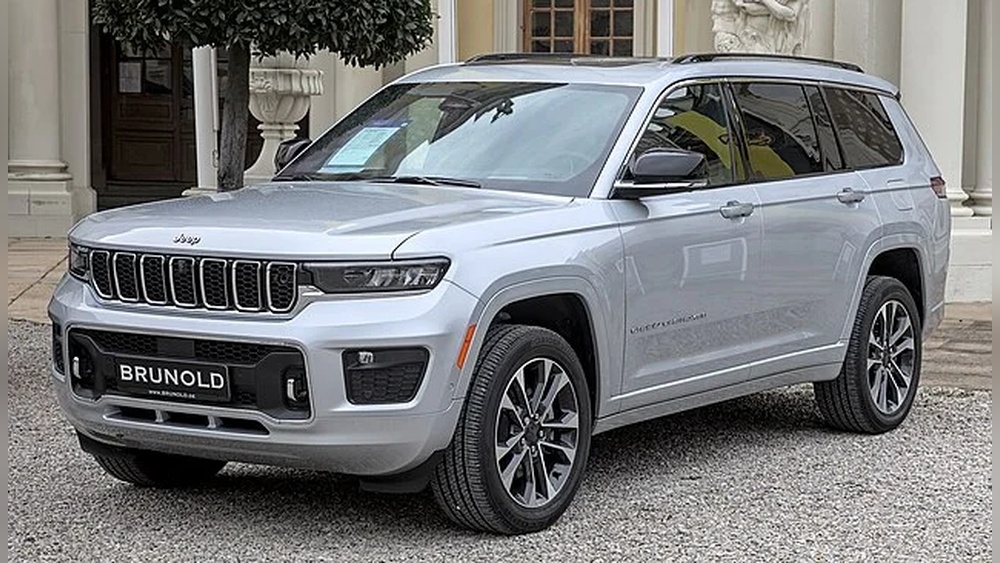
Jeep Grand Cherokee Reliability Overview
The Jeep Grand Cherokee stands as a popular midsize SUV known for its rugged design and strong off-road skills. Its reliability is often a key concern for buyers who want a dependable vehicle for daily use and weekend adventures.
This overview dives into the reliability of the Jeep Grand Cherokee, highlighting common problems and maintenance tips. Understanding these points helps make a smart choice when considering this SUV.
Reliability Breakdown
The Jeep Grand Cherokee shows average reliability compared to other midsize SUVs. It ranks in the middle, neither the best nor the worst. The vehicle blends comfort with tough off-road ability. Owners report needing regular maintenance to avoid major issues. Some models may face electrical problems or suspension wear over time.
Most Common Issues To Watch For
Several problems appear more often in Jeep Grand Cherokees. Watch for electrical system faults like battery drains or digital gauge failures. Models with Quadra-Lift air suspension give a smooth ride but can have costly repairs if the system breaks down. These issues tend to grow as the SUV ages.
Owner Insights And Tips
Real owners share honest views on forums like the Jeep Grand Cherokee Reddit community. They discuss specific model years, reliability, and repair costs. Running a vehicle history check is crucial before buying. Also, use Kelley Blue Book to confirm fair pricing based on year and mileage. These steps reduce the chance of unexpected problems.
Reliability By Model Year
The reliability of the Jeep Grand Cherokee varies significantly by model year. Some years stand out for durability and fewer problems. Others have a record of frequent repairs and issues. Understanding these differences helps buyers make smart choices.
Each model year reflects changes in design, parts, and technology. These changes can impact how well the vehicle holds up over time. Checking reliability by year shows patterns of strength and weakness.
Best Years To Buy
Several Jeep Grand Cherokee model years have a strong reputation for reliability. The 2014 to 2016 models are often praised for balanced performance and fewer mechanical problems. These years feature improved engines and better electronics.
The 2011 and 2012 models also perform well, thanks to solid build quality and fewer recalls. Owners report fewer issues with the suspension and electrical systems in these years. These models offer a good mix of comfort and toughness.
Years To Avoid
Some model years show higher rates of common problems. The 2017 and 2018 Grand Cherokees are known for electrical glitches and transmission troubles. Repair costs can add up quickly for these vehicles.
Older models from 2005 to 2007 also face criticism. Owners often report suspension failures and engine troubles. These years may require more frequent maintenance and repairs.
Avoiding these problematic years can save money and stress. Always check detailed reports and owner reviews before deciding.
Common Mechanical Issues
The Jeep Grand Cherokee shows average reliability overall. Some common mechanical issues affect its performance and ownership experience. These problems often appear as the vehicle ages or hits higher mileage. Understanding these issues helps buyers make informed decisions and prepare for maintenance costs.
Owners report frequent problems with electrical components, air suspension systems, and engine or transmission parts. Each area can affect daily driving comfort and vehicle safety. Knowing what to expect can reduce surprises and improve long-term satisfaction with the Jeep Grand Cherokee.
Electrical System Problems
Electrical issues rank among the most common complaints. Battery drains happen without clear cause, leaving owners stranded. The digital gauge cluster can fail or display incorrect information. Such problems may require costly repairs or part replacements. Wiring faults and sensor failures also occur, affecting lights, windows, and other controls.
Air Suspension Failures
Models with Quadra-Lift air suspension offer smooth rides but face reliability challenges. Over time, air springs and compressors wear out or leak air. Repairing or replacing these components can be expensive. Suspension failures lead to uneven ride height and poor handling. Regular inspections can catch problems before they become severe.
Engine And Transmission Concerns
Some Grand Cherokees experience engine stalling or rough idling. These issues may relate to fuel or ignition system faults. Transmission problems include hard shifting and slipping gears. Repairs often require specialized service and parts. Regular oil changes and timely service help reduce engine and transmission troubles.
Maintenance And Longevity Tips
Maintaining your Jeep Grand Cherokee properly extends its life and keeps it running smoothly. Regular care reduces the risk of costly repairs. Paying attention to key maintenance areas helps the vehicle perform well over time. Below are essential tips to help you maintain your Grand Cherokee and enjoy its reliability for many years.
Routine Maintenance Essentials
Change the oil and filter every 5,000 miles or as recommended. Check tire pressure monthly to improve fuel efficiency and safety. Inspect brakes regularly to avoid wear-related problems. Replace air filters every 15,000 to 30,000 miles to keep the engine clean. Monitor fluid levels such as coolant, transmission, and brake fluid. Rotate tires every 6,000 to 8,000 miles for even wear. Pay attention to warning lights on the dashboard and address issues quickly. Regularly clean and inspect the battery terminals to prevent corrosion. Schedule a full vehicle inspection at least once a year with a trusted mechanic.
Extended Warranty Benefits
An extended warranty offers extra protection beyond the basic coverage. It helps reduce unexpected repair costs for major components. Many warranties cover the engine, transmission, and electrical systems. Having a warranty can increase your confidence during ownership. Choose a plan that matches your driving habits and vehicle usage. Review the terms carefully to understand what is included and excluded. Extended warranties may also cover roadside assistance and towing. This coverage can save you money on expensive repairs. Always keep records of all maintenance and repairs to support warranty claims.
Owner Experiences And Reviews
Owner experiences and reviews provide a clear window into the Jeep Grand Cherokee’s reliability. These firsthand accounts reveal how the SUV performs in daily use. They also highlight common issues and maintenance needs. Understanding these experiences helps potential buyers make informed decisions.
Real-world User Feedback
Many owners praise the Grand Cherokee for its strong engine and smooth ride. It handles rough roads and off-road trails with ease. Some users report high satisfaction with the vehicle’s comfort and technology features. Still, others mention occasional problems with the electrical system. Issues like battery drain and dashboard glitches appear in several reviews. Suspension troubles, especially with air suspension models, also come up often. Timely maintenance and care seem crucial to keep problems minimal. Overall, owner feedback shows a mix of strengths and weaknesses.
Insights From Online Communities
Online forums and social media groups offer rich insights into the Jeep Grand Cherokee’s reliability. Communities like Reddit’s r/JeepGrandCherokee share honest stories and advice. Members discuss common faults, repair costs, and parts availability. Many warn about specific model years with known issues. These groups also celebrate the SUV’s off-road abilities and rugged build. Users exchange tips on maintenance and troubleshooting. Such discussions provide a balanced view beyond official reviews. They help buyers understand what to expect over time.

Comparing Reliability To Competitors
Comparing the Jeep Grand Cherokee’s reliability with its competitors helps buyers understand its value. This SUV sits in the midsize category, where many models compete for attention. Each model has strengths and weaknesses that influence reliability scores.
Some rivals may offer fewer mechanical issues or cheaper repairs. Others might excel in long-term durability or owner satisfaction. The Grand Cherokee’s mix of off-road power and comfort affects how it compares in reliability rankings.
Jeep Grand Cherokee Vs Toyota 4runner
The Toyota 4Runner is known for strong reliability and durability. It often scores higher on reliability surveys than the Grand Cherokee. The 4Runner has fewer electrical problems and lower repair costs. Jeep’s air suspension system adds comfort but increases maintenance needs. Toyota’s simpler setup tends to last longer with less expense.
Jeep Grand Cherokee Vs Ford Explorer
The Ford Explorer offers competitive reliability but varies by model year. Some recent Explorers have faced engine or transmission issues. Jeep faces its own common problems like battery drain and digital cluster failures. Both SUVs require regular maintenance to avoid costly repairs. Owner reviews show mixed experiences for each vehicle.
Jeep Grand Cherokee Vs Honda Passport
The Honda Passport scores well in reliability and owner satisfaction. It has fewer reported electrical and suspension issues compared to the Grand Cherokee. Honda’s reputation for longevity and quality parts appeals to many buyers. Jeep’s off-road features come with added complexity that can impact reliability.
Buying Used: What To Watch For
Buying a used Jeep Grand Cherokee requires careful attention. Some issues may not show up in a quick inspection. Checking the vehicle’s background and pricing helps avoid costly problems. Understanding what to watch for makes the process smoother and safer.
Vehicle History Checks
Start by obtaining a detailed vehicle history report. This report reveals accidents, title issues, and past repairs. Look for signs of flood damage or frame problems. Multiple owners in a short time may signal trouble. Verify the odometer reading matches the vehicle’s condition. Service records show if the Jeep received regular maintenance. A clean history means fewer surprises later.
Fair Market Pricing
Compare prices for similar Jeep Grand Cherokee models in your area. Factors like mileage, year, and trim affect the price. Use trusted sources such as Kelley Blue Book for accurate estimates. Avoid deals that seem too good to be true. Low prices might hide hidden mechanical or electrical problems. Paying a fair price protects your investment and peace of mind.
Off-road Capability And Comfort
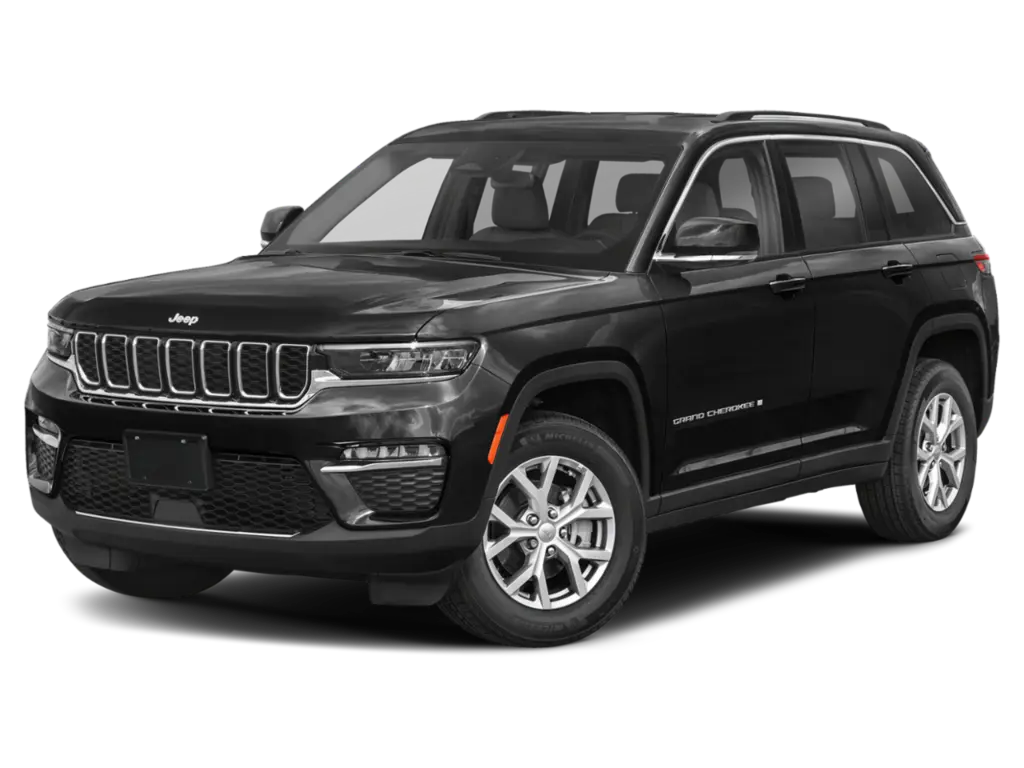
The Jeep Grand Cherokee blends strong off-road skills with daily driving comfort. It stands out in rough terrain and city streets alike. This balance makes it a favorite for adventure seekers and families.
Its design focuses on handling tough trails while keeping passengers relaxed. The suspension and interior comfort features play key roles here. Let’s explore how the Grand Cherokee manages this mix of ruggedness and smoothness.
Quadra-lift Air Suspension Benefits
The Quadra-Lift air suspension adjusts the vehicle height easily. It raises the SUV for better ground clearance on rough roads. This helps avoid damage from rocks and uneven ground.
Lowering the height improves fuel efficiency and stability on highways. It also makes getting in and out of the vehicle easier for passengers. The system adapts to different driving needs quickly.
This feature adds to the Grand Cherokee’s versatility. Drivers can switch from off-road mode to city driving with a simple control. It enhances safety and comfort without extra effort.
Ride Quality And Handling
The ride quality of the Grand Cherokee is smooth and controlled. Its suspension absorbs bumps well, reducing jolts on rough surfaces. This creates a comfortable ride for all occupants.
Handling is confident and stable, even on twisty roads. The steering responds well to driver inputs. This gives a sense of control and safety in various conditions.
Overall, the Grand Cherokee balances toughness with comfort. It offers a capable ride off-road and a refined experience on paved roads. This combination supports its reputation as a reliable SUV.
Frequently Asked Questions
Are Jeep Grand Cherokees Good Reliable Cars?
Jeep Grand Cherokees offer average reliability with strong off-road ability. They need regular maintenance to avoid electrical and suspension issues. Some model years perform better, so research specific years before buying. Overall, they provide comfort but can incur costly repairs as they age.
What Years Of Jeep Grand Cherokee Are The Best?
The 2014 to 2016 Jeep Grand Cherokee models are considered the best for reliability and performance. These years offer fewer common issues and balanced features. Regular maintenance improves longevity across all models. Avoid older models with known electrical and suspension problems.
What Years To Avoid For A Jeep Grand Cherokee?
Avoid Jeep Grand Cherokee models from 2011 to 2013 due to frequent electrical and suspension problems. Also, 2014 and 2015 models showed reliability issues. Prioritize later years with updated features for better performance and fewer repairs.
How Long On Average Do Jeep Grand Cherokees Last?
Jeep Grand Cherokees typically last around 200,000 miles with proper maintenance. Regular care prevents common electrical and suspension issues.
Conclusion
The Jeep Grand Cherokee offers solid performance but has some reliability concerns. Electrical issues and air suspension problems occur in certain models. Regular maintenance helps avoid costly repairs. Research specific years before buying to find the best option. Overall, it suits drivers who value comfort and off-road ability.
Expect average reliability compared to other midsize SUVs. Choose carefully and stay informed for a better ownership experience.