If you own a Jeep Wrangler, you know how important it is to have extra space for your gear. But mounting luggage on your Jeep can seem tricky if you’ve never done it before.
You might wonder how to secure your bags safely, what kind of racks or carriers to use, and how to avoid damage while driving. This guide will walk you through simple, practical steps to mount luggage on your Jeep Wrangler the right way.
Whether you’re hitting the trails or packing for a weekend getaway, you’ll learn how to maximize your storage space without hassle. Keep reading, and soon you’ll be ready to carry all your essentials with confidence.
Choosing The Right Mounting Options
Choosing the right mounting option for your Jeep Wrangler is key to safe and efficient luggage transport. Each method offers unique benefits and suits different travel needs. Consider your Jeep model, cargo size, and trip type before deciding.
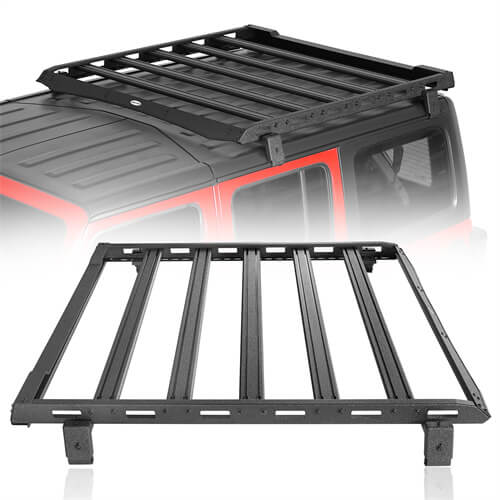
Roof Racks And Crossbars
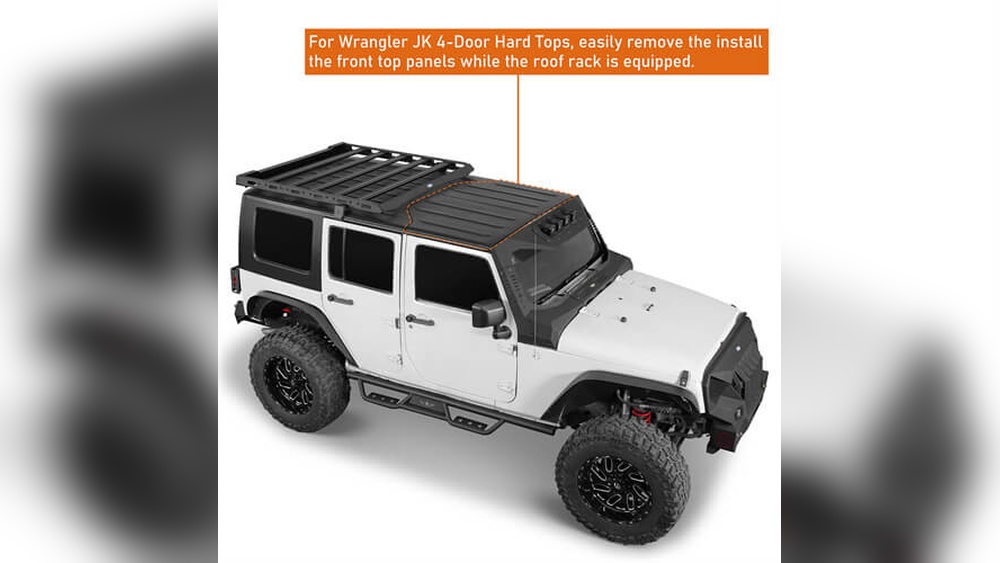
Roof racks and crossbars provide a sturdy base to mount various luggage carriers. They keep your cargo off the ground and free up interior space. These racks allow for larger items like boxes or bags to be secured on top. Installation is usually straightforward, fitting most Jeep Wrangler models. They work well for outdoor gear and bulky luggage.
Hitch-mounted Carriers
Hitch-mounted carriers attach to the rear tow hitch of your Jeep. They offer easy access to your luggage without climbing on the roof. These carriers are perfect for heavy or awkwardly shaped items. However, they may reduce rear visibility and add weight behind your vehicle. Hitch carriers are ideal for weekend trips or when you carry extra gear.
Roll bar bags mount inside your Jeep, attached to the roll bars. They provide secure storage within reach and protect items from weather. These bags are great for small to medium items and keep the cargo protected during off-road drives. Interior storage solutions maximize space while keeping the weight low and balanced.

Preparing Your Jeep Wrangler
Preparing your Jeep Wrangler is the first step to safely mount luggage. This ensures the setup is secure and your vehicle is ready for the load. Proper preparation helps avoid damage and keeps your gear safe during travel.
Checking Weight Limits
Check your Jeep Wrangler’s roof or rack weight limits first. Exceeding these limits can cause damage or accidents. Look in the owner’s manual or on the manufacturer’s website for exact numbers. Keep the total weight of luggage and mount below this limit.
Cleaning Mounting Surfaces
Clean the roof or rack before mounting luggage. Dirt, dust, and debris can affect the mount’s grip. Use a mild cleaner and a soft cloth to wipe the surfaces. Allow everything to dry completely for the best hold.
Gathering Necessary Tools And Materials
Collect all the tools and materials you need before starting. Common items include wrenches, screwdrivers, mounting brackets, and straps. Having everything ready saves time and makes the process smoother.
Installing Roof Racks And Cargo Boxes
Installing roof racks and cargo boxes on your Jeep Wrangler adds essential storage space for your adventures. It helps carry luggage safely and keeps the interior free. Proper installation ensures stability and protects your gear on rough roads.
Aligning The Rack Properly
Start by placing the roof rack on top of your Jeep. Check the front and rear positions to keep the rack centered. Use a tape measure to confirm equal distances from the edges. Align the rack so it follows the vehicle’s shape. This avoids wind noise and improves driving safety.
Securing With Bolts And Clamps
Use the bolts and clamps provided with your roof rack kit. Attach them to the mounting points on the Jeep’s roof. Tighten bolts by hand first, then use a wrench for a firm hold. Avoid over-tightening to prevent damage. Double-check all clamps are secure before loading luggage.
Adding Luggage Boxes Or Bags
Place your cargo box or bag on top of the installed roof rack. Align it with the crossbars for better support. Use the included straps or mounting hardware to secure the box. Tighten straps evenly to stop movement during travel. Check all fasteners regularly on long trips to keep luggage safe.
Using Hitch-mounted Cargo Carriers
Using a hitch-mounted cargo carrier is a practical way to carry extra luggage on a Jeep Wrangler. This method frees up interior space and keeps heavy or bulky items outside the vehicle. Hitch carriers attach to the rear receiver hitch, making loading and unloading easier. They offer a stable platform for various cargo types, ideal for road trips or light off-road adventures.
Selecting The Right Hitch Carrier
Choose a hitch carrier that matches your Jeep’s hitch class and weight capacity. Look for carriers made from durable materials like steel or aluminum. Consider the carrier’s size to fit your luggage and allow access to the rear door. Some carriers come with folding features for easier storage. Check the carrier’s compatibility with your Jeep model for a perfect fit.
Attaching The Carrier To The Jeep
Insert the carrier’s shank into the Jeep’s hitch receiver. Secure it with a hitch pin or locking mechanism to prevent movement. Tighten any bolts or fasteners according to the manufacturer’s instructions. Make sure the carrier sits level and does not block tail lights or license plates. Test the carrier’s stability by gently shaking it before loading luggage.
Securing Luggage For Off-road Travel
Use strong straps or bungee cords to tie down your luggage firmly. Place heavier items at the bottom to keep the load balanced. Cover loose items with a cargo net or waterproof cover to protect from dust and rain. Double-check all straps for tightness before driving. Secure luggage properly to avoid shifting or falling during rough trails.
Mounting Roll Bar Bags And Interior Storage
Mounting roll bar bags and using interior storage effectively can greatly improve your Jeep Wrangler’s cargo space. Roll bar bags offer convenient storage close to you. Interior storage helps keep the cabin tidy and organized. Both options are practical for road trips and daily use.
Choosing Suitable Roll Bar Bags
Pick roll bar bags that fit your Jeep model and roll bar size. Look for durable materials like heavy-duty nylon or leather. Waterproof bags protect gear from rain and dust. Check for multiple compartments to separate items. Easy-to-use straps or buckles make installation faster.
Installation Steps
Start by cleaning the roll bar area to remove dirt. Align the bag around the roll bar and secure the straps tightly. Use velcro or buckles to hold the bag firmly in place. Avoid obstructing visibility or controls. Adjust the position for easy reach while driving. Double-check all fasteners before hitting the road.
Maximizing Interior Space
Use under-seat organizers to store small items neatly. Door panel pockets and center console organizers add extra space. Keep heavy items low to maintain vehicle balance. Stack soft bags instead of hard cases for better fit. Remove unnecessary items before long trips. Organizing keeps your Jeep clutter-free and safe.
Securing Luggage Safely
Securing luggage safely on your Jeep Wrangler is essential for a smooth trip. Properly fastened luggage avoids damage to your gear and your vehicle. It also keeps everything stable during bumpy rides. Follow these tips to keep your luggage secure and protected.
Using Tie-down Points And Straps
Locate the built-in tie-down points on your Jeep Wrangler. These points are strong and designed to hold cargo securely. Use durable straps like ratchet straps or cam buckles to fasten your luggage. Loop the straps through the tie-down points and around your bags or boxes. Tighten the straps firmly but avoid over-tightening, which can damage your luggage. Check all straps before you start driving.
Preventing Shifting During Travel
Place heavier items at the bottom to lower the center of gravity. Use padding or foam between items to reduce movement. Secure loose items with additional straps or nets. Consider using a cargo net over the entire load for extra security. Stop periodically to check the luggage and tighten any loose straps. Preventing shifting helps maintain balance and safety on the road.
Weatherproofing And Protection
Cover your luggage with waterproof tarps or bags to shield against rain and dust. Use weatherproof covers designed for Jeep roof racks if available. Seal zippers and openings with waterproof tape or plastic covers. Protecting your luggage from weather keeps your items dry and clean. Remove covers carefully after the trip to avoid damage.
Tips For Off-road Luggage Mounting
Mounting luggage on a Jeep Wrangler for off-road trips needs careful planning. Proper mounting keeps your gear safe and your ride stable. Follow simple tips to protect your luggage and vehicle during rough adventures.
Organize your cargo so it stays secure and easy to reach. Use the right gear to avoid damage and balance your load well. These tips help you enjoy a smooth and worry-free off-road experience.
Avoiding Damage On Rough Terrain
Use strong mounts designed for off-road use. Avoid straps that can stretch or break on bumps. Cover luggage with protective wraps to prevent scratches and dirt. Check mounts often during your trip to tighten loose straps.
Place fragile items inside hard cases or padded bags. Keep heavy gear low and close to the vehicle’s frame. This reduces the risk of damage from sharp turns or sudden stops.
Balancing Load For Stability
Distribute weight evenly across your Jeep’s mounting points. Avoid putting all heavy items on one side. Balance front to back to keep your Jeep stable on slopes and uneven ground.
Secure lighter items on top or in soft storage bags. Heavy gear belongs closer to the center and lower down. A balanced load helps maintain control and improves fuel efficiency.
Quick Access Storage Solutions
Use storage bags or boxes with easy-to-open zippers or latches. Mount items you need often in spots you can reach quickly. Tools, first aid kits, and snacks belong in quick access areas.
Consider rear or side-mounted bags for fast unloading. Avoid packing all essentials inside the roof rack. This saves time and keeps you safe during stops on the trail.

Maintenance And Troubleshooting
Proper maintenance and troubleshooting keep your luggage mount secure and safe on your Jeep Wrangler. Regular checks prevent damage and ensure a long-lasting setup. Addressing small issues early saves time and money. Here are key steps to maintain and troubleshoot your luggage mount effectively.
Inspecting Mounts Regularly
Check your mounts before every trip. Look for cracks, rust, or bending in the metal parts. Inspect welds and joints closely. Make sure the mounting points are free from dirt and debris. Early detection of damage prevents bigger problems on the road.
Tightening Loose Hardware
Loose bolts and screws can cause instability. Use a wrench or screwdriver to tighten all hardware regularly. Focus on clamps, bolts, and nuts. Avoid overtightening, which can strip threads or break parts. Tight hardware keeps your luggage mount steady during travel.
Replacing Worn Components
Some parts wear out faster than others. Replace rubber gaskets, straps, or padding if they show signs of wear. Swap out rusty bolts or bent brackets immediately. Using fresh components ensures safety and reliable performance of your luggage mount.
Frequently Asked Questions
How Many Suitcases Can Fit In The Back Of A Jeep Wrangler?
A Jeep Wrangler’s rear cargo space fits about 2 to 3 medium suitcases with rear seats up. Folding seats increase capacity.
Where Is The Secret Compartment On The Jeep Wrangler?
The Jeep Wrangler’s secret compartment is located under the rear seat on the driver’s side. It offers hidden storage space.
What Year To Stay Away From A Jeep Wrangler?
Avoid Jeep Wrangler models from 2012 and 2013 due to transmission and electrical issues. Check vehicle history before buying.
What Are The Unspoken Jeep Rules?
Unspoken Jeep rules include respecting off-road trails, helping fellow Jeepers, securing all gear tightly, avoiding unnecessary modifications, and keeping the Jeep clean after adventures.
Conclusion
Mounting luggage on your Jeep Wrangler makes trips easier and more organized. Use the right racks and secure your bags tightly. Check your setup before every drive to avoid any mishaps. Keep weight balanced for safer handling on the road.
With simple steps, you can enjoy more space and comfort on your adventure. Safe travels and happy packing!