If you own a Jeep, knowing how to put it in 4-wheel drive can make all the difference when the road gets tough. Whether you’re facing muddy trails, snowy streets, or rocky terrain, engaging 4-wheel drive gives you the extra grip and control you need to keep moving forward safely.
But if you’re not sure how to switch your Jeep into 4-wheel drive, don’t worry. This guide will walk you through the simple steps so you can confidently handle any adventure or challenge that comes your way. Keep reading to master this essential skill and get the most out of your Jeep’s capabilities.

Jeep 4wd Basics
Understanding Jeep 4WD basics helps you drive confidently in tough conditions. Jeeps have special systems to send power to all wheels. This improves traction on slippery or uneven surfaces.
Knowing how and when to use 4WD keeps you safe and protects your vehicle. It also helps prevent getting stuck in mud, snow, or sand. Let’s explore the types of 4WD systems and when to use them.
Types Of 4wd Systems
Jeep 4WD systems come mainly in two types: part-time and full-time. Part-time 4WD lets you switch between two-wheel drive and four-wheel drive. This is common in many Jeep models. Full-time 4WD powers all wheels all the time. It works well on both dry roads and rough terrain.
Some Jeeps use a transfer case to shift power between front and rear wheels. Others have electronic controls to make switching easier. Locking differentials may also be included. These help wheels turn at the same speed for better grip.
When To Use 4wd
Use 4WD on slippery surfaces like snow, ice, mud, or loose gravel. It helps your Jeep maintain control and avoid slipping. On dry, paved roads, 4WD is usually not needed. It can cause extra wear on the drivetrain and reduce fuel efficiency.
Switch to 4WD low gear for steep hills or rough trails. This setting provides more power and control at low speeds. Always follow your Jeep’s instructions for engaging and disengaging 4WD. This prevents damage and ensures the system works properly.
Preparing Your Jeep
Before you put your Jeep into four-wheel drive, proper preparation is essential. This ensures your vehicle operates smoothly and safely. Taking a few moments to prepare helps prevent damage and improves performance on tough terrains.
Start by examining your Jeep’s condition. Understanding the terrain helps you choose the correct drive mode. This way, your Jeep handles the path ahead with confidence.
Checking Vehicle Conditions
Begin by inspecting your tires. Make sure they have enough tread and proper air pressure. Uneven or low tire pressure can affect traction and control.
Check the fluid levels, especially the transmission and transfer case oil. Low fluids can cause gear problems and wear out parts faster.
Look for any leaks or damage under the vehicle. Small issues may become big problems during four-wheel drive use.
Ensure the four-wheel drive system is working by testing it on a flat surface. Engage and disengage the mode to hear any unusual noises.
Selecting The Right Terrain Mode
Your Jeep may have different four-wheel drive settings. Each setting suits specific types of terrain. Use the right mode to enhance traction and control.
“4H” or four-wheel high is ideal for slippery roads, like wet pavement or light snow. It offers better grip without slowing you down too much.
“4L” or four-wheel low is for tough off-road conditions. Use it on steep hills, deep mud, or rocky paths. It gives more power but reduces speed.
Some models include automatic or terrain modes. These adjust power based on conditions. Pick the mode that matches your environment for best results.
Engaging 4wd High
Engaging 4WD High on your Jeep helps improve traction on slippery or rough roads. This mode powers all four wheels equally, giving better control. It is designed for speeds up to 55 mph and works well on dirt, gravel, or snowy surfaces. The process is simple and does not require stopping the vehicle in most cases.
Using The Shift Lever
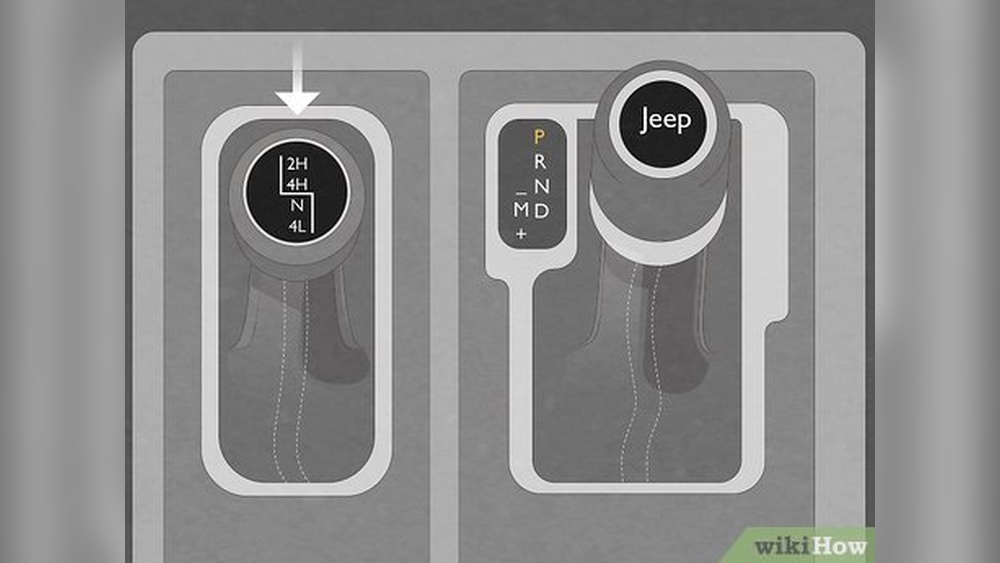
Locate the 4WD shift lever near the main transmission stick. To engage 4WD High, move the lever from 2WD to 4WD High. Usually, this means pulling the lever straight back. Some Jeep models have a button on the lever to press before shifting. Make sure your Jeep is either stopped or moving slowly, usually under 5 mph, for smooth shifting. The system will click into place, indicating that 4WD High is engaged.
Smooth Engagement Tips
Ease off the gas pedal briefly before shifting to 4WD High. This allows the drivetrain to adjust without resistance. Avoid sudden or hard shifts that can damage components. If the lever does not move easily, stop the vehicle and try again. Shifting while rolling slowly is safer and helps the system engage smoothly. Listen for a soft click or feel a slight resistance release to know the shift worked.
Engaging 4wd Low
Using 4WD Low in your Jeep provides extra power and control on tough terrain. It slows down your vehicle while increasing torque. This helps when climbing steep hills or driving through deep mud or sand.
Engaging 4WD Low requires a few simple steps. The process ensures your Jeep is ready for challenging conditions without damaging the drivetrain. Follow these steps carefully for smooth shifting and better performance.
Shifting Into Neutral
Start by bringing your Jeep to a complete stop. Press the brake pedal firmly. Shift the main transmission into Neutral (N). This step disconnects the engine from the wheels. It allows the 4WD system to engage safely.
Keep the transmission in Neutral until you finish shifting into 4WD Low. Avoid rushing this step to prevent gear damage.
Pulling The 4wd Lever
Locate the 4WD lever near your main gear shifter. Gently pull the lever down into the 4WD Low position. You may feel some resistance; this is normal. The transfer case will switch to low gear, providing more torque.
Release the lever once it clicks into place. Shift the main transmission back into Drive (D) or Reverse (R) to begin moving. The Jeep is now in 4WD Low and ready for tough terrain.
When To Use 4wd Low
Use 4WD Low only in slow, difficult driving situations. This includes climbing steep hills, crossing rocks, or driving through mud and deep snow. It gives maximum traction and power.
Do not use 4WD Low on dry pavement or at high speeds. This can cause drivetrain damage and poor handling. Always return to 4WD High or 2WD when normal driving resumes.
Switching Back To 2wd
Switching back to 2WD in your Jeep is important for normal driving conditions. Using 4WD on dry, paved roads can cause damage to the drivetrain and tires. Knowing how to properly disengage 4WD keeps your Jeep running smoothly and saves wear on parts.
Turning off 4WD is simple but requires attention to avoid mistakes. The process varies slightly depending on your Jeep model and type of 4WD system. Always check your owner’s manual for specific instructions.
Steps To Disengage 4wd
Start by bringing your Jeep to a complete stop or slow speed, usually under 5 mph. Shift the transmission into neutral (N). Move the 4WD selector lever or knob from 4WD back to 2WD. Shift the transmission back into drive (D) or the gear you were using. Some Jeep models allow shifting while moving slowly; check your manual. Confirm the 2WD indicator light is on. Your Jeep is now in two-wheel drive mode.
Avoiding Common Mistakes
Do not switch from 4WD to 2WD at high speeds. This can cause damage to the transfer case. Avoid shifting without putting the transmission in neutral first. Forcing the 4WD lever or knob can break internal parts. Make sure the Jeep is on a stable surface when switching. Listen for unusual noises after switching; they may signal a problem. Regularly maintain your 4WD system to prevent issues when shifting modes.

Troubleshooting 4wd Issues
Troubleshooting 4WD issues in your Jeep can save time and avoid costly repairs. Knowing the common problems helps you spot faults early. Quick fixes often restore your 4WD system without professional help. This section covers key points to keep your Jeep running smoothly in four-wheel drive.
Common Problems
One frequent issue is the 4WD system not engaging properly. This can happen due to low transfer case fluid or worn-out shift linkage. Sometimes, the front axle disconnects or electronic controls fail. Another common problem is the 4WD indicator light staying on or flashing. This signals a malfunction in the system. Stuck or broken shift levers also prevent switching to 4WD. Tire size differences can cause uneven power delivery, affecting 4WD performance.
Quick Fixes
Check the transfer case fluid level and top it up if needed. Inspect the shift linkage for bends or damage and adjust it. Reset the electronic control module by disconnecting the battery for a few minutes. Lubricate the front axle disconnect to ensure smooth operation. Try shifting the Jeep into Neutral, then back to Drive before engaging 4WD again. Replace worn or damaged shift levers promptly. Make sure all tires are the same size and properly inflated to avoid issues.
Safety Tips For Off-roading
Off-roading with a Jeep can be thrilling and fun. Safety must come first to enjoy the ride. Taking precautions helps avoid accidents and vehicle damage. Knowing how to stay safe boosts confidence on rough trails.
Maintaining Control
Keep a firm grip on the steering wheel at all times. Drive slowly over uneven surfaces to prevent losing control. Avoid sudden turns or hard braking on loose ground. Use low gear and 4-wheel drive to improve traction. Watch your speed and adjust to trail conditions. Always look ahead to plan your path around obstacles.
Preparing For Emergencies
Carry a first aid kit and basic tools in your Jeep. Bring extra water and food in case of delays. Have a fully charged phone or radio to call for help. Tell someone your route and expected return time before heading out. Pack a tow strap and winch if possible. Check the weather and trail conditions before starting your trip.

Frequently Asked Questions
How Do I Get My Jeep Into 4 Wheel Drive?
Shift your Jeep into Neutral (N). Pull the 4WD lever down once for 4 High or twice for 4 Low. Then shift back to Drive (D).
How Do I Turn On The 4×4 In A Jeep?
To turn on 4×4 in a Jeep, shift the transmission to Neutral. Then, pull the 4×4 lever down to engage the desired mode. Return to Drive to start moving. Briefly ease off the gas pedal for smooth engagement.
Does Jeep Need To Be In Neutral To Put In 4wd?
To engage 4WD in a Jeep, shift the transmission into neutral first. Then, move the 4WD lever to the desired mode. This ensures smooth engagement and prevents drivetrain damage.
Do I Put My Jeep In 4h Or 4l For Snow?
Use 4H for driving on snowy roads at normal speeds to improve traction. Choose 4L for deep snow or steep, slippery terrain needing maximum power and control. Always shift to Neutral before engaging 4L, and drive slowly to avoid drivetrain damage.
Conclusion
Putting your Jeep in 4 wheel drive is simple and useful. Start by shifting to neutral, then engage the 4WD lever or button. This lets your Jeep handle tough roads and slippery surfaces better. Practice these steps in a safe place first.
With 4WD on, you get more control and traction. Drive carefully and enjoy your Jeep’s off-road power. Stay safe and confident on any terrain.