If you own a Jeep Cherokee, knowing how to engage four-wheel drive (4WD) can make all the difference when you’re driving on rough terrain or slippery roads. Whether you’re tackling mud, snow, or rocky trails, putting your Jeep Cherokee into 4WD gives you better control and traction.
But how exactly do you do it? In this guide, you’ll learn simple, step-by-step instructions to switch your Jeep Cherokee into four-wheel drive quickly and safely. Keep reading, and you’ll gain the confidence to handle any road condition with ease.
Jeep Cherokee 4wd Basics
Understanding the basics of 4WD in a Jeep Cherokee is key for safe driving. This vehicle offers different 4WD modes to handle various road and weather conditions. Knowing these basics helps you use your Jeep effectively and avoid damage.
Jeep Cherokee 4WD systems are designed to improve traction and control. These systems allow power to be sent to all four wheels, which is important on slippery or rough surfaces. Learning when and how to engage 4WD will make your driving experience better.
Types Of 4wd Systems
The Jeep Cherokee typically comes with either part-time or full-time 4WD systems. Part-time 4WD requires manual engagement and is best for off-road or slippery conditions. Full-time 4WD works automatically and can be used on dry pavement.
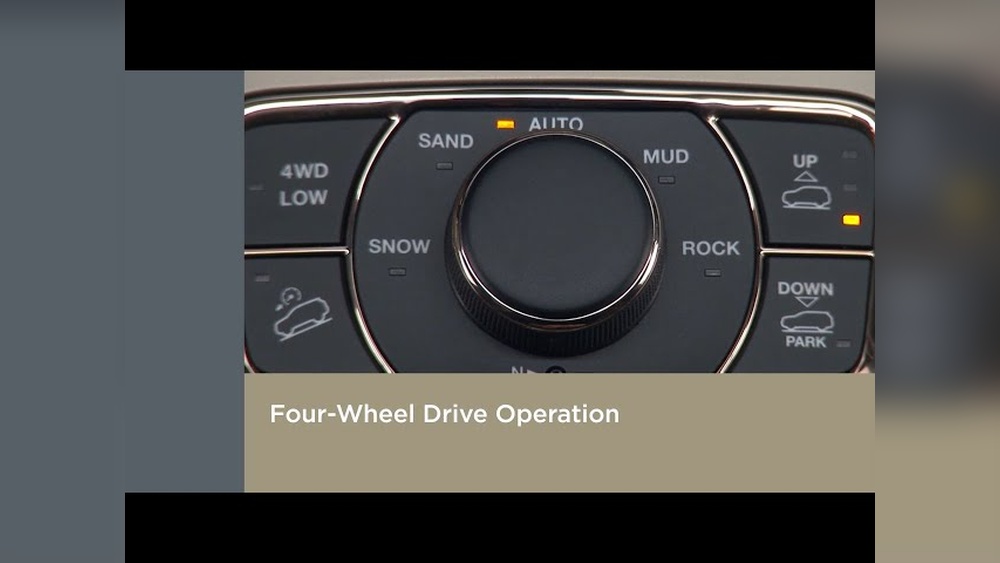
Some models also have a system called “Selec-Terrain.” This system lets you choose settings like Snow, Sand, or Mud. It adjusts power and traction for better control on different surfaces.
When To Use 4wd
Use 4WD on slippery roads, dirt trails, snow, or mud. It helps your Jeep maintain grip and avoid getting stuck. Avoid using 4WD on dry, smooth pavement as it can cause damage.
Shift to 4WD before entering rough terrain or poor weather. Many Jeep Cherokees allow you to switch modes while moving slowly. Check your owner’s manual to know the exact procedure for your model.

Locating 4wd Controls
Knowing where the 4WD controls are in your Jeep Cherokee is important before using them. These controls let you switch between two-wheel and four-wheel drive modes. Locating them quickly helps you adapt to road conditions safely.
Jeep Cherokees have different types of 4WD controls depending on the model year and trim. Some use a manual lever, while others use an electronic dial. Both are designed to be easy to use and within reach of the driver.
Manual Lever Vs Electronic Dial
Older Jeep Cherokee models usually have a manual lever to engage 4WD. This lever is often found next to the gear shift or on the center console. You pull or push the lever to switch between 2WD, 4WD high, and 4WD low.
Newer models often use an electronic dial instead of a lever. The dial is typically located on the dashboard or near the gear shifter. Turning the dial lets you select different drive modes easily. It may include options like Auto, Snow, Sand, and Mud.
Both types work well, but the electronic dial offers more convenience. The manual lever gives a more hands-on feel for driving enthusiasts. Check your owner’s manual to find your specific control type and location.
Dashboard Indicators
The dashboard shows important 4WD status indicators. These lights tell you which drive mode is active. When you engage 4WD, a light usually appears on the instrument panel.
Look for symbols like “4WD,” “4H,” or “4L” on your dashboard. These confirm the system is working. Some models also display messages or icons for specific terrain modes.
Pay attention to these indicators to ensure the system is engaged correctly. They help avoid damage from using the wrong mode on the wrong surface. Always check that the dashboard confirms your chosen 4WD setting.
Engaging 4wd High
Engaging 4WD High on your Jeep Cherokee gives you better traction on slippery roads. It is ideal for driving on snow, mud, or loose gravel. This mode distributes power evenly to all four wheels. It helps maintain control and stability at normal driving speeds.
Most Jeep Cherokees allow you to switch to 4WD High without stopping the vehicle. This feature makes it easy to adapt to changing road conditions quickly. Understanding the correct steps and driving tips improves your experience and safety.
Step-by-step Process
- Bring your vehicle to a slow speed, ideally under 55 mph.
- Shift the transmission into Neutral (N) if your model requires it.
- Locate the 4WD selector switch or lever, usually near the gear shift.
- Move the switch or lever to the “4WD High” position.
- Wait a few seconds for the system to engage fully.
- Shift the transmission back to Drive (D).
- Check your dashboard to confirm the 4WD High light is on.
Driving Tips In 4wd High
- Drive smoothly to avoid sudden acceleration or braking.
- Use 4WD High only on slippery or loose surfaces.
- Avoid using 4WD High on dry pavement to prevent drivetrain damage.
- Keep your speed moderate; 4WD High is not for high-speed driving.
- Test your brakes gently after engaging 4WD High to feel the difference.
- Turn off 4WD High when you return to dry, paved roads.
Switching To 4wd Low
Switching to 4WD Low in your Jeep Cherokee engages maximum power at low speeds. This mode is ideal for tough terrain and steep climbs. It offers more torque for better control in tricky conditions. Using 4WD Low correctly helps avoid damage to the drivetrain and improves safety.
Conditions For 4wd Low
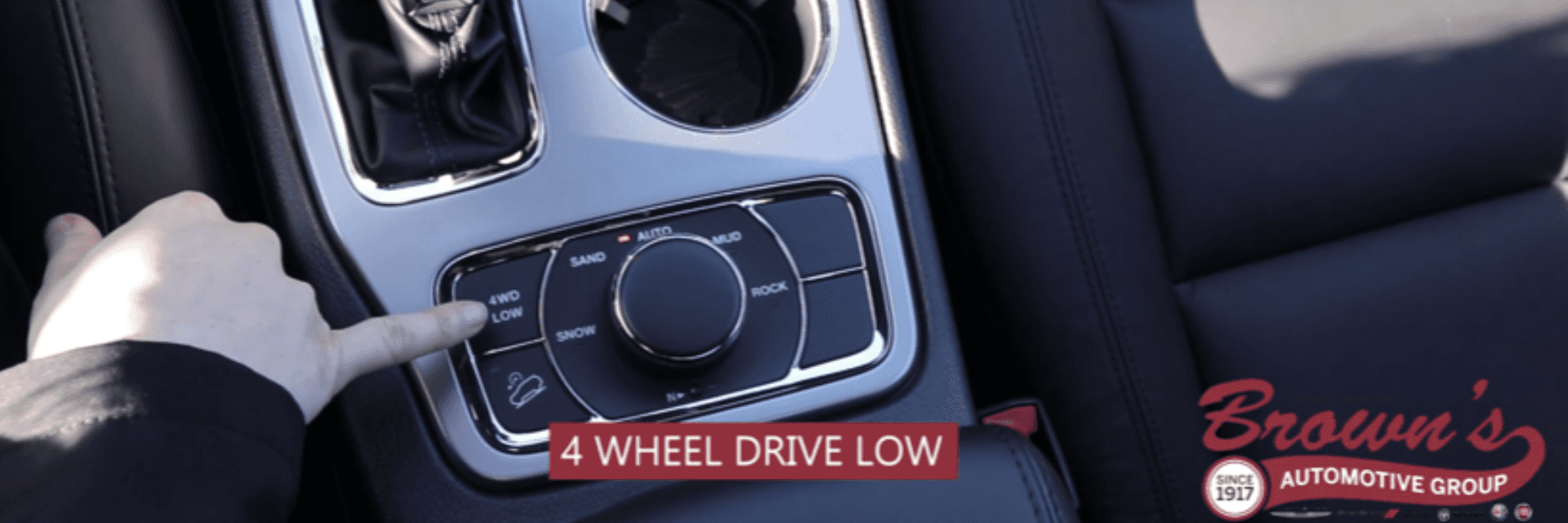
Engage 4WD Low only when the vehicle is stopped or moving very slowly. Use it on slippery, rocky, or steep surfaces. Avoid using 4WD Low on dry pavement to prevent drivetrain damage. Make sure the transmission is in Neutral before shifting. This mode is not for normal driving or highway use.
Step-by-step Activation
- Bring your Jeep to a complete stop or keep speed under 3 mph.
- Shift the transmission into Neutral (N).
- Turn the 4WD selector dial or lever to the 4WD Low position.
- Wait for the indicator light to confirm 4WD Low is engaged.
- Shift the transmission back to Drive (D) or Reverse (R) to move.
Follow these steps carefully to ensure smooth and safe engagement of 4WD Low. Consult your owner’s manual for model-specific details.
Disengaging 4wd
Disengaging 4WD in your Jeep Cherokee is important for smooth driving and better fuel efficiency. When you no longer need extra traction, switching back to 2WD helps reduce wear on the drivetrain. It also improves handling on dry, paved roads. Knowing how and when to disengage 4WD keeps your vehicle running well and safe.
Shifting Back To 2wd
To shift from 4WD to 2WD, first slow your Jeep to a low speed. Many models allow shifting while moving under 3 to 5 mph. Turn the 4WD selector knob or move the transfer case lever to the 2WD position. Wait a few seconds to hear the system engage. The 4WD light on your dashboard should turn off. This means your Jeep is now in 2WD mode and ready for normal driving.
Precautions And Timing
Always avoid shifting 4WD modes at high speeds. Changing modes on dry pavement can damage the transfer case. Use 4WD only on slippery or off-road surfaces. When leaving these conditions, shift back to 2WD as soon as possible. Doing this prevents unnecessary wear and saves fuel. Check your owner’s manual for your Jeep’s specific guidelines and speed limits for shifting. Proper timing helps maintain your Jeep’s performance and durability.
Troubleshooting Common Issues
Troubleshooting common issues with your Jeep Cherokee’s 4WD system can save time and effort. Understanding typical problems helps you fix them quickly. This section covers some common challenges you might face and how to address them.
4wd Not Engaging
Sometimes, the 4WD system may fail to engage. Check if the vehicle is in the correct gear, usually Neutral or Park, before shifting to 4WD. Low tire pressure can also cause problems, so ensure all tires are properly inflated. Inspect the transfer case for damage or leaks. A faulty actuator motor might prevent engagement and may need replacement. If the system uses a dial or lever, confirm it is fully turned or shifted to the desired 4WD mode. Electrical issues, such as blown fuses or bad wiring, can also block 4WD activation. In such cases, professional diagnosis might be required.
Indicator Light Problems
The 4WD indicator light shows if the system is active. If the light does not turn on, first check the bulb and fuses. A faulty sensor or switch may cause the light to stay off or blink. Sometimes, dirt or corrosion on connectors affects the signal. Clean and inspect connectors for a good connection. If the light stays on continuously, it may indicate a system fault. Resetting the system by turning the ignition off and on can help. Persistent problems with the indicator light often need a mechanic’s attention.
Maintaining Your 4wd System
Maintaining your Jeep Cherokee’s 4WD system keeps it reliable and ready for tough conditions. Regular care prevents costly repairs and ensures smooth operation. Understanding simple maintenance steps helps extend the life of your 4WD components.
Routine Checks
Check your 4WD system often for any signs of damage or wear. Look for leaks, broken parts, or unusual noises. Test the 4WD engagement regularly to confirm it shifts smoothly. Inspect drive shafts and boots for cracks or tears. Tighten loose bolts and fasteners. Early detection of issues saves time and money.
Fluid And Component Care
Keep the transfer case and differentials filled with the proper fluid. Change these fluids as recommended in your owner’s manual. Use only the fluids specified for your Jeep Cherokee. Clean or replace filters to avoid contamination. Lubricate joints and bearings to reduce friction. Proper fluid care prevents overheating and component failure.

Frequently Asked Questions
How Do I Turn On 4 Wheel Drive On A Jeep Cherokee?
To turn on 4-wheel drive in a Jeep Cherokee, shift the transmission to Neutral. Then, select the 4WD mode using the dial or lever. Finally, shift back to Drive. Always check your owner’s manual for specific instructions related to your model.
How Do I Put My Jeep Into 4×4?
Shift your Jeep’s transmission to Neutral. Then, engage the 4×4 lever or dial to select 4WD High or Low. Return to Drive to move.
Do Jeep Grand Cherokees Go Into 4wd Automatically?
Jeep Grand Cherokees with automatic four-wheel drive engage 4WD as needed. The system detects traction loss and distributes power accordingly. Some models feature a terrain dial for manual adjustment. Always check your owner’s manual for specific instructions on your trim level.
How Do I Put My Jeep Grand Cherokee In Four-wheel-drive?
To engage four-wheel drive in your Jeep Grand Cherokee, shift the transmission to Neutral. Then, use the terrain dial or 4WD selector to choose your desired mode. Finally, shift back to Drive. Consult your owner’s manual for specific instructions based on your model.
Conclusion
Engaging four-wheel drive in your Jeep Cherokee improves traction and control. Always shift carefully and follow your model’s specific steps. Using 4WD helps you navigate rough roads and slippery conditions safely. Practice switching modes in a safe area to build confidence.
Consult your owner’s manual for detailed instructions and safety tips. Now, you’re ready to handle challenging terrains with ease and confidence.