If you own a Jeep Compass, you know that having the right traction can make all the difference when driving on rough terrain or slippery roads. But do you know exactly how to put your Jeep Compass into 4WD?
Getting this right ensures you stay safe and in control, no matter the conditions outside. In this guide, you’ll learn simple, step-by-step instructions to engage 4WD on your Jeep Compass quickly and confidently. Whether you’re new to four-wheel drive or just need a refresher, by the end of this article, you’ll feel ready to tackle any adventure with ease.
Keep reading to master your Jeep’s 4WD system and make every drive smoother and safer.
Jeep Compass 4wd Types
The Jeep Compass offers several 4WD types to match different driving needs. Each system provides unique control and traction features. Understanding these types helps you use your Compass confidently on various terrains.
These 4WD systems include Active Drive, Selec-Terrain Dial models, and Full-Time On-Demand 4WD. Each system works differently to improve performance and safety on rough or slippery roads.
Active Drive Systems
Active Drive systems work automatically without driver input. They sense wheel slip and send power to the wheels that need it most. This system keeps your Jeep stable on wet or uneven surfaces. It adjusts power distribution quickly for better traction and control.
Selec-terrain Dial Models
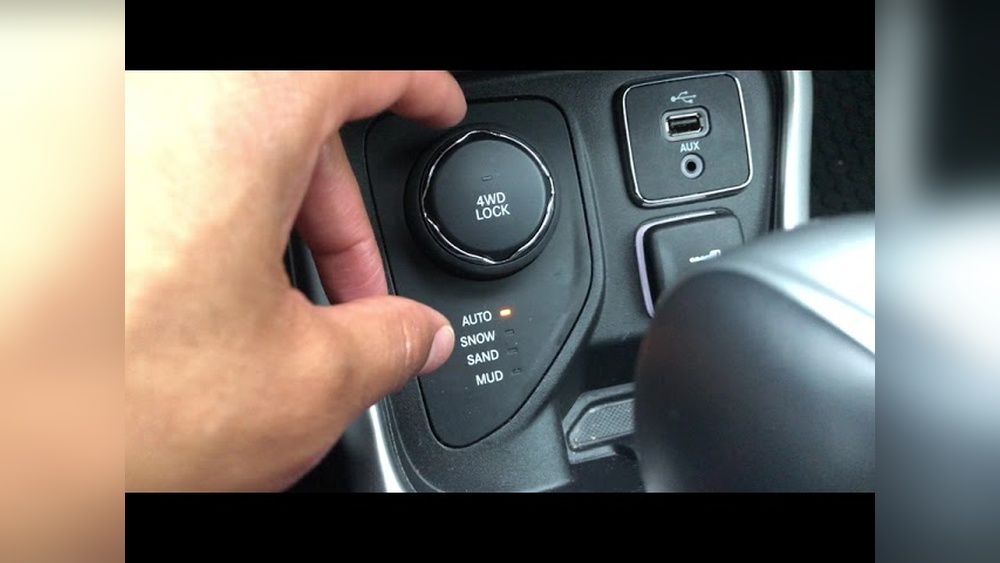
Selec-Terrain models let you choose the driving mode manually. Use the dial to switch between settings like Auto, Snow, Sand, or Mud. Each mode adjusts the throttle, transmission, and traction control. This helps you handle different road conditions safely and smoothly.
Full-time On-demand 4wd
This system runs in two-wheel drive most of the time to save fuel. It activates 4WD automatically when it detects wheel slip. The system sends power to all wheels as needed, improving grip on slippery roads. It returns to two-wheel drive once extra traction is no longer necessary.
Preparing For 4wd Engagement
Preparing your Jeep Compass for 4WD engagement is key to driving safely and effectively. Proper preparation helps the vehicle perform well and avoids damage. It also ensures you maintain control on rough or slippery surfaces. Follow these steps before switching to 4WD for the best results.
Choosing The Right Terrain
Select terrain that requires extra traction, such as mud, snow, or loose gravel. Avoid using 4WD on dry, paved roads to prevent drivetrain wear. Use 4WD when you feel the vehicle slipping or struggling to move forward. Knowing the right terrain helps you use 4WD only when needed.
Safety Precautions
Stop the vehicle completely before shifting to 4WD. Engage the parking brake to prevent rolling. Turn the transmission to Neutral if your model requires it. Check that all passengers are secure and alert before switching modes. These steps reduce risks and protect you and your vehicle.
Vehicle Positioning
Park on flat or gently sloped ground for better stability. Avoid sharp angles or uneven surfaces that can strain the drivetrain. Ensure tires have good contact with the ground. Proper positioning helps the 4WD system engage smoothly. It also improves traction and control once engaged.
Engaging 4wd Modes
Engaging the 4WD modes in your Jeep Compass improves traction and control. This feature helps you handle different road conditions like snow, mud, or sand. The vehicle offers easy ways to switch between 2WD and 4WD. Understanding how to use these controls ensures safer and smoother driving.
Jeep Compass models come with either a 4WD switch or a Selec-Terrain dial. Each method provides options for different driving needs. You can also find models with automatic or manual 4WD engagement. Here is how to use each method.
Using The 4wd Switch
To engage 4WD, pull the 4WD switch up once while driving. The system activates at any speed. An indicator light will show the mode is on. To disengage, pull the switch up again. This returns the system to automatic operation.
Operating The Selec-terrain Dial
Newer Jeep Compass models use the Selec-Terrain dial. Turn the dial to select modes like Auto, Snow, Sand, or Mud. Each setting adjusts the 4WD system for specific conditions. To turn off 4WD, simply return the dial to the Auto position.
For best results, come to a complete stop on level ground. Shift the transmission to Neutral before switching modes. Wait until the indicator light stops blinking and stays lit.
Manual Vs Automatic Engagement
Some Jeep Compass models have manual 4WD engagement. You control when to switch modes using the switch or dial. Other models use automatic 4WD. The system senses wheel spin and engages 4WD on its own.
Manual mode lets you prepare for rough terrain ahead. Automatic mode adjusts 4WD without driver input. Check your owner’s manual for details on your specific Jeep Compass trim.
Driving Tips In 4wd
Driving in 4WD mode with your Jeep Compass requires some care to ensure safety and vehicle performance. Understanding how to handle different terrains and control traction helps you get the most out of your 4WD system. Simple adjustments in speed and gear can make a big difference.
This section gives easy tips for driving your Jeep Compass in 4WD confidently and smoothly.
Handling Different Terrains
Each terrain needs a different approach. On mud or sand, use low speed to avoid getting stuck. On rocky surfaces, drive slowly and choose your path carefully to protect your tires and suspension. Snow and ice require gentle acceleration and braking to keep control. Adjust your steering to match the terrain’s challenge.
Managing Traction And Wheel Spin
Traction is key in 4WD. If wheels start spinning, ease off the gas pedal. This helps regain grip without losing momentum. Avoid sudden turns or sharp accelerations. Your Jeep Compass’s 4WD system helps distribute power evenly, but you must still drive smoothly to keep traction. Watch for slippery spots and adjust your speed accordingly.
Speed And Gear Recommendations
Keep your speed low in 4WD, especially on rough or slippery roads. High speeds can cause loss of control. Use lower gears to increase engine power and improve control on hills or tough terrain. Shifting early helps maintain steady power and reduces strain on the drivetrain. Always follow your Jeep’s manual for gear advice.
Disengaging 4wd
Disengaging 4WD in your Jeep Compass is a straightforward process. It helps improve fuel efficiency and reduces wear on drivetrain components. Knowing how and when to switch back to 2WD ensures smooth operation and better control.
Switching Back To 2wd
To switch back to 2WD, first bring the vehicle to a complete stop. Shift the transmission into Neutral (N). Then, use the 4WD control switch or dial to select 2WD or Auto mode, depending on your model. Wait for the indicator light to stop blinking and remain steady. This confirms the system has disengaged 4WD.
When To Disengage
Disengage 4WD when driving on dry pavement or smooth roads. Using 4WD on dry surfaces can cause unnecessary wear. Also, switch to 2WD to save fuel during regular driving conditions. Remember, 4WD is best for slippery or rough terrain.
Indicator Lights And Feedback
Your Jeep Compass shows 4WD status via dashboard lights. A blinking light means the system is engaging or disengaging. A solid light confirms the selected mode is active. Pay attention to these signals for safe and efficient driving.
Troubleshooting 4wd Issues
Troubleshooting 4WD issues in your Jeep Compass can save time and keep your vehicle running smoothly. Understanding the common problems helps you act quickly. Knowing when to seek professional help avoids costly repairs. Using the owner’s manual guides you through specific steps for your model.
Common Problems And Fixes
One common issue is the 4WD system not engaging. Check if the vehicle is in the correct gear and speed. Sometimes the 4WD switch or dial may be faulty. Reset the system by turning the engine off and on again.
Another problem is the 4WD warning light staying on. This could signal a sensor or electrical issue. Inspect fuses and wiring for damage. Dirt or debris might block sensors; clean them gently.
If the vehicle pulls to one side, the front and rear wheels may not be synchronized. Try driving in 2WD mode and then switching back to 4WD. This can recalibrate the system.
When To Seek Professional Help
Call a mechanic if the 4WD system remains unresponsive after basic checks. Strange noises during 4WD operation indicate mechanical problems. Vibration or difficulty steering can signal serious issues.
Do not ignore persistent warning lights or error codes. Professionals have diagnostic tools to find hidden faults. Early repairs prevent expensive damage to the drivetrain.
Using The Owner’s Manual
The Jeep Compass owner’s manual is a valuable resource. It explains the 4WD system and controls clearly. Follow the step-by-step instructions for engaging 4WD safely.
The manual lists error codes and their meanings. It also provides tips for troubleshooting specific to your model year. Keep it handy in the glove box for quick reference.
Additional Resources
Finding the right way to put your Jeep Compass into 4WD can be easier with extra help. Various resources offer clear instructions and tips. These guides help you understand your vehicle better and ensure safe driving in different conditions.
Using different types of resources makes learning simple. Videos, forums, and official support provide a complete picture. Each source offers unique insights to help you operate your Jeep Compass confidently.
Video Guides
Video tutorials show step-by-step processes to engage 4WD in your Jeep Compass. Watching these makes it easier to follow along. You see exactly where controls are and how to use them. Many videos come from trusted Jeep channels or experienced drivers. This visual aid simplifies learning and reduces mistakes.
Jeep Owner Forums
Owner forums are great places to ask questions and share experiences. Jeep Compass drivers discuss 4WD tips and common issues here. Reading forum posts helps you learn from real users. You get practical advice that manuals might not include. Forums build a community that supports your Jeep journey.
Official Jeep Support
Jeep’s official support offers reliable and accurate information. Their website has manuals, FAQs, and how-to articles. You can contact customer service for personalized help. Official support ensures you get correct details for your specific Jeep model. Trust this source for the safest and most up-to-date guidance.


Frequently Asked Questions
How Do I Turn On 4 Wheel Drive On My Jeep Compass?
To turn on 4-wheel drive in your Jeep Compass, pull the 4WD switch up once while driving. The indicator light will blink, then stay lit. For newer models with a Selec-Terrain dial, turn it from “Auto” to the desired mode.
Always check your owner’s manual.
Can You Switch To 4wd While Driving A Jeep Compass?
Yes, you can switch to 4WD while driving a Jeep Compass by pulling the 4WD switch once.
What Is The 4wd Lock On A Jeep Compass?
The 4WD lock on a Jeep Compass locks power evenly to all wheels. It enhances traction in slippery or off-road conditions. Activate it by pulling the switch or using the Selec-Terrain dial, depending on the model. Disengage to return to normal driving mode.
How Do I Put My Jeep Into 4 Wheel Drive?
To engage 4-wheel drive in your Jeep, shift to Neutral, then pull the 4WD switch up once and release it. Wait for the indicator light to stay on. For models with a Selec-Terrain dial, turn it to the desired 4WD mode.
Conclusion
Engaging 4WD in your Jeep Compass is simple and quick. Follow the steps carefully to ensure proper use. Always check your vehicle’s manual for model-specific instructions. Use 4WD in rough or slippery conditions for better control. Remember to switch back to 2WD on normal roads to save fuel.
Practice activating 4WD in a safe place before hitting tough terrain. Knowing how to use 4WD improves your driving safety and confidence. Stay prepared and enjoy your Jeep Compass adventures with ease.