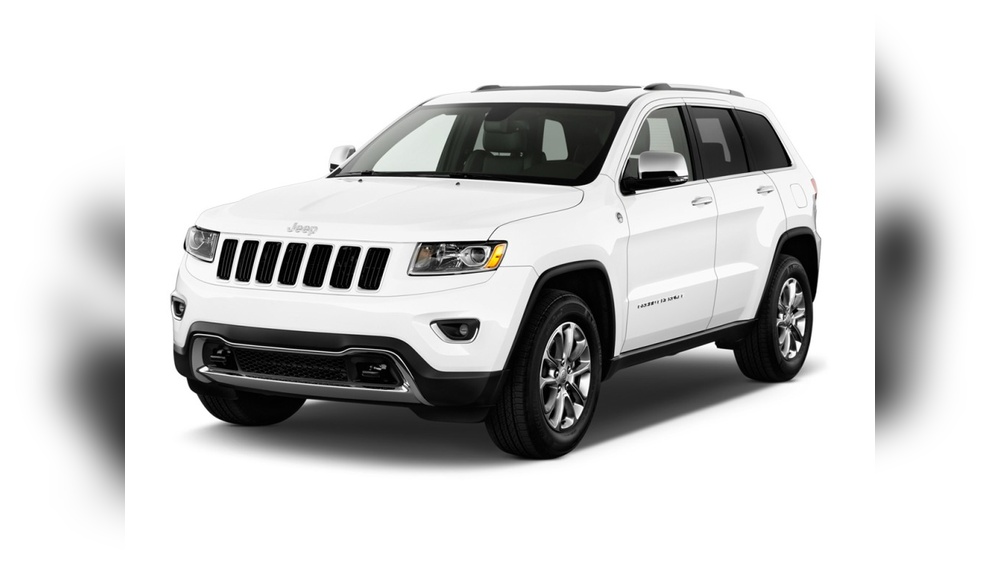
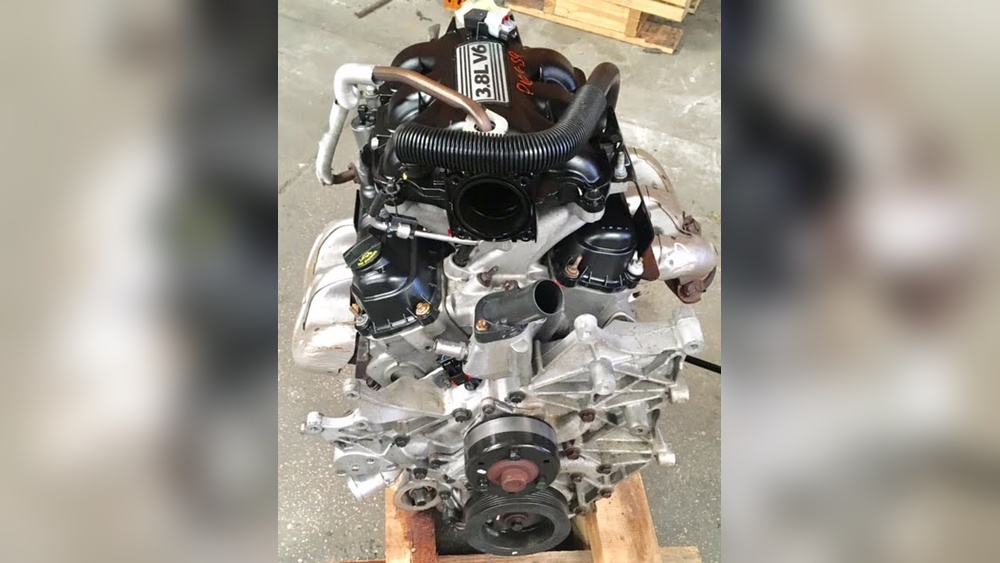
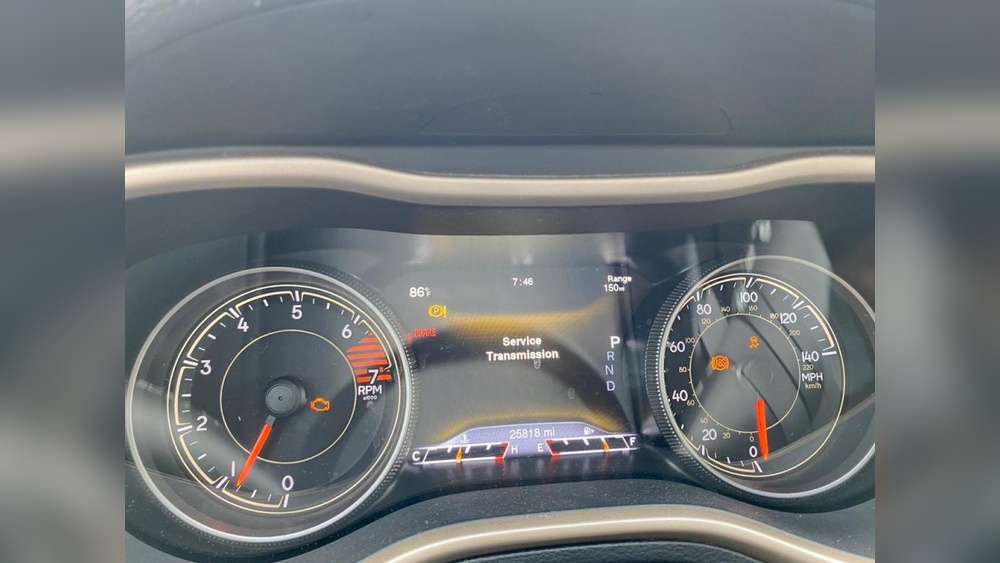
If you drive a Jeep and see the Service Transmission warning on your dashboard, it can be stressful. Many drivers worry this message means expensive repairs or immediate breakdowns.
But in most cases, the warning is a sign to check your transmission system soon. Understanding what triggers this alert, how to respond, and what common issues look like can save you time, money, and worry.
What Does “service Transmission” Mean?
The Service Transmission message is a built-in alert. It tells you there’s a problem with your Jeep’s transmission system. This system controls how your car shifts gears, drives, and responds to your commands. The warning usually appears when the computer detects something unusual—like slipping, overheating, or electrical faults.
Most newer Jeeps use an advanced transmission control module (TCM) to monitor everything. The TCM checks for errors and sends signals to the dashboard. When it finds a problem, it shows the warning to protect your vehicle.
Common Causes Of The Service Transmission Warning
Different issues can trigger the warning. Here are the most frequent reasons:
1. Low Transmission Fluid
If your fluid is low, the transmission can’t work correctly. Fluid lubricates gears and keeps temperatures down. Low fluid often causes slipping or delayed shifts.
2. Transmission Fluid Quality
Old, dirty, or burnt fluid loses its protective power. This can cause overheating and damage. Regular checks are important.
3. Electrical Issues
Faulty sensors, wiring, or connectors can confuse the TCM. Even a loose wire can trigger the warning.
4. Mechanical Problems
Broken gears, faulty solenoids, or worn-out clutch packs may cause trouble. Sometimes, a small part fails and the system reacts.
5. Overheating
Transmission overheating is a common trigger. Jeep transmissions often have built-in sensors to monitor temperature.
6. Software Glitches
Sometimes, a software bug in the TCM can send false signals. Updating the software can fix these errors.
Here’s a quick comparison of common causes:
| Cause | How It Shows | Typical Fix |
|---|---|---|
| Low Fluid | Slipping, delayed shifts | Refill or flush fluid |
| Electrical Fault | Warning light, rough shifting | Repair wiring/sensors |
| Mechanical Issue | Noisy, hard shifts | Replace parts |
| Overheating | Warning after long drive | Check cooling system |
| Software Bug | Random warnings | Update TCM software |
How To Respond When You See The Warning
Seeing the Service Transmission alert doesn’t mean you need to stop immediately. But acting fast can prevent bigger problems. Here’s what to do:
1. Pull Over Safely
If your Jeep feels strange (jerking, slipping, poor response), pull over when safe. Check for fluid leaks under the car.
2. Check Transmission Fluid
If you know how, check the fluid level and condition. Low or dirty fluid is a common cause. Top off if needed, but don’t overfill.
3. Restart Your Jeep
Sometimes, restarting resets the sensors. If the warning disappears, it may be a temporary glitch. If it returns, get it checked.
4. Schedule A Diagnostic Scan
Modern Jeeps have OBD-II ports. A mechanic can scan for error codes. These codes show what triggered the warning.
5. Drive Carefully
Avoid heavy towing, high speeds, or rapid gear changes. This reduces stress on the transmission.
6. Visit A Certified Jeep Dealer
For complex problems, visit a dealer. They have the right tools and parts. Ignoring the warning can lead to expensive repairs.
Jeep Transmission Service Intervals And Maintenance
Proper maintenance is key to avoiding transmission issues. Jeep recommends specific service intervals based on model and transmission type. Here’s a typical schedule for newer Jeeps:
| Mileage | Recommended Service | Estimated Cost |
|---|---|---|
| 30,000 miles | Fluid & filter change | $150–$250 |
| 60,000 miles | Check for leaks, inspect sensors | $75–$150 |
| 90,000 miles | Full transmission inspection | $250–$500 |
| 120,000 miles | Flush fluid, replace worn parts | $300–$700 |
These are average costs for US dealerships. Prices may vary by location and model.

Non-obvious Insights And Expert Tips
Many Jeep owners miss these key points:
- Transmission fluid isn’t universal. Jeeps require specific types. Using the wrong fluid can cause major problems.
- Extreme temperatures affect transmission health. Hot climates or frequent towing increase risk. If you drive in tough conditions, check fluid more often.
- Ignoring early warnings leads to bigger issues. Many drivers wait until shifting problems appear. By then, repairs are often more expensive.
If you notice small changes—such as rough shifting, noises, or slow response—get your Jeep checked early.
Can I Fix It Myself?
Some basic fixes are possible, but transmission repair needs skill. Here’s what you can do:
- Check and refill fluid
- Inspect for leaks
- Read error codes with a scanner
If the problem is electrical or mechanical, professional help is best. DIY repairs can void your warranty or cause more damage.

When Should You Worry?
If your Jeep shows the warning and you experience:
- Loss of power
- Strange noises
- Burning smell
- Gear slipping or not shifting
Get immediate help. These signs mean a serious issue.
Preventing Transmission Problems
Here are proven ways to keep your Jeep’s transmission healthy:
- Follow service intervals
- Use the right fluid
- Avoid towing heavy loads unless your Jeep is designed for it
- Drive gently, especially in extreme weather
- Fix leaks or warning lights quickly
For more details on vehicle maintenance, the National Highway Traffic Safety Administration offers useful guides.