Every Jeep owner knows the thrill of driving off-road, but many also face a common headache—rusted frames. If you own a Jeep or plan to buy one, you might wonder why Jeep frames rust so often, even more than some other vehicles.
This article uncovers the real reasons behind Jeep frame rust, shares practical tips, and gives you clear facts to help you protect your ride.
Why Are Jeep Frames Prone To Rust?
Jeep frames are built for adventure. They’re designed for dirt, mud, rain, and winter roads. But this tough use exposes the frame to moisture and road salt, leading to rust.
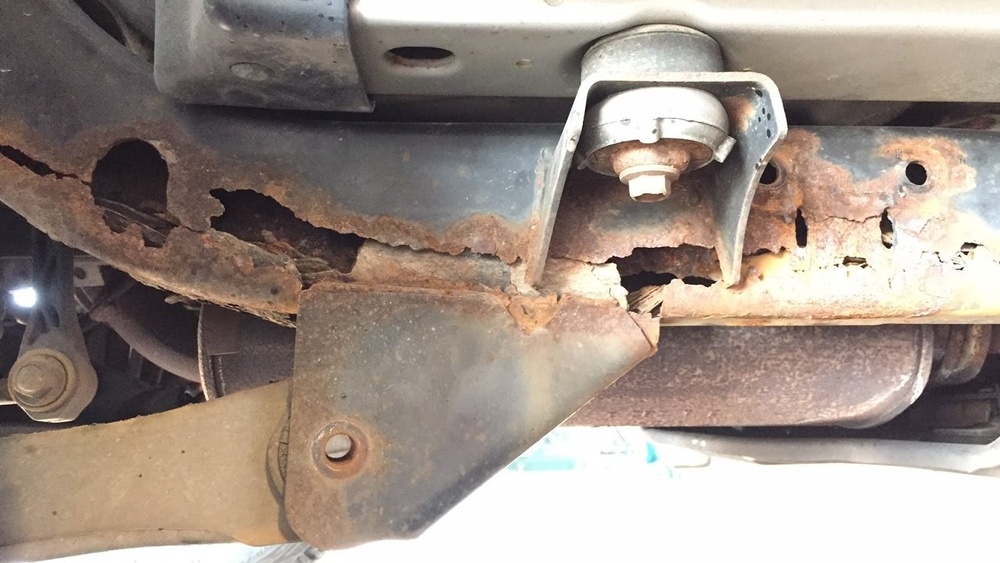
Design And Material Choices
Most Jeep frames are made from steel. Steel is strong but not naturally resistant to rust. Jeep frames have open areas where water and mud can get trapped. Unlike some cars with closed body designs, Jeeps feature exposed parts, especially under the vehicle.
Environmental Exposure
Jeeps are popular in areas with harsh winters. Road salt, used to melt ice, speeds up rusting. According to the National Highway Traffic Safety Administration (NHTSA), vehicles in snowy states have a 60% higher chance of frame corrosion than those in warm regions. Many Jeep owners drive through rivers, muddy trails, and sandy beaches, increasing exposure to moisture.
Factory Coatings And Their Limits
Jeep frames come with factory coatings to protect against rust. However, these coatings are often thin, and off-road use can wear them away quickly. Scratches from rocks or debris leave bare metal exposed to the elements.
Key Factors That Cause Jeep Frame Rust
Understanding the causes helps you prevent damage. Here’s what matters most:
- Road Salt: Salt sticks to the frame and speeds up corrosion.
- Mud and Dirt: Mud packs under the frame, trapping moisture.
- Water Exposure: Driving through deep water or heavy rain increases risk.
- Poor Drainage: Jeep frames often lack proper drainage holes, causing water to stay trapped.
- Age: Older Jeeps have worn coatings and more rust.
| Factor | Impact on Rust | Common Jeep Models Affected |
|---|---|---|
| Road Salt | High | Wrangler, Cherokee |
| Mud/Dirt | Moderate | Wrangler, Gladiator |
| Water Exposure | High | All models |
| Poor Drainage | High | Wrangler |
| Age | Very High | Older models |
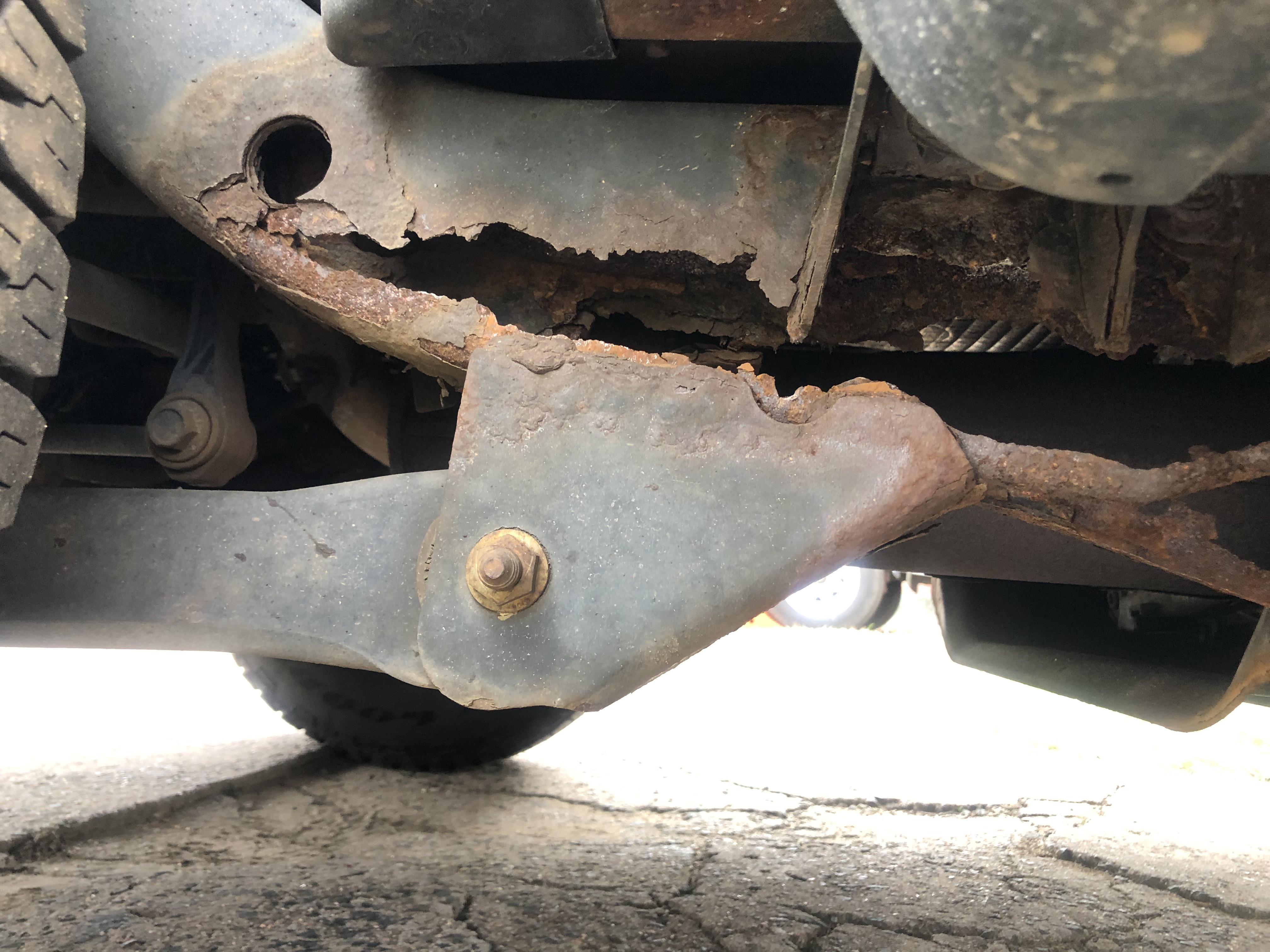
How Jeep Frame Rust Affects Performance And Safety
Rust is not just ugly—it’s dangerous. It can weaken the frame, leading to structural issues. In severe cases, rust causes cracks or holes in the frame, making the vehicle unsafe.
Real-world Example
A 2014 Jeep Wrangler owner in Michigan reported that rust holes appeared after just five winters. The frame rusted so badly, the vehicle failed safety inspection. This is not rare—Jeep forums and repair shops often see similar cases.
Repair Costs
Fixing Jeep frame rust is expensive. Welding repairs can cost $1,500–$3,000. Replacing the frame may cost over $5,000. Early prevention is much cheaper.
| Repair Type | Estimated Cost | Effectiveness |
|---|---|---|
| Welding patches | $1,500–$3,000 | Temporary |
| Frame replacement | $5,000+ | Permanent |
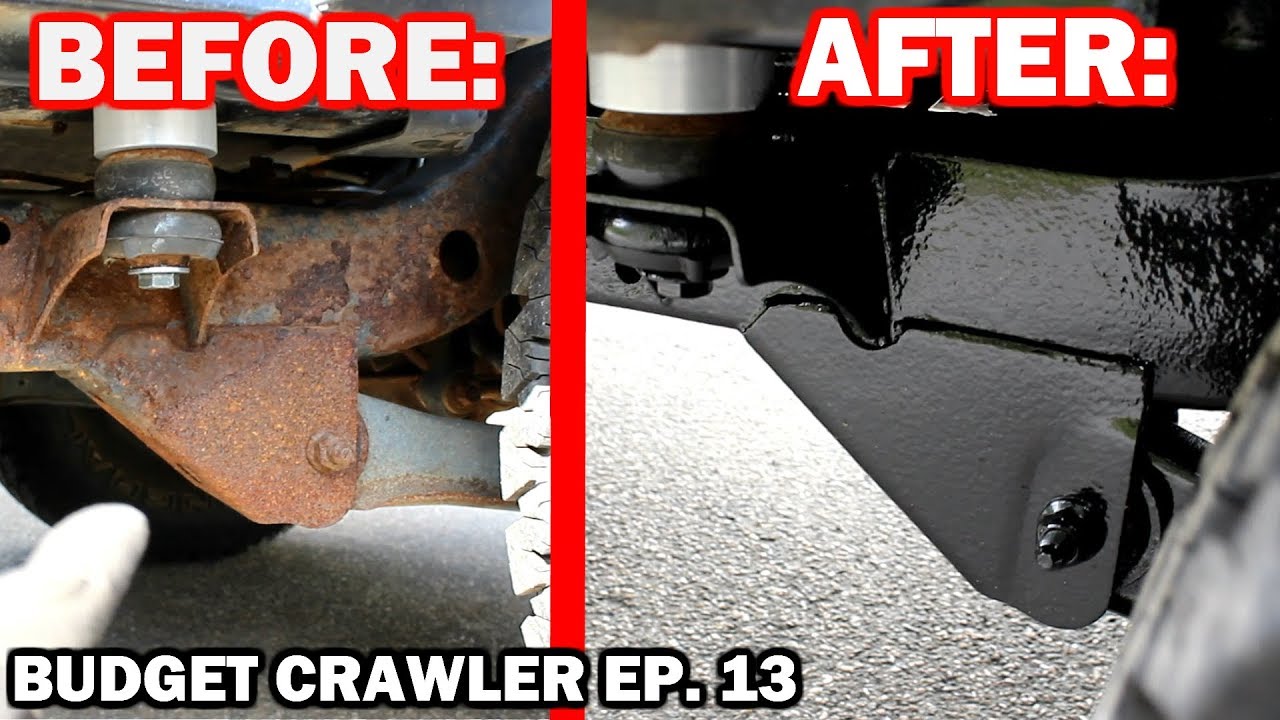
| Rust converter application | $100–$300 | Good for surface rust |
Tips To Prevent Jeep Frame Rust
Preventing rust is easier than fixing it. Here are practical ways to protect your Jeep:
- Wash your Jeep regularly, especially after driving on salted roads.
- Clean the undercarriage with high-pressure water to remove mud and salt.
- Apply rust-proofing sprays or coatings every year.
- Check for chips and scratches, then touch them up quickly.
- Install proper drainage holes if your model doesn’t have them.
- Avoid parking on wet grass or dirt for long periods.
One smart move many beginners miss: always check the frame after off-roading. Small scratches or dents can start rust. Catching them early saves money.
Jeep Models Most Affected By Rust
Some Jeep models rust more than others. Older Wranglers (especially 1997–2006 TJ and 2007–2018 JK models) are famous for rust issues. Newer models use better coatings, but the problem still exists.
| Model | Year Range | Rust Risk |
|---|---|---|
| Wrangler TJ | 1997–2006 | Very High |
| Wrangler JK | 2007–2018 | High |
| Cherokee XJ | 1984–2001 | High |
| Gladiator | 2020–present | Moderate |
Why Do Other Vehicles Rust Less?
Some SUVs and trucks use aluminum or have thicker coatings, which resist rust. Jeep’s open frame design and active off-road use make it more vulnerable. For example, the Toyota 4Runner uses closed frame rails and more rust-resistant metals, so it rusts less in similar conditions.
If you want to learn more about vehicle rust, check out this resource: Wikipedia.
Frequently Asked Questions
How Can I Tell If My Jeep Frame Has Rust?
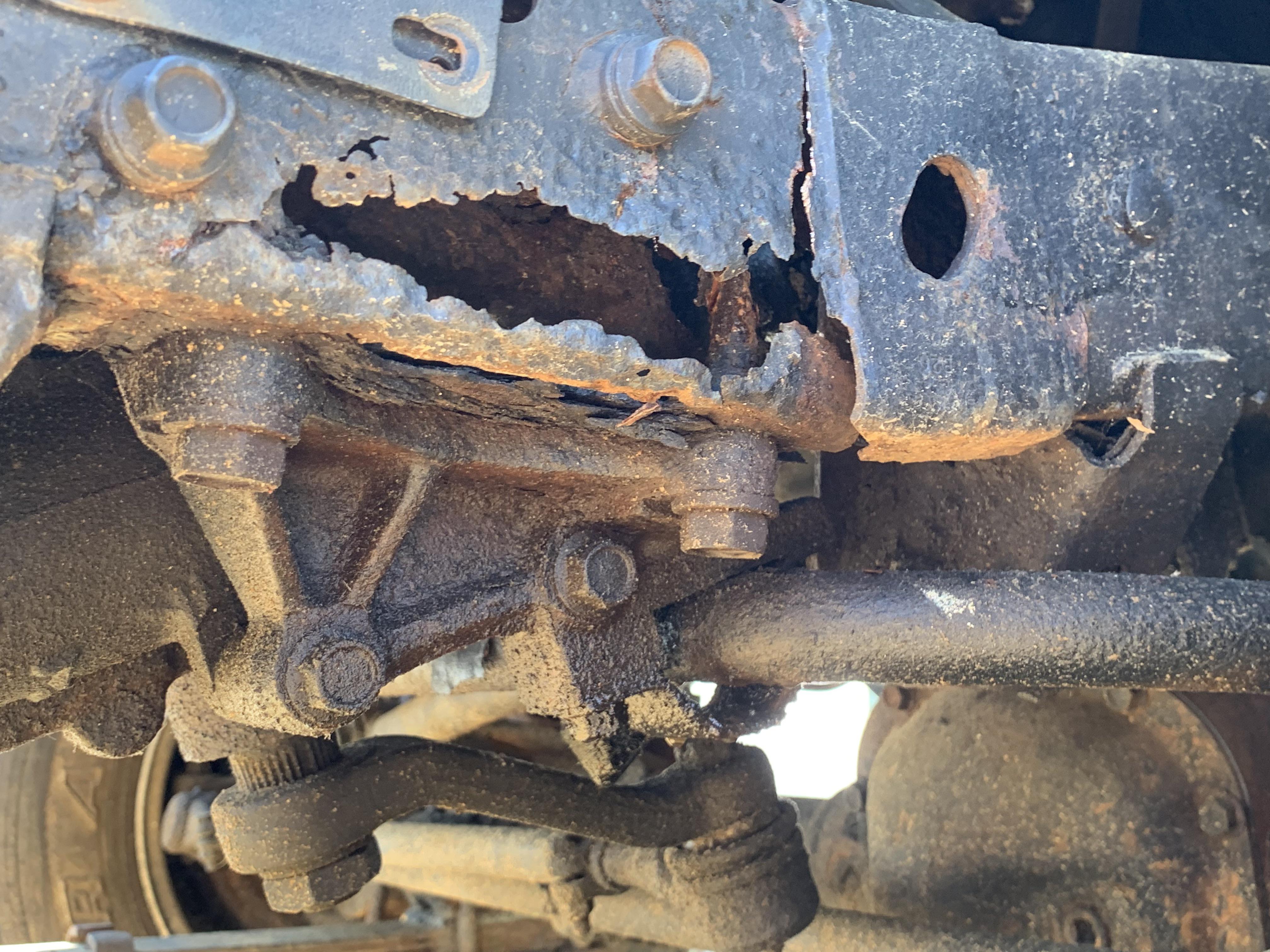
Look for brown spots, flakes, or holes under the vehicle. Tap with a hammer—if the metal sounds hollow or breaks, rust has weakened it.
Is Frame Rust Covered Under Jeep’s Warranty?
Most Jeep warranties do not cover frame rust after the first few years. Always check your policy for details.
Can Rust Be Stopped Once It Starts?
Surface rust can be treated with rust converters and coatings. Deep rust often needs welding or replacement.
Is It Safe To Drive A Jeep With A Rusted Frame?
Minor rust is not dangerous, but severe frame rust can cause parts to break. Get your Jeep inspected if you see big holes or cracks.
What’s The Best Way To Prevent Jeep Frame Rust?
Wash your Jeep often, apply rust-proofing, and check for damage after off-roading. Early action makes a big difference.
Jeep frames rust because of steel construction, open designs, and tough environments. Knowing the risks and taking simple steps can keep your Jeep strong for years. Don’t let rust ruin your adventures—protect your frame and enjoy the ride.