When you own a Jeep Wrangler 3. 6L, regular oil changes are key to keeping the engine healthy and reliable.
But one simple question often causes confusion: how much oil does your Jeep Wrangler 3. 6 really need?
Using the wrong amount can lead to engine problems, poor performance, or even damage. This guide explains the correct oil capacity, the right oil type, and offers practical advice for anyone planning to change their own oil or simply wants to understand their vehicle better.
Jeep Wrangler 3.6l Oil Capacity
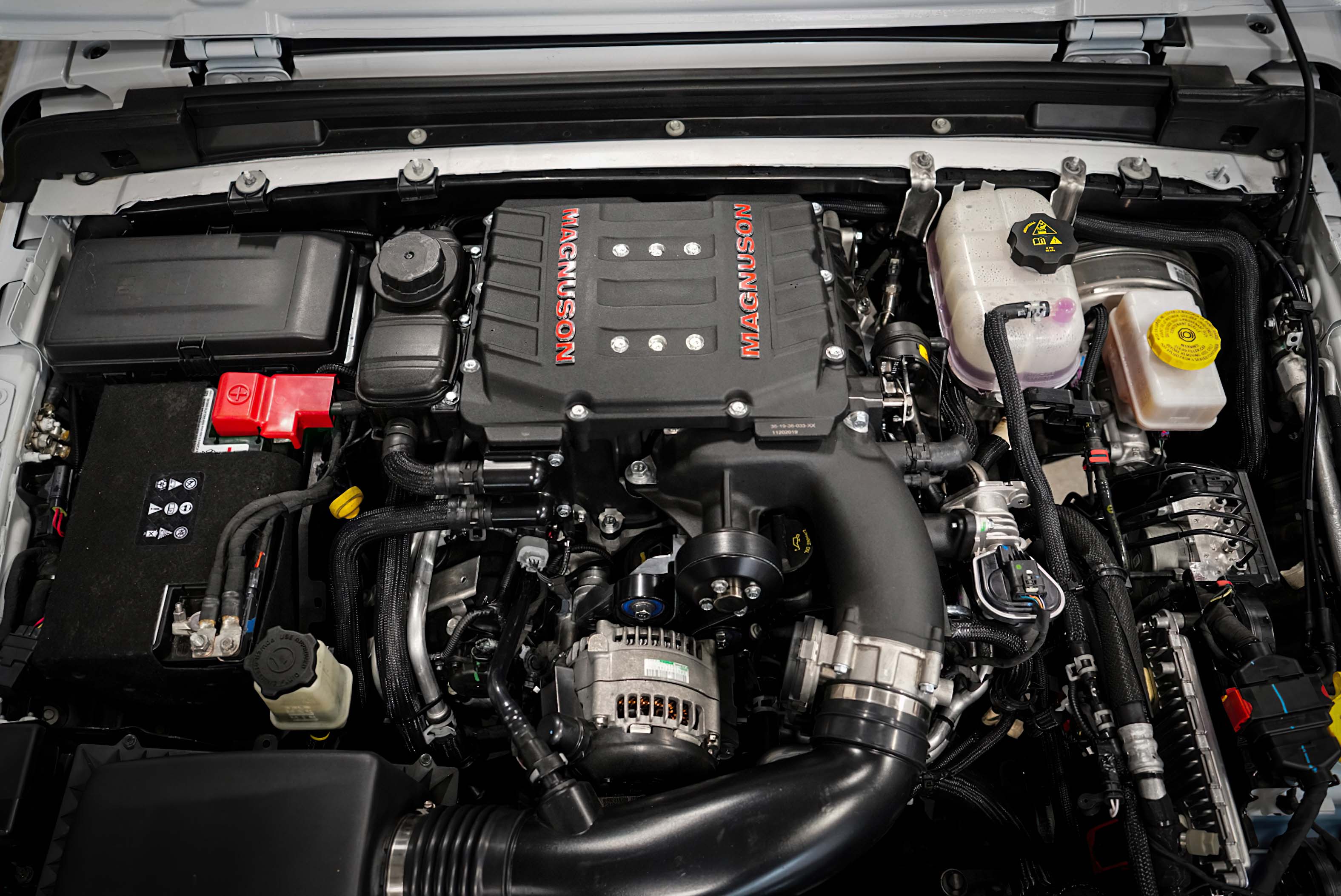
The most common oil capacity for the Jeep Wrangler 3.6L V6 (often called the Pentastar engine) is 5 quarts with a new oil filter. This applies to most models from 2012 onwards, including the Wrangler JK and JL.
Some owners notice their manual or service guide lists a slightly higher number, like 6 quarts. Here’s why: the total engine fill (called “dry fill”) is higher, but a normal oil change with filter replacement requires only 5 quarts. Overfilling can cause leaks or pressure problems.
Typical Oil Capacity By Year
Here’s a quick reference for common Jeep Wrangler 3.6L models:
| Model Year | Engine | Oil Capacity (with filter) |
|---|---|---|
| 2012-2018 (JK) | 3.6L Pentastar V6 | 5 quarts |
| 2018-present (JL) | 3.6L Pentastar V6 | 5 quarts |
Most mechanics recommend adding about 4.7 quarts, then checking the dipstick after running the engine for a few minutes, and topping up if needed.
Best Oil Type For Jeep Wrangler 3.6
Choosing the right oil type is just as important as using the correct amount. Jeep recommends SAE 5W-20 full synthetic oil for the 3.6L engine. Synthetic oil handles high heat and cold better, keeps the engine clean, and helps with fuel efficiency.
Popular Oil Brands
- Mopar (official Jeep brand)
- Mobil 1
- Pennzoil
- Castrol
Always check your owner’s manual to confirm the oil grade, especially if you drive in extreme temperatures.
How To Change Oil In Jeep Wrangler 3.6
Changing your own oil can save money and help you know your Jeep better. Here’s a quick step-by-step overview:
- Warm up the engine for a few minutes. This helps old oil drain out.
- Turn off the engine and raise the Jeep safely with ramps or jack stands.
- Place a pan under the oil drain plug (under the engine).
- Remove the drain plug and let the oil drain out (about 10-15 minutes).
- Replace the drain plug and tighten it securely.
- Remove the oil filter (usually near the front of the engine). Some oil will drip out.
- Install a new oil filter. Lubricate the new filter’s rubber gasket with a bit of clean oil.
- Pour in 4.7 quarts of fresh oil. Wait a few minutes and check the dipstick. Add oil until you reach the “FULL” mark (should be about 5 quarts total).
- Start the engine, let it run for a minute, then shut it off and check for leaks.
- Re-check the oil level after 5-10 minutes. Top up if needed.
Tools You’ll Need
- Socket wrench (for drain plug)
- Oil filter wrench
- Oil drain pan
- Funnel
- 5 quarts of 5W-20 synthetic oil
- New oil filter
Why Oil Capacity Matters
Adding too much oil can cause foaming, leaks, and damage sensors. Too little oil means poor lubrication and risk of overheating. Both are bad for your engine.
A common mistake is forgetting to check the oil level after the first start-up. Because the new oil filter takes in some oil, you may need to add a little more after the engine has circulated the oil.
Oil Change Intervals For Jeep Wrangler 3.6
Jeep recommends changing the oil every 6,000 miles or 6 months, whichever comes first, under normal driving conditions. If you drive off-road, tow, or make short trips often, change it more frequently (every 3,000–5,000 miles).
This helps remove dirt, metal shavings, and sludge that can build up in the engine over time.
Quick Comparison: Oil Capacity Vs. Other Engines
How Does The Wrangler 3.6l Compare To Other Jeep Engines?
| Engine | Oil Capacity | Recommended Oil |
|---|---|---|
| 3.6L Pentastar V6 | 5 quarts | 5W-20 |
| 2.0L Turbo I4 | 5 quarts | 5W-30 |
| 3.0L EcoDiesel V6 | 9 quarts | 5W-40 |
Notice that diesel engines need much more oil than the 3. 6L gas engine.
Common Oil Change Mistakes
- Overfilling the oil pan—leads to leaks and engine damage.
- Underfilling—engine runs hot and wears out faster.
- Using wrong oil type—can void your warranty and cause engine noise.
- Not changing the oil filter—old filter can block new oil.
- Forgetting to tighten the drain plug or oil filter—can cause oil leaks.
A non-obvious tip: always check for two oil drain plugs. Some Jeep Wrangler models have an extra plug for the transmission or differentials—make sure you open the correct one.
Signs Your Jeep Needs An Oil Change
Sometimes, the oil change interval isn’t enough. Watch for these warning signs:
- Engine oil light turns on
- Engine sounds louder than usual
- Dark, dirty oil on the dipstick
- Smell of burning oil
If you see these, change the oil as soon as possible.
Where To Find Reliable Oil Specs
Always check your owner’s manual for the latest information. If you don’t have a manual, the official Jeep site or trusted auto sources like the Edmunds Jeep Wrangler Specs page are helpful.
Frequently Asked Questions
How Much Oil Does A Jeep Wrangler 3.6 Take With Filter?
A Jeep Wrangler 3.6L typically needs 5 quarts of oil with a new filter. Always check the dipstick after adding oil.
What Happens If I Overfill The Oil?
Overfilling can cause oil to foam, which reduces lubrication. It may also create leaks, damage sensors, or make the engine run poorly.
Can I Use 5w-30 Instead Of 5w-20?
Jeep recommends 5W-20 for the 3.6L. Using a different grade may affect engine performance, especially during warranty.
How Often Should I Change The Oil In My Jeep Wrangler 3.6?
Change the oil every 6,000 miles or 6 months for normal driving. Change more often for heavy use or off-roading.
Is Synthetic Oil Better For Jeep Wrangler 3.6?
Yes, full synthetic oil is best. It protects the engine, keeps it clean, and performs well in hot or cold weather.
Taking care of your Jeep’s engine with the right oil and regular changes helps your Wrangler stay strong for years. If in doubt, consult a trusted mechanic or your owner’s manual.