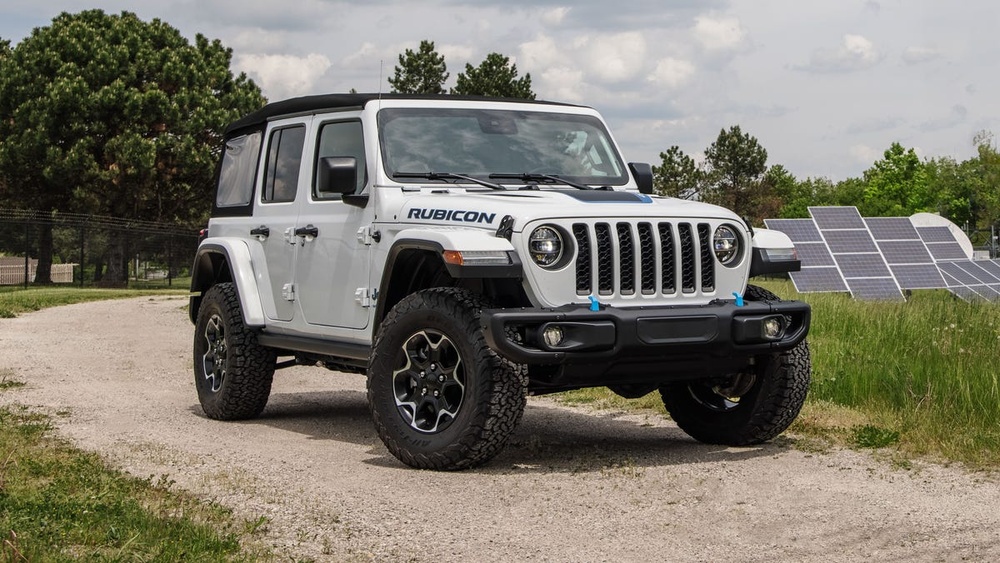
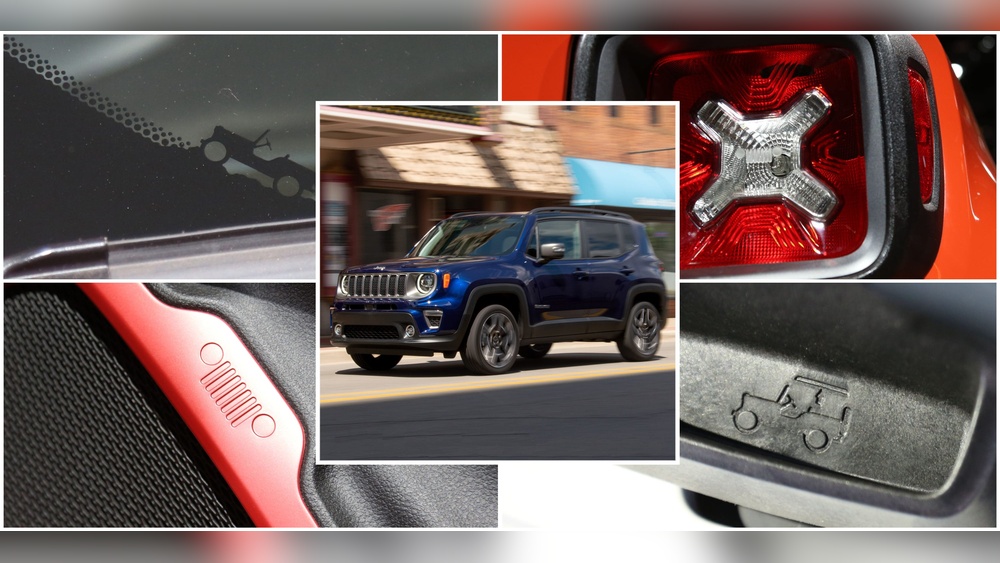
The Jeep Compass is a compact SUV that has seen several updates since its launch. Many car buyers wonder when this popular model changed its body style, and what those changes meant for driving, design, and features.
Understanding these shifts helps buyers make smarter choices and gives a clear view of the Compass’s evolution over time.
Jeep Compass Body Style Timeline
The Jeep Compass was first introduced in 2006 for the 2007 model year. Its body style and design have changed notably since then. The most significant change happened in 2017, marking the transition from the first generation to the second generation.
First Generation (2007–2016)
The original Jeep Compass had a unique look for its time. It featured:
- Rounded front edges
- Vertical grille slots
- High roofline
This version stood out but received mixed reviews for its styling. The interior was basic, and the SUV was more focused on affordability than refinement.
Second Generation (2017–present)
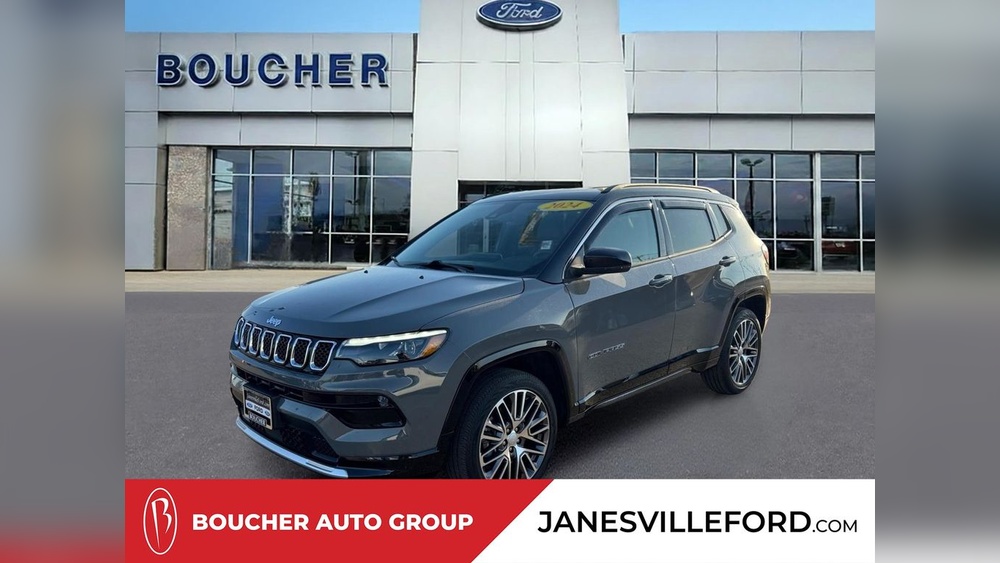
In 2017, Jeep launched a completely redesigned Compass. The new body style shifted towards a more modern, premium look. It adopted several design cues from the larger Grand Cherokee, such as:
- Sleeker headlights
- Aggressive front fascia
- Sculpted sides
The second generation also improved on interior quality and technology.
| Generation | Model Years | Body Style Features |
|---|---|---|
| First | 2007–2016 | Boxy shape, basic interior, round headlights |
| Second | 2017–Present | Sleeker lines, premium look, advanced tech |
Key Differences Between Generations
The shift in body style was more than just a cosmetic update. It brought several practical changes that affected how the Jeep Compass performs and feels.
Exterior Upgrades
The second-generation Compass features a lower, wider stance. It looks sportier and fits in better with modern SUVs. The headlights are narrower, and the grille is more integrated. The overall shape is more aerodynamic, which improves fuel efficiency.
Interior Improvements
Inside, Jeep used better materials and added more technology. The dashboard now includes a touchscreen, and the seats are more comfortable. There is more space for passengers, especially in the back.
Performance Changes
While the engines remained similar, the new body style helped the Compass handle better. The suspension was upgraded, and the SUV feels more stable on the road.
| Feature | First Generation | Second Generation |
|---|---|---|
| Headlights | Round, basic | Sleek, LED options |
| Interior | Plastic, simple | Soft-touch, touchscreen |
| Handling | Basic suspension | Improved ride, stability |
| Technology | Limited | Advanced infotainment |

Why The 2017 Change Was Important
Changing the body style in 2017 was a strategic move for Jeep. The SUV market was becoming more competitive, and buyers wanted modern looks and more comfort. The Compass had to appeal to both city drivers and off-road fans.
Two insights beginners often miss:
- The redesign also made the Compass safer. The new body style allowed for better crash protection and more advanced safety features.
- The change improved resale value. Second-generation Compass models hold their value better because of their updated design and features.
Practical Tips For Buyers
If you are shopping for a Jeep Compass, it’s useful to know which body style suits your needs.
- The first-generation Compass is cheaper but feels older. If you want basic transportation, it can be a good deal.
- The second-generation Compass offers better technology and comfort. It’s a smarter choice for long-term use.
Look for the 2017 model year or newer if you want the new body style. Some dealers may use old photos, so always check the VIN or see the car in person.
| Model Year | Body Style | Best For |
|---|---|---|
| 2007–2016 | First Generation | Budget buyers, basic needs |
| 2017–Present | Second Generation | Modern features, comfort |
Common Mistakes When Buying Used Compass
Many buyers overlook these points:
- Confusing facelift with full redesign – Some models had minor updates but not a full body change.
- Not checking model year – Always confirm the year to know which body style you’re getting.
- Ignoring interior photos – The new Compass has a much nicer interior; photos can reveal the difference.
How The Compass Compares To Rivals
After its redesign, the Compass began to compete better with other compact SUVs like the Toyota RAV4, Honda CR-V, and Ford Escape. The newer body style made it more attractive to buyers who wanted both style and performance.
For more details on Jeep Compass history and updates, visit the Wikipedia page.
Frequently Asked Questions
When Did The Jeep Compass Change Its Body Style?
The Jeep Compass changed its body style in 2017. This marked the start of the second generation with a new design and improved features.
How Can I Tell Which Body Style My Compass Has?
Check the model year. If your Compass is 2017 or newer, it has the new body style. The exterior is sleeker, and the interior is more modern.
Did The Compass Get Any Updates After 2017?
Yes, the Compass received minor updates, such as new colors and technology, but the major body style change happened in 2017.
Is The New Body Style Safer?
The second-generation Compass is safer. It has more advanced safety features and better crash protection than the older model.
Which Body Style Is Better For Resale Value?
The newer body style (2017–present) holds its value better. Buyers prefer its modern look and features, making it a smarter investment.
The Jeep Compass has come a long way since its first release. The 2017 redesign made it a modern, competitive SUV that appeals to a wider audience. If you are considering a Compass, knowing the body style changes helps you pick the model that fits your needs best.