When your Jeep starts feeling sluggish, it’s more than just an annoyance. It can make driving less fun and even dangerous if you need quick acceleration. Many Jeep owners notice their vehicle losing power, especially when climbing hills, merging onto highways, or even just during regular driving.
This problem is common in older Jeeps but can happen in newer ones, too. If you’re wondering why your Jeep feels sluggish, there are several possible reasons, from simple fixes to more serious mechanical issues.
Common Reasons Your Jeep Feels Sluggish
A sluggish Jeep can be caused by many factors. Here are the most frequent culprits:
1. Clogged Air Filter
A clogged air filter blocks the engine from getting enough air. Engines need oxygen to burn fuel efficiently. When the filter is dirty, your engine struggles, leading to poor acceleration.
2. Dirty Fuel Injectors
Fuel injectors spray gasoline into the engine. Over time, they can get clogged by dirt or old fuel, causing uneven fuel delivery. This results in rough idling and slow acceleration.
3. Worn Spark Plugs
Spark plugs ignite the fuel inside your engine. If they are old or dirty, the ignition is weak. This can make your Jeep feel slow and less responsive.
4. Transmission Problems
A slipping or failing transmission can make your Jeep feel like it’s not shifting gears correctly. You might notice hesitation, slow response, or even a whining noise.
5. Failing Sensors
Modern Jeeps have many sensors, like the oxygen sensor and mass airflow sensor. When these fail, they send wrong information to your engine, causing it to run poorly.
6. Bad Fuel Or Low Octane
Using low-quality fuel or the wrong octane can make your Jeep less powerful. Poor fuel doesn’t burn as well, so you get less energy.
7. Exhaust Restrictions
A clogged catalytic converter or exhaust pipe blocks the flow of exhaust gases. This makes it hard for the engine to “breathe out,” slowing down performance.
8. Tire And Wheel Issues
Under-inflated tires or heavy aftermarket wheels can make your Jeep work harder. This is a common reason for sluggishness that’s easy to miss.
9. Heavy Loads Or Add-ons
Carrying extra weight (like roof racks, winches, or camping gear) reduces acceleration. Many Jeep owners forget how much these add-ons can slow down their vehicle.
10. Old Or Low-quality Oil
Engine oil helps reduce friction. If it’s old or the wrong type, your engine works harder and loses power.
Diagnosing Sluggish Performance
Finding the cause of sluggishness requires a bit of detective work. Here’s how you can start:
| Symptom | Possible Cause | DIY Check |
|---|---|---|
| Slow acceleration | Air filter, spark plugs, fuel injectors | Inspect filter, check spark plug color |
| Rough idle | Dirty injectors, bad fuel, sensors | Listen for uneven engine sound |
| Transmission slipping | Transmission fluid low or dirty | Check fluid level and color |
| Check engine light | Sensors, exhaust, injectors | Read error codes with scanner |
If you notice any of these signs, start with the easiest checks first. Replacing an air filter or spark plugs is often simple and inexpensive. For deeper issues like sensors or transmission problems, professional help may be needed.
How Driving Habits And Environment Affect Performance
Your driving habits and environment can make a big difference. If you mostly drive in stop-and-go traffic or make many short trips, the engine may not reach its best temperature. This can cause carbon buildup and sluggishness.
Extreme weather (hot or cold) can also impact how your Jeep feels. In cold weather, oil thickens, and batteries work harder. In hot weather, engines can overheat if cooling systems are weak.
If you do a lot of off-roading, mud and debris can clog parts like the air filter or exhaust. Regular cleaning and maintenance are extra important in these conditions.
Comparing Key Performance Factors
Here’s a quick look at how different issues compare in how much they affect your Jeep’s speed and acceleration:
| Issue | Impact on Performance | Estimated Repair Cost |
|---|---|---|
| Clogged air filter | Moderate | $20 – $40 |
| Spark plugs | Moderate to high | $40 – $100 |
| Transmission | High | $300 – $2,000 |
| Exhaust restriction | High | $200 – $1,000 |
| Fuel injector cleaning | Low to moderate | $60 – $150 |
Two Insights Most Jeep Owners Miss
- Weight matters more than you think. Even a few hundred extra pounds from gear or passengers can make a Jeep feel much slower, especially with smaller engines.
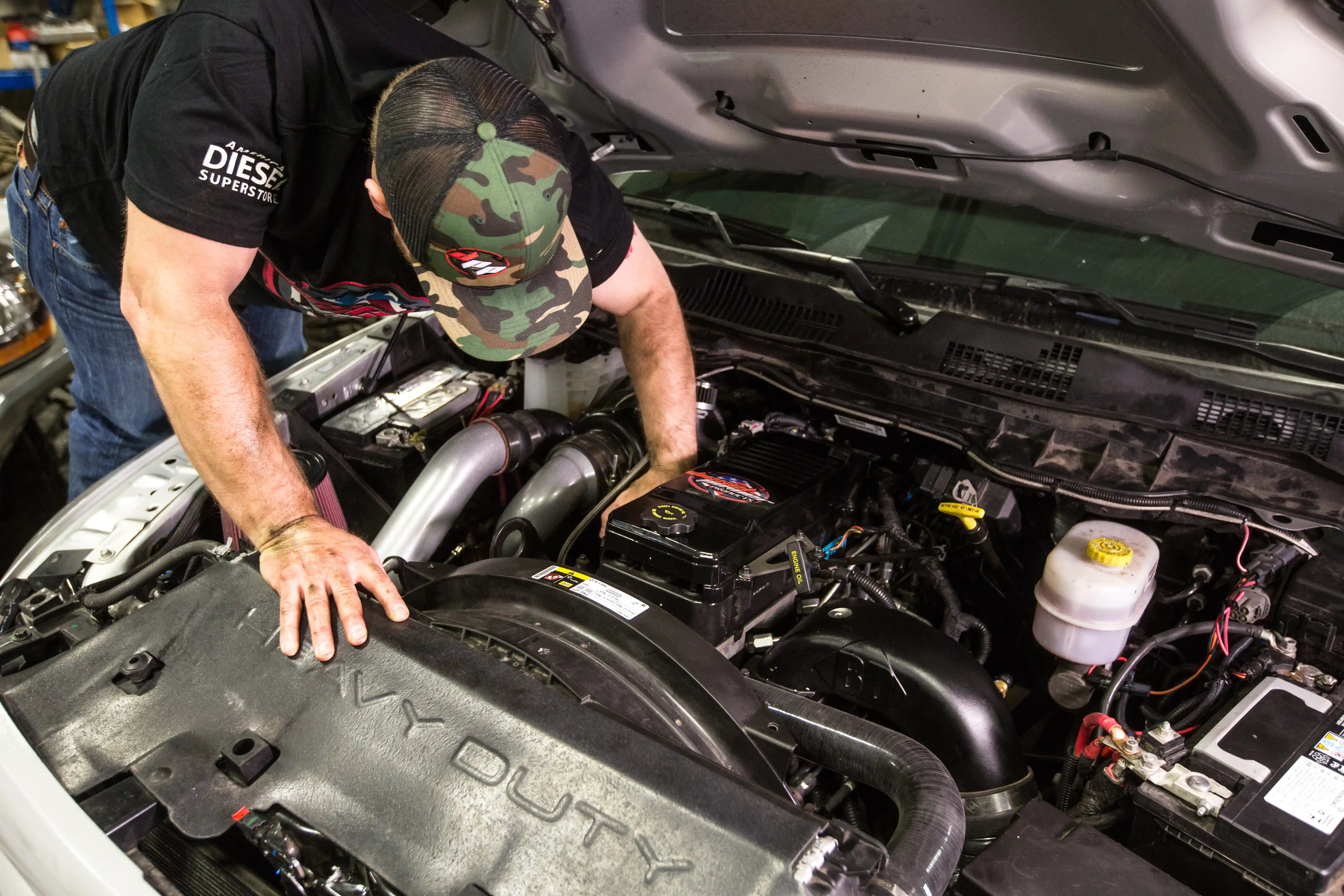
- Modern sensors rarely fail at once. Often, a sluggish Jeep has a sensor that is just slightly off, not fully broken. This can make diagnosis tricky because there’s no warning light. Using a scan tool to check “live data” can catch these small problems early.
Preventing Future Sluggishness
Regular maintenance is the key. Here’s what you should do:
- Replace the air filter every 12,000–15,000 miles.
- Change spark plugs every 30,000–60,000 miles.
- Use the correct grade of fuel and oil.
- Keep tires properly inflated.
- Clean or replace fuel injectors as needed.
- Don’t overload your Jeep with unnecessary gear.
Also, try to drive your Jeep on the highway sometimes. Short trips and city driving can cause more buildup inside the engine.
If you want more tips on Jeep maintenance, the official Jeep Life page offers helpful advice from the manufacturer.
Frequently Asked Questions
Why Does My Jeep Hesitate When I Press The Gas Pedal?
A common reason is a dirty throttle body or clogged fuel injectors. If these parts are not clean, fuel and air can’t mix well, causing hesitation.
Can Bad Gas Make My Jeep Sluggish?
Yes. Low-quality or old fuel can reduce engine power and cause slow acceleration. Always buy fuel from trusted stations and use the recommended octane.
How Often Should I Change My Air Filter?
Most experts recommend changing the air filter every 12,000–15,000 miles. If you drive off-road or in dusty areas, you should check and replace it more often.
Will Adding Bigger Tires Slow My Jeep Down?
Absolutely. Bigger or heavier tires require more energy to move. This can make your Jeep accelerate more slowly and use more fuel.
My Jeep Feels Sluggish But No Warning Lights Are On. What Should I Do?
Start with basic checks: air filter, spark plugs, and tire pressure. If those are fine, use a scan tool to check for hidden sensor issues or visit a trusted mechanic.
Feeling your Jeep become sluggish is frustrating, but most causes are easy to check and fix. Staying on top of maintenance and paying attention to small changes can keep your Jeep running strong for years to come. If simple fixes don’t help, don’t wait—get a professional diagnosis to protect your investment and enjoy every drive.