—
meta title: How Long Can A Jeep Cherokee Last? Real Lifespan, Mileage & Ownership Costs
meta description: Discover how long a Jeep Cherokee can last, average mileage, key factors for longevity, real owner experiences, maintenance tips, and common problems explained simply.
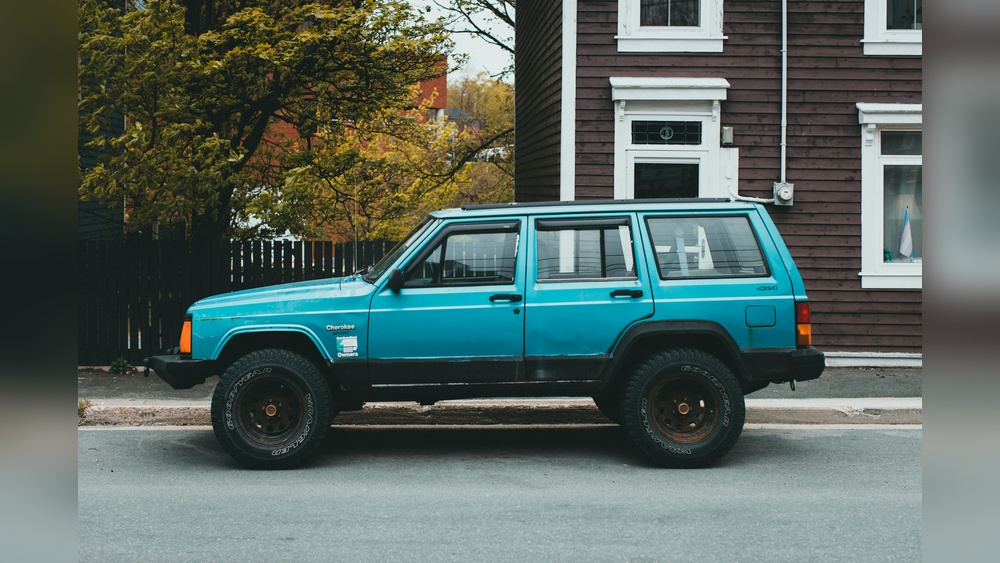
How Long Can A Jeep Cherokee Last? Real Lifespan, Mileage & Ownership Costs
If you’re thinking about buying a Jeep Cherokee, or you already own one, it’s natural to wonder how long your SUV will last. The Jeep Cherokee has a reputation for being tough, but how many miles can you really expect? What helps them last longer, and what wears them out early? Let’s break down everything you need to know, using real numbers, owner experiences, and simple advice to help you make the best decisions.
Average Lifespan: How Many Miles Can A Jeep Cherokee Last?
Most Jeep Cherokees last between 150,000 and 250,000 miles with good care. That’s about 10 to 20 years for the average driver, who travels 12,000 to 15,000 miles per year. Some owners even report their Cherokees reaching over 300,000 miles, but those are usually exceptions with perfect maintenance.
Real-world Examples
- Many 2010–2015 Cherokees on used car sites have over 175,000 miles.
- Older models (1990s, early 2000s) are still seen on the road with 200,000+ miles.
- Recent owner forums show 2014–2017 models often pass 150,000 miles with few issues if serviced regularly.
Quick Comparison: Cherokee Vs. Other Suvs
Here’s a look at how the Jeep Cherokee compares to similar SUVs for longevity:
| Model | Average Lifespan (Miles) | Expected Years (Average Driver) |
|---|---|---|
| Jeep Cherokee | 150,000 – 250,000 | 10 – 20 |
| Honda CR-V | 200,000 – 300,000 | 15 – 20 |
| Toyota RAV4 | 200,000 – 250,000 | 15 – 20 |
| Ford Escape | 130,000 – 200,000 | 8 – 15 |
| Chevrolet Equinox | 150,000 – 200,000 | 10 – 15 |
As you can see, the Jeep Cherokee’s lifespan is strong, especially if you keep up with regular maintenance.
Factors That Affect Jeep Cherokee Longevity
Several things can make your Jeep Cherokee last longer or break down sooner. Understanding these can help you get the most years and miles from your SUV.
1. Maintenance Habits
Regular oil changes, fluid checks, and part replacements are crucial. Owners who follow the service schedule usually see fewer big problems and longer life.
2. Driving Style
- Gentle driving (avoiding hard acceleration or sudden stops) reduces wear on the engine and brakes.
- Off-road use is fun, but heavy off-roading can stress parts like the suspension and transmission.
3. Climate And Environment
- Cold climates can cause more rust and wear, especially if roads are salted.
- Hot climates may lead to faster aging of rubber parts and cooling system stress.
4. Model Year And Generation
Some Cherokee generations are known for being more reliable than others. For example, the XJ Cherokees (1984–2001) are famous for durability. Later models (2014+) have more technology, but also more complex problems if not maintained.
5. Accident And Repair History
A Cherokee with a history of accidents or poor repairs may have a shorter life, even if the mileage is low.
Common Jeep Cherokee Problems To Watch For
No vehicle is perfect. While the Jeep Cherokee is known for its toughness, some years and models have common issues. Here are a few to keep in mind:
Transmission Issues
Some 2014–2016 Cherokees with the 9-speed automatic transmission experienced shifting problems. Software updates and repairs often fix these, but repeated issues can shorten lifespan if ignored.
Engine Problems
- 2.4L Tigershark engine (2014–2021): Some reports of excessive oil consumption.
- Older 4.0L engines: Known for reliability, but may develop oil leaks as they age.
Electrical Faults
Touchscreen failures, sensor malfunctions, or power window issues are sometimes reported, especially in recent models with more electronics.
Cooling System And Water Leaks
Radiator leaks, water pump failures, and heater core issues can happen after 100,000 miles. Overheating can cause engine damage if not fixed quickly.
Suspension Wear
Bushings, ball joints, and other suspension parts may wear out after years of rough roads or off-road use.
How To Make Your Jeep Cherokee Last Longer
You have a big influence on how long your Cherokee lasts. Here are some practical tips for increasing its lifespan:
- Follow the maintenance schedule in your owner’s manual. Don’t skip oil changes, fluid flushes, or timing belt replacements.
- Fix small problems early. A little leak or noise can turn into a big repair if ignored.
- Keep it clean. Washing off road salt and mud helps prevent rust, especially underneath the vehicle.
- Use quality parts and fluids. Cheap or incorrect replacements can cause early failures.
- Drive smoothly. Avoid hard acceleration and braking.
- Warm up in cold weather. Letting the engine run for a minute before driving helps reduce wear in winter.
Non-obvious Insights
- Use the Jeep Wave Program if available—it offers free maintenance for some new Cherokees.
- Regularly check the transfer case fluid if you have a 4×4 model. Many owners forget this, but it’s critical for off-roaders.
Real Owner Experiences: How Many Miles Are People Getting?
Forums and owner reviews give us a good picture of what to expect.
- Older XJ Cherokees (1990s): Many owners report reaching 250,000–300,000 miles with original engines and transmissions, especially with the 4.0L inline-six engine.
- 2014–2020 Cherokees: Common to see 120,000–180,000 miles before major repairs are needed, though some reach over 200,000 miles.
- 2016 Latitude 4×4 (owner story): One owner shared that their Cherokee hit 210,000 miles with only minor repairs (brakes, tires, battery), following all scheduled maintenance.
Cost Of Ownership And Repairs
Knowing the average costs can help you budget for a long-lasting Jeep Cherokee.
Average Maintenance And Repair Costs
According to automotive research:
| Service Type | Frequency | Average Cost (USD) |
|---|---|---|
| Oil Change | Every 5,000–7,500 miles | $50–$100 |
| Brake Pads/Rotors | Every 40,000–60,000 miles | $300–$600 |
| Tires (Set of 4) | Every 40,000–60,000 miles | $600–$900 |
| Timing Belt/Chain | Varies by engine (often 100,000 miles or more) | $500–$1,000 |
| Transmission Service | Every 60,000–90,000 miles | $250–$500 |
Total Cost Over 10 Years
A Jeep Cherokee will cost around $7,000–$10,000 in maintenance and repairs over 10 years, not including fuel and insurance. This is similar to many other midsize SUVs.
Value For Money
While Cherokees may need a bit more care than a Toyota or Honda, many owners feel the off-road ability and comfort are worth it. If you plan to keep your SUV a long time, it’s wise to set aside a small emergency fund for repairs.
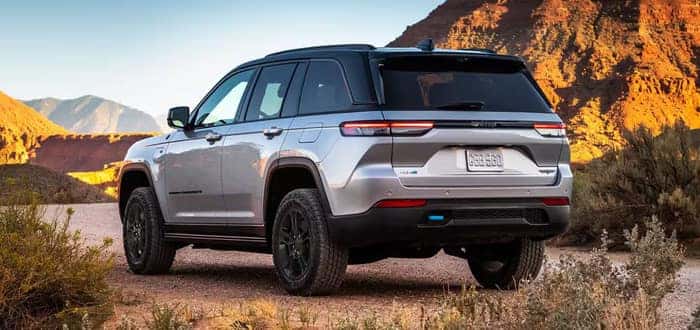
Which Jeep Cherokee Models Last The Longest?
Not all Cherokees are built exactly the same. Some generations and engines are famous for their toughness.
Most Reliable Years
- 1984–2001 Jeep Cherokee XJ: Known for simple design and the legendary 4.0L inline-six engine. Many are still on the road after 20–30 years.
- 2011–2013 Jeep Grand Cherokee (WK2): Not a Cherokee, but often compared, these are also long-lasting with V6 or V8 engines.
- 2017–2021 models: Improved transmission reliability and better electronics.
Years To Approach With Caution
- 2014–2016: Early years of the new generation had more transmission issues.
- 2015 (2.4L engine): Reports of excessive oil use and engine concerns.
Should You Buy A High-mileage Jeep Cherokee?
Buying a used Cherokee with over 150,000 miles can be a good deal if it was well cared for. Ask for service records and get a mechanic to check the vehicle. Older Cherokees with the 4.0L engine can be a safe bet, while newer models need careful inspection of the transmission and electronics.
Pros And Cons
Pros:
- Lower purchase price
- Proven reliability (if well maintained)
- Parts are widely available
Cons:
- May need more repairs
- Some years have known issues (transmission, electronics)
- Older models may lack modern safety features
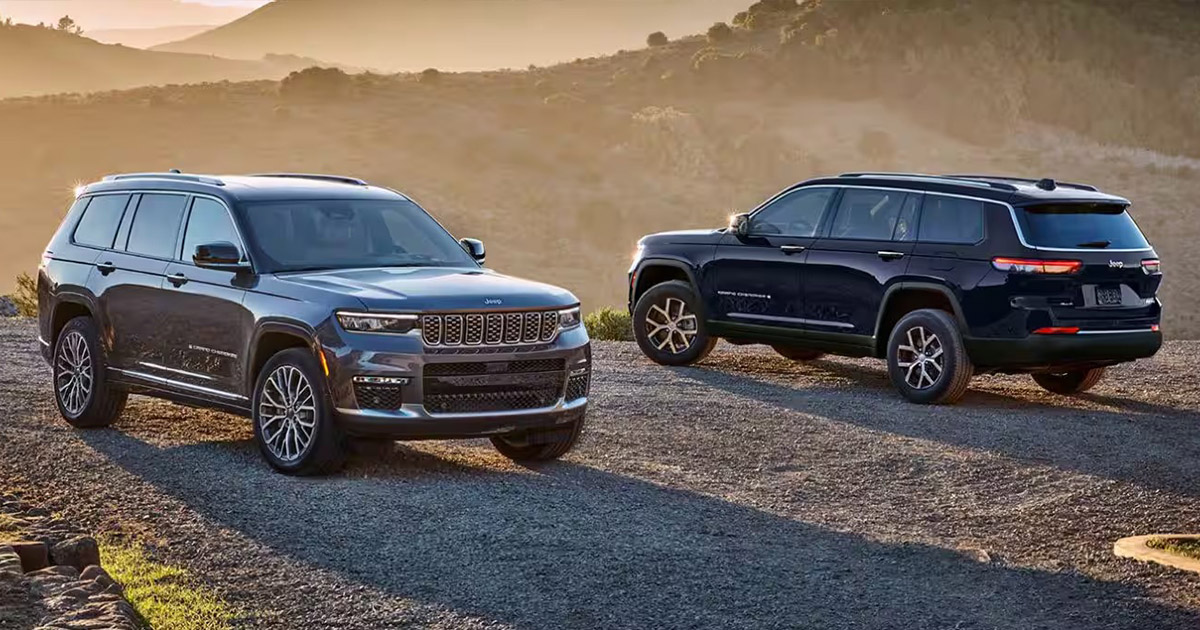
Jeep Cherokee Lifespan: Gas Vs Diesel Vs Hybrid
In the US, most Cherokees are gasoline-powered, but some diesel and hybrid models exist in other markets.
| Engine Type | Typical Lifespan (Miles) | Special Considerations |
|---|---|---|
| Gasoline | 150,000–250,000 | Common in the US |
| Diesel | 200,000–300,000 | Longer life, but higher repair cost |
| Hybrid/Plug-in | 120,000–200,000 | Battery replacement after 8–10 years |
Diesel Cherokees can last longer but may be harder and more expensive to fix in the US. Hybrid models are newer, so long-term data is limited.
Frequently Asked Questions
How Many Miles Is Too Many For A Used Jeep Cherokee?
Generally, more than 200,000 miles is considered high mileage. However, a well-maintained Cherokee can still run well past this mark. Always check service history and get a pre-purchase inspection.
Is The Jeep Cherokee Expensive To Maintain?
Maintenance costs are average for a midsize SUV, but repairs can be higher if you neglect routine service or own a model with known problems. Budget about $700–$1,000 per year for upkeep.
What Year Jeep Cherokee Is The Most Reliable?
The 1984–2001 Cherokee XJ is often rated as the most reliable, thanks to its simple design and strong engine. Among newer models, 2017–2021 Cherokees have fewer major complaints.
Can A Jeep Cherokee Go Off-road For Years Without Problems?
Yes, if you maintain it well. Off-roading increases wear on suspension and drivetrain parts, so regular checks and fluid changes are even more important for long-term durability.
Where Can I Find More Data On Jeep Cherokee Reliability?
You can find more details and owner reports at Consumer Reports, which tracks real-world repair records and satisfaction.
The Jeep Cherokee can be a long-lasting SUV if you choose the right model and take care of it. With proper maintenance, many Cherokees reach 200,000 miles or more, offering a good balance of comfort, capability, and value for drivers who want an SUV that’s built to go the distance.