The Jeep Rubicon is a name that stands out among off-road enthusiasts and adventure seekers. Its introduction changed the expectations for factory-built 4×4 vehicles.
But when did the Jeep Rubicon actually come out? Understanding its origins not only answers a common question, but also reveals why the Rubicon has become a legend in the off-road world.
The Debut Of The Jeep Rubicon
The first Jeep Wrangler Rubicon made its debut in 2003. Jeep launched it as a special edition of the TJ Wrangler. The goal was to create a vehicle ready for the toughest trails—right off the showroom floor. Before 2003, serious off-roaders had to modify their Jeeps with expensive aftermarket parts. The Rubicon changed that by including advanced features as standard.
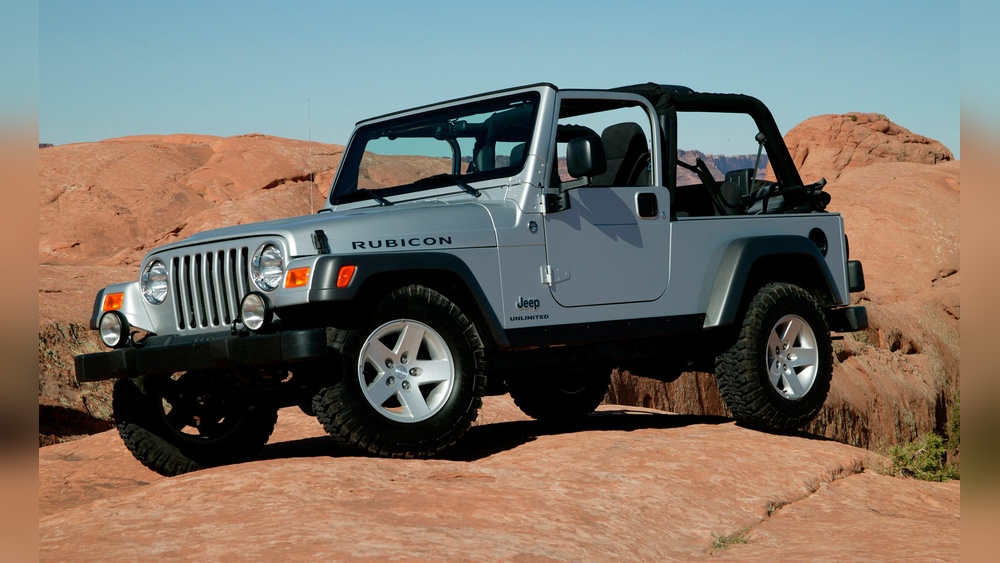
Jeep named the model after the Rubicon Trail in California, which is famous for its extreme difficulty. The company wanted to prove that the new Wrangler Rubicon could handle this trail without modifications. It was a bold move, and the Rubicon lived up to its promise.
What Made The First Rubicon Special?
When the 2003 Rubicon arrived, it was packed with features that were rare or unheard of in factory vehicles at the time. Here are some of the key specs:
- Dana 44 axles front and rear for superior durability
- Rock-Trac 4: 1 transfer case for better crawling power
- 4-wheel disc brakes for improved stopping power
- Locking differentials front and rear for maximum traction
- 32-inch off-road tires as standard equipment
This combination made the Rubicon a true off-road machine. It could tackle rocky slopes and deep mud that would stop other SUVs.
Jeep Rubicon Through The Generations
Since its first appearance, the Rubicon has evolved with each new Wrangler generation. The name continues to mean top-level off-road ability. Here’s a quick comparison of the main Wrangler generations that have offered the Rubicon trim:
| Generation | Years | Key Rubicon Upgrades |
|---|---|---|
| TJ | 2003–2006 | First Rubicon, 4.0L engine, Dana 44 axles |
| JK | 2007–2018 | 4-door option, electronic sway bar disconnect |
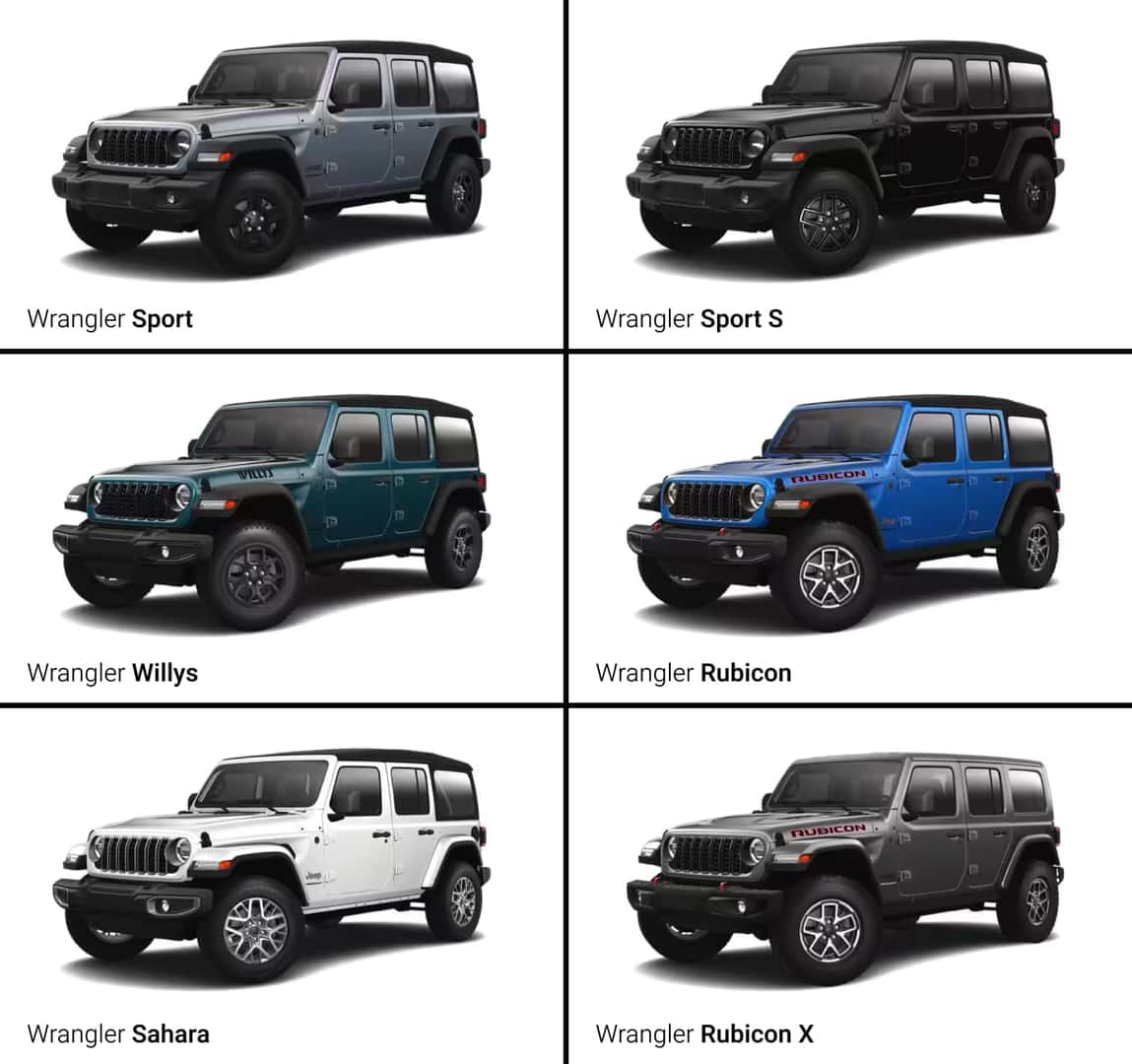
| JL | 2018–present | Modern tech, turbo engine options, advanced axles |
With each new generation, Jeep added comfort and technology while keeping the Rubicon’s legendary toughness.
Key Features That Define The Rubicon
Not every Wrangler is a Rubicon. The Rubicon trim is always the most trail-ready version, and it comes with features that set it apart from the rest. Here are some standout elements:
- Locking front and rear differentials – These help all wheels move together for maximum grip.
- Rock-Trac transfer case – Provides a very low gear ratio for slow, controlled climbing.
- Heavy-duty Dana 44 axles – Stronger than standard axles, great for rough terrain.
- High ground clearance – Lets the Rubicon go over rocks and deep ruts.
- Aggressive off-road tires – Grip surfaces that regular tires can’t handle.
Many buyers overlook the importance of electronic sway bar disconnect—a feature that allows the front wheels to move more independently. This helps the Rubicon keep all four wheels on the ground over uneven terrain, which is crucial for stability.
Why Was The Rubicon Introduced?
In the early 2000s, Jeep noticed that many owners spent thousands to upgrade their Wranglers for off-roading. Jeep engineers listened to this community and decided to create a Wrangler that didn’t need these upgrades. The 2003 Rubicon was the answer, offering trail-rated performance from the factory.
Jeep also used the Rubicon to show commitment to hardcore fans. By naming it after the Rubicon Trail, Jeep made a statement: this vehicle is not just a badge, but a real off-road tool.
How The Rubicon Changed The Off-road Market
The Rubicon made a big impact. Other carmakers noticed its popularity and started offering their own off-road trims, but few matched the Rubicon’s capabilities. Here’s a quick look at how the Rubicon compared to its rivals at the time of launch:
| Model | Locking Differentials | Low Range Ratio | Axle Strength |
|---|---|---|---|
| Jeep Wrangler Rubicon | Front & Rear | 4:1 | Heavy-duty Dana 44 |
| Toyota 4Runner | Rear only | 2.57:1 | Standard |
| Nissan Xterra | None | 2.6:1 | Standard |
The Rubicon offered features that were usually only found on custom-built vehicles. This made it a favorite for both serious off-roaders and casual adventurers.
Non-obvious Insights About The Rubicon’s Launch
One thing many people miss is that the Rubicon was a risk for Jeep. At the time, SUVs were becoming more focused on comfort and daily driving. Building a tough, trail-focused model could have failed if buyers wanted luxury instead. But Jeep’s gamble paid off, and demand for the Rubicon was strong from the start.
Another detail: the Rubicon’s success helped build the “Trail Rated” badge, which Jeep now uses to show which models are ready for real off-roading. The Rubicon set the standard for what “Trail Rated” means.
How The Rubicon Has Evolved
Over the years, the Rubicon has gained more technology and features. For example, the current JL Rubicon offers:
- Selectable drive modes
- Off-road cameras
- Diesel engine option
- Plug-in hybrid (4xe) version
Yet, the heart of the Rubicon remains the same: unmatched ability for tackling the toughest trails.
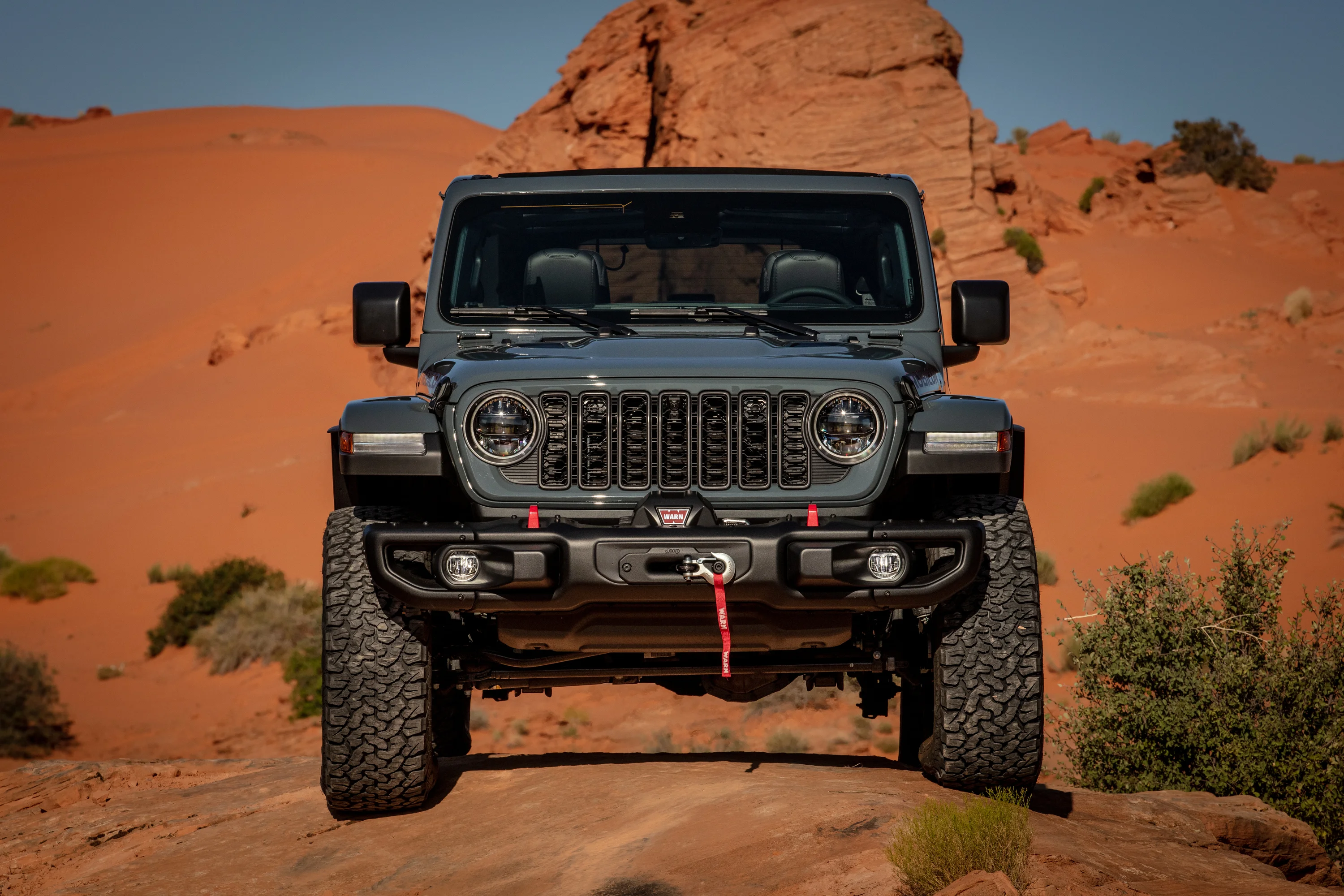
The Rubicon’s Place In Off-road History
Today, the Rubicon is not just a trim—it’s a symbol. It stands for adventure, durability, and the spirit of exploration. Whether you drive the original 2003 model or the latest hybrid, the Rubicon’s reputation is built on years of real-world success.
If you want to learn more about the Rubicon Trail that inspired this model, the official Wikipedia page has more details.
Frequently Asked Questions
When Did The First Jeep Rubicon Come Out?
The first Jeep Wrangler Rubicon was introduced in 2003 as a special edition of the TJ Wrangler.
What Made The Original Rubicon Unique?
The 2003 Rubicon came with locking differentials, heavy-duty Dana 44 axles, a 4:1 transfer case, and 32-inch tires—all factory-installed for off-road use.
Has Every Wrangler Generation Had A Rubicon Model?
No, the Rubicon trim started with the TJ generation in 2003. Since then, each new Wrangler generation (JK, JL) has offered a Rubicon version.
Is The Rubicon Still The Best Off-road Wrangler?
For most buyers, yes. The Rubicon trim remains the most capable factory Wrangler for tough trails, but some special editions may offer unique features.
Why Is It Called “rubicon”?
It’s named after the Rubicon Trail in California, a challenging off-road route that the Rubicon Wrangler was designed to conquer right from the factory.
The Jeep Rubicon’s story is about innovation, risk, and a strong connection to the off-road community. Its arrival in 2003 set a new standard, and it continues to lead the way for adventure vehicles today.