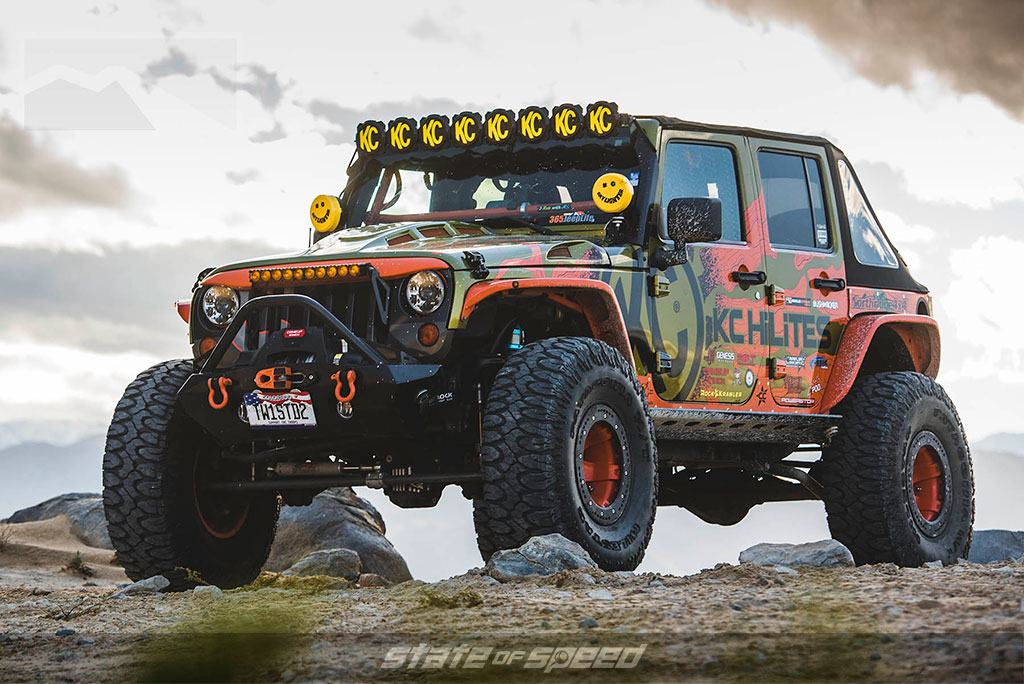
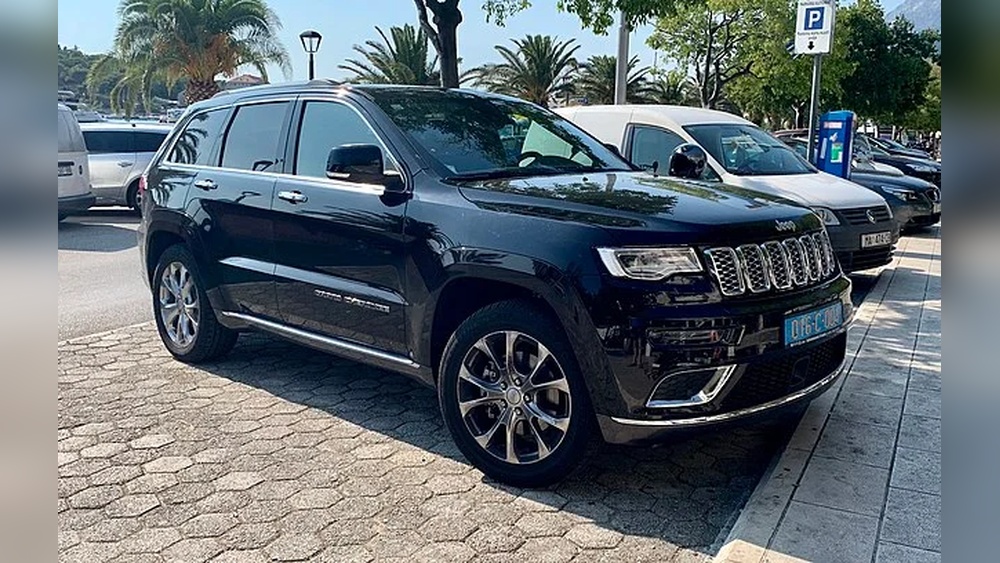
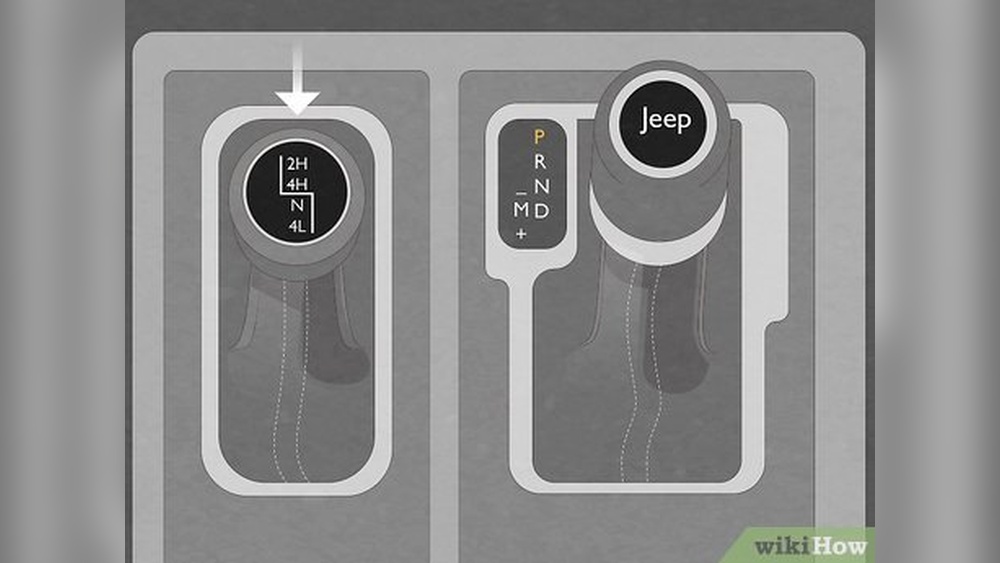
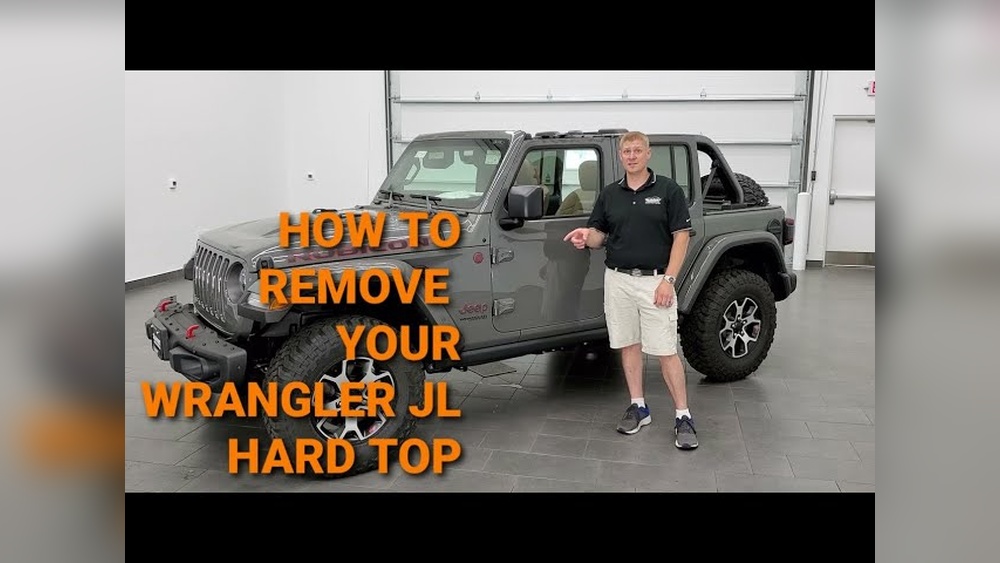
Building your own Jeep is a dream for many car lovers and adventure seekers. It gives you full control over what you drive, lets you customize every detail, and can even save you money compared to buying a new model. But making a Jeep from scratch isn’t easy—it takes planning, patience, and the right parts. Whether you want a rugged off-road beast or a stylish daily driver, this guide will walk you through every important step. You’ll learn how to choose parts, assemble your Jeep, and avoid common mistakes. If you’re new to DIY car builds, don’t worry—each section uses clear language and practical examples to help you succeed.
Planning Your Jeep Build
The first step in building a Jeep is deciding what kind you want. There are several types of Jeeps, and each has its own strengths. Think about how you will use your Jeep—off-roading, city driving, or weekend trips? Your answer will help you choose the right base model and parts.
Choosing Your Jeep Model
Most beginners start with a Jeep Wrangler because it’s popular, easy to find parts for, and simple to work on. Other options include Jeep Cherokee or Jeep Gladiator if you want more space or a pickup bed.
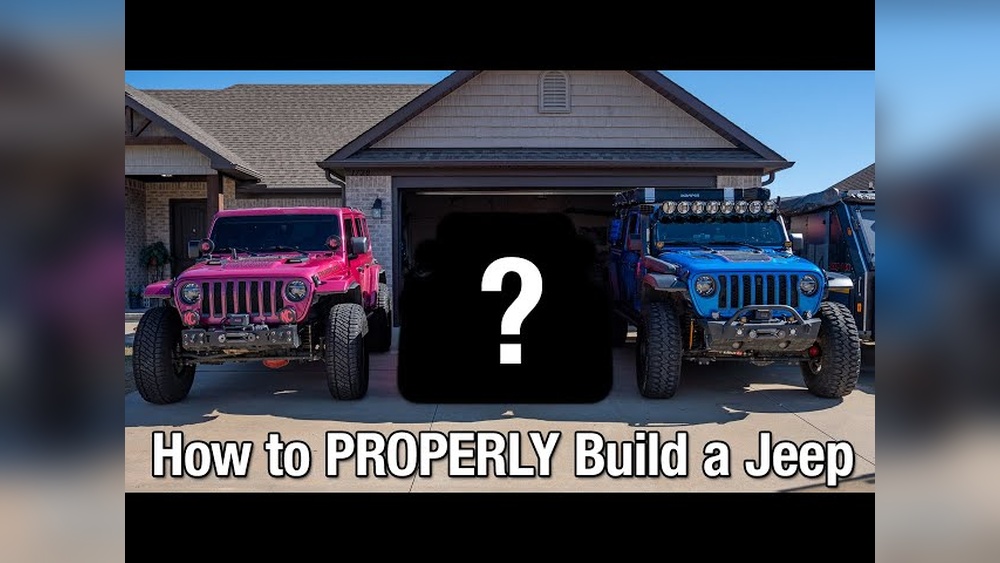
Here’s a quick comparison of popular Jeep models:
| Model | Best For | Average Price (Used) |
|---|---|---|
| Jeep Wrangler | Off-roading, customization | $10,000 – $25,000 |
| Jeep Cherokee | Family, daily use | $8,000 – $20,000 |
| Jeep Gladiator | Towing, truck bed | $30,000 – $45,000 |
Setting Your Budget
Building a Jeep from scratch can cost anywhere from $5,000 (if you use old parts and do all the work yourself) to over $40,000 for high-end builds. Make a list of must-have features, and decide how much you can spend on each category:
- Frame and body: $1,500–$4,000
- Engine: $2,000–$8,000
- Transmission: $800–$3,000
- Suspension and wheels: $1,000–$4,000
- Paint and accessories: $500–$3,000
Don’t forget tools, garage space, and extra parts.
Gathering Tools And Workspace
You’ll need:
- Basic mechanic tools (wrenches, sockets, screwdrivers)
- Jack stands and floor jack
- Welder (for frame repairs or custom work)
- Safety gear (gloves, goggles)
- Garage or driveway space
Having the right tools makes the build easier and safer.
Sourcing Jeep Parts
Finding quality Jeep parts is critical for your build. You can buy new, used, or aftermarket parts. Each has pros and cons.
New Vs Used Parts
New parts are reliable but expensive. Used parts are cheaper, but may have wear or damage. Aftermarket parts can offer upgrades and custom designs.
Here’s a quick comparison:
| Type | Price Range | Reliability | Customization |
|---|---|---|---|
| New OEM | High | Very reliable | Limited |
| Used OEM | Low | Variable | Limited |
| Aftermarket | Medium | Good | High |
Where To Find Parts
- Junkyards: Great for frames, bodies, and some mechanical parts. Inspect for rust and wear.
- Online stores: Websites like eBay, RockAuto, and Quadratec offer new and used Jeep parts.
- Local auto shops: Some shops specialize in Jeeps and can help you find rare parts.
Tip: Always check part numbers and compatibility. Jeep models can have small differences, so matching parts is key.

Preparing The Jeep Frame And Body
The frame is the backbone of your Jeep. It holds everything together. If you’re starting with a used frame, inspect it carefully for rust, cracks, and damage. Repair or reinforce weak spots with welding.
Cleaning And Painting
Clean the frame with a wire brush and power washer. If needed, sandblast to remove tough rust. Painting the frame with rust-proof paint protects it from future damage.
Body Assembly
Install the body panels—doors, hood, fenders, and roof. Align panels for smooth fit. Use new bolts and fasteners to avoid corrosion.
Non-obvious insight: Many beginners forget to check the alignment of the body before final painting. Misaligned panels can cause leaks and extra noise.
Installing The Engine And Transmission
The engine is the heart of your Jeep. Choose an engine that matches your frame and driving needs. Most Jeep builds use V6 or inline-four engines for balance between power and fuel efficiency.
Steps To Install The Engine
- Mount engine on frame: Use engine mounts designed for your Jeep model. Double-check placement.
- Connect wiring and fuel lines: Follow the wiring diagram for your engine.
- Install transmission: Bolt transmission to engine, then attach driveshaft.
- Add fluids: Fill oil, coolant, and transmission fluid.
Practical tip: Always prime the oil system before starting the engine. This prevents dry starts and damage.
Suspension, Wheels, And Tires
Suspension is what gives your Jeep its ride height and off-road ability. Choose a lift kit if you want more ground clearance. Bigger wheels and tires improve traction but can affect fuel economy.
Choosing Suspension
- Stock suspension: Good for daily driving.
- Lift kits (2–4 inches): Ideal for off-roading.
- Heavy-duty shocks: Help with rough terrain.
Wheel And Tire Selection
Pick wheels that fit your bolt pattern and tires suited for your terrain. All-terrain tires are good for mixed use, while mud-terrain tires are best for off-road.
Common mistake: Beginners often buy tires that are too large for their suspension, causing rubbing and unsafe handling.
Electrical And Interior Setup
Wiring is often the hardest part for beginners. Modern Jeeps have many sensors, lights, and electronics. Use a wiring diagram for your model.
Installing Electrical Components
- Battery and alternator
- Lights (headlights, taillights, fog lights)
- Dash controls and gauges
- Stereo and speakers
Interior Assembly
Install seats, carpets, dashboard, and trim. Test all electronics before final assembly.
Non-obvious tip: Label wires as you go. This makes troubleshooting much easier later.
Painting And Final Touches
Painting your Jeep gives it a personal touch. You can use DIY spray paint for simple jobs or hire a professional for a showroom finish.
Steps For Painting
- Sand and clean surfaces.
- Apply primer.
- Spray paint in thin layers.
- Add clear coat for shine and protection.
Finish by installing badges, trim, and accessories like winches, bumpers, or roof racks.
Testing And Safety Checks
Before driving your new Jeep, do a full safety check:
- Brake system: Test for proper function.
- Steering and suspension: Check tightness and alignment.
- Lights and signals: Make sure all work.
- Fluid leaks: Inspect for leaks under the vehicle.
Test drive at low speed first, then gradually increase.
Pros And Cons Of Building A Jeep
Building a Jeep has many upsides, but also some challenges.
Pros:
- Full customization
- Learn new skills
- Can be cheaper than buying new
- Pride of ownership
Cons:
- Time-consuming
- Requires tools and space
- Not easy for beginners
- Risk of mistakes or safety issues
Jeep Build Price Comparison
Jeep builds can vary widely in price. Here’s a simple table showing average costs for different build types:
| Build Type | DIY Cost | Professional Cost |
|---|---|---|
| Basic (used parts) | $5,000 – $10,000 | $15,000 – $25,000 |
| Mid-range (mix parts) | $12,000 – $20,000 | $25,000 – $35,000 |
| High-end (new/custom) | $22,000 – $40,000+ | $40,000 – $60,000+ |
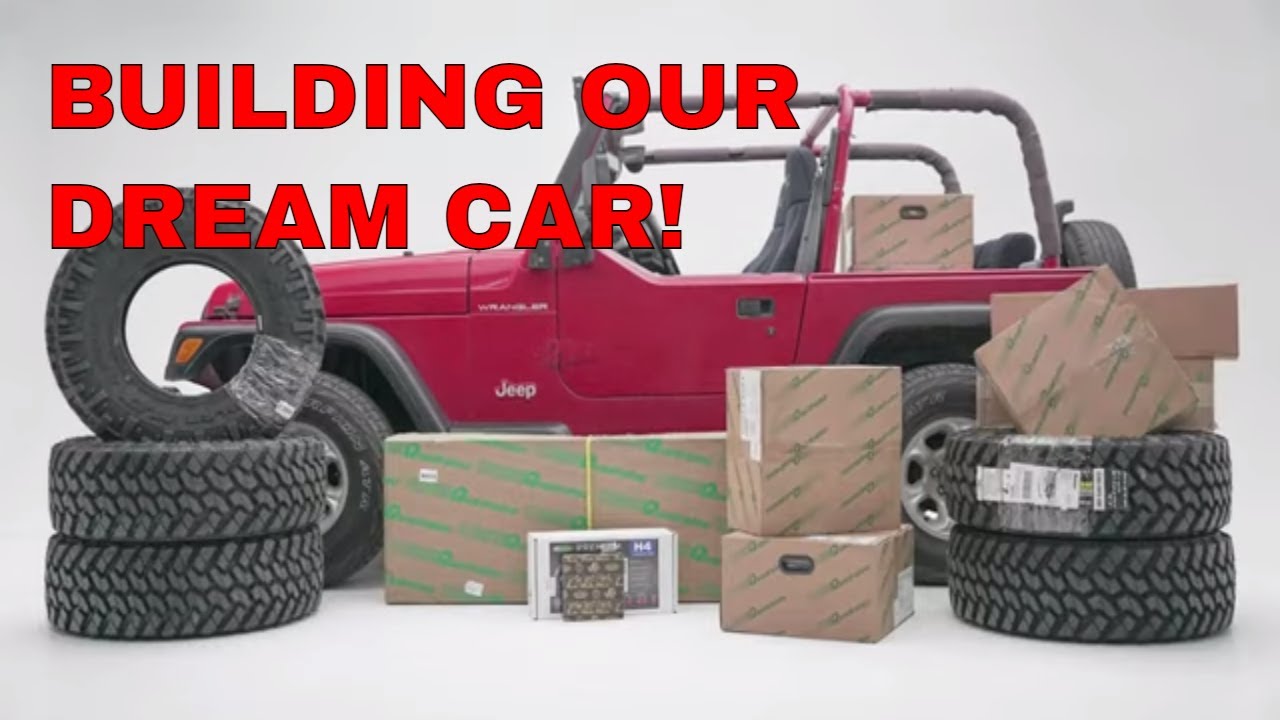
Common Mistakes And How To Avoid Them
- Poor planning: Always make a detailed parts list and budget.
- Skipping safety checks: Test brakes, steering, and lights before driving.
- Ignoring compatibility: Use parts made for your Jeep model.
- Rushing the build: Take your time—mistakes can be costly.
- No documentation: Keep notes and photos of each step for troubleshooting.
Helpful Resources
If you need extra help, many Jeep forums and websites offer guides and advice. The Jeep Wikipedia page is a good starting point for learning about Jeep history and models.
Final Thoughts
Building a Jeep from the ground up is a big project, but it’s also a rewarding challenge. You’ll gain hands-on skills, create a vehicle that fits your exact needs, and feel proud every time you drive. Start with a clear plan, use quality parts, and take your time.
Whether you build for off-roading or daily use, your custom Jeep will be a true reflection of your style and passion.
Frequently Asked Questions
How Long Does It Take To Build A Jeep?
For most beginners, a basic Jeep build takes 3–6 months if you work weekends. Complex builds can take a year or more. Planning and waiting for parts can add extra time.
Is It Cheaper To Build A Jeep Or Buy One?
Building a Jeep can be cheaper if you use used parts and do most work yourself. However, buying a used Jeep may be faster and less risky for those with less experience.
Do I Need Special Tools To Build A Jeep?
You need basic mechanic tools (wrenches, sockets, jacks) plus some specialty tools like a welder if you plan to repair or modify the frame.
Can I Build A Jeep For Off-road Use?
Yes! Many people build Jeeps for off-roading. Use strong suspension, mud tires, and add protection like skid plates and winches.
What Are The Biggest Challenges For Beginners?
The hardest parts are wiring, engine installation, and making sure all parts fit together. Take your time, use diagrams, and ask for help in forums.
—
Meta Title: How To Build A Jeep: Beginner’s Step-by-Step Guide (2024)
Meta Description: Learn how to build a Jeep from scratch with this easy, step-by-step guide. Covers planning, parts, assembly, costs, pros and cons, safety checks, and FAQs for beginners.