How Long Do Jeeps Last Mileage: Real Numbers, Tips, And What To Expect
If you’re thinking about buying a Jeep or already own one, you probably want to know: how long do Jeeps last mileage? This is a smart question, especially since Jeeps are famous for their rugged build and off-road abilities. But like any car, their lifespan depends on many things—how you drive, how often you maintain it, and even the model you choose.
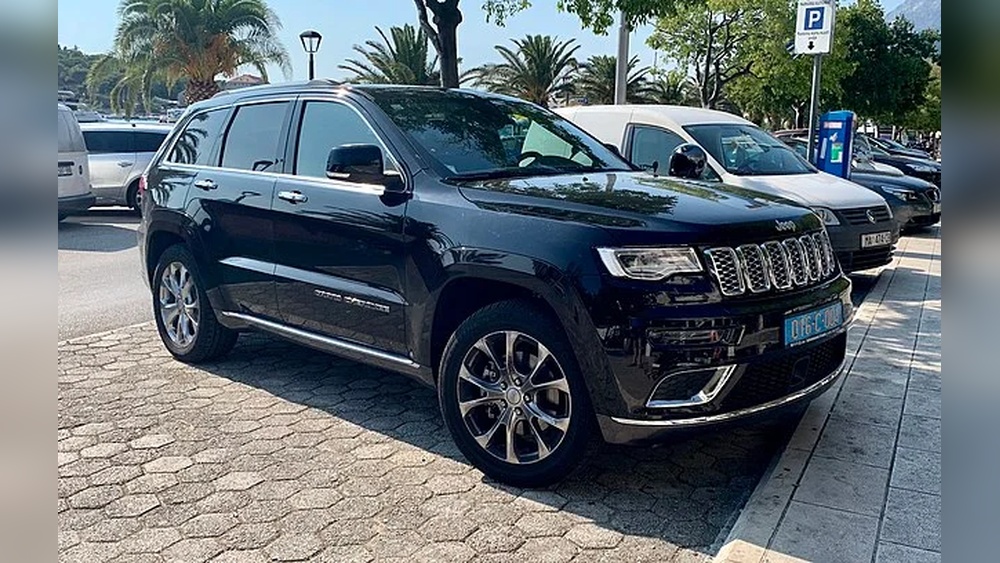
In this guide, you’ll learn the average mileage you can expect from a Jeep, what affects its longevity, and how you can help your Jeep last as long as possible. We’ll also look at some real-world examples, pros and cons, costs, and answer the most common questions.
Typical Jeep Mileage: What’s Normal?
Most Jeep owners want their vehicle to last a long time. The average Jeep lifespan is between 150,000 and 300,000 miles. But this number can change a lot depending on use, care, and specific model.
Here’s a quick look at typical Jeep lifespans:
| Jeep Model | Average Lifespan (Miles) | Notes |
|---|---|---|
| Wrangler | 200,000–400,000 | Best for off-road, strong resale value |
| Grand Cherokee | 150,000–250,000 | Popular family SUV |
| Cherokee | 175,000–250,000 | Comfortable ride, reliable engine |
| Renegade | 100,000–150,000 | Smaller, less rugged |
| Compass | 150,000–200,000 | City driving, compact size |
Key insight: With proper care, most Jeeps easily reach 200,000 miles, and some go well beyond 300,000 miles.
What Affects How Long Jeeps Last?
Not every Jeep has the same life. Here are the main factors that decide a Jeep’s mileage lifespan:
1. Maintenance Habits
Regular oil changes, checking fluids, and replacing worn parts all help a Jeep last longer. Skipping maintenance is the fastest way to shorten any car’s life.
- Oil changes should happen every 5,000–7,500 miles.
- Tire rotations and balancing every 6,000–8,000 miles.
- Transmission and brake fluids checked at least yearly.
2. Driving Style
If you drive gently, your Jeep will likely last longer. Hard acceleration, sudden stops, and aggressive off-roading can wear out parts faster.
Off-roading is what Jeeps are made for, but regular, extreme use without proper care can cause early problems.
3. Climate And Environment
Jeeps in hot, dry areas often last longer than those in places with harsh winters, heavy road salt, or lots of mud. Rust is a major enemy, especially for undercarriage and suspension.
4. Model And Year
Some Jeep models and years are known for being more reliable. For example, the Jeep Wrangler (especially older models) often lasts longer than smaller or newer Jeeps with complex electronics.
5. How You Use It
Daily highway driving is easier on a Jeep than constant city traffic or towing heavy loads. Short trips can also wear out engines faster because they don’t reach ideal temperatures.

Jeep Longevity: Real Owner Stories
Hearing from real Jeep owners is helpful. Many share their high-mileage stories online. Here are a few examples:
- John from Ohio: His 1999 Jeep Cherokee reached 310,000 miles with regular oil changes and some suspension work.
- Lily in Arizona: Her 2012 Wrangler passed 275,000 miles after years of desert off-roading.
- Mike in Colorado: Has a 2008 Grand Cherokee with 220,000 miles, mainly used for family road trips.
These stories show that with basic care, Jeeps can easily outlast many rivals. Some owners even report Wranglers passing 400,000 miles, though these are rare and usually have had major parts replaced along the way.
Comparing Jeep Lifespan To Other Suvs
How do Jeeps stack up against similar vehicles? Let’s compare the average mileage of Jeeps to other popular SUVs:
| Vehicle | Average Lifespan (Miles) | Notes |
|---|---|---|
| Jeep Wrangler | 200,000–400,000 | Rugged build, off-road focus |
| Toyota 4Runner | 250,000–350,000 | High reliability, strong resale |
| Ford Explorer | 150,000–250,000 | Popular, less off-road ability |
| Honda CR-V | 200,000–300,000 | Great for city, less rugged |
Takeaway: Jeeps are among the longest-lasting SUVs if you care for them, but brands like Toyota may have a slight edge in reliability for people who want fewer repairs.
Pros And Cons Of Owning A High-mileage Jeep
Every vehicle has ups and downs. Here’s what to expect with a Jeep, especially as it ages:
Pros
- Strong engines: Many Jeep engines are known for durability.
- Easy to repair: Wranglers and older models use simple parts and have lots of aftermarket support.
- Great resale value: High-mileage Wranglers can still sell for good money.
- Fun and versatile: Excellent off-road and all-weather ability.
Cons
- Possible rust issues: Especially in older or northern models.
- Electronics problems: Newer Jeeps have more complex systems that can fail with age.
- Fuel economy: Jeeps are not the most efficient, especially with large tires or lifted suspensions.
- Suspension and steering wear: Frequent off-roading or heavy use can cause early problems.
Cost And Value: Is A High-mileage Jeep Worth It?
Price is always a concern, especially when buying used. A Jeep with 150,000–200,000 miles can be much cheaper than a new one, but you should check for these before buying:
- Service records: Regular maintenance is a good sign.
- Rust and undercarriage: Look under the body for rust or leaks.
- Transmission and engine noise: Test drive and listen for odd sounds.
- Check engine light: Make sure there are no warnings.
Typical prices for used Jeeps by mileage (as of 2024):
| Mileage | Average Price (USD) | Condition |
|---|---|---|
| 50,000–80,000 | $25,000–$35,000 | Like new, fewer repairs |
| 100,000–150,000 | $15,000–$22,000 | Good, but expect some repairs |
| 200,000+ | $8,000–$15,000 | Budget buy, needs close inspection |
Pro tip: A higher-mileage Jeep with great maintenance records is usually a better buy than a lower-mileage one with spotty care.

How To Help Your Jeep Last Longer
Want to get the most miles from your Jeep? Here are some tips:
- Follow the manual: Stick to the service schedule in your owner’s manual.
- Use quality fluids: Cheap oil or coolant can shorten your Jeep’s life.
- Wash the undercarriage: Especially after off-roading or winter driving to prevent rust.
- Listen to your Jeep: Strange sounds or vibrations mean it’s time for a checkup.
- Store it well: If possible, keep your Jeep in a garage or covered area.
- Fix small issues fast: Don’t let little problems become big, expensive ones.
- Check the frame: Especially on Wranglers, as frame rust can kill a Jeep.
Bonus insight: Many owners overlook the importance of tire care. Worn or unbalanced tires can stress suspension and steering parts, reducing overall lifespan.
Common Problems In High-mileage Jeeps
Even the toughest Jeeps have issues as they age. Here are the most frequent problems:
- Suspension bushings and joints: These wear out, causing rough rides and poor handling.
- Leaky gaskets: Oil or coolant leaks are common after 100,000 miles.
- Rust: Especially on the frame, doors, and tailgate.
- Electrical issues: Older wiring and sensors can fail.
- Transmission problems: More likely in Grand Cherokees and older Wranglers.
While most of these can be fixed, repairs add up. That’s why regular inspections are so important.

Updated Facts About Jeep Reliability
Jeeps have a mixed reputation for reliability, but recent models are improving. According to a 2024 survey by Consumer Reports, the Jeep Wrangler scored above average for reliability, while the Grand Cherokee was average. The Jeep brand is now closer to industry average, thanks to better parts and design.
Interesting detail: The 4.0L inline-six engine, used in older Cherokees and Wranglers, is famous for passing 300,000 miles with few issues. If you’re looking at used Jeeps, this engine is a safe bet.
Should You Buy A High-mileage Jeep?
If you need a vehicle that’s fun, capable, and has a strong community, a high-mileage Jeep can be a great value. Just remember:
- Always get a pre-purchase inspection.
- Check service records and look for signs of rust or neglect.
- Factor in the cost of future repairs, especially for older models.
For more detailed guidance on Jeep reliability and buying tips, visit the official Jeep Wikipedia page.
Frequently Asked Questions
How Many Miles Is Too Many For A Used Jeep?
Most experts say over 200,000 miles is considered high, but it’s not a deal-breaker if the Jeep has had excellent care and no major accidents. Focus more on condition and service history than just the number.
Do Jeeps Last Longer Than Other Suvs?
Jeeps, especially Wranglers, often last as long as or longer than many SUVs in their class, if properly maintained. However, some brands like Toyota and Honda are known for even higher reliability.
What Is The Most Reliable Jeep Engine?
The 4.0L inline-six engine, found in older Cherokees and Wranglers, is famous for lasting well over 300,000 miles with basic care. Newer Pentastar V6 engines are also strong but may need more regular maintenance.
Is It Expensive To Maintain A High-mileage Jeep?
Maintenance costs are similar to other SUVs, but parts are easy to find and many repairs can be done by DIY owners. Expect to spend more on suspension, brakes, and possibly rust repairs as Jeeps age.
Ask for full service records, get a mechanic to inspect the frame for rust, and always test drive to check for noises or warning lights. A professional inspection is the best way to avoid surprises.
A Jeep is more than just a car—it’s a community and a symbol of adventure. With the right care, your Jeep can deliver hundreds of thousands of fun, reliable miles. Whether you’re climbing mountains or just making daily commutes, knowing how long Jeeps last by mileage helps you make a smart choice and get the most out of your vehicle.