Rubber ducks and Jeeps seem like a strange pair, but both have fascinating histories and surprising connections. These two icons started in very different ways, but today, they share a unique bond among Jeep owners. If you’ve ever wondered how rubber ducks became playful bath toys, or how Jeeps went from military machines to adventure vehicles, you’re in the right place. In this article, you’ll learn the origins, evolution, and how these two objects crossed paths—plus practical insights, comparisons, and FAQs.
The Birth Of Rubber Ducks
Rubber ducks are famous bath toys, but their story began long before they floated in tubs.
Early Origins
The first rubber duck was not soft or squeaky. In the late 1800s, Charles Goodyear’s work on vulcanized rubber changed the material world. Vulcanization made rubber stronger and more flexible. Early rubber ducks were solid and used as chew toys, not bath toys.
Evolution Into Bath Toys
By the 1940s, manufacturers used soft plastic or vinyl instead of hard rubber. This change made the ducks safer and more fun for children. The classic yellow design, with a cute beak and round shape, became popular. The duck could float, and some versions squeaked when squeezed.
Cultural Impact
Rubber ducks became a symbol of childhood and fun. In 1970, Ernie from Sesame Street sang “Rubber Duckie,” which pushed the toy into pop culture. Sales soared. Today, millions of rubber ducks are sold each year worldwide.
The Jeep’s Military Roots
Jeeps have a very different history, starting as tough vehicles for war.
The Need For A New Vehicle
In 1940, the US Army wanted a new light, fast vehicle for World War II. They sent requests to car makers for a 4×4 vehicle that could carry soldiers and equipment.
Willys-overland And Ford
The Willys-Overland company won the contract. They built the first Willys MB Jeep in 1941. Ford also produced Jeeps under the name GPW. These vehicles were strong, simple, and reliable.
Wartime Performance
Jeeps were used for many jobs:
- Transporting troops
- Carrying supplies
- Ambulance duties
- Recon missions
Over 640,000 Jeeps were made during the war. Their performance made them legendary among soldiers.

From War To Civilian Roads
After WWII, Jeeps became popular with ordinary people.
Civilian Jeep Models
Willys-Overland created the CJ (Civilian Jeep) series in 1945. These vehicles were used for farming, industry, and outdoor adventures. The Jeep brand grew and changed hands several times, including ownership by Chrysler and Stellantis.
Growth Of The Jeep Culture
The Jeep became a symbol of freedom, adventure, and off-road fun. Models like the Wrangler and Cherokee are now famous worldwide.
Rubber Ducks And Jeeps: The Unexpected Connection
You may wonder, “How did rubber ducks and Jeeps start interacting? ” The answer is recent and fun.
Jeep Ducking: A Modern Tradition
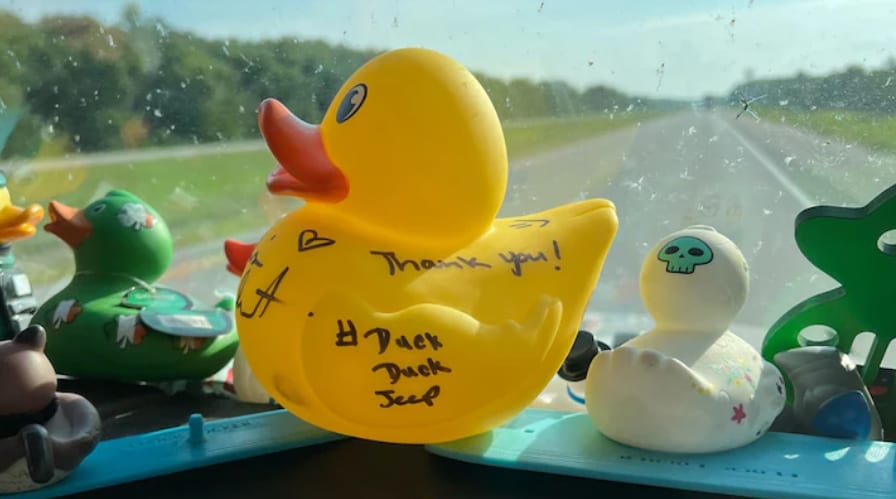
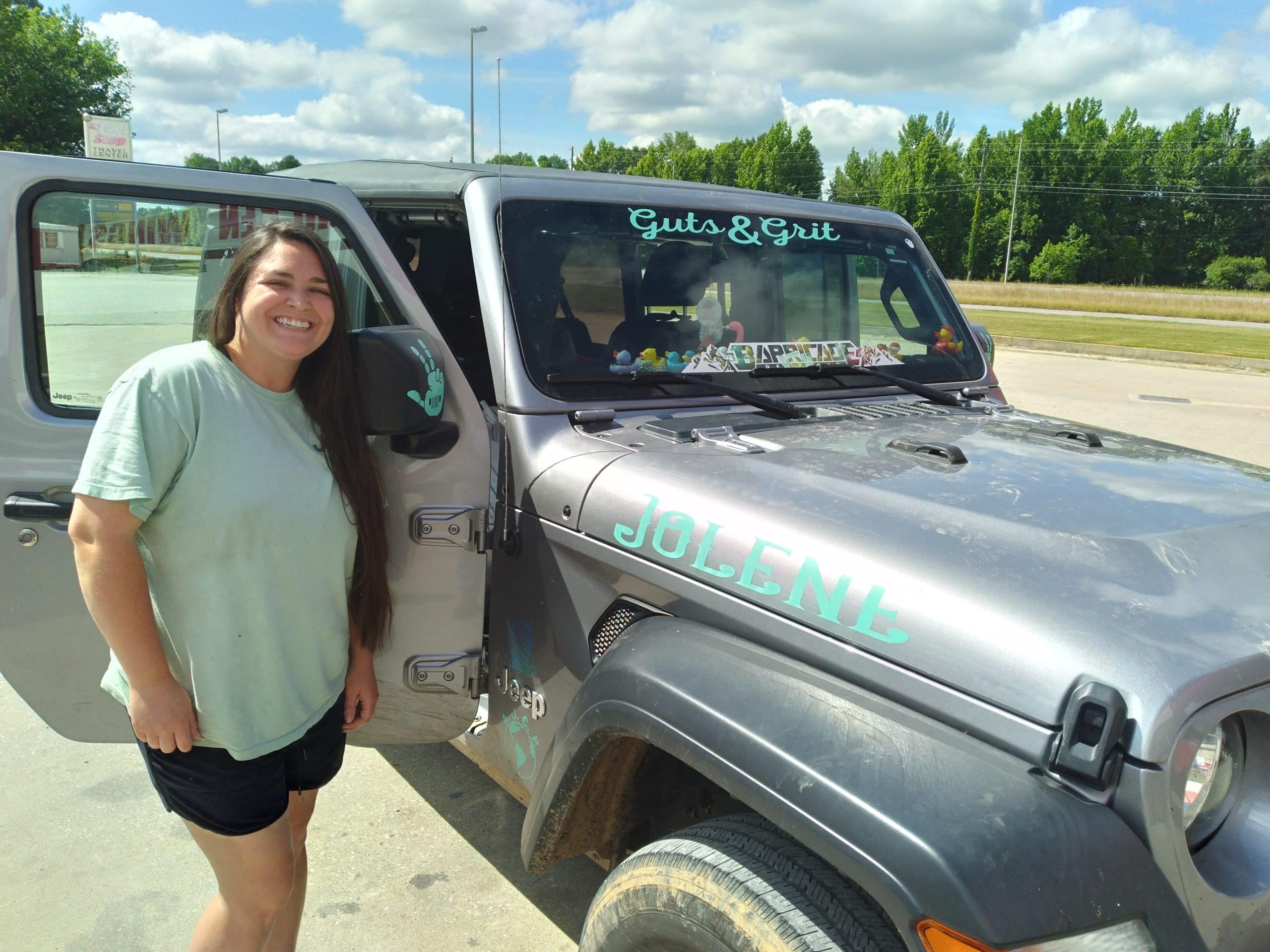
In 2020, Jeep Ducking began in Ontario, Canada. A Jeep owner placed a rubber duck on another Jeep as a friendly gesture. The idea spread quickly. Now, Jeep owners “duck” each other by leaving a rubber duck on Jeeps in parking lots or at events.
Why Do Jeep Owners Use Rubber Ducks?
- To show community spirit
- To spread kindness
- To start conversations
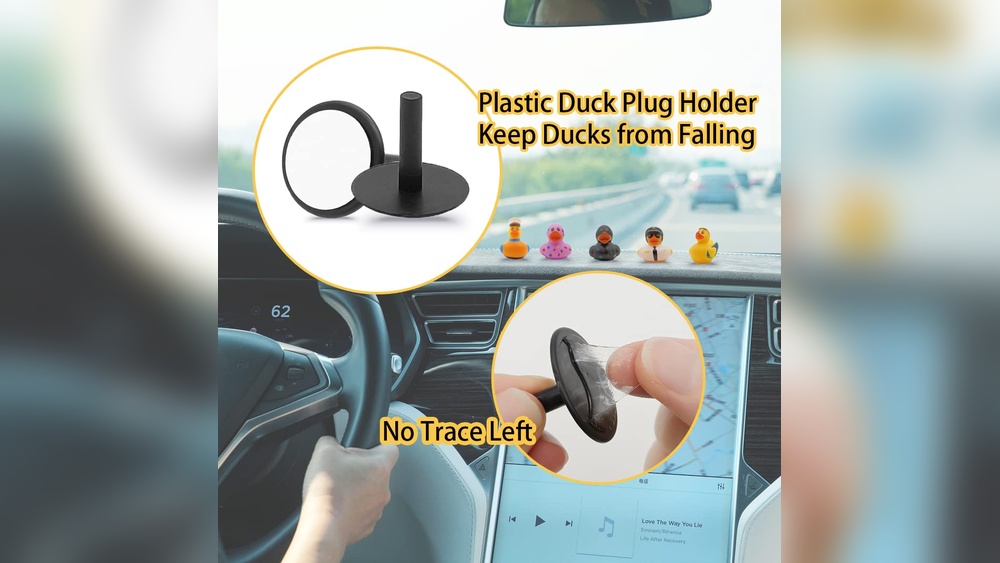
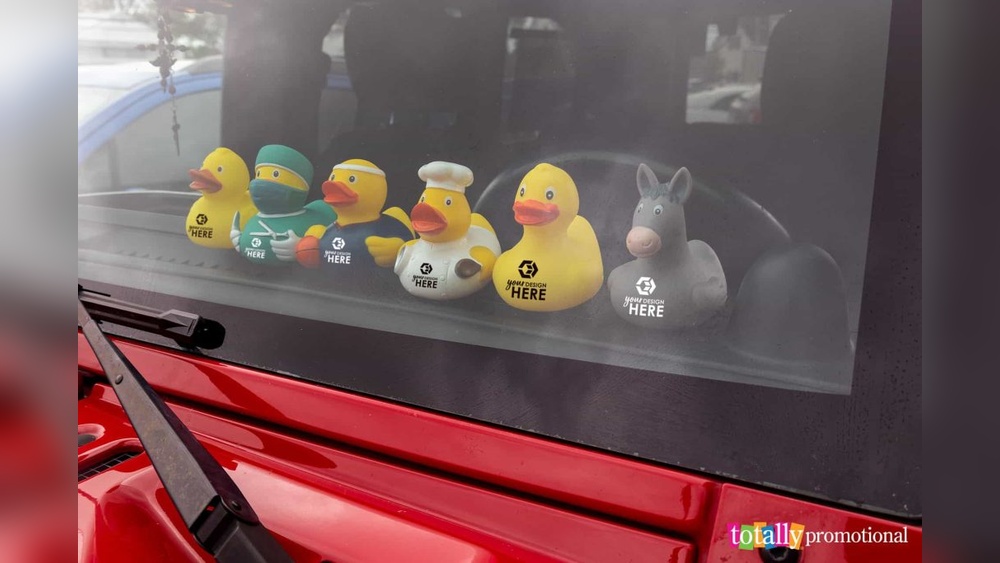
Some Jeep owners collect ducks they receive, displaying them on dashboards or in their homes.
Jeep ducking is popular on platforms like Instagram and Facebook. Owners share photos of their rubber duck collections, sometimes with hundreds of ducks. The tradition has even helped connect Jeep lovers worldwide.
Comparing Rubber Ducks And Jeeps
Rubber ducks and Jeeps are very different products. Here’s a quick comparison to help you see their unique qualities.
| Feature | Rubber Ducks | Jeeps |
|---|---|---|
| Original Purpose | Child’s toy, bath time fun | Military transport, utility |
| Material | Rubber, vinyl, plastic | Steel, aluminum, plastic |
| Year Started | Late 1800s | 1941 |
| Current Use | Bath toys, decorations, Jeep ducking | Personal vehicles, adventure, community |
| Cost | $1–$10 per duck | $30,000–$60,000 per vehicle |
The Pros And Cons Of Rubber Ducks And Jeeps
Both rubber ducks and Jeeps have strengths and weaknesses. Here’s a quick look.
Rubber Ducks
Pros:
- Cheap
- Safe for children
- Easy to clean
- Fun for bath time
Cons:
- Can get lost easily
- Not suitable for children under 3 (small parts)
- Some low-quality ducks don’t float well
Jeeps
Pros:
- Strong and reliable
- Great for off-road
- Community and adventure
- High resale value
Cons:
- Expensive
- Gas mileage is often low
- Can be noisy
- Repairs can cost more than regular cars
How Much Do Rubber Ducks And Jeeps Cost?
If you want to buy a rubber duck or a Jeep, prices vary a lot.
Rubber Duck Prices
You can find rubber ducks in most stores or online. Basic ducks cost about $1–$3. Special ducks (like themed or large ducks) can cost $10 or more. Collectors sometimes pay higher prices for rare ducks.
Jeep Prices
Jeeps are much more expensive. The average price for a new Jeep Wrangler is about $35,000. Luxury models or custom Jeeps can cost $60,000 or more. Used Jeeps can be cheaper, but prices depend on the year, model, and condition.
| Product | Low Price | High Price | Typical Use |
|---|---|---|---|
| Rubber Duck | $1 | $10+ | Bath, decoration, Jeep ducking |
| Jeep Wrangler | $30,000 | $60,000+ | Driving, adventure |
Surprising Facts About Rubber Ducks And Jeeps
- The world’s biggest rubber duck is over 50 feet tall and travels to festivals.
- Jeeps helped win WWII and are called “the vehicle that changed history.”
- Some Jeep owners have hundreds of rubber ducks from Jeep ducking.
- Rubber ducks have been used in science, like tracking ocean currents.
- The Jeep wave is another friendly tradition among Jeep owners.
How Rubber Ducks Are Made
Rubber ducks are made with a simple process:
- Design: The duck shape is made using a mold.
- Material: Soft plastic, usually vinyl, is melted.
- Molding: The melted plastic is poured into the mold.
- Cooling: The duck cools and hardens.
- Painting: Features like eyes and beaks are painted.
Manufacturers check ducks to make sure they float and are safe for children.
| Step | Description |
|---|---|
| Design | Create the mold shape |
| Material | Melt soft plastic |
| Molding | Pour into duck mold |
| Cooling | Let duck harden |
| Painting | Add eyes, beak, details |
How Jeeps Are Made
Jeep manufacturing is more complex:
- Design: Engineers create the Jeep’s look and features.
- Assembly: Parts like engines, wheels, and frames are made separately.
- Production Line: Workers and machines build the Jeep step by step.
- Painting: The body is painted for style and protection.
- Testing: Jeeps are tested for safety, performance, and quality.
Jeep factories use advanced robots and skilled workers to build reliable vehicles.
The Future Of Rubber Ducks And Jeeps
Both rubber ducks and Jeeps keep changing.
- Rubber ducks now come in many shapes, sizes, and themes—pirate ducks, superhero ducks, even musical ducks.
- Jeeps are moving toward electric models, like the Jeep Wrangler 4xe. These new Jeeps use batteries and electric motors for cleaner driving.
The Jeep ducking trend keeps growing, and new types of rubber ducks are made for Jeep events and collectors.
Why The Rubber Duck And Jeep Connection Matters
The link between rubber ducks and Jeeps is more than just a fun story. It shows how simple things can bring people together. Jeep ducking encourages kindness and helps build friendships. It’s a tradition that combines history, play, and adventure.
Frequently Asked Questions
What Is Jeep Ducking?
Jeep ducking is a tradition where Jeep owners leave a rubber duck on another Jeep as a friendly surprise. It started in Canada in 2020 and has spread around the world.
Why Are Jeeps Called “jeep”?
The name “Jeep” comes from the military’s use of “GP,” which meant “General Purpose. ” Over time, “GP” was spoken as “Jeep. ” The name stuck and became the brand.
Are Rubber Ducks Safe For Babies?
Most rubber ducks are safe, but some small ducks can be a choking hazard. Always check the label, and only use ducks made for children under 3.
Can Jeeps Be Used For Everyday Driving?
Yes, Jeeps are used for daily driving, but they are best known for off-road adventures. Some models are comfortable for city use, while others are made for rough terrain.
How Many Rubber Ducks Are Made Each Year?
Millions of rubber ducks are produced every year. The exact number is hard to track, but estimates range from 10–20 million worldwide.
Meta Title
How Did Rubber Ducks And Jeeps Start: Origins, History & Modern Traditions
Meta Description
Discover how rubber ducks and Jeeps started, their surprising history, and the modern Jeep ducking tradition. Learn about costs, pros and cons, manufacturing, and fun facts. Simple, clear guide for beginners.
Rubber ducks and Jeeps show how history, fun, and community can connect. From war machines to bath toys, their stories are unique but share a modern link that brings people together. If you want to learn more about the Jeep ducking tradition, check out the Jeep Wikipedia page for history and details.