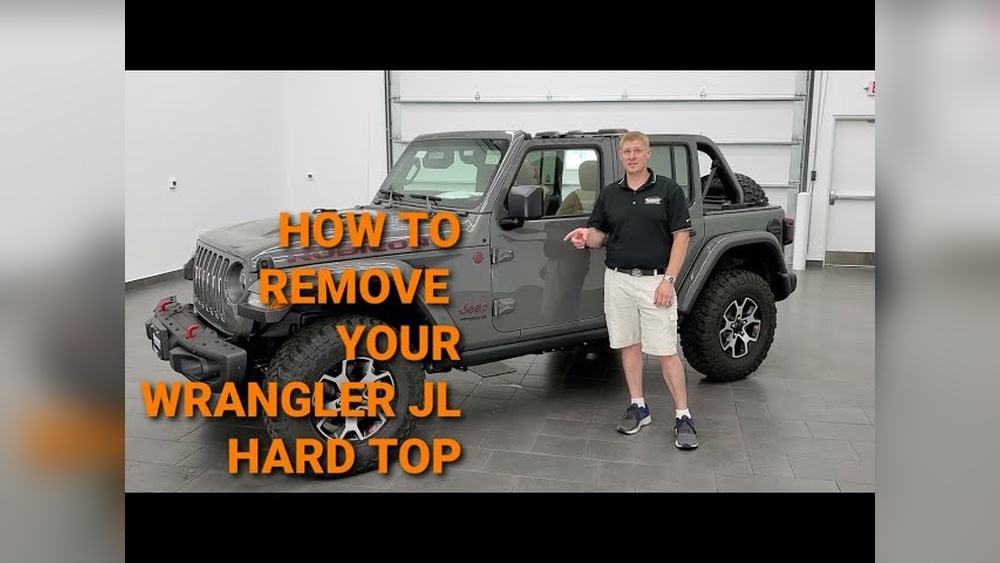
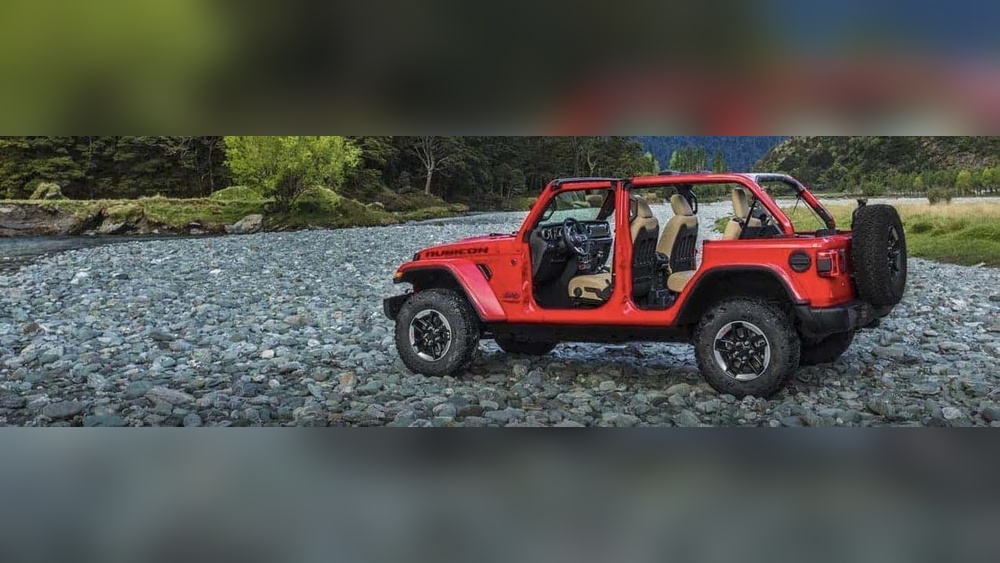
Taking off a Jeep hard top is a big moment for many Jeep owners. It’s a way to enjoy open-air driving and get closer to nature. But if you’re new to Jeeps, the process might seem tricky. The good news is, with the right steps and a bit of care, anyone can learn how to take off a Jeep hard top safely.
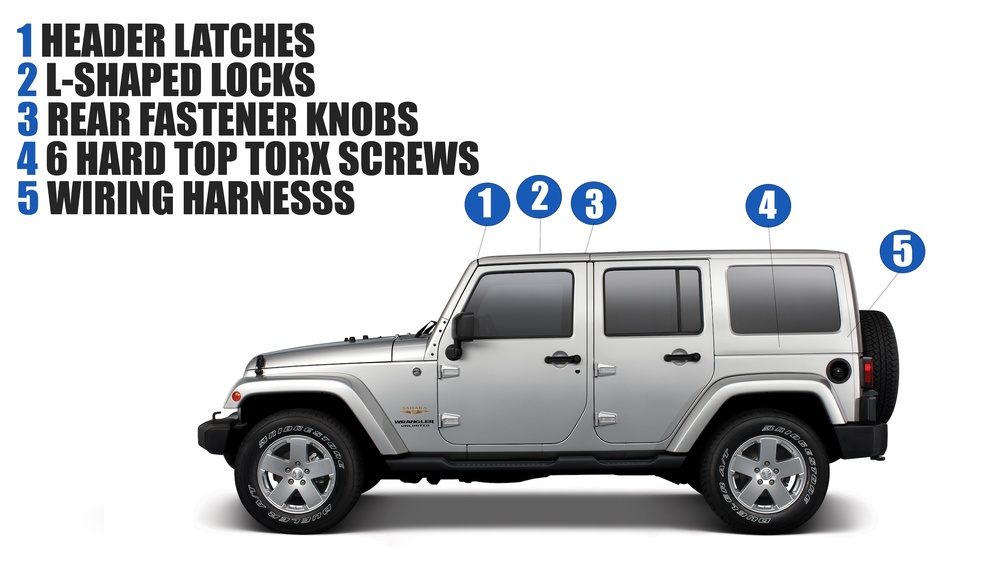
This article will guide you through the entire process, highlight what tools you need, and share important tips to make your first time easy and stress-free.
Why Take Off Your Jeep Hard Top?
Removing your hard top can change the whole Jeep experience. With the top off, you feel the wind, enjoy the sun, and see more of the outdoors. People often do this in spring or summer for weekend adventures or just daily driving.
But there are some things to consider:
- Weather: Without a hard top, rain or cold air can make driving less comfortable.
- Security: Your Jeep is more open, so your belongings may not be as safe.
- Storage: The hard top is big and needs a safe place to be stored.
Still, for many, the benefits far outweigh the cons.
What You Need Before Starting
Before you begin, gather all the tools and equipment you’ll need. This will make the process smoother and prevent surprises.
Essential Tools
- Torx bit set (usually T40 and T50)
- Ratchet or wrench
- Soft towels or blankets (to protect the hard top and Jeep body)
- A friend or two (most hard tops are heavy and awkward to lift alone)
- Storage space (clean, flat area for the hard top)
- Jeep owner’s manual (for your specific model)
Some Jeep models include a tool kit under the rear seat. If you don’t have it, you can buy a basic Torx set for around $20–$40.
Safety Tips
- Never try to lift the hard top by yourself. It usually weighs between 90 to 140 pounds.
- Wear gloves to prevent scratches and injuries.
- Work on a flat surface to avoid slips.
Step-by-step Guide: How To Take Off A Jeep Hard Top
Here’s a simple, clear step-by-step guide to help you remove your hard top. The process is similar for popular models like the Jeep Wrangler JK, JL, and Gladiator.
1. Prepare The Jeep
- Park your Jeep on a flat, level surface.
- Turn off the ignition and remove the keys.
- Remove any items from the cargo area.
2. Remove The Freedom Panels (if Your Jeep Has Them)
Most newer Wranglers have two smaller panels above the driver and passenger seats called Freedom Panels. These come off first.
- Unlatch the latches above the sun visors.
- Release the center and rear latches.
- Carefully lift each panel off and place them on a soft towel.
3. Disconnect The Wiring And Washer Hose
At the rear driver’s side, you’ll find:
- Electrical connector for the rear wiper and defroster
- Washer fluid hose for the rear window
To disconnect:
- Press the tab on the wiring connector and pull apart gently.
- For the washer hose, squeeze the tabs and slide it off.
4. Remove Hard Top Bolts
Use your Torx bit and ratchet to remove the bolts securing the hard top to the Jeep’s body. Common locations:
- Two or three bolts above each rear wheel well (inside the cargo area)
- Several bolts along the top edge at the back
Store all bolts in a safe place—some models have a built-in bolt storage tray.
5. Lift Off The Hard Top
- With at least one helper, stand on each side of the Jeep.
- Grasp the hard top carefully.
- Lift straight up and away from the vehicle.
- Set the hard top down gently on a padded, flat surface.
6. Store The Hard Top Safely
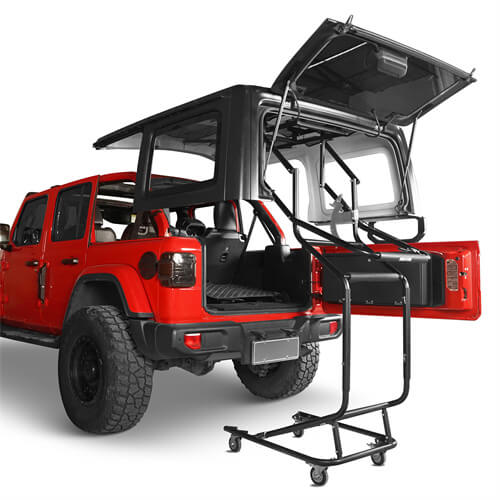
The hard top can crack or scratch easily. Place it on a soft surface, and never lean it directly against a wall without padding. Some people use a hard top storage cart (costs $100–$300), which makes moving and storing it easier.
Pros And Cons Of Removing A Jeep Hard Top
It’s important to know both the good and the not-so-good sides.
| Pros | Cons |
|---|---|
| Open-air driving experience | Less security for belongings |
| Better visibility and connection to nature | Weather exposure (rain, dust, cold) |
| Lower weight (better for off-roading) | Hard top storage needed |
| Fun and unique look | More road noise |

How Much Does It Cost To Remove And Store A Hard Top?
You can remove the hard top yourself for free if you have the basic tools. However, some people choose professional help or buy extra equipment.
| Option | Approximate Cost |
|---|---|
| DIY removal (tools only) | $20–$40 |
| Hard top hoist (manual or electric) | $150–$500 |
| Storage cart | $100–$300 |
| Professional removal/storage service | $75–$200 per season |
Tip: If you live in an apartment or have limited space, a storage service or a hoist system is often worth the investment.
Common Mistakes When Taking Off A Jeep Hard Top
Many beginners make the same errors. Here’s what to avoid:
- Lifting alone – Always get help. The top is heavy and awkward.
- Forgetting to disconnect wires – Pulling on the hard top without disconnecting electrical connectors can cause costly damage.
- Losing bolts – Use a magnetic tray or bag to keep all hardware safe.
- Scratching the paint – Lay down towels or blankets before setting the top on the ground.
- Not preparing for weather – Check the forecast before you remove the hard top, especially if you don’t have a garage or cover.

Tips For Storing And Reinstalling Your Hard Top
Keeping your hard top in good shape ensures it lasts for years. Here are some helpful storage and reinstalling tips:
- Clean the hard top before storage to remove dirt and prevent scratches.
- Store it away from sunlight to avoid fading.
- Cover the hard top with a breathable cover if possible.
- When reinstalling, check the rubber seals for wear. Damaged seals can lead to leaks.
- Tighten bolts evenly and avoid overtightening, which can crack the fiberglass.
Which Jeep Models Can You Remove The Hard Top From?
Most modern Jeeps with a hard top design allow removal. Here’s a quick comparison:
| Model | Removable Hard Top? | Average Hard Top Weight |
|---|---|---|
| Wrangler JK (2007–2018) | Yes | ~120 lbs |
| Wrangler JL (2018–present) | Yes | ~140 lbs |
| Gladiator JT (2020–present) | Yes | ~120 lbs |
| Grand Cherokee | No | N/A |
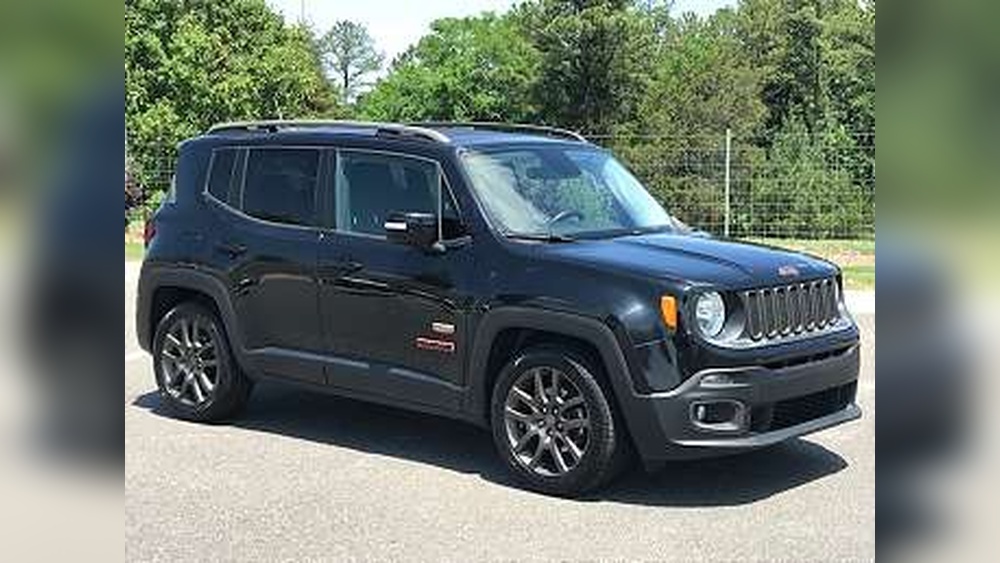
| Renegade/Compass | No | N/A |
Note: Always check your specific model’s manual for detailed instructions. Some aftermarket hard tops may have different steps.
Two Non-obvious Insights For Beginners
- Use a hard top hoist: If you plan to remove your hard top often, a ceiling-mounted hoist makes the job much easier. It allows one person to remove and store the top safely, and some hoists can be installed in a standard garage.
- Label your bolts: Use small zip bags and label them for each location (“side bolts,” “rear bolts”). This small step saves time and confusion when reinstalling.
Should You Buy A Soft Top For Your Jeep?
Many Jeep owners buy a soft top for use when the hard top is off. Soft tops offer:
- Quick installation and removal
- Some weather protection
- More flexibility for changing weather
However, soft tops are less secure and can be noisy at highway speeds. A decent soft top costs between $400–$1200, depending on the brand and model. If you plan to drive without a hard top for more than a few days, a soft top is a smart investment.
For more details on Jeep tops and accessories, you can visit the official Jeep Accessories website.
Frequently Asked Questions
How Long Does It Take To Remove A Jeep Hard Top?
For most people, the first time can take 30–60 minutes. With practice, it can be done in 15–30 minutes, especially with help.
Can One Person Remove A Jeep Hard Top Alone?
It’s not recommended. The hard top is heavy and awkward. Using a hoist system makes it possible for one person, but always use caution.
Will Removing The Hard Top Void My Jeep Warranty?
No, removing the hard top does not void your warranty if you follow the correct steps and don’t damage any parts. Always store bolts and connectors safely.
Where Should I Store My Jeep Hard Top?
Store it indoors on a flat, padded surface. If you use a hoist or storage cart, make sure the top is secure and out of direct sunlight to prevent fading and warping.
Can I Drive My Jeep Without Any Top Or Doors?
Yes, many Jeep models are designed for open-air driving. However, check local laws—some places require at least side mirrors or have rules about driving without doors.
Removing your Jeep hard top is a fun way to enjoy more freedom and connection to the outdoors. With the right tools, a bit of planning, and some care, you can do it safely—even if you’re a beginner. Take your time, protect your Jeep and hard top, and soon you’ll be enjoying the open road like a true Jeep owner.