Driving a Jeep Wrangler can be exciting, especially when you know how to use its 4 wheel drive system. Many beginners feel confused when switching between drive modes, worried about making mistakes or damaging their vehicle. If you want to enjoy off-roading, handle snow, or drive safely in tough conditions, learning the right way to use 4 wheel drive is essential. This guide breaks down each mode step-by-step, explains when to use them, and shares practical tips to help you get the most from your Jeep Wrangler’s capabilities.
Understanding 4 Wheel Drive Basics
The Jeep Wrangler comes with a 4WD system that lets you choose different modes for various conditions. Unlike regular cars that send power only to two wheels, 4WD distributes power to all four wheels. This improves traction, control, and safety on rough roads.
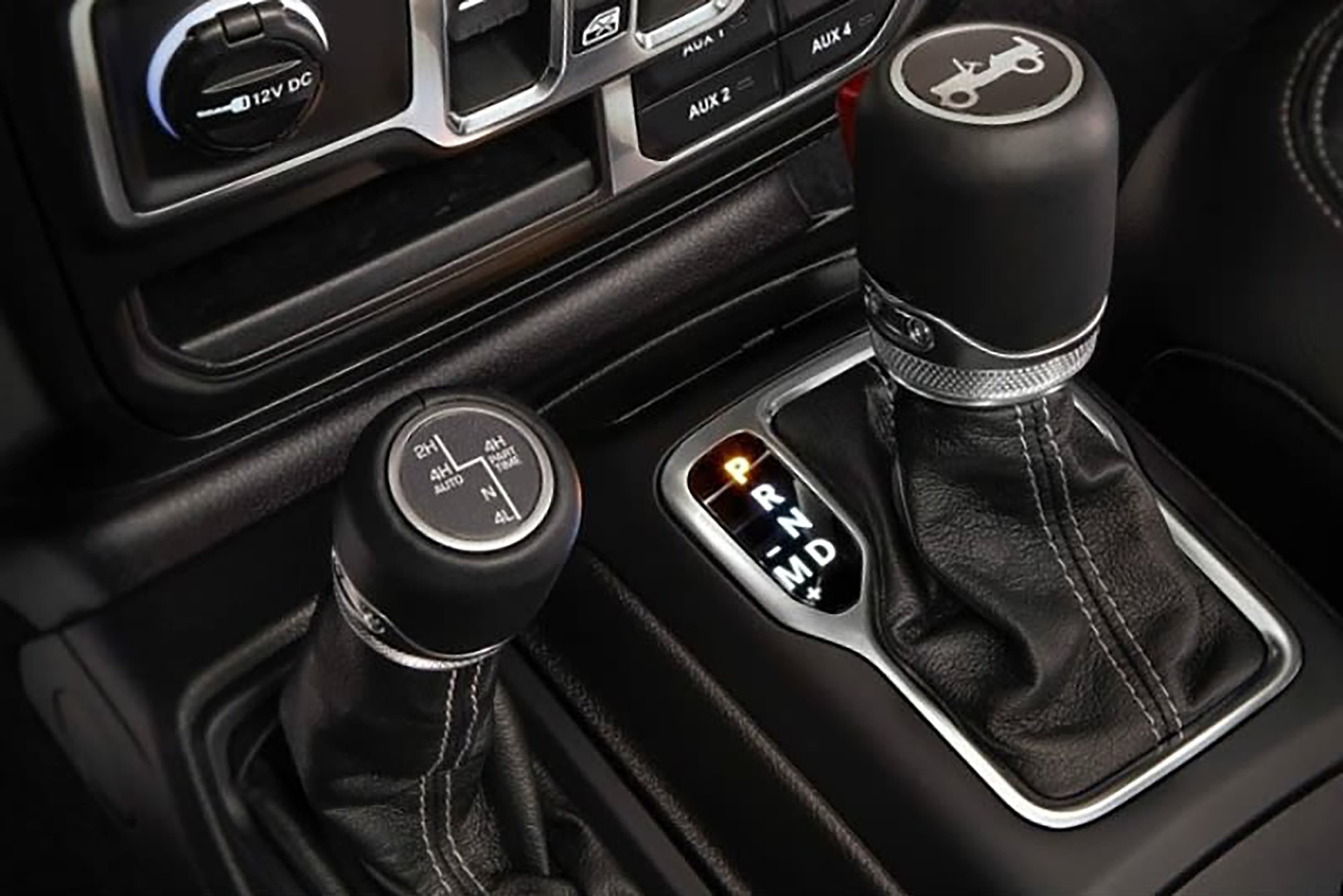
There are four main 4 wheel drive modes in most Jeep Wranglers:
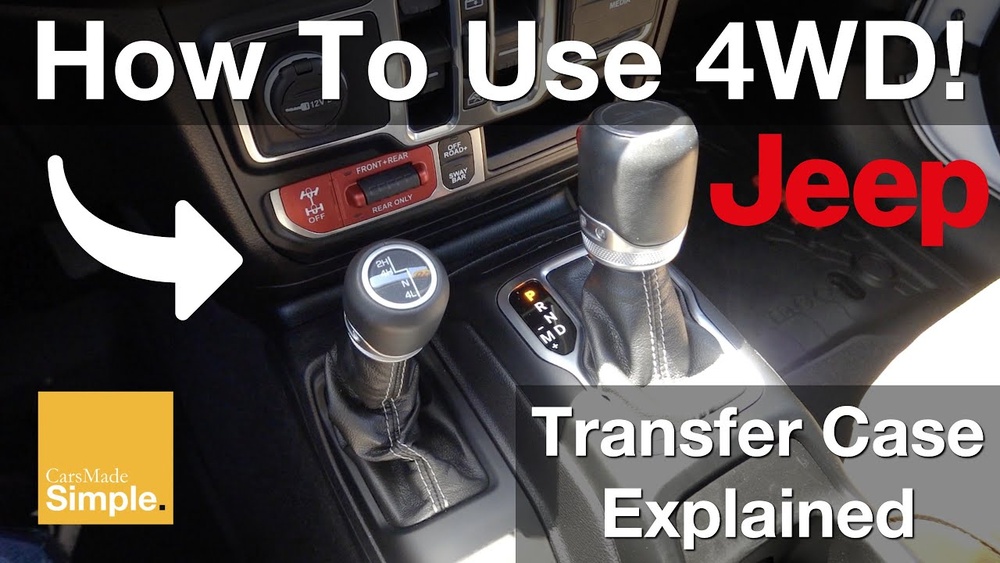
- 2H (Two High)
- 4H (Four High)
- N (Neutral)
- 4L (Four Low)
Each mode serves a specific purpose. Choosing the right mode depends on the road type, weather, and driving situation. Let’s look at each mode in detail.
2h (two High): Everyday Driving
The 2H mode is for normal, everyday use. In this setting, your Jeep Wrangler operates as a standard two-wheel drive vehicle, sending power only to the rear wheels.
When To Use 2h
- Dry roads and highways
- City driving
- Good weather conditions
In 2H, the Jeep gets better fuel economy and less wear on parts. There’s no need for extra traction, so power goes only to the back wheels.
How To Engage 2h
- Make sure the vehicle is stopped or moving slowly.
- Move the lever or switch to 2H.
- Confirm the dashboard indicator shows 2H.
Most drivers leave the Jeep in 2H unless conditions change. It’s easy and safe for daily use.
Pros And Cons Of 2h
| Pros | Cons |
|---|---|
| Better fuel economy | Less traction on slippery surfaces |
| Less wear on drivetrain | Not suitable for off-road |
| Smoother handling | Limited to rear wheel drive |
4h (four High): Light Off-road And Slippery Roads
The 4H mode is best for situations that need more traction but not extreme power. It sends power to all four wheels, improving grip and control.
When To Use 4h
- Gravel or dirt roads
- Rainy or snowy conditions
- Sand or mud
- Light off-roading
4H is perfect for roads where tires can slip. It helps prevent getting stuck and gives more stability. You can drive at normal speeds in 4H, but avoid using it on dry pavement as it can damage the system.
How To Engage 4h
- You can shift into 4H while driving up to 55 mph if needed.
- Reduce speed for safety.
- Move the lever or switch to 4H.
- Watch for the dashboard indicator.
A common mistake is leaving 4H on dry roads, which can cause extra strain on the drivetrain. Always switch back to 2H when conditions improve.
Real-world Example
Imagine you’re driving in a sudden snowstorm. Switching from 2H to 4H keeps your Jeep stable and helps you avoid sliding, especially on turns.
Pros And Cons Of 4h
| Pros | Cons |
|---|---|
| Better traction on slippery surfaces | Possible drivetrain wear on dry roads |
| Suitable for moderate off-road | Lower fuel economy |
| Easy to use at speed | Not for extreme conditions |
N (neutral): Towing And Special Situations
The N (Neutral) mode disconnects the wheels from the engine. This means the Jeep can be moved without the engine running, usually for towing.
When To Use Neutral
- Flat towing behind another vehicle
- Vehicle recovery situations
- Manual shifting for repairs
Neutral is not for driving. It’s a safety feature that lets you tow the Jeep without damaging the transmission.
How To Engage Neutral
- Stop the vehicle completely.
- Press the brake.
- Move the lever or switch to N.
- Confirm the dashboard indicator.
Always follow your Jeep’s manual for towing instructions. Using Neutral incorrectly can cause serious damage.
Common Mistakes In Neutral
- Accidentally shifting into N while driving can make the vehicle lose power.
- Forgetting to secure the Jeep before towing can lead to accidents.
Practical Tip
For flat towing, you must also follow the right steps for the transmission and steering. This prevents problems during transport.
4l (four Low): Extreme Off-road And Tough Terrain
The 4L mode is for the most challenging conditions. It gives extra torque and control at low speeds, helping you drive through mud, rocks, deep sand, or steep hills.
When To Use 4l
- Rock crawling
- Deep mud or snow
- Steep climbs or descents
- Extreme off-roading
4L is not for regular roads. It’s meant for situations where you need slow, powerful movement.
How To Engage 4l
- Stop the vehicle or drive under 3 mph.
- Shift the transmission to Neutral.
- Move the lever or switch to 4L.
- The dashboard will show 4L.
Always shift to 4L slowly and carefully. Forcing the lever can damage the system.
Practical Example
If you’re crossing a rocky trail, 4L lets you move slowly and avoid slipping. The extra power helps the Jeep climb over obstacles.
Pros And Cons Of 4l
| Pros | Cons |
|---|---|
| Maximum torque and control | Not for high-speed driving |
| Essential for extreme terrain | Harder on fuel |
| Helps prevent getting stuck | Can damage drivetrain if used wrongly |
Comparing Jeep Wrangler 4wd Modes
To help you choose the right mode, here’s a quick comparison:
| Mode | Best Use | Speed Range | Fuel Economy |
|---|---|---|---|
| 2H | Normal roads | All speeds | High |
| 4H | Slippery roads, light off-road | Up to 55 mph | Medium |
| N | Towing only | 0 mph | N/A |
| 4L | Extreme terrain | Under 3 mph | Low |
Practical Tips For Beginners
Knowing how to use your Jeep Wrangler’s 4 wheel drive is just the start. Here are two insights many new drivers overlook:
- Know When to Switch: Don’t wait until you’re stuck to shift into 4H or 4L. Anticipate tough conditions and switch early for safety.
- Avoid Sharp Turns in 4WD: Turning sharply in 4H or 4L on dry pavement can cause “binding.” This stresses the drivetrain and may damage parts.
Some additional tips:
- Practice shifting between modes in a safe, open area.
- Always check your manual for model-specific instructions.
- Use 4WD only when needed—overusing it increases wear.
Cost And Maintenance Considerations
Using 4 wheel drive can affect your Jeep Wrangler’s maintenance needs. Here’s what to keep in mind:
- Fuel Economy: 4H and 4L use more fuel than 2H.
- Tire Wear: All four tires should be the same size and tread. Uneven tires can damage the system.
- Servicing: Regularly check and service the transfer case and differentials. Neglecting maintenance increases repair costs.
Typical maintenance for the 4WD system ranges from $100-$400 per year, depending on usage and conditions. Repairs for drivetrain issues can be much higher.
Pros And Cons Of Jeep Wrangler 4 Wheel Drive
To help you decide if 4WD suits your needs, here’s a brief summary:
Pros
- Excellent traction in tough conditions
- Versatile for different terrains
- Fun and safe off-road driving
Cons
- Lower fuel economy in 4H/4L
- Higher maintenance costs
- Improper use can damage parts
Updated Facts And Recent Changes
Modern Jeep Wranglers offer more advanced 4WD systems, including electronic switches and automatic settings in some models. Newer models may also have Selec-Trac or Rock-Trac systems, making shifting easier. Always check your specific model’s manual for updated features.
For more details, see the official Jeep Wrangler site.

Frequently Asked Questions
What Happens If I Use 4h On Dry Pavement?
Using 4H on dry pavement can cause drivetrain binding. This means the wheels and axles feel extra stress, which may lead to expensive repairs. Always switch to 2H when roads are clear.
Can I Switch From 2h To 4h While Driving?
Yes, you can shift from 2H to 4H while driving at speeds up to 55 mph. Just slow down and avoid sharp turns during the shift.
Is It Safe To Drive In 4l At High Speeds?
No, 4L is for low-speed, extreme terrain only. Driving fast in 4L can damage the transmission and transfer case.
How Do I Know Which Mode To Use?
Check road conditions. Use 2H for normal roads, 4H for slippery or light off-road, 4L for extreme terrain, and N for towing. Plan ahead and switch before you face trouble.
What Should I Check Before Using 4wd?
Inspect tire condition, check for fluid leaks, and make sure all tires match in size and tread. Read your manual for specific steps.
Final Thoughts
Learning how to use 4 wheel drive on Jeep Wrangler gives you confidence to handle any road or weather. Understanding each mode, knowing when to switch, and maintaining your vehicle will keep you safe and help your Jeep last longer. Whether you’re driving to work or exploring trails, mastering the 4WD system opens up new adventures. Always use the right mode for the right situation, and remember to follow your Jeep’s manual for best results.
—
Meta Title: How To Use 4 Wheel Drive On Jeep Wrangler: Easy Guide for Beginners
Meta Description: Learn how to use 4 wheel drive on Jeep Wrangler with step-by-step instructions. Discover each mode, practical tips, pros and cons, and FAQs for safe driving.