Keeping your Jeep Cherokee running smoothly depends on many things, but one of the most important is coolant. Coolant keeps your engine from getting too hot or too cold.
If you’re unsure where to put coolant in your Jeep Cherokee, you’re not alone. Many owners ask this question, especially after seeing warning lights or checking under the hood for the first time.
This guide will help you locate the coolant reservoir, explain how to add coolant, and give you tips to avoid mistakes.
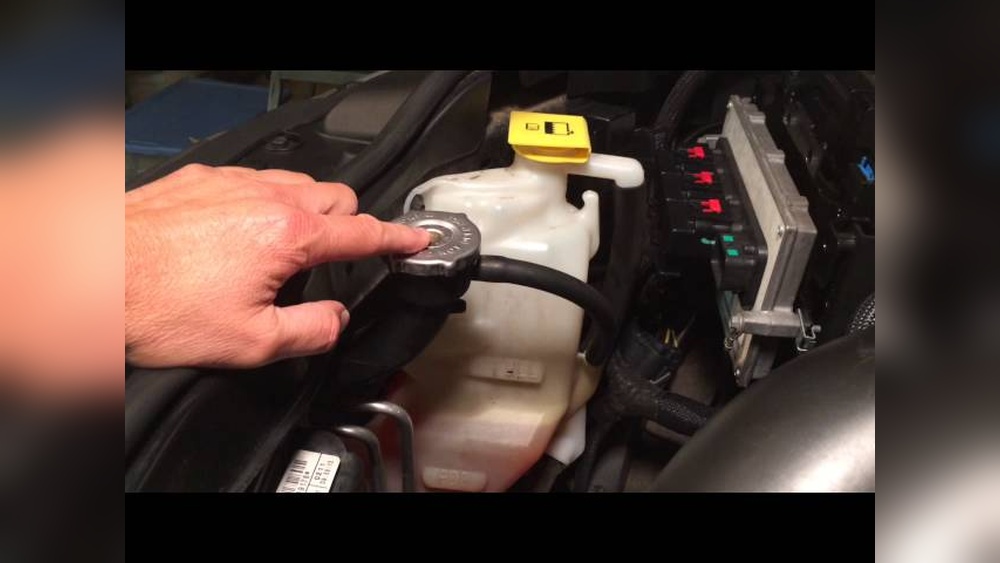
Understanding The Coolant System
Your Jeep Cherokee uses a closed-loop cooling system. This means the coolant moves through the engine, absorbs heat, and then flows to the radiator, where it cools down. The system is pressurized, which helps the coolant stay at the right temperature even when the engine is hot.
The main parts of the system are:
- Coolant reservoir (sometimes called overflow tank)
- Radiator
- Radiator cap
- Hoses
- Engine block
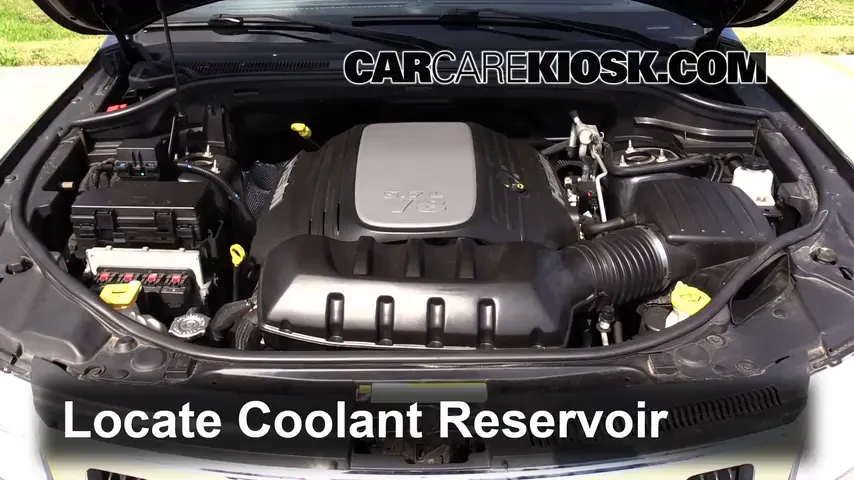
Most new Jeep Cherokees (2014 and newer) have a plastic coolant reservoir located near the front of the engine bay, usually on the passenger side.
Where To Put Coolant In Jeep Cherokee
The coolant reservoir is the correct place to add coolant. You should never open the radiator cap when the engine is hot, because the system is pressurized and hot coolant can spray out.
Here’s how to find the coolant reservoir:
- Open the hood using the latch under the dashboard.
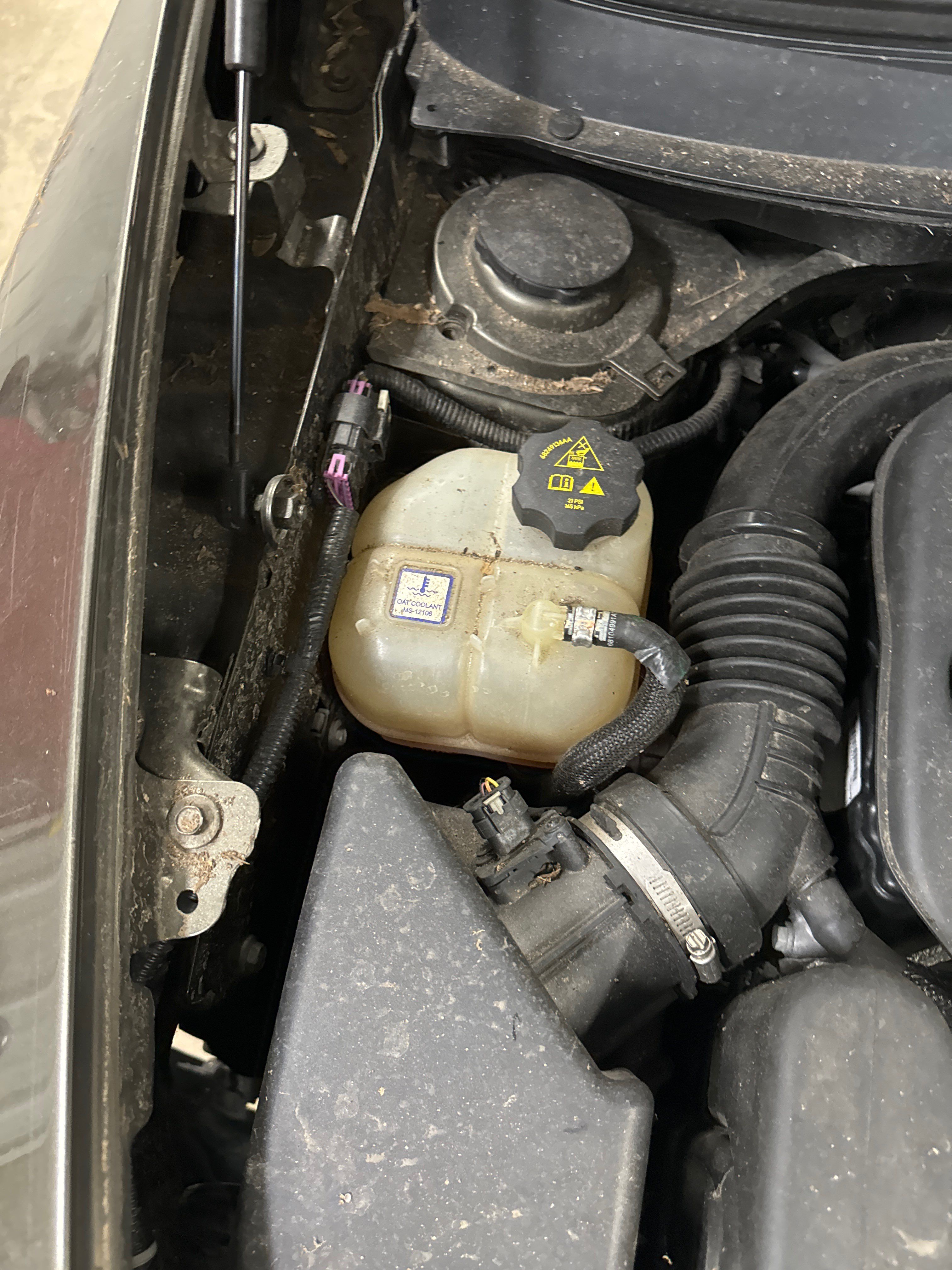
- Look for a translucent plastic tank near the radiator, often with a yellow or orange cap labeled “Engine Coolant.”
- The tank should have markings for “MIN” and “MAX” on the side. These show the safe levels for coolant.
If you’re not sure, check your owner’s manual. It has diagrams for your specific year and model.
Example Location By Year
| Model Year | Coolant Reservoir Location |
|---|---|
| 2014–2022 | Front passenger side, near radiator |
| 2008–2013 | Driver side, close to battery |
| 2001–2007 | Rear engine bay, above wheel well |
How To Add Coolant Step By Step
Adding coolant is simple, but you must be careful. Follow these steps:
- Let the engine cool completely. Never open the coolant cap when hot.
- Find the coolant reservoir.
- Check the current level. If it’s below “MIN,” you need to add coolant.
- Open the cap slowly. Some caps twist off, others pop open.
- Pour coolant slowly, aiming for the “MAX” mark.
- Close the cap tightly.
- Start the engine and let it run for a few minutes. Check for leaks.
Recommended Coolant Types
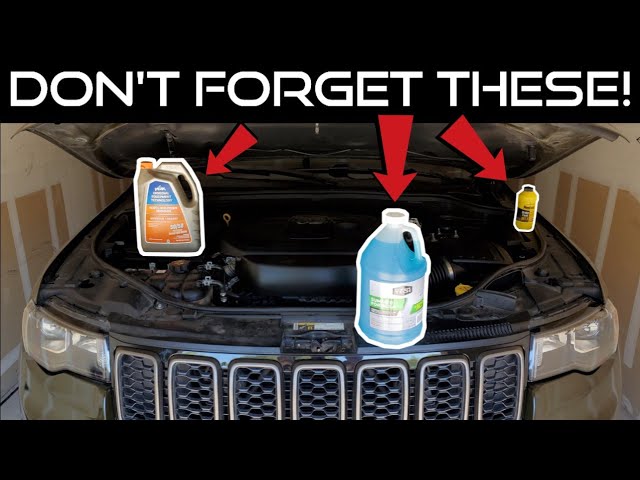
Jeep Cherokees need HOAT (Hybrid Organic Acid Technology) coolant, usually orange or pink. Using the wrong coolant can damage your system.
| Coolant Type | Color | Compatible Years |
|---|---|---|
| HOAT | Orange/Pink | 2008–2022 |
| OAT | Purple | 2014–2022 (Some models) |
| Green (IAT) | Green | 2001–2007 |
Common Mistakes And How To Avoid Them
Many beginners make errors when adding coolant. Here are some to watch out for:
- Opening the radiator cap when hot: This is dangerous. Only use the reservoir.
- Mixing coolant types: Never mix colors or brands unless the label says it’s safe.
- Using water instead of coolant: Water alone does not protect from freezing or corrosion.
- Overfilling: Too much coolant can cause overflow or pressure problems.
Practical Tips
- Use a funnel to avoid spills.
- Check for leaks after adding coolant.
- If the coolant level drops quickly, you may have a leak or other problem.
Signs Your Jeep Cherokee Needs Coolant
Knowing when to add coolant saves you trouble. Watch for these signs:
- Temperature gauge is higher than normal
- Coolant warning light on dashboard
- Sweet smell under hood (leaking coolant)
- Visible leaks under the car
If you see any of these, check the coolant level right away.
Typical Coolant Capacities
| Engine Type | Coolant Capacity (quarts) |
|---|---|
| 2.4L 4-cylinder | 7.0 |
| 3.2L V6 | 9.0 |
| 2.0L Turbo | 8.5 |
How Often Should You Check Coolant?
Checking your coolant every 3 months is a good habit. For most drivers, this means about four times a year. Always check before a long trip or after the car overheats.
Jeep recommends changing coolant every 100,000 miles or 5 years, whichever comes first. Old coolant can lose its effectiveness, leading to corrosion or overheating.
Advanced Tips Most Beginners Miss
- Check coolant quality, not just level: Old coolant can look fine but lose its protection. If it’s cloudy or rusty, replace it.
- Flush the system regularly: Simply adding coolant is not enough. Flushing removes old fluid and debris.
If you’re unsure, ask a mechanic to test your coolant with a hydrometer.
What If You Can’t Find The Coolant Reservoir?
Some models can be confusing. If you’re struggling, try these steps:
- Look for the yellow cap with engine coolant symbol.
- Search online for your Jeep Cherokee’s year and engine diagram.
- Ask at a dealership or auto parts store.
You can find official diagrams and instructions at Jeep Official Manuals.
Frequently Asked Questions
How Much Coolant Does A Jeep Cherokee Need?
Most Jeep Cherokees need between 7–9 quarts of coolant, depending on the engine. Always check your manual for the exact number.
Can I Use Water Instead Of Coolant In Emergencies?
You can use water in emergencies, but only short-term. Water lacks the anti-freeze and anti-corrosion properties of real coolant.
What Color Should My Coolant Be?
For most Jeep Cherokees, coolant is orange or pink. Using the wrong color can cause issues. Check the label and your manual.
How Often Should I Change Coolant?
Change coolant every 5 years or 100,000 miles. If you drive in extreme conditions, check it more often.
What Should I Do If My Coolant Keeps Disappearing?
If you keep losing coolant, you may have a leak, a bad radiator cap, or a blown head gasket. Visit a mechanic if you can’t find the problem.
Checking and adding coolant to your Jeep Cherokee is easy once you know where to look. Protect your engine by using the right coolant, checking levels regularly, and avoiding common mistakes. When in doubt, consult your manual or talk to a trusted mechanic.
Taking care of your coolant system means your Jeep Cherokee will stay reliable for years to come.