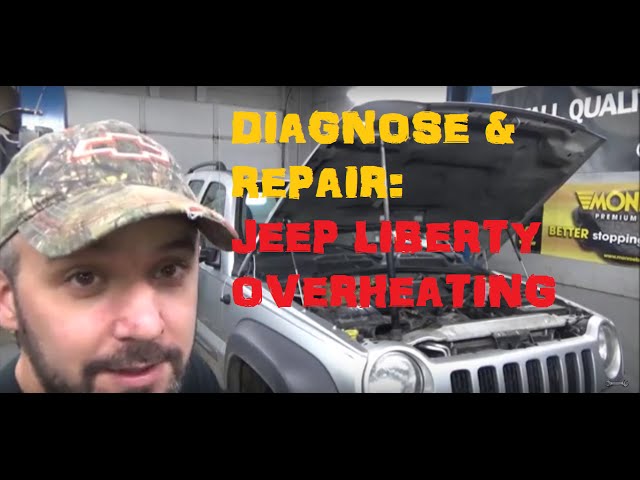
If your Jeep Liberty is overheating, it can be stressful and confusing. Overheating is a common problem with many vehicles, but it’s especially important to address quickly in a Jeep Liberty.
Ignoring high engine temperatures can lead to expensive repairs, engine failure, or even dangerous driving situations. Let’s explore the main reasons your Jeep Liberty might be overheating, how to identify the cause, and what you can do to fix or prevent it.
Common Causes Of Overheating In Jeep Liberty
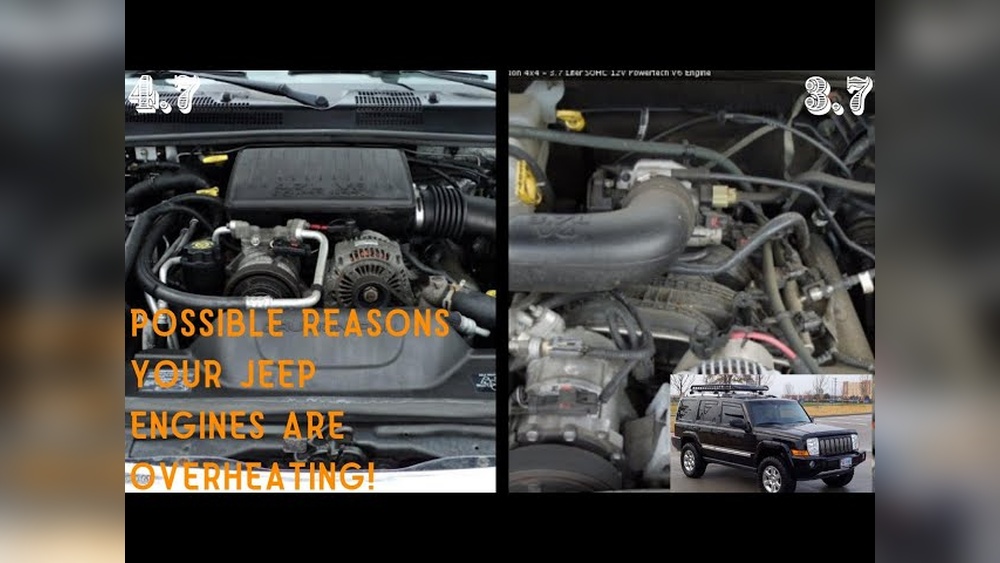
Several factors can make your Jeep Liberty’s engine run too hot. Here are the most frequent causes:
1. Low Coolant Levels
Coolant absorbs heat from the engine and moves it to the radiator. If the coolant is low, heat can’t escape properly. This is often caused by leaks, evaporation, or a damaged cap.
2. Faulty Thermostat
The thermostat controls when coolant flows into the engine. If it sticks closed, coolant can’t circulate, causing a quick rise in temperature.
3. Radiator Problems
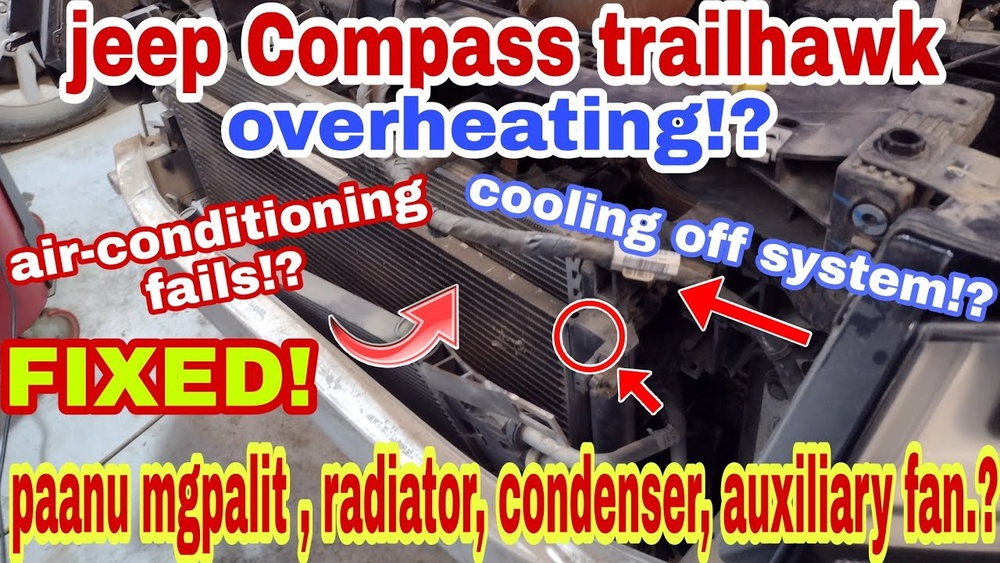
The radiator’s job is to remove heat from the coolant. Issues like clogged radiator cores, internal corrosion, or leaking hoses can block this process.
4. Water Pump Failure
The water pump moves coolant through the engine and radiator. A broken or leaking pump won’t move enough coolant, resulting in hot engine temperatures.
5. Broken Cooling Fan
The cooling fan pulls air through the radiator, especially when you’re driving slowly or stopped. If the fan fails, the radiator can’t cool the engine, especially in traffic.
6. Blocked Or Damaged Hoses
Collapsed or blocked hoses stop coolant from circulating. Even a small blockage can create hot spots in the engine.
7. Head Gasket Issues
A blown head gasket lets engine oil and coolant mix, causing overheating and white smoke from the exhaust. This is a serious problem and often expensive to repair.
Common Causes Compared
Here’s a quick look at how these issues compare in terms of frequency and repair cost:
| Cause | Frequency | Average Repair Cost |
|---|---|---|
| Low Coolant | Very Common | $50–$120 |
| Thermostat Failure | Common | $120–$250 |
| Radiator Problems | Common | $300–$900 |
| Water Pump Failure | Less Common | $350–$700 |
| Head Gasket | Rare | $1,000–$2,000+ |
Signs Your Jeep Liberty Is Overheating
Knowing the symptoms can help you stop engine damage early. Look out for these warning signs:
- Temperature gauge moves into the red zone
- Steam coming from under the hood
- Strange smells (sweet, like syrup)
- Coolant puddles under the vehicle
- Engine warning lights on the dashboard
If you see any of these, it’s best to stop driving as soon as it is safe.
How To Diagnose The Problem
Pinpointing why your Jeep Liberty is overheating saves time and money. Here are steps you can take:
1. Check Coolant Level
Look at the coolant reservoir when the engine is cold. If it’s low, top it off, but remember: low coolant means there’s likely a leak or other problem.
2. Inspect For Leaks
Check the radiator, hoses, and water pump for wet spots or drips. Even small leaks matter.
3. Test The Thermostat
If your engine heats up quickly and stays hot, the thermostat may be stuck closed. Removing and testing it in hot water can confirm this.
4. Radiator Condition
Look for debris, corrosion, or bent fins on the radiator. These block airflow and reduce cooling.
5. Fan Function
With the engine running and hot, see if the cooling fan turns on. If not, it might be a fuse, sensor, or the fan itself.
6. Check Hoses
Feel the hoses. If one is much colder or feels collapsed, you may have a blockage.
Diagnostic Steps And Difficulty
This table shows which steps are easy for most people and which may need a mechanic:
| Step | DIY Friendly? | Tools Needed |
|---|---|---|
| Coolant Check | Yes | None |
| Leak Inspection | Yes | Flashlight |
| Thermostat Test | Maybe | Wrench, Pot, Thermometer |
| Radiator Check | Yes | None |
| Fan Test | Yes | None |
| Hose Check | Yes | None |
Preventing Overheating In Your Jeep Liberty
A few simple steps can help you avoid overheating problems in the future:
- Check coolant level every month, especially before long trips
- Change coolant as recommended in your owner’s manual (usually every 2–3 years)
- Inspect hoses and belts for cracks or wear
- Flush the radiator to remove buildup and debris
- Replace the thermostat if your Jeep is over 100,000 miles old and overheating is a problem
Many owners forget to flush the radiator or replace worn hoses until a problem happens. These are quick jobs that can stop big repair bills later.
Two Important Insights Most Owners Miss
First, many people add water instead of the correct 50/50 coolant mix. Pure water can freeze or boil quickly, and it won’t prevent corrosion. Always use the right coolant for your climate.
Second, some Liberty models have plastic radiator tanks that crack more easily than metal ones. Inspect the tank seams for hairline cracks—these are easy to miss but can cause slow leaks and overheating.
When To See A Mechanic
If you’ve checked the basics but your Jeep Liberty still overheats, it’s time for a professional. Issues like a blown head gasket or internal engine problems need special tools and skills. Catching these early can save your engine.
For more technical details about cooling systems, you can visit the Engine Cooling Wikipedia page.
Frequently Asked Questions
Why Does My Jeep Liberty Overheat When Idling But Not While Driving?
This often means the cooling fan isn’t working. When you’re moving, air flows through the radiator. At idle, the fan must pull air. If it fails, overheating starts.
Can A Bad Radiator Cap Cause Overheating?
Yes. A weak or broken radiator cap can let coolant escape as steam, lowering pressure and causing the engine to overheat.
How Often Should I Replace Coolant In My Jeep Liberty?
Most experts suggest every 2–3 years or 30,000–50,000 miles. Always use the type recommended by Jeep.
Is It Safe To Drive My Jeep Liberty If It’s Overheating?
No. Driving even a short distance with a hot engine can cause major engine damage. Stop, let the engine cool, and check coolant before driving again.
My Check Engine Light Is On—could This Relate To Overheating?
Yes. Overheating often triggers the check engine light. You should read the error codes to help find the exact problem.
If your Jeep Liberty is overheating, acting fast is key. With some basic checks and regular maintenance, you can keep your engine running smoothly and avoid costly repairs.