How Long Does A Jeep Wrangler Last? Real Lifespan, Mileage, And Tips
If you are thinking about buying a Jeep Wrangler, you probably want to know: how long does a Jeep Wrangler last? This question is important because a Wrangler is not a cheap car, and you want to be sure it will last many years. The good news is, with the right care, a Jeep Wrangler can stay on the road much longer than most SUVs. But there are some things you should know before you buy one or keep yours for the long haul.
In this guide, you will learn how many miles and years you can expect from a Wrangler, what helps it last longer, common problems, and ways to get the most life from your Jeep. We’ll look at real-world data, give practical advice, and answer the questions most buyers ask.
By the end, you’ll know if a Wrangler is the right long-term vehicle for you.
Typical Lifespan Of A Jeep Wrangler
The Jeep Wrangler is known for its tough design and off-road ability. But how long do these vehicles really last? Many owners report reaching high mileage, and some Wranglers are still going strong after two decades.
Average Mileage Before Major Problems
Most Jeep Wranglers last between 200,000 and 400,000 miles with regular maintenance. Some even reach 500,000 miles, but this is less common. On average, you can expect a well-cared-for Wrangler to last:
- 10 to 15 years with normal driving and basic upkeep
- 200,000 to 250,000 miles before needing any major repairs
Here is a simple comparison with similar vehicles:
| Model | Average Lifespan (Miles) | Average Lifespan (Years) |
|---|---|---|
| Jeep Wrangler | 200,000–400,000 | 10–20 |
| Toyota 4Runner | 250,000–350,000 | 12–18 |
| Ford Bronco | 200,000–300,000 | 10–15 |
| Honda CR-V | 200,000–300,000 | 10–17 |
What Makes The Wrangler Last?
There are several reasons why the Wrangler has such a strong reputation for longevity:
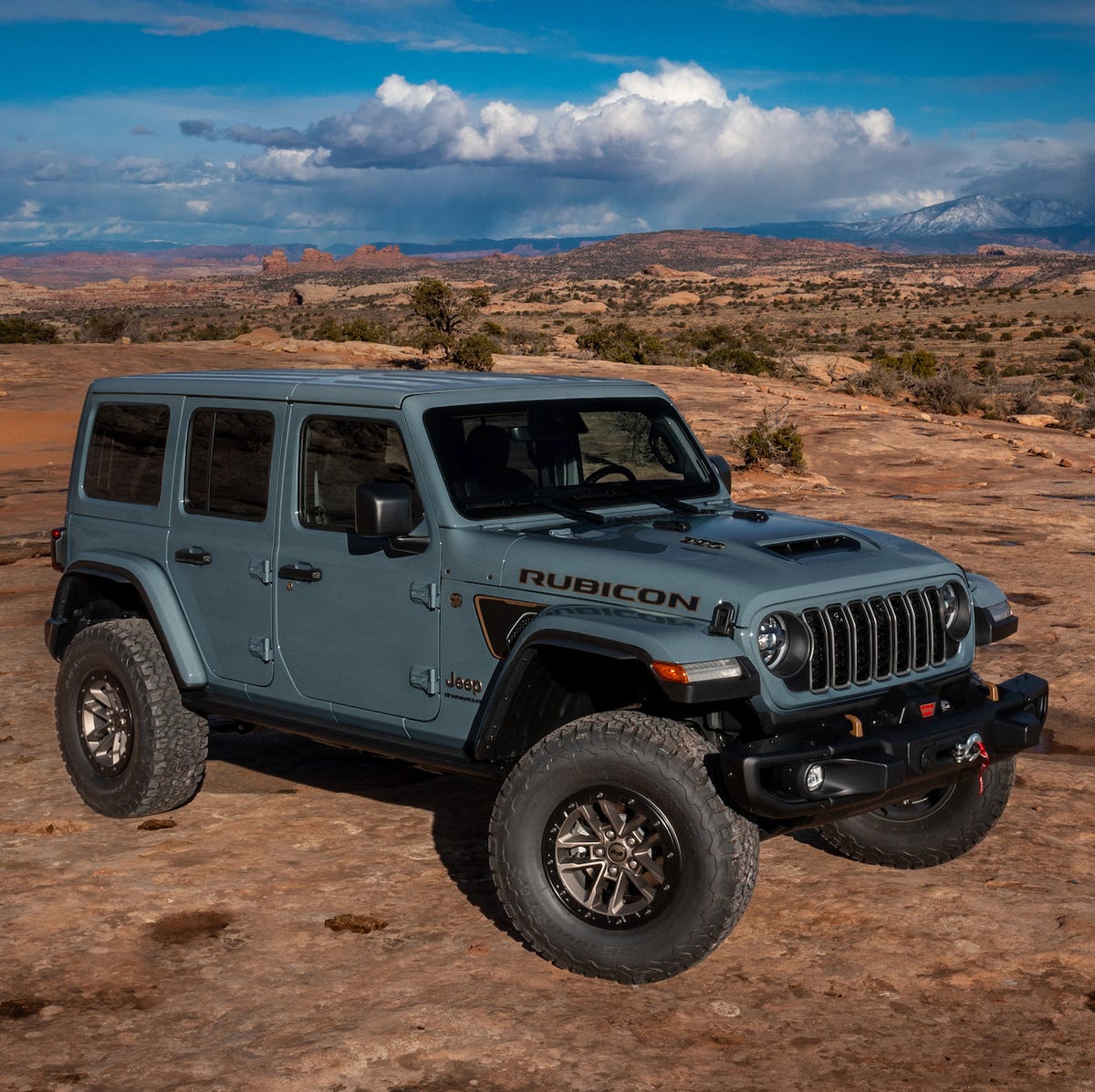
- Solid frame: The Wrangler uses a body-on-frame design, which is more rugged than unibody construction.
- Simple mechanics: Many models have less complicated electronics, making repairs easier and cheaper.
- Strong community: There are many owners and mechanics who know how to keep Wranglers running.
Key Factors Affecting Jeep Wrangler Longevity
Not all Wranglers last the same. Here are the main things that affect how long yours will keep going:
1. Maintenance And Care
The number one factor is regular maintenance. Oil changes, fluid checks, and simple repairs will help you avoid costly breakdowns. Skipping these can shorten your Jeep’s life by thousands of miles.
2. Driving Habits
How you drive makes a big difference. City driving with lots of short trips can be harder on the engine and transmission. Off-roading is fun, but rough trails can wear out parts faster if you don’t check and fix damage.
3. Climate And Environment
Salt from winter roads can cause rust, especially in northern states. Mud, water, and dust also speed up wear. If you live in a harsh climate, cleaning and protecting your Wrangler is even more important.
4. Model Year And Engine Type
Newer Wranglers may have more electronics, which can mean more things to fix. Older models are often simpler, but may need more attention due to age. The most reliable engines are often the inline 6-cylinder (4.0L) and the 3.6L Pentastar V6.
Here’s a quick look at engine reliability:
| Engine | Years Used | Reliability |
|---|---|---|
| 4.0L Inline-6 | 1987–2006 | Very High |
| 3.6L Pentastar V6 | 2012–present | High |
| 2.0L Turbo I4 | 2018–present | Moderate |
| 2.5L Inline-4 | 1987–2002 | Good |
5. Previous Owner’s Care (if Used)
If you buy a used Wrangler, always check the service records. A Jeep with a rough history may not last as long, no matter what you do.
Common Problems In Older Jeep Wranglers
No car is perfect, and even Wranglers have issues as they age. Here are some common problems seen in high-mileage models:
- Rust on frame and underbody: Especially in areas with salted winter roads.
- Oil leaks: Older engines may develop leaks from seals or gaskets.
- Electrical issues: Worn wiring and connectors can cause problems, especially in models with more electronics.
- Suspension wear: Bushings, shocks, and joints can wear out after years of off-roading.
- Transmission problems: Manual transmissions usually last longer, but automatics may need a rebuild after 150,000–200,000 miles.
Most of these problems can be fixed, but knowing what to expect helps you plan and budget.
Maintenance Tips To Make Your Wrangler Last Longer
Want to get the most miles out of your Jeep Wrangler? Here are practical steps you can take:
- Change the oil every 3,000–5,000 miles (or as your manual says).
- Check and replace fluids: Transmission, differential, brake, and coolant.
- Inspect the undercarriage for rust and damage, especially after off-roading.
- Wash the frame and underbody after driving on salted roads or through mud.
- Replace worn suspension parts early to avoid bigger issues.
- Keep tires rotated and balanced for better handling and longer tire life.
- Fix leaks quickly to avoid bigger engine or transmission problems.
- Follow the maintenance schedule in your owner’s manual.
Many owners miss the importance of washing the underbody. Dirt, mud, and salt can hide in small spaces and cause rust. Cleaning these areas just a few times a year can add years to your Wrangler’s life.
Real-world Jeep Wrangler Ownership Costs
A Wrangler can last a long time, but what does it cost to keep one running? Here’s an idea of typical annual expenses for an older Jeep:
| Expense Type | Estimated Yearly Cost (USD) |
|---|---|
| Basic Maintenance | $400–$700 |
| Repairs (minor/major) | $300–$1,200 |
| Insurance | $1,000–$1,500 |
| Fuel | $2,000–$2,500 |
Wranglers are not the cheapest SUVs to own, mainly because of fuel economy (often 17–22 mpg). But parts are easy to find, and many repairs are DIY-friendly. If you do your own work, you can save a lot.
Pros And Cons Of Keeping A Jeep Wrangler Long-term
Before you decide to drive your Wrangler for 10 years or more, consider these points:
Pros
- Durable frame and parts
- Strong resale value, even at higher miles
- Large support community for help and advice
- Simple repairs on many older models
- Fun to drive on and off-road
Cons
- Poor fuel economy compared to most SUVs
- Can be noisy and less comfortable on highways
- Older models lack modern tech and safety
- Rust and leaks can be a problem if not checked
- Some years had recalls for parts like airbags or electronics
A non-obvious benefit is that Wranglers often keep their value well, even after 100,000 miles. This means you can sell or trade yours for a good price, which is rare among older SUVs.
Tips For Buying A Used High-mileage Jeep Wrangler
If you’re looking at a Wrangler with over 100,000 miles, here’s what you should check:
- Frame and underbody for rust: Use a flashlight and look closely.
- Service records: More records mean better care.
- Listen for odd noises: Test drive on rough roads and highways.
- Check for leaks: Look under the Jeep after parking.
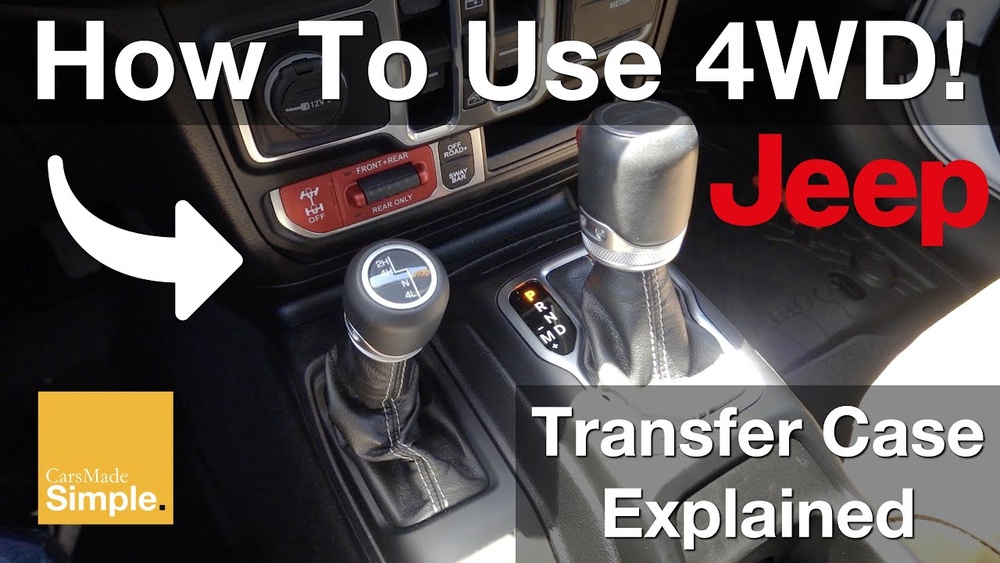
- Test all electronics and 4WD: Make sure everything works.
A common mistake is ignoring small rust spots or leaks. These can become big, expensive problems if you do not fix them early.
How To Tell If Your Wrangler Is Near The End Of Its Life
Even tough vehicles have a limit. Here are warning signs your Jeep may be reaching its final miles:
- Major rust on the frame
- Frequent overheating
- Transmission slipping or not shifting
- Multiple warning lights
- Expensive repairs exceed the Jeep’s value
If you see these signs, it may be time to think about replacing your Wrangler or selling it to someone who wants a project car.

Frequently Asked Questions
How Many Miles Can A Jeep Wrangler Last With Good Care?
Most Jeep Wranglers last at least 200,000 miles, and many owners reach 300,000 or more. With excellent maintenance, some have reported over 400,000 miles. Keeping up with oil changes, fixing problems quickly, and cleaning the underbody are key.

Is A Jeep Wrangler Expensive To Maintain?
A Wrangler’s yearly maintenance cost is about $400–$700 for basic care, plus possible repairs. Parts are usually easy to find, and many repairs can be done by owners. Fuel costs are higher than many SUVs, but the Wrangler’s simple design helps keep repair costs reasonable.
What Year Jeep Wrangler Is The Most Reliable?
Many owners consider the 1997–2006 TJ models and the 2012–2018 JK (with the 3.6L Pentastar V6) to be the most reliable. These have strong engines and fewer electronics, making them easier and cheaper to fix.
Does Off-roading Shorten A Wrangler’s Lifespan?
Off-roading can cause more wear to suspension and driveline parts, but it won’t ruin your Wrangler if you clean, inspect, and repair it after each trip. Regular off-roaders need to pay more attention to underbody cleaning and suspension checks.
Where Can I Find More Details About Jeep Wrangler Reliability?
For more detailed information on Jeep Wrangler reliability and owner experiences, check out this Jeep Wrangler Wikipedia page.
A Jeep Wrangler is a vehicle built to last, but only if you take care of it. Whether you plan to own yours for five years or twenty, regular maintenance and smart driving will help you get the most life from your investment.
If you love adventure and want a car that can handle almost anything, the Wrangler is hard to beat. With a little attention and care, your Jeep can be part of your life for many years—and miles—to come.