How Much Does A Jeep Tj Weigh? (specs, Comparisons & Practical Tips)
If you own a Jeep TJ or are thinking about buying one, you might wonder, how much does a Jeep TJ weigh? Weight is important for many reasons—like towing, fuel use, and safety. Jeep TJs have a classic look and great off-road ability, but their weight changes depending on the year, trim, and what you add. Understanding the weight will help you make smarter choices, whether you want to upgrade, tow, or just learn more about your 4×4.
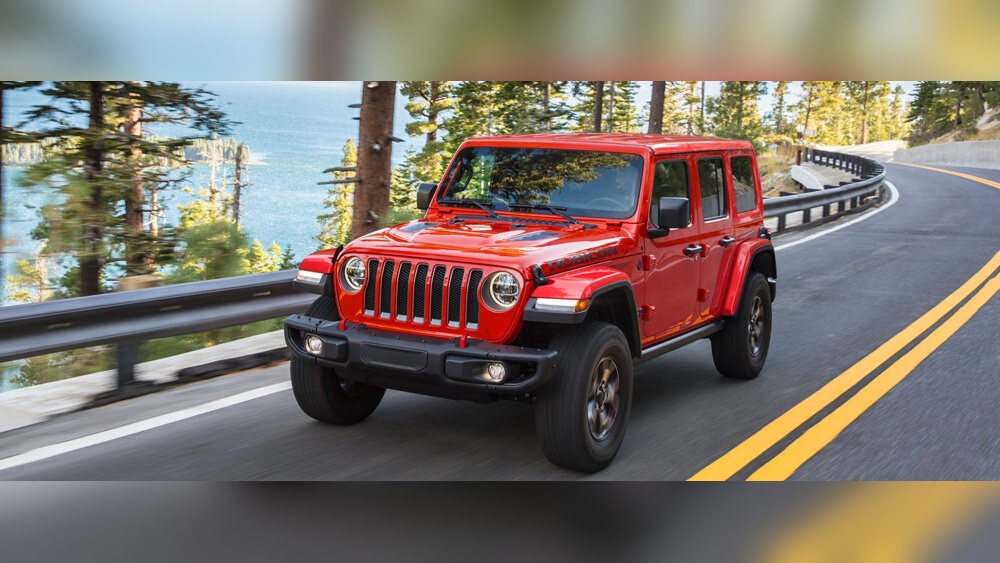
In this guide, you’ll find clear weight data, useful tables, and real-world insights for beginners. We’ll break down curb weight, gross vehicle weight rating (GVWR), and what really affects your Jeep’s weight. Let’s make sense of the numbers and what they mean for you.
What Is A Jeep Tj?
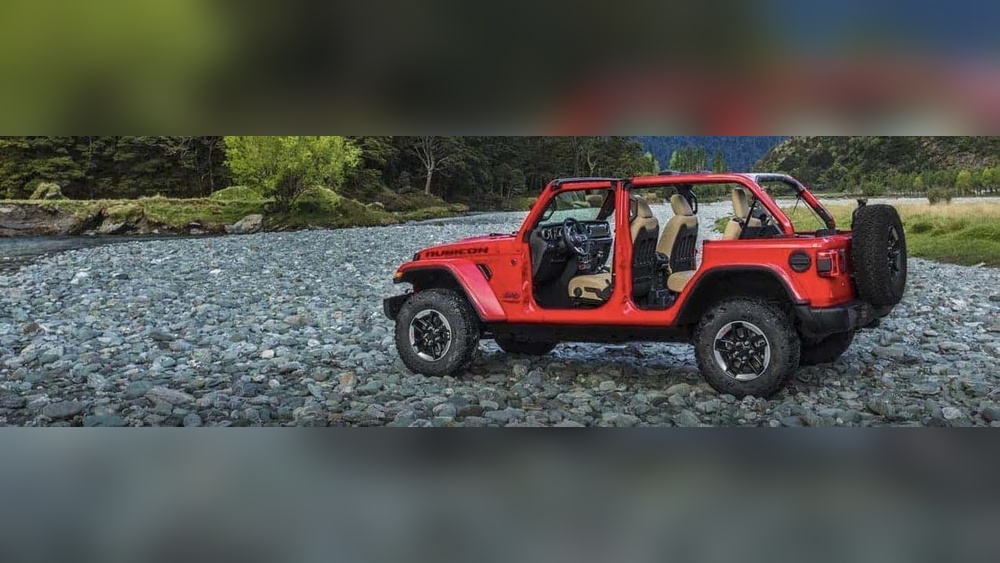
The Jeep TJ is the second generation of the Jeep Wrangler, built from 1997 to 2006. TJs replaced the older YJ model and brought back the famous round headlights. They have solid axles, coil spring suspension, and a removable top. The TJ is loved for its simple design and strong off-road ability.
You’ll find two main body styles:
- Two-door Wrangler: The classic TJ shape.
- Unlimited (LJ): A longer version sold from 2004-2006, also called the LJ.
Both models are known for being lightweight compared to modern Jeeps, making them popular for off-roading.
Types Of Jeep Tj Weight Explained
Before we look at numbers, it helps to know the key weight terms:
- Curb Weight: The weight of the Jeep as it comes from the factory, with all fluids and a full tank of gas—but no passengers or cargo.
- Gross Vehicle Weight Rating (GVWR): The maximum safe weight of the Jeep, including passengers, cargo, and modifications.
- Payload: How much weight you can carry inside the Jeep (people and gear) without going over the GVWR.
- Gross Combined Weight Rating (GCWR): The total allowed weight of the Jeep plus anything it tows.
Knowing these terms will help you use the weight data correctly.

Jeep Tj Weight By Year And Model
Not all Jeep TJs weigh the same. The weight changes based on:
- Year (1997 to 2006)
- Engine (2.5L or 4.0L)
- Trim (SE, Sport, Sahara, Rubicon)
- Body (standard or Unlimited)
Here’s a clear table showing the typical curb weights for main Jeep TJ models.
| Year | Model | Engine | Curb Weight (lbs) |
|---|---|---|---|
| 1997-2002 | SE | 2.5L I4 | 3,097 |
| 1997-2002 | Sport/Sahara | 4.0L I6 | 3,241 |
| 2003-2006 | X/Sport/Sahara | 4.0L I6 | 3,307 |
| 2003-2006 | Rubicon | 4.0L I6 | 3,760 |
| 2004-2006 | Unlimited (LJ) | 4.0L I6 | 3,760 |
Most standard Jeep TJ Wranglers weigh between 3,100 and 3,300 lbs. Rubicon and Unlimited versions are heavier, often close to 3,800 lbs. This is still lighter than most modern SUVs.
Key Factors That Affect Jeep Tj Weight
Your Jeep TJ’s weight can change due to several factors. Here are the most common:
- Engine Size: The 4.0L inline-six engine is heavier than the 2.5L four-cylinder.
- Transmission: Automatic transmissions add extra weight compared to manuals.
- Trim Level: Rubicon and Unlimited trims include heavy-duty parts (axles, transfer case, skid plates) that raise the weight.
- Hardtop vs. Soft Top: Hardtops are heavier, usually adding 80–100 lbs over a soft top.
- Aftermarket Add-ons: Popular upgrades like steel bumpers, winches, rock sliders, and bigger tires all increase weight.
If you have a fully loaded Rubicon with off-road gear, your Jeep TJ could weigh 4,000 lbs or more.

Comparing Jeep Tj Weight To Other Jeep Models
How does the Jeep TJ’s weight compare to other Wranglers and similar vehicles? Here’s a quick look:
| Model | Years | Curb Weight (lbs) |
|---|---|---|
| Jeep YJ | 1987–1995 | 2,855–3,241 |
| Jeep TJ | 1997–2006 | 3,097–3,760 |
| Jeep JK (2-door) | 2007–2018 | 3,760–3,879 |
| Jeep JL (2-door) | 2018–present | 3,955–4,167 |
As you can see, the Jeep TJ is lighter than later Wranglers (JK and JL). This makes the TJ feel more agile off-road and easier to modify. However, newer Jeeps are heavier because of more safety features and comfort options.
Gross Vehicle Weight Rating (gvwr) And Payload
It’s easy to mix up curb weight and GVWR. The GVWR tells you the most your Jeep can safely weigh when fully loaded. This includes:
- Jeep’s curb weight
- Passengers
- Cargo
- Aftermarket parts
If you go over the GVWR, you risk damaging your Jeep or failing safety checks.
Here’s a breakdown of typical GVWR and payload numbers for the Jeep TJ:
| Model | GVWR (lbs) | Typical Payload (lbs) |
|---|---|---|
| TJ SE/Sport/Sahara | 4,450 | 900–1,000 |
| TJ Rubicon | 4,600 | 850–900 |
| TJ Unlimited (LJ) | 4,800 | 1,000–1,050 |
Insight for beginners: Many owners forget that heavy upgrades (like steel bumpers and a winch) eat into your payload. If you add 300 lbs of gear, your Jeep can carry less people and cargo before hitting the GVWR.
Why Jeep Tj Weight Matters
Understanding your Jeep TJ’s weight is not just about numbers. It affects:
- Towing: Heavier Jeeps can tow a bit more, but you must know the limits. Most Jeep TJs can tow up to 2,000 lbs safely.
- Fuel Economy: Lighter Jeeps use less fuel. Adding extra weight lowers miles per gallon (MPG).
- Handling and Safety: Overloaded vehicles are harder to control and can be dangerous.
- Legal Issues: Going over the GVWR is illegal in many places.
Pro tip: Always check the sticker inside your driver’s door for your exact GVWR and recommended tire pressures.
How To Check Your Jeep Tj’s Weight
Want to know your Jeep’s real weight? Here are simple ways to check:
- Owner’s Manual or Door Sticker: Find the factory curb weight and GVWR.
- Weigh Station or Truck Scale: Drive your Jeep onto a public scale (often at truck stops or recycling centers). This gives the most accurate number, including all upgrades and gear.
- Subtract Gear Weight: For a close estimate, add up the weight of any aftermarket parts (like a winch or roof rack) and add to the curb weight.
Beginner mistake: Don’t guess based on online numbers. Two TJs with different mods can have a 300 lbs difference.
Pros And Cons Of Jeep Tj’s Weight
Every vehicle weight comes with trade-offs. Here’s what you need to know about the Jeep TJ:
Pros:
- Lightweight for Off-Roading: Easier to handle on trails, less likely to get stuck.
- Simple Design: Fewer heavy electronics and safety systems.
- Easy to Modify: Lower weight means you can add upgrades without pushing limits.
Cons:
- Lower Towing Capacity: Can’t tow as much as heavier SUVs.
- Less Stable at High Speeds: Light weight can make the Jeep feel less steady on highways.
- Limited Payload: Can’t carry as much gear as modern, heavier vehicles.
Hidden insight: Some owners add heavy parts for looks, but this can hurt off-road performance by making the Jeep less nimble.
Should You Worry About Jeep Tj Weight?
For most owners, the TJ’s weight is an advantage. It means:
- Better off-road agility
- Easier to fit in small garages
- Less strain on the engine
But you should pay attention if:
- You tow a trailer regularly
- You plan to add lots of heavy gear
- You drive with several adult passengers often
Keeping your TJ within its GVWR keeps you safe and your Jeep running well.
Extra Tips For Managing Your Jeep Tj’s Weight
- Remove unused heavy gear before long trips.
- Choose aluminum parts instead of steel when possible.
- If you add a winch or steel bumpers, consider upgrading suspension.
- Regularly check tire pressure—extra weight can affect it.
- Weigh your Jeep after big upgrades to stay within safe limits.
For more technical details about Jeep TJs, you can visit the official Jeep Wrangler (TJ) Wikipedia page.
Frequently Asked Questions
What Is The Average Weight Of A Stock Jeep Tj?
A stock Jeep TJ usually weighs between 3,100 and 3,300 pounds. This is for standard models without heavy add-ons or upgrades. Rubicon and Unlimited models are closer to 3,800 pounds.
How Much Weight Do Aftermarket Parts Add To A Jeep Tj?
Common upgrades like steel bumpers, winches, and larger tires can add 200 to 500 pounds or more. Each part has its own weight—always check before installing.
Does A Hardtop Make The Jeep Tj Much Heavier?
Yes, a factory hardtop adds about 80 to 100 pounds compared to a soft top. If you add roof racks or extra accessories, that number goes up.
Can A Jeep Tj Tow A Camper Or Trailer?
A Jeep TJ has a max towing capacity of 2,000 pounds. Always make sure your trailer (plus gear) stays under this limit. Going over can damage your Jeep and is unsafe.
Where Can I Find My Jeep Tj’s Exact Weight?
Check the sticker inside the driver’s door for curb weight and GVWR. For the most accurate number, weigh your Jeep at a public truck scale with all your gear inside.
If you’re thinking about upgrades or planning a trip, understanding your Jeep TJ’s weight is simple but important. It helps you stay safe, legal, and ready for your next adventure. The TJ’s lighter weight is a big reason why it’s still a favorite among off-road fans and Jeep lovers.
Stay informed and enjoy the ride!