Many Jeep drivers notice something special when they meet another Jeep on the road—a friendly hand raised in greeting. This simple gesture is called the Jeep Wave, and it’s more than just a hello. For new owners, the Jeep Wave can feel like a secret handshake, leaving them wondering: How did the Jeep Wave start? Is it just a fun tradition or does it have a deeper meaning? In this article, you’ll discover the history, the reasons behind the Jeep Wave, how to do it properly, and why it matters to Jeep owners today.
The Origins Of The Jeep Wave
The Jeep Wave began as a sign of respect between drivers, but its roots stretch back to World War II. During the war, the Jeep was a key military vehicle. Soldiers relied on Jeeps for transport, rescue, and supply missions. When the war ended, many veterans returned home and bought civilian Jeeps. On the road, they started to recognize each other and wave, showing respect for their shared experiences.
Over time, this simple wave became a tradition among Jeep drivers. It was a way to say, “I see you. We’re part of the same family. ” The Jeep Wave grew from a symbol of camaraderie into a lasting ritual, passed down from generation to generation.

Early Jeep Owners And The Wave
In the late 1940s and 1950s, Jeep owners were mostly veterans or outdoor enthusiasts. Jeeps were rare, so drivers often noticed each other. The wave was a way to show mutual respect. It wasn’t just for fun—it meant something.
Some people believe the Jeep Wave started because Jeeps were unique. Unlike other cars, Jeeps could go off-road, climb hills, and drive through mud. Owners felt proud, and the wave was a way to celebrate that pride.
The Jeep Wave Becomes Mainstream
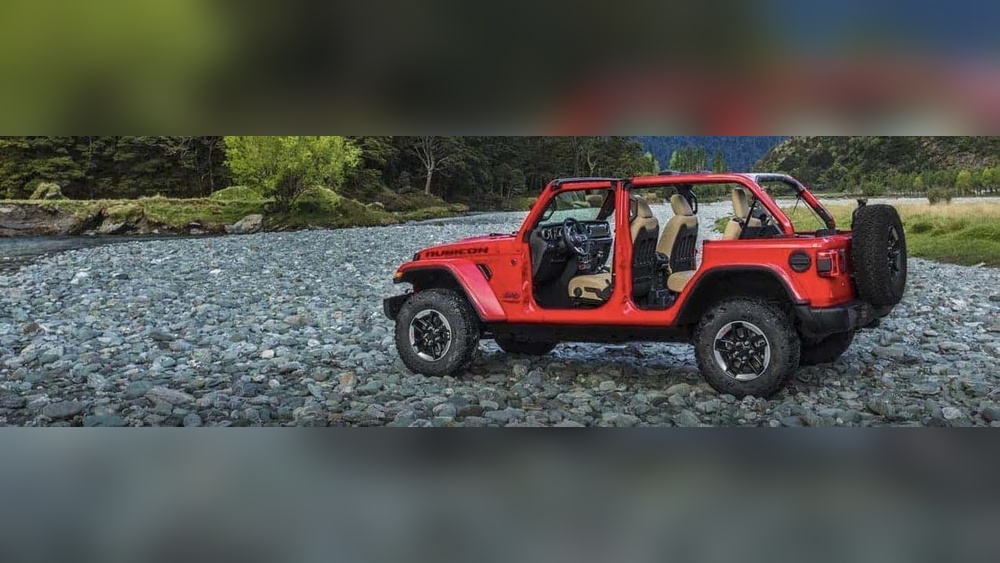
As Jeeps became more popular, especially with models like the Wrangler, the wave spread. Even people who never served in the military or went off-roading began to join the tradition. Today, the Jeep Wave is recognized across the US and around the world.
The Meaning Behind The Jeep Wave
For many drivers, the Jeep Wave is more than a greeting. It’s a sign of community and belonging. If you drive a Jeep, you’re part of a group that values adventure, freedom, and respect.
The wave can mean different things:
- Recognition: You see another Jeep driver and acknowledge them.
- Respect: You honor the history and spirit of the Jeep brand.
- Connection: You feel connected to others who love Jeeps.
Some owners say the wave reminds them of the military roots of Jeep. Others see it as a sign of friendliness on the road.

How To Do The Jeep Wave
Doing the Jeep Wave is simple, but there are a few styles. Here are the most common ways:
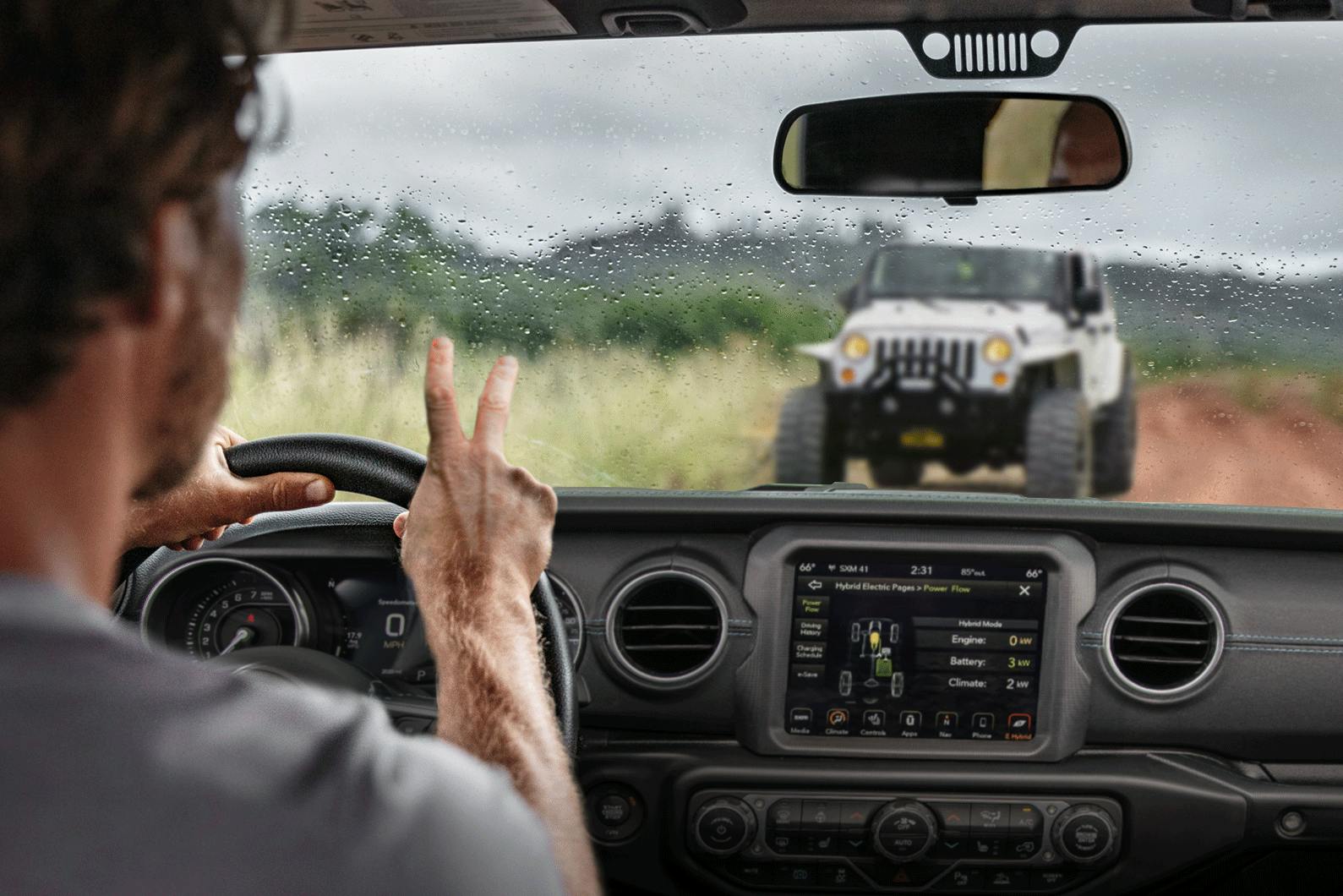
- Raise your hand off the steering wheel.
- Give a quick finger wave. (Two or four fingers)
- Nod your head or smile.
Most people use the wave when they see another Jeep approaching. There’s no strict rule, but it’s usually done between Wrangler drivers or older Jeep models. Some drivers wave at all Jeep types, while others only wave at certain models.
Jeep Wave Etiquette
Knowing who to wave to can be confusing, especially for beginners. Here are some basic guidelines:
- Always wave at other Jeep Wranglers.
- Wave at classic Jeep models (CJ, YJ, TJ).
- If you drive a newer model (Cherokee, Grand Cherokee), the wave is optional.
- Don’t expect a wave from drivers in Jeep SUVs or trucks—they may not know about the tradition.
Some Jeep communities take the wave seriously. There are even online forums where owners discuss the “rules” and share stories about missed waves.
Jeep Wave Vs. Other Car Waves
Many car owners wave at each other, but the Jeep Wave is unique. It’s tied to the history and culture of the Jeep brand. Let’s compare the Jeep Wave with other car waves:
| Car Brand | Type of Wave | Reason for Wave | Frequency |
|---|---|---|---|
| Jeep | Hand/Finger Wave | Community, History | Very Common |
| Motorcycle | Low Hand Wave | Safety, Brotherhood | Common |
| Corvette | Head Nod/Wave | Brand Pride | Occasional |
| Subaru | Head Nod | Outdoor Lifestyle | Rare |
As you can see, Jeep drivers wave more often than most other car brands. The tradition is stronger and more widely accepted.
Modern Jeep Wave Program
Jeep has noticed the popularity of the wave and now offers an official Jeep Wave Program. This program gives owners special benefits, such as:
- Free oil changes
- Priority customer service
- Discounts on parts and accessories
To join, you usually need to buy a new Jeep or sign up online. The program is a way for Jeep to reward loyal owners and keep the tradition alive.
Jeep Wave Program Benefits Comparison
Here’s a quick comparison of what’s included in the official Jeep Wave Program versus regular ownership:
| Benefit | Jeep Wave Program | Regular Ownership |
|---|---|---|
| Free Oil Changes | Yes (2 years) | No |
| Customer Service | Priority Access | Standard |
| Accessory Discounts | Yes | No |
| Community Events | Invitations | Optional |
The program costs about $150–$200 per year, but many owners find it worth the price for the perks and feeling of community.
Jeep Wave Across The Globe
The Jeep Wave is most popular in the United States, but it has spread to other countries. In Canada, Australia, and Europe, Jeep owners wave to each other, especially when driving off-road or at Jeep events.
In some places, the wave is less common, but Jeep clubs and online groups help keep the tradition alive. Social media has made it easier for Jeep owners to share their experiences and invite new drivers to join the wave.
Common Mistakes With The Jeep Wave
Beginners often make mistakes with the Jeep Wave. Here are a few to avoid:
- Forgetting to wave at other Wranglers
- Waving at non-Jeep vehicles (not part of the tradition)
- Using an obvious or exaggerated wave (keep it casual)
- Expecting every Jeep driver to wave back
Some drivers feel disappointed if they don’t get a wave in return. Don’t take it personally. Not everyone knows about the tradition, and some may be distracted or new to Jeeps.
Jeep Wave Culture Today
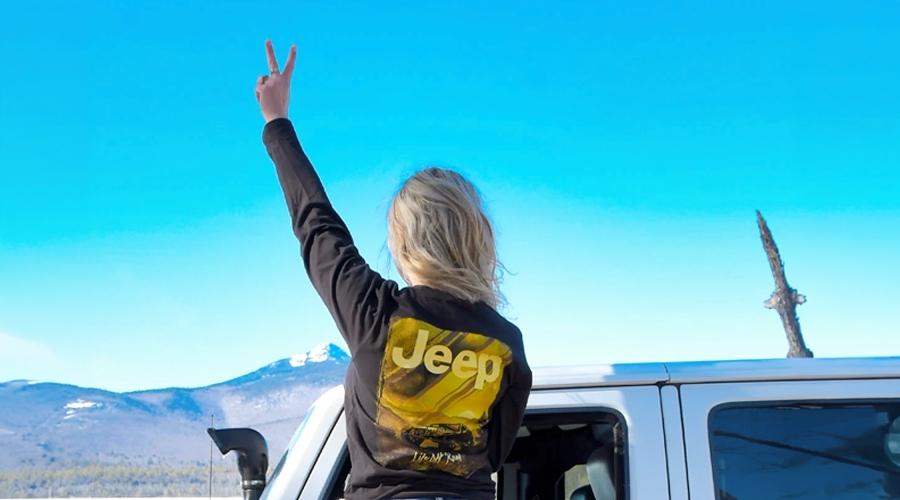
The Jeep Wave is more than a gesture—it’s a culture. Jeep owners share stories, create memes, and even design stickers about the wave. Clubs and meetups often start with a wave, and many drivers teach their kids about the tradition.
Social media has made the Jeep Wave even more popular. On Instagram and Facebook, you’ll find thousands of posts showing Jeep drivers waving, sometimes in creative ways. The wave brings people together, whether they’re on the highway or a mountain trail.
Why The Jeep Wave Matters
The Jeep Wave matters because it creates a sense of community. It shows that Jeep owners care about each other, respect the brand’s history, and value adventure. For many, the wave is a small act that leads to bigger friendships and shared experiences.
If you’re new to Jeeps, joining the wave is an easy way to become part of the group. You don’t need special skills—just a Jeep and a friendly attitude.
Jeep Wave: Pros And Cons
Like any tradition, the Jeep Wave has pros and cons. Here’s a quick look:
Pros:
- Builds community among Jeep owners
- Honors Jeep history and spirit
- Makes driving more fun and friendly
- Easy to do, no cost involved
Cons:
- Not all Jeep drivers know about the wave
- Some may ignore or miss the wave
- Can feel awkward for new owners
Most Jeep owners agree that the pros outweigh the cons. The wave is a simple way to connect and show pride.
Fun Jeep Wave Facts
- The Jeep Wave has been featured in movies and TV shows.
- Some Jeep clubs give awards for the “best wave.”
- The wave is often passed down in families, from parents to children.
- There are Jeep Wave stickers and shirts for sale online.
- Some owners track how many waves they get each month.
Jeep Wave Vs. Other Jeep Traditions
Jeep owners have other traditions besides the wave. Some put rubber ducks on other Jeeps (“ducking”), while others join off-road events or charity drives. But the wave remains the oldest and most famous tradition.
| Jeep Tradition | Started | Main Purpose | Popularity |
|---|---|---|---|
| Jeep Wave | 1940s | Community & Respect | Very High |
| Ducking | 2020 | Fun & Surprise | Medium |
| Meetups | 1950s | Socializing | High |
| Sticker Exchange | 2000s | Brand Loyalty | Low |
Jeep Wave In Pop Culture
The Jeep Wave has become a symbol in pop culture. It appears in commercials, magazines, and even on social media hashtags. Jeep uses the wave to market new models and connect with fans. Some celebrities who own Jeeps share their wave moments, making the tradition even more popular.
Practical Tips For New Jeep Owners
- Learn the wave style in your area (some places use two fingers, others four).
- Join a local Jeep club to meet other owners.
- Don’t worry if someone doesn’t wave back—just keep waving.
- Teach your family and friends about the tradition.
- Share your Jeep Wave stories online.
If you want to learn more about Jeep history, you can visit the official Jeep website or read about the Jeep Wave on Wikipedia.
Frequently Asked Questions
What Is The Jeep Wave?
The Jeep Wave is a friendly gesture between Jeep drivers. When you see another Jeep, you raise your hand or fingers to greet them. It’s a sign of community and respect.
Who Started The Jeep Wave?
The Jeep Wave started with soldiers after World War II. Veterans who drove Jeeps began to wave at each other, honoring their shared experiences.
Do All Jeep Models Use The Wave?
Mostly, the Jeep Wave is used by Wrangler drivers and classic models. Some owners of newer Jeeps join the tradition, but it’s less common with SUVs and trucks.
Is There An Official Jeep Wave Program?
Yes, Jeep offers a program with special benefits for owners. You get free oil changes, discounts, and invitations to events.
Why Do Some Jeep Drivers Not Wave Back?
Not every Jeep driver knows about the tradition. Some may be distracted or new to Jeeps. Don’t take it personally—just keep waving.
Meta Title
How Did the Jeep Wave Start? History, Meaning & Tips for New Owners
Meta Description
Discover how the Jeep Wave started, its history, meaning, and tips for new owners. Learn about Jeep Wave etiquette, the official program, global culture, and FAQs. Perfect for beginners and Jeep enthusiasts.