Getting your Jeep Wrangler ready for rough roads or slippery conditions means knowing how to use its 4 wheel drive system. Many beginners worry about damaging their vehicle or making a mistake. This guide will show you exactly how to put a Jeep Wrangler in 4 wheel drive, with step-by-step instructions for each mode, clear explanations, and practical tips. Whether you drive a newer automatic model or an older manual, you’ll understand what to do, when to use each setting, and how to avoid common mistakes. Let’s get your Jeep Wrangler ready for adventure.
Understanding Jeep Wrangler 4 Wheel Drive
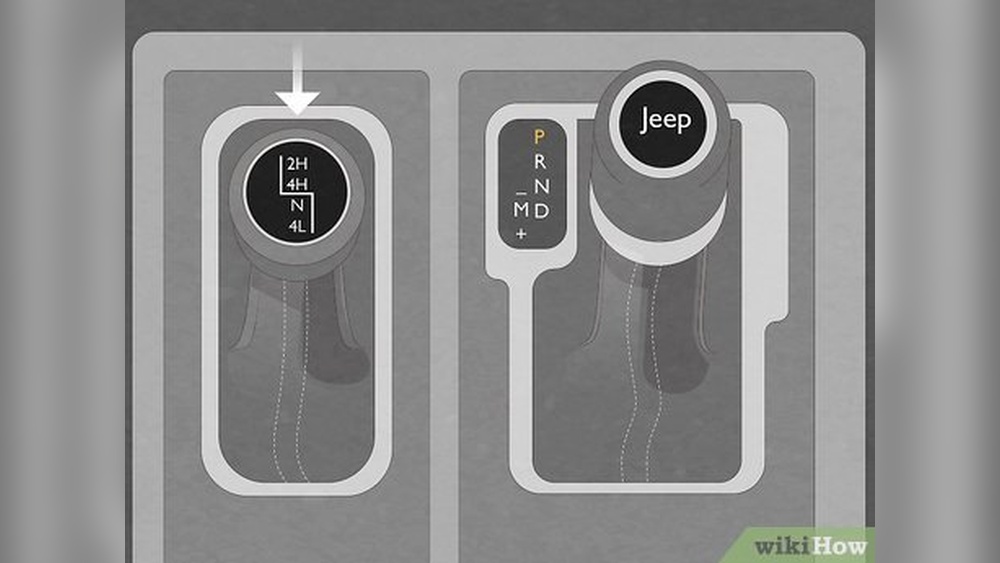
Before you switch to 4 wheel drive, it’s important to understand what this system does. 4WD (four-wheel drive) helps your Jeep send power to all four wheels. This improves traction, especially on mud, snow, sand, or rocky trails. The Jeep Wrangler comes with several 4WD modes:
- 2H (Two High): Normal driving, only rear wheels get power.
- 4H (Four High): All wheels get power, best for slippery roads.
- N (Neutral): No power to wheels, used for towing.
- 4L (Four Low): Maximum power and torque, for off-road or steep hills.
Each mode has a purpose. Picking the right one helps you drive safely and protects your Jeep’s transmission.
Step 1: Putting Your Jeep Wrangler In 4h (four High)
The most common 4 wheel drive mode is 4H. Use it when roads are wet, icy, or unpaved.
How To Engage 4h
- Check Your Speed: Slow down to under 55 mph. Most Jeep Wranglers allow you to switch to 4H “on the fly” at low speeds.
- Locate the Transfer Case Lever: In most Wranglers, you’ll see a lever near the gear shifter. Newer models may have an electronic switch.
- Shift the Lever: Move the lever or switch from 2H to 4H.
- Listen and Feel: You may hear a small click or feel a change in the drivetrain.
Example: If you’re driving on a snowy road and start sliding, reduce speed and shift into 4H. This sends power to all wheels, improving traction.
Pros And Cons Of 4h
| Pros | Cons |
|---|---|
| Better traction on slippery surfaces | Can cause binding on dry pavement |
| Easy to engage at low speeds | Reduces fuel efficiency |
| Protects against sliding | Should not be used on dry, paved roads |
Common Mistakes
- Using 4H on dry roads can cause wear.
- Forgetting to slow down before shifting.
- Not disengaging 4H when conditions improve.
Step 2: Putting Your Jeep Wrangler In 4l (four Low)
4L is for tough conditions—deep mud, sand, rocks, or steep hills. It gives your Jeep maximum torque and slow speed control.
How To Engage 4l
- Stop the Jeep: Come to a complete stop.
- Shift to Neutral: Put your transmission in N (neutral).
- Move the Transfer Case Lever: Firmly pull the lever from 4H or 2H down to 4L.
- Wait for the Indicator: The dashboard light will show 4L is active.
Tip: If you’re stuck in deep sand, switching to 4L helps your Jeep crawl out slowly and safely.
When To Use 4l
- Off-roading over rocks
- Driving through deep mud
- Going up or down steep hills
Pros And Cons Of 4l
| Pros | Cons |
|---|---|
| Maximum torque | Not for regular driving |
| Helps in extreme conditions | Must stop and shift to neutral |
| Excellent control at low speeds | Reduces speed significantly |
Mistakes To Avoid
- Shifting to 4L while moving can damage the transfer case.
- Using 4L on normal roads wastes fuel and stresses the engine.
Step 3: Switching Back To 2h (two High)
After you’re done with tough terrain, switch back to 2H for regular driving.
How To Disengage 4wd
- Slow Down: Reduce your speed.
- Shift the Lever/Switch: Move from 4H or 4L back to 2H.
- If in 4L: Stop, shift to neutral, then move to 2H.
- Check the Dashboard: The indicator should show 2H.
Example: After leaving a muddy trail and returning to paved roads, shift back to 2H for smoother driving and better fuel economy.
Why 2h Matters
- Saves fuel
- Reduces wear on drivetrain
- Smooths out road handling
Step 4: Using Neutral (n) For Towing
The neutral (N) position in your Jeep Wrangler’s transfer case is not for driving. It’s mainly used when towing your Jeep.
How To Set Transfer Case To Neutral
- Stop the Jeep: Make sure you’re parked.
- Press Brake and Shift to Transmission Neutral: Put your main gear shifter in N.
- Move Transfer Case Lever to N: Firmly shift the transfer case to N.
- Check the Indicator: The dashboard should show you’re in neutral.
Important: Never drive your Jeep in transfer case neutral. Only use this mode for flat towing behind another vehicle.
Example Of Towing
If you want to tow your Jeep Wrangler behind an RV, set both the transmission and transfer case to neutral. This prevents damage and lets the wheels turn freely.
Comparison: Jeep Wrangler 4wd Modes
Here’s a quick look at the four main modes and when to use them:
| Mode | When to Use | Speed | How to Engage |
|---|---|---|---|
| 2H | Normal dry roads | Any speed | Shift from 4H/4L at low speed |
| 4H | Rain, snow, mild off-road | Up to 55 mph | Shift on the fly at low speed |
| 4L | Deep mud, rocks, steep hills | Slow only | Stop, shift to neutral, then engage |
| N | Towing only | Not for driving | Stop, shift to neutral, then engage |

Practical Tips For Beginners
- Read Your Owner’s Manual: Each Jeep Wrangler model may have slight differences.
- Practice in Safe Areas: Try switching modes in a parking lot or on a quiet dirt road.
- Monitor Indicator Lights: Dashboard lights show which mode you’re in.
- Check Tire Pressure: 4WD works best with properly inflated tires.
- Listen for Unusual Noises: Grinding or clunking means something is wrong.
Cost And Maintenance Details
Using 4WD doesn’t cost extra, but it can increase maintenance needs over time. Here’s what to expect:
- Fuel Economy: 4WD uses more fuel than 2WD.
- Wear and Tear: Using 4H or 4L on dry roads stresses the drivetrain.
- Service Costs: Regular maintenance (fluid checks, transfer case inspection) can cost $100–$300 per year.
Investing in regular maintenance keeps your Jeep Wrangler’s 4WD system reliable and ready for any adventure.
Common Mistakes And How To Avoid Them
Many beginners make simple mistakes that can lead to costly repairs:
- Shifting at High Speed: Always slow down before changing modes.
- Using 4WD on Dry Pavement: Only use 4H or 4L when needed.
- Ignoring Service Intervals: Check fluids and parts every 12,000 miles.
- Not Practicing: Try out 4WD modes before hitting tough trails.
Real-world Example: Off-road Adventure
Imagine you’re driving in the mountains. The road turns muddy after rain. You slow down and shift from 2H to 4H. Your Jeep stays steady, no slipping. Later, you face a steep rocky hill. You stop, shift to neutral, and engage 4L. The Jeep crawls up slowly, with plenty of power. After returning to the highway, you switch back to 2H for normal driving.
This simple routine keeps your Jeep safe and ready for anything.

Jeep Wrangler 4 Wheel Drive Vs Other Suvs
How does the Jeep Wrangler’s 4WD system compare with other popular SUVs?
| Vehicle | 4WD Modes | Ease of Use | Off-Road Capability |
|---|---|---|---|
| Jeep Wrangler | 2H, 4H, 4L, N | Easy, manual or electronic | Excellent |
| Toyota 4Runner | 2H, 4H, 4L | Easy, electronic | Very Good |
| Ford Bronco | 2H, 4H, 4L, Auto | Very easy | Excellent |
| Chevrolet Tahoe | 2H, 4H, Auto | Easy | Good |
The Jeep Wrangler stands out for its clear modes and strong off-road performance. Some SUVs use automatic 4WD, but the Wrangler’s manual system gives you more control.
Non-obvious Insights For Beginners
- Use 4WD Early: Don’t wait until you’re stuck. Engage 4H before the road gets slippery.
- Practice Shifting: Many new drivers hesitate to shift between modes. Practicing helps you feel confident.
- Fluid Changes Matter: Changing transfer case fluid every 30,000 miles keeps your system healthy.
- Tire Size Affects 4WD: Larger tires may require adjustments to your system. Check with your mechanic.

Where To Learn More
If you want more details on Jeep Wrangler specifications, visit the official Jeep Wrangler website.
Final Thoughts
Learning how to put a Jeep Wrangler in 4 wheel drive is simple once you know the steps and the reasons behind each mode. Practice in safe areas, follow the right sequence, and use the modes only when needed. This keeps your Jeep running smoothly and ready for any adventure.
Remember, regular maintenance and careful driving are key to enjoying your Wrangler’s 4WD system for years to come.
Frequently Asked Questions
How Fast Can I Drive In 4h?
You can drive up to 55 mph in 4H. Above this speed, the system may not work properly and could cause damage.
Can I Switch To 4h While Moving?
Yes, you can shift to 4H at low speeds (under 55 mph). Always slow down and avoid jerky movements.
Do All Jeep Wranglers Have The Same 4wd Modes?
Most have 2H, 4H, 4L, and N, but some newer models offer electronic switches or extra features. Check your owner’s manual.
What Happens If I Use 4l On Regular Roads?
Using 4L on normal roads makes the Jeep slow and stresses the drivetrain. Only use 4L for tough terrain.
How Often Should I Service The 4wd System?
Check transfer case fluid and other parts every 12,000 miles, or once a year. Proper care prevents breakdowns.
—
Meta Title: How to Put a Jeep Wrangler in 4 Wheel Drive: Step-by-Step Guide
Meta Description: Learn how to put a Jeep Wrangler in 4 wheel drive with easy steps for each mode. Get practical tips, pros and cons, comparison tables, and answers to common questions. Perfect for beginners.