Jeep vehicles are more than just transportation—they are a lifestyle for many owners. Whether you see Jeeps climbing rocky trails, parked at beach resorts, or cruising city streets, their unique culture stands out.
But who actually buys Jeep parts? Understanding this helps sellers, mechanics, and even curious fans.
Let’s explore the types of people and groups who seek out Jeep parts, why they buy them, and what matters most to these buyers.
The Main Buyers Of Jeep Parts
Jeep parts are not only for repair shops. Many different people and organizations buy them for their own reasons. Here are the main groups:
1. Jeep Owners And Enthusiasts
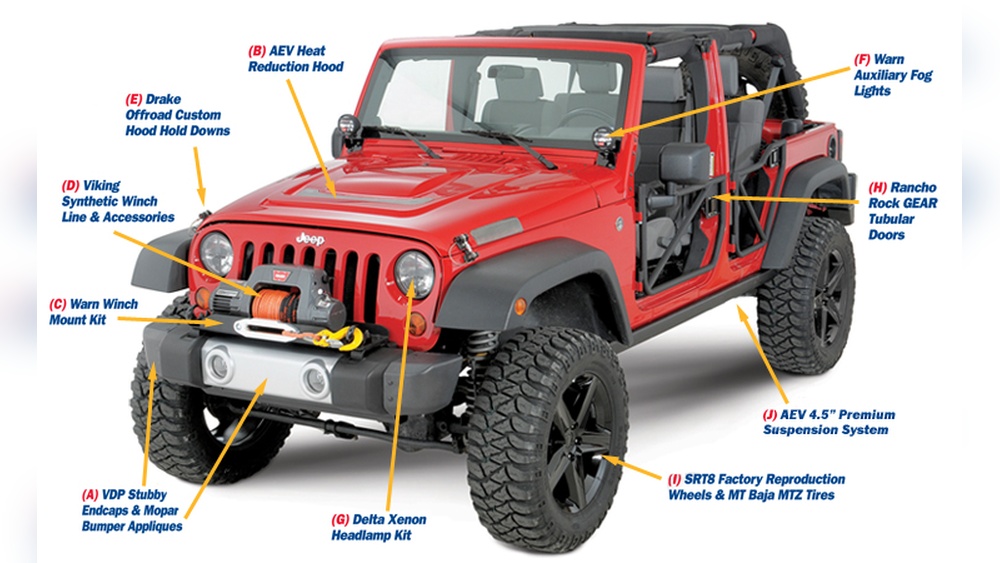
The most common buyers are Jeep owners who want to keep their vehicles running well. Many Jeep owners love customizing their vehicles, adding new accessories, or upgrading for better performance. These buyers often look for:
- Replacement parts like brakes, filters, or lights
- Upgrades such as lift kits, larger tires, or winches
- Accessories like seat covers, roof racks, or LED lights
Some Jeep owners are part of clubs or online communities, sharing advice and recommending parts based on their experience.
2. Off-roaders
Jeep is famous for off-road ability. Off-road enthusiasts buy parts to make their vehicles tougher and more capable. The most popular items for this group include:
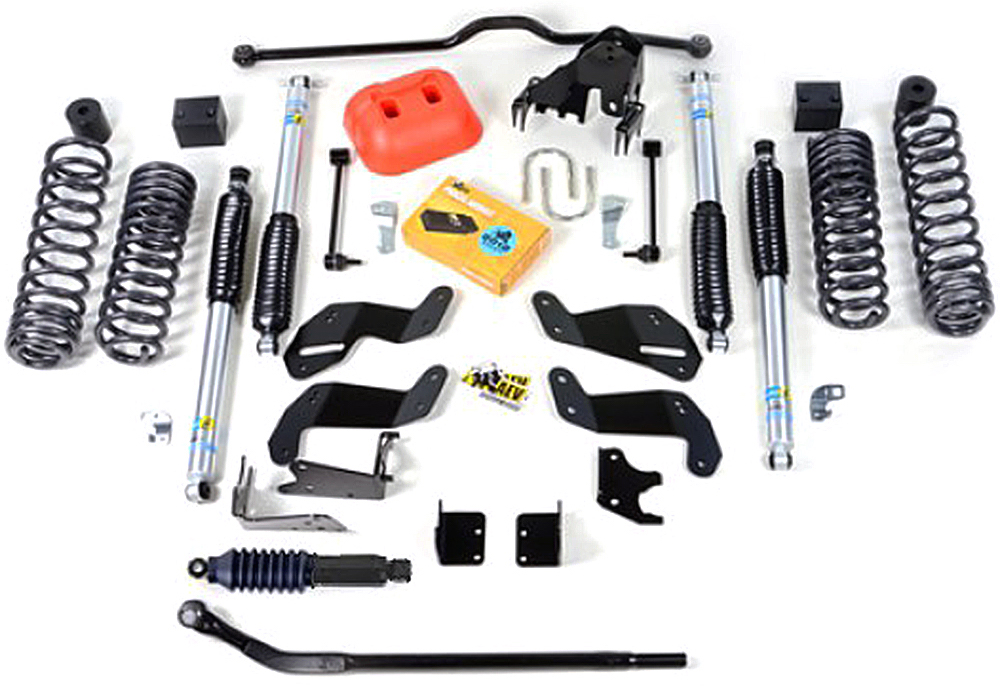
- Suspension kits for better ground clearance
- Skid plates to protect undercarriage
- Heavy-duty bumpers for safety
Off-roaders often use their Jeeps in rough terrain, so they need parts that can handle mud, rocks, and water.
3. Mechanics And Repair Shops
Many auto mechanics and repair shops buy Jeep parts to fix customer vehicles. These buyers focus on:
- OEM (original equipment manufacturer) parts for reliable repairs
- Aftermarket parts to offer cheaper or improved solutions
Repair shops sometimes stock parts for fast service, especially common items like filters, belts, and brake pads.
4. Resellers And Retailers
Some businesses buy Jeep parts in bulk and resell them. These include:
- Online stores
- Local auto parts shops
- Specialty Jeep retailers
Resellers look for good prices and popular items. They want parts that sell quickly and have a strong demand.
5. Restoration Experts
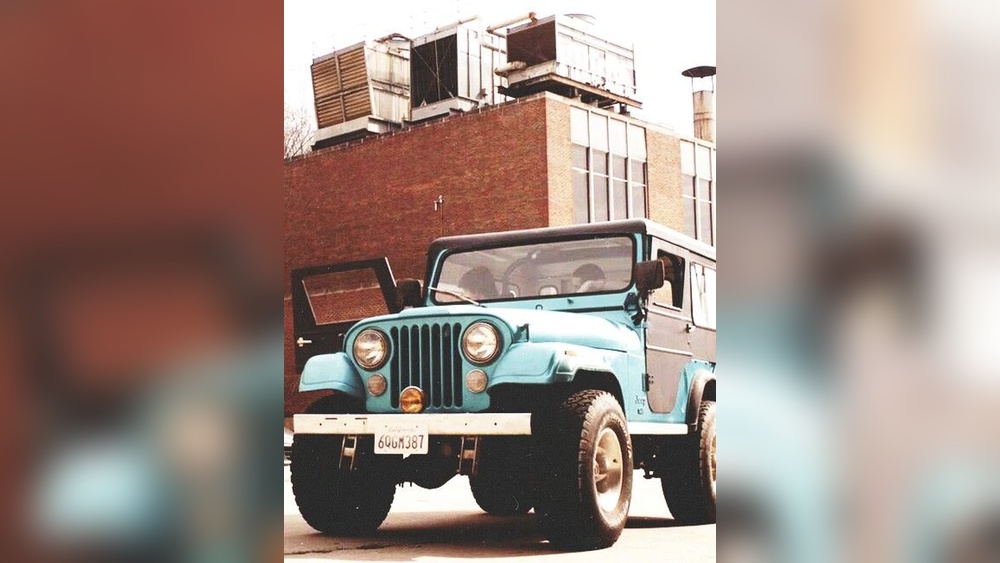
Older Jeeps, especially classic models like the Jeep CJ or Jeep Wagoneer, attract collectors and restoration experts. These buyers search for:
- Rare parts no longer made by Jeep
- Authentic accessories to keep vehicles original
- Custom solutions when parts are hard to find
Restoration takes time, and these buyers often pay more for high-quality, original parts.
What Drives Jeep Part Purchases?
Understanding why people buy Jeep parts can help sellers and buyers make better decisions. Here are the main reasons:
- Repair and maintenance: Keeping the Jeep running smoothly is a priority.
- Performance upgrades: Many owners want their Jeep to perform better off-road or on highways.
- Personalization: Customizing the Jeep to match personal style or needs is common.
- Safety: Replacing old or worn parts is important for safety.
Non-obvious insight: Many Jeep buyers are willing to pay extra for parts that have clear installation guides or customer support. Beginners often overlook the importance of instructions, which can make upgrades easier.
Popular Jeep Part Categories
Jeep owners buy a wide range of parts, from simple accessories to complex upgrades. The most popular categories include:
- Engine parts: Filters, spark plugs, belts
- Suspension: Lift kits, shocks, springs
- Body parts: Bumpers, doors, fenders
- Lighting: LED bars, headlights, fog lights
- Interior accessories: Seat covers, mats, storage solutions
Here’s a comparison of Jeep part categories and their average price ranges:
| Part Category | Average Price Range | Common Buyers |
|---|---|---|
| Suspension Kits | $300 – $1500 | Off-roaders, enthusiasts |
| Lighting Accessories | $50 – $500 | Owners, resellers |
| Engine Parts | $20 – $400 | Repair shops, owners |
| Body Parts | $100 – $1000 | Restoration experts, owners |
Where Do Buyers Shop For Jeep Parts?
Jeep parts are available from many sources. Here are the most common places buyers look:
- Official Jeep dealerships: For OEM parts and warranty-backed items
- Online stores: Such as Amazon, eBay, and specialty sites
- Local auto parts shops: For fast access and advice
- Jeep forums and clubs: Sometimes parts are traded or sold among members
Online shopping is growing fast. According to Statista, over 50% of US car part buyers now prefer online stores. This trend is strong among Jeep owners, especially those looking for rare or custom parts.
Here’s a comparison between online and local buying:
| Source | Advantages | Disadvantages |
|---|---|---|
| Online Stores | Wide selection, lower prices, easy comparison | Shipping time, risk of wrong part |
| Local Shops | Immediate pickup, expert advice | Limited selection, usually higher price |

What Matters Most When Choosing Jeep Parts?
Buyers focus on several key factors when picking Jeep parts:
- Quality and durability: Jeep owners expect their parts to last, especially for off-road use.
- Fit and compatibility: Parts must match the specific Jeep model and year.
- Price: While some buyers want the lowest cost, others pay more for top quality.
- Brand reputation: Well-known brands like Mopar or Rugged Ridge are trusted.
- Warranty and support: A good warranty and helpful customer service are important.
Non-obvious insight: Many buyers ignore compatibility details and end up with the wrong part. Always check the model and year before buying.
Common Mistakes When Buying Jeep Parts
Even experienced buyers make mistakes. Here are some common errors:
- Buying the wrong part: Not checking compatibility with their Jeep model.
- Ignoring reviews: Missing out on feedback from other buyers.
- Skipping installation guides: Struggling with upgrades due to unclear instructions.
- Choosing price over quality: Cheap parts may fail sooner and cost more in the long run.
Checking reviews and guides before purchasing can save time and money.
Frequently Asked Questions
Who Buys Jeep Parts The Most?
Jeep owners are the main buyers, followed by off-road enthusiasts and repair shops. Many owners want to upgrade or personalize their Jeeps, while shops buy parts for repairs.
Are Jeep Parts Expensive?
Prices vary. OEM parts are usually more expensive, while aftermarket parts can be cheaper. For example, a lift kit can cost over $1000, but simple accessories may be under $50.
Where Can I Find Rare Jeep Parts?
Rare parts for older Jeeps are often found at specialty shops, online forums, or restoration websites. Some buyers search on eBay Motors for hard-to-find items.
Is It Safe To Buy Jeep Parts Online?
Yes, if you use trusted websites. Always check seller ratings, reviews, and return policies. Make sure the part matches your Jeep’s model and year.
Can I Install Jeep Parts Myself?
Many Jeep parts can be installed at home with basic tools. However, complex upgrades or repairs may need professional help. Always follow instructions and safety guidelines.
Jeep parts buyers come from many backgrounds, but they share a passion for keeping their vehicles strong and unique. Whether for repairs, upgrades, or restoration, knowing who buys Jeep parts and why can help you make smarter choices—no matter if you’re a seller, a buyer, or simply a fan of the Jeep lifestyle.