If you’re thinking about buying a Jeep Wrangler or already own one, you probably wonder: How many miles can you put on a Jeep Wrangler before it’s time to retire? This question matters for buyers, sellers, and fans of Jeeps. The answer isn’t simple, but with the right care, a Wrangler can last much longer than most SUVs. Let’s explore mileage limits, what affects lifespan, and how to get the most from your Jeep Wrangler.
Typical Mileage Life Of A Jeep Wrangler
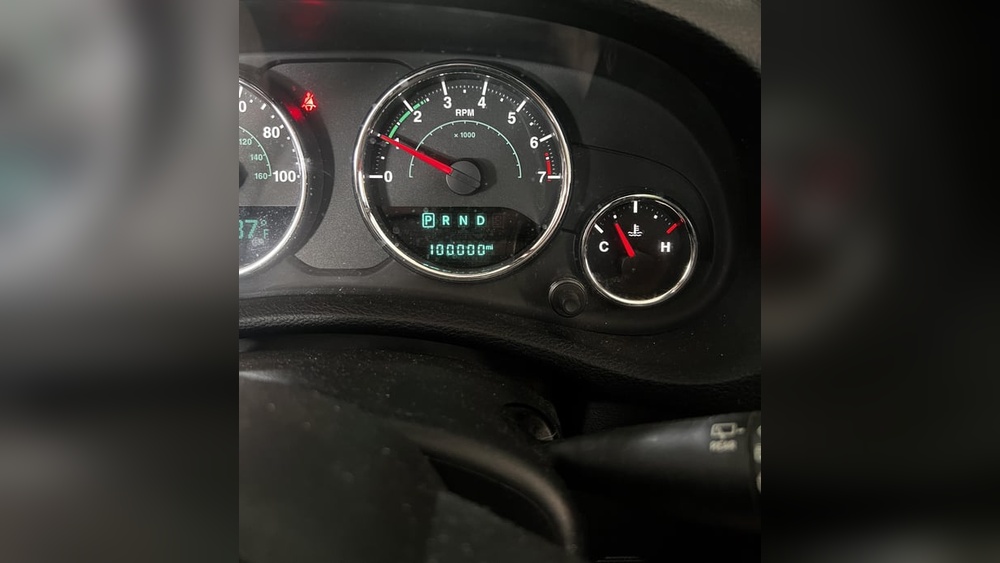
Most Jeep Wranglers can reach 200,000 miles without major issues if maintained well. Some owners report their Wranglers passing 250,000 miles or even 300,000 miles. That’s impressive for any vehicle, especially one used for off-roading.
Wranglers are built for tough conditions. Their strong body, solid axles, and simple design make them durable. But high mileage depends on:
- Regular maintenance
- Driving habits
- Climate and environment
- Type of use (on-road vs. off-road)
Here’s a quick look at how Wrangler mileage compares to other popular SUVs:
| Vehicle Model | Average Lifespan (Miles) | Known for Reliability? |
|---|---|---|
| Jeep Wrangler | 200,000–250,000 | Yes |
| Toyota 4Runner | 250,000–300,000 | Yes |
| Ford Explorer | 150,000–200,000 | Some models |
| Honda CR-V | 200,000–250,000 | Yes |
| Chevrolet Tahoe | 200,000–250,000 | Yes |
Wrangler owners often drive their vehicles longer because parts are widely available and repairs are not as expensive as luxury brands.
Factors That Affect Jeep Wrangler Longevity
Several things influence how many miles you can put on a Jeep Wrangler. Let’s break them down:
Maintenance
Proper care is the number one factor. Regular oil changes, fluid checks, tire rotation, and replacing worn parts help prevent big problems. Neglecting maintenance can shorten the lifespan by tens of thousands of miles.
Common maintenance tasks:
- Oil changes every 3,000–5,000 miles
- Transmission fluid changes every 30,000–60,000 miles
- Brake checks
- Replacing air filters
- Inspecting suspension and steering
Driving Habits
Gentle driving helps your Wrangler last longer. Hard acceleration, abrupt stops, or frequent off-roading can speed up wear. City driving with lots of start-stop action is harder on a Jeep than highway miles.
Off-roading
Wranglers are made for rough terrain. But off-roading puts extra strain on the suspension, drivetrain, and body. If you off-road often, expect parts like shocks, bushings, and axles to wear out sooner.
Climate And Environment
Salted roads, humid climates, and extreme temperatures can cause rust and damage. Southern states tend to have fewer rust issues, while Wranglers in northern areas may need more frequent checks.
Model Year And Engine Type
Some Wrangler models are more reliable than others. Older Jeeps (TJ and YJ) were simpler and easier to fix, but newer models (JK, JL) offer better engines and comfort.
Here’s a quick comparison of Wrangler generations:
| Generation | Years | Engine Options | Known Issues |
|---|---|---|---|
| YJ | 1987–1995 | 2.5L I4, 4.0L I6 | Rust, weak frame |
| TJ | 1997–2006 | 2.4L I4, 4.0L I6 | Oil leaks, electrical |
| JK | 2007–2018 | 3.6L V6, 2.8L Diesel | Head gasket, TIPM |
| JL | 2018–Present | 2.0L Turbo, 3.6L V6 | Minor recalls |
Non-obvious Insight: Age Vs. Mileage
Some Wranglers with high mileage but regular maintenance are more reliable than low-mileage Jeeps with poor care. Age alone doesn’t tell the whole story. Always check service records, not just the odometer.

Signs A Jeep Wrangler Is Near Its Limit
Knowing when your Wrangler is reaching its maximum mileage helps avoid expensive repairs. Look for these warning signs:
- Engine noises: Knocking, tapping, or rumbling can mean worn internal parts.
- Excessive oil consumption: If you add oil often, internal seals may be failing.
- Transmission slipping: Delayed shifts or odd noises signal transmission wear.
- Rust: Frame and body rust can make your Jeep unsafe.
- Electrical problems: Frequent issues mean wiring is aging.
When Is It Time To Retire?
Most experts agree: If repair costs are higher than the Jeep’s value, it’s time to consider selling or retiring. For some, sentimental value makes them keep fixing their Wrangler.
How To Make Your Jeep Wrangler Last Longer
Want to push your Wrangler past 200,000 miles? Here are practical tips:
- Follow maintenance schedules: Don’t skip oil changes or fluid checks.
- Use quality parts: Cheap parts can fail sooner and cause bigger problems.
- Keep it clean: Wash the undercarriage often to prevent rust, especially if you live where roads are salted.
- Drive gently: Avoid hard starts, stops, and rapid turns.
- Fix problems early: Small issues can turn into big repairs if ignored.
- Protect from weather: Use covers or park indoors to reduce sun and water damage.
- Check recalls: Stay updated on recalls for your model.
Insight: Preventive Upgrades
Some owners upgrade suspension, bushings, and cooling systems before problems start. This can extend life, especially for frequent off-roaders.
Pros And Cons Of Buying A High-mileage Jeep Wrangler
If you’re shopping for a used Wrangler, mileage is important. Here’s what to consider:
Pros
- Lower price: High-mileage Wranglers cost less.
- Proven durability: If it’s made it to 150,000+ miles, it’s likely reliable.
- Easier DIY repairs: Older models are simpler to fix.
Cons
- More repairs: Parts wear out faster as mileage increases.
- Possible rust issues: Check frames and underbody carefully.
- Outdated features: Older Wranglers may lack modern comforts.
Cost Example
A 2010 Jeep Wrangler with 150,000 miles may sell for $10,000–$14,000. A similar model with 50,000 miles could cost $18,000–$22,000. You save money up front, but may spend more on repairs later.
Jeep Wrangler Maintenance Cost
Regular maintenance is key for high-mileage Wranglers. Let’s look at some average costs:
| Service | Frequency | Average Cost |
|---|---|---|
| Oil Change | 3,000–5,000 miles | $40–$70 |
| Tire Rotation | 5,000–7,500 miles | $25–$50 |
| Brake Pad Replacement | 40,000–60,000 miles | $150–$300 |
| Transmission Fluid | 30,000–60,000 miles | $120–$250 |
| Suspension Repairs | As needed | $200–$700 |
Tip: Keep receipts and records for all maintenance. This boosts resale value and helps track repairs.

Buying Tips For High-mileage Wranglers
If you plan to buy a Wrangler with lots of miles, follow these steps:
- Check service history: Look for regular oil changes and repairs.
- Inspect for rust: Examine frame, underbody, and wheel wells.
- Test drive: Listen for strange noises and feel for smooth shifting.
- Get a mechanic’s opinion: A pre-purchase inspection can save money.
- Research recalls: Make sure all recalls are fixed.
Many high-mileage Wranglers are still solid performers, but it’s smart to be careful. Don’t just trust the odometer—ask about how the Jeep was used.
Real-life Examples: Jeep Wrangler Longevity
Some Jeep owners have shared stories of their Wranglers going well beyond average mileage. For example, a 2003 Wrangler owner reported reaching 310,000 miles with original engine and transmission, thanks to regular maintenance and gentle driving. Another owner drove a 2012 Wrangler to 230,000 miles while using it for daily commuting and weekend off-roading.
These examples show that with care, Wranglers can outlast many other vehicles in their class. But remember: longevity depends on maintenance and luck.
Frequently Asked Questions
How Many Miles Can A Jeep Wrangler Last?
Most Jeep Wranglers can reach 200,000 miles or more with proper maintenance. Some make it to 250,000 or even 300,000 miles if cared for well.
What Is Considered High Mileage For A Jeep Wrangler?
Anything above 100,000 miles is usually seen as high mileage. But for Wranglers, 150,000–200,000 miles is not unusual. Always check maintenance history.
Is It Worth Buying A Jeep Wrangler With Over 150,000 Miles?
It can be, if the Jeep was maintained and doesn’t have major issues like rust or engine trouble. Lower price is a big benefit, but expect more repairs.
What Are The Most Reliable Jeep Wrangler Years?
Many owners recommend 2007–2018 (JK) and 2018–present (JL) for good reliability. Older models are durable but may lack comfort and safety features.
How Can I Make My Jeep Wrangler Last Longer?
Follow maintenance schedules, use quality parts, fix problems early, and protect the Jeep from weather. Gentle driving and regular inspections help too.
Final Thoughts
The Jeep Wrangler is famous for durability. Many owners enjoy their Wranglers for over a decade and hundreds of thousands of miles. With good care, smart driving, and regular maintenance, your Wrangler can easily pass 200,000 miles and keep going. Whether you’re buying new or used, focus on service history and stay ahead of repairs. For more stats and reliability info, check resources like Wikipedia.

Meta Title
How Many Miles Can You Put on a Jeep Wrangler? Lifespan, Tips & Costs
Meta Description
Discover how many miles you can put on a Jeep Wrangler. Learn about typical lifespan, maintenance tips, buying advice, real-life examples, and FAQ for beginners.