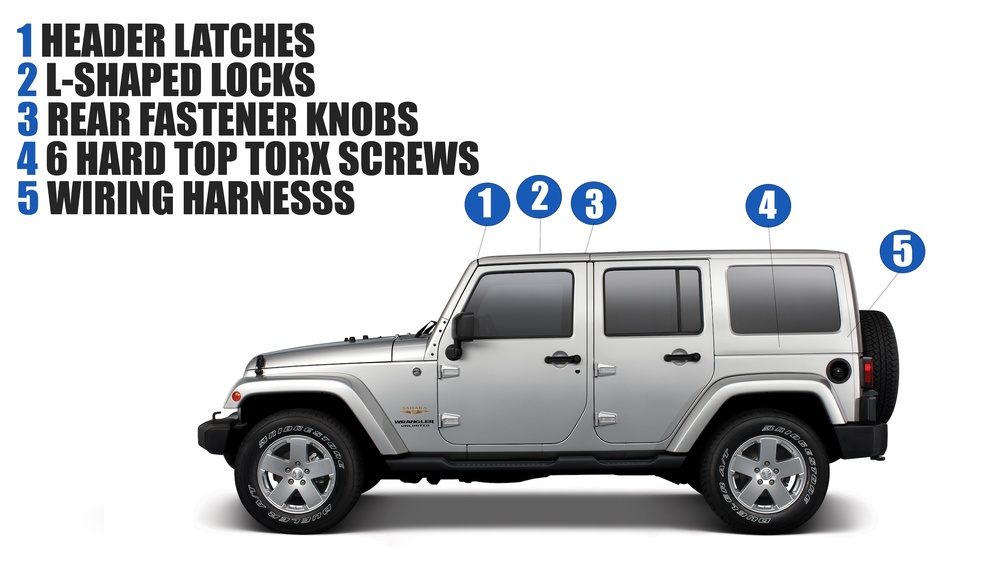
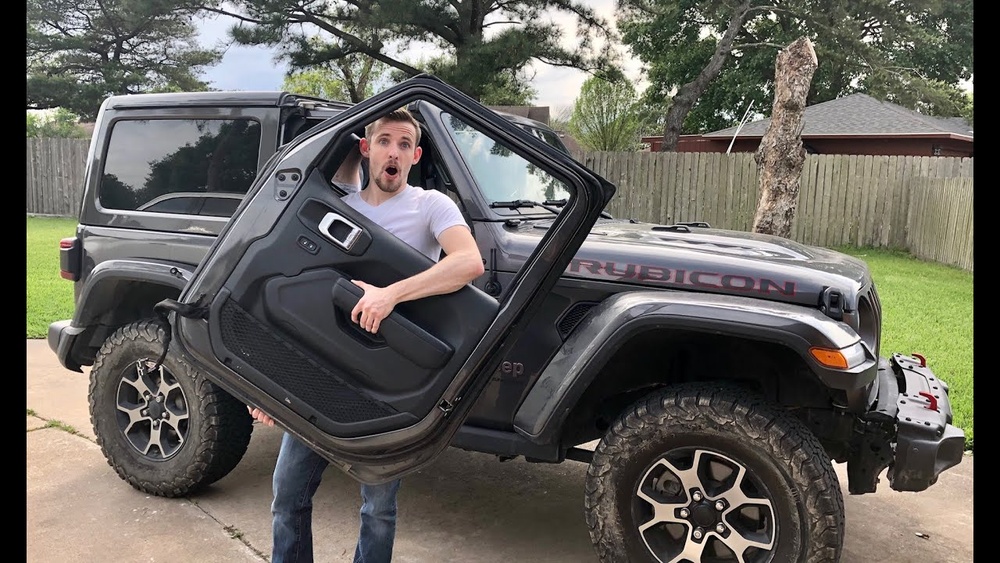
Few vehicles have the reputation of the Jeep Wrangler. If you’re thinking about buying one, you’re probably asking: *how long can Jeep Wranglers last?* This question matters whether you want a tough off-road SUV or a practical daily driver. In this guide, you’ll discover how long Jeep Wranglers typically last, what affects their lifespan, and how to get the most years and miles out of your Jeep. You’ll also see real-world examples, cost factors, and honest pros and cons. Let’s dive in.
Average Lifespan Of A Jeep Wrangler
Most Jeep Wranglers can last between 200,000 and 400,000 miles with good care. That’s about 15–25 years for drivers who cover 12,000–15,000 miles a year. Some owners even report Wranglers going past 400,000 miles, but this is rare.
Why do Wranglers last so long? The key is their rugged design. Jeep builds them for rough roads, mud, and tough conditions. The frame is strong, and parts are simple to repair. Compared to many SUVs, Wranglers have fewer electronics and more mechanical parts, which can make them easier to fix and keep running.
What Factors Affect Jeep Wrangler Longevity?
Maintenance Habits
The number one factor is maintenance. Wranglers need regular oil changes, brake checks, and tire rotations, just like any car. Neglecting these basics can shorten lifespan fast.
- Oil changes: Every 5,000–7,500 miles
- Transmission fluid: Every 30,000–60,000 miles
- Brake pads: Inspect yearly, replace as needed
- Tire rotations: Every 6,000–8,000 miles
Skipping these steps leads to engine damage, transmission problems, and more costly repairs.
Driving Conditions
Wranglers are built for off-road, but extreme use can still cause wear. Driving on rough terrain, mud, or salt-covered roads (like in winter) speeds up rust and damages the suspension.
Urban driving is easier on Wranglers. Off-roading and towing heavy loads reduce lifespan if done often.
Climate
Salt, humidity, and moisture cause rust. Wranglers in coastal or snowy regions need extra care. Wash the underbody often, and check for rust on the frame.
Model Year And Engine Type
Older Wranglers (like the TJ and YJ models) have simpler engines that often last longer, but lack modern safety. Newer models (like the JK and JL) offer better comfort and reliability, but can be more expensive to fix.
Here’s a simple comparison:
| Model Year | Engine Type | Average Lifespan (miles) | Common Issues |
|---|---|---|---|
| 1997–2006 (TJ) | 4.0L I6 | 250,000–350,000 | Rust, oil leaks |
| 2007–2018 (JK) | 3.6L V6 | 200,000–300,000 | Electrical, leaks |
| 2018–Present (JL) | 2.0L I4, 3.6L V6 | 200,000–400,000 | Turbo issues, recalls |
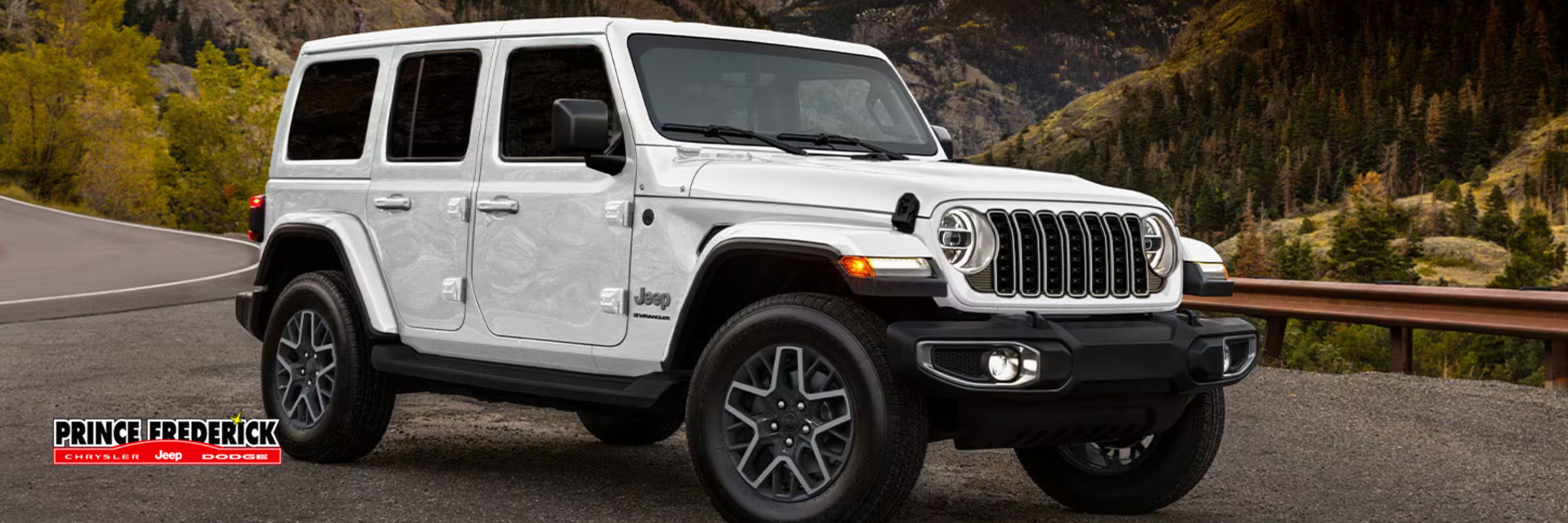
Real-life Examples: How Long Do Jeep Wranglers Last?
Jeep Wranglers are famous for their high-mileage stories. Here are some real examples:
- One owner in Colorado drove a 1998 Wrangler over 415,000 miles with original engine and transmission. He followed strict maintenance and avoided harsh off-roading.
- A 2012 Wrangler in Texas reached 370,000 miles before needing major repairs. Most parts lasted, but the suspension wore out due to heavy off-road use.
- A 2005 Wrangler in Michigan faced rust issues after 250,000 miles because of salty winter roads. The engine still ran well, but the frame needed replacing.
These stories show that consistent maintenance and careful driving are key.
Jeep Wrangler Cost Of Ownership Over Time
Wranglers are not the cheapest SUV to run, but their long life can make them a good value. Here’s what you might pay over 15–20 years:
- Routine maintenance: $800–$1,500/year (oil, brakes, tires)
- Major repairs: $2,000–$6,000 (engine, transmission, suspension)
- Insurance: $1,200–$1,800/year (depends on location and model)
- Fuel: 15–20 mpg, so $1,800–$2,400/year for average use
These costs can seem high, but compare to other SUVs that may need replacing after 8–12 years. Wranglers often keep going, which can save money in the long run.
Here’s a quick comparison:
| Vehicle | Average Lifespan (years) | Annual Maintenance Cost | Resale Value After 10 Years |
|---|---|---|---|
| Jeep Wrangler | 15–25 | $1,200 | $10,000–$18,000 |
| Ford Explorer | 10–15 | $1,000 | $5,000–$9,000 |
| Toyota 4Runner | 15–20 | $1,100 | $12,000–$20,000 |
Pros And Cons Of Jeep Wrangler Longevity
Pros
- Lasts longer than most SUVs
- Easy to repair and find parts
- High resale value
- Built for tough conditions
Cons
- Higher maintenance costs
- Prone to rust in humid or salty climates
- Lower fuel economy
- Some models have electrical issues
Many beginners miss that proper care costs more up front, but pays off later. Also, Wranglers keep their value well, so you may get more money back when selling.
Tips To Make Your Jeep Wrangler Last Longer
Want your Wrangler to reach 300,000 miles or more? Here are some practical steps:
- Follow the maintenance schedule: Don’t skip oil changes or brake checks.
- Check for rust: Wash the underbody, especially after driving in snow or mud.
- Drive gently: Avoid hard off-roading unless you’re ready for extra repairs.
- Use quality parts: Cheap parts can cause bigger problems.
- Store indoors: Garaging protects from moisture and sun.
- Listen for new noises: Early fixes prevent bigger damage.
- Keep records: Log all maintenance and repairs.
An insight many people miss: regular tire rotations extend suspension life, which is a common weak spot for Wranglers. Also, even though Wranglers are tough, they’re not invincible. Treating them well makes a big difference.
Common Problems That Can Limit Jeep Wrangler Life
Wranglers are reliable, but not perfect. Here are issues to watch for:
- Rust on frame and body
- Oil leaks
- Transmission failures
- Electrical problems in newer models
- Suspension wear after heavy off-roading
- Turbocharger issues in new engines
If you catch these early, repairs cost less and your Wrangler lasts longer. Many owners ignore small leaks or rust, which leads to expensive fixes later.
How Does Wrangler Longevity Compare To Other Suvs?
Wranglers often outlast other SUVs, especially those used for similar off-road driving. Here’s a direct comparison:
| Model | Max Reported Mileage | Common Failure Point |
|---|---|---|
| Jeep Wrangler | 400,000+ | Rust, suspension |
| Ford Bronco | 250,000 | Transmission |
| Toyota 4Runner | 400,000 | Frame rust |
| Chevy Tahoe | 300,000 | Engine |
Wranglers and Toyota 4Runners are the top for longevity. Both need extra care against rust. Wranglers are easier to repair, while 4Runners cost less to fuel.
Is It Worth Buying A High-mileage Jeep Wrangler?
Buying a used Wrangler with 100,000+ miles is common. Many models still have lots of life left. Here’s what you should check before buying:
- Maintenance records: Look for regular oil changes and repairs.
- Rust inspection: Check the frame, underbody, and wheel wells.
- Test drive: Listen for suspension noises and check all gears.
- History report: Look for accidents or flood damage.
Wranglers with good records and no major rust can last another 100,000 miles or more. But beware models with missing records or heavy rust—they may need expensive repairs.
If you want more details on Jeep reliability, visit the official Jeep Wrangler site.
Frequently Asked Questions
How Many Miles Can A Jeep Wrangler Last With Regular Maintenance?
A Jeep Wrangler can last 200,000–400,000 miles if you follow the maintenance schedule. Many owners see 250,000 miles or more without major problems.
What Year Jeep Wrangler Is Most Reliable?
The 1997–2006 (TJ) and 2007–2018 (JK) models are often seen as reliable. The TJ has a strong 4.0L engine. JK models have modern comforts but more electronics.
Is It Expensive To Keep A Jeep Wrangler Running Long-term?
Wranglers cost a bit more to maintain, about $1,200 per year. But they last longer, so you may save money over time compared to buying new SUVs more often.
Does Off-roading Reduce Jeep Wrangler Lifespan?
Yes. Heavy off-roading causes more wear on suspension and body. Occasional off-roading is fine, but frequent rough driving can mean more repairs and a shorter life.
Can Jeep Wranglers Handle High Mileage Better Than Other Suvs?
Wranglers are built for tough conditions and often reach 400,000 miles. They handle high mileage well if cared for. Only a few SUVs, like the Toyota 4Runner, match this durability.

Final Thoughts
Jeep Wranglers are known for their long lifespan and strong build. With regular care, most Wranglers last 15–25 years and can cover 200,000–400,000 miles. They are not always cheap to maintain, but their value and reliability make them a smart choice for drivers who want a tough, lasting vehicle. If you want a car that keeps going, the Wrangler is hard to beat—just remember, maintenance and careful use are the secrets to making yours last.
—
Meta Title: How Long Can Jeep Wranglers Last? Real Mileage, Tips, and Facts
Meta Description: Discover how long Jeep Wranglers last, real mileage data, tips to increase lifespan, cost details, pros and cons, and common issues. Learn how to make your Wrangler go farther.