Many people want a vehicle that lasts for years. The Jeep Grand Cherokee is famous for being tough and reliable. But how long can you expect it to last? If you are thinking about buying a Grand Cherokee, or already own one, you probably want to know if it’s worth the investment. In this article, you’ll get clear answers based on real data, expert advice, and what owners experience. We’ll cover typical lifespan, key factors that affect durability, maintenance costs, common problems, and tips to make your Grand Cherokee last as long as possible.
Typical Lifespan Of A Jeep Grand Cherokee
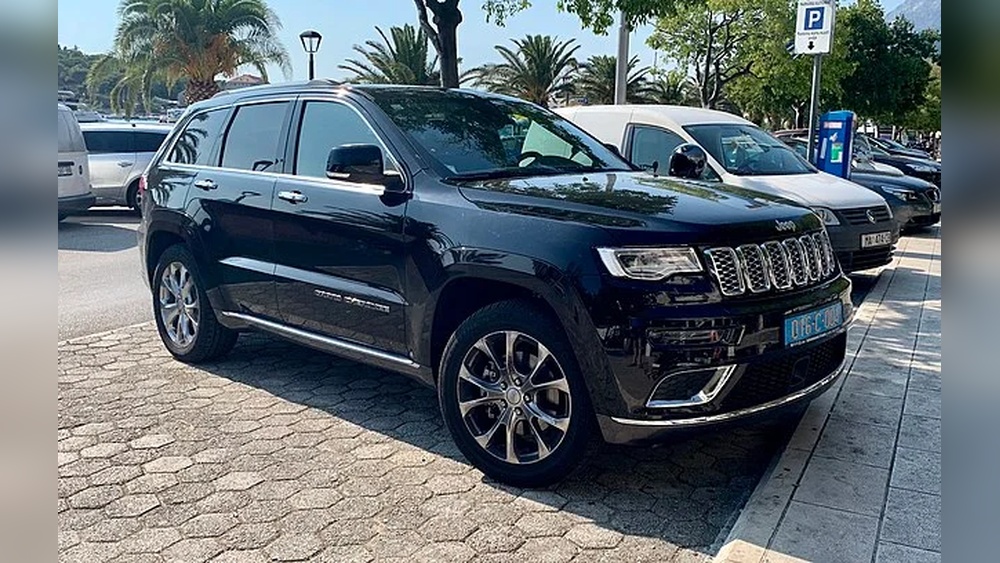
The Jeep Grand Cherokee is built for both city driving and tough terrains. Most owners report their vehicles last between 150,000 to 250,000 miles. With good care, some Grand Cherokees reach 300,000 miles or more. That equals about 15 to 20 years of use for the average driver. This makes it one of the longer-lasting SUVs in its price range.
Here’s a quick comparison with other popular SUVs:
| Model | Average Lifespan (Miles) | Average Lifespan (Years) |
|---|---|---|
| Jeep Grand Cherokee | 200,000 | 17 |
| Toyota Highlander | 250,000 | 20 |
| Ford Explorer | 200,000 | 15 |
| Honda Pilot | 220,000 | 18 |
As you can see, the Grand Cherokee is competitive, but not always the very best in its class for lifespan. Still, it offers strong durability, especially for people who want an SUV that handles rough roads.
Key Factors That Affect Lifespan
How long your Jeep Grand Cherokee lasts depends on several factors. Let’s look at the most important ones:
Maintenance
Regular maintenance is the number one factor. This means:
- Oil changes every 5,000–7,500 miles
- Replacing air and fuel filters
- Checking brakes and tires
- Flushing fluids (coolant, transmission, brake fluid)
Skipping these steps can cut years off your SUV’s life.
Driving Habits
If you drive carefully and avoid harsh acceleration or hard braking, your Grand Cherokee will last longer. Off-roading often, or towing heavy loads, puts extra stress on the engine and suspension. City driving with lots of stop-and-go can also wear out parts faster.
Climate And Environment
Extreme heat, cold, or humidity can cause rust and wear. Salted roads in winter may lead to faster corrosion underneath. If you live in a tough climate, washing your vehicle regularly and rust-proofing can help.
Model Year And Engine Type
Older models (especially before 2010) sometimes have more issues with electronics and transmission. Newer models have improved reliability, but complex systems can be expensive to fix. The V6 engine is usually more reliable than the V8, but both can last long with proper care.
Accident History
A Grand Cherokee with a history of accidents may have hidden damage. Always check vehicle records before buying used.
Common Problems In Jeep Grand Cherokees
No vehicle is perfect. The Jeep Grand Cherokee has some known issues you should be aware of, especially if you’re planning to keep it for a long time.
Transmission Issues
Many owners report transmission problems after 100,000 miles. Symptoms include rough shifting, strange noises, or even full failure. Repairing or replacing a transmission can be expensive (often $2,500–$4,000).
Electrical Problems
The Grand Cherokee has complex electronics. Problems with door locks, sensors, or dashboard lights are common after several years. Sometimes these are minor, but fixing major electrical issues can cost hundreds of dollars.
Suspension Wear
The suspension handles bumps and off-road driving well, but ball joints, bushings, and control arms may wear out after 100,000 miles. Replacing these parts improves ride quality and safety.
Cooling System
Radiators and water pumps may fail after 120,000 miles. Overheating can cause serious engine damage if not fixed quickly.
Rust And Corrosion
Older models are more likely to have rust, especially under the body and wheel wells. Regular cleaning and rust protection can help prevent this.
Maintenance Costs And Ownership Expenses
To keep a Jeep Grand Cherokee running smoothly for years, you need to budget for regular maintenance. Here’s what you can expect:
| Service | Average Cost | Frequency |
|---|---|---|
| Oil Change | $60–$90 | Every 6 months |
| Brake Pads | $250–$350 | Every 3 years |
| Transmission Fluid | $150–$250 | Every 60,000 miles |
| Timing Belt/Chain | $500–$1,000 | Every 90,000 miles |
| Suspension Repairs | $400–$900 | As needed |
| Rust Protection | $100–$300 | Yearly |
Owners usually spend $500–$1,200 per year on maintenance and repairs. This is typical for midsize SUVs. If you keep up with these costs, your Grand Cherokee will last longer.
Pros And Cons Of Keeping A Jeep Grand Cherokee Long-term
There are good reasons to keep your Grand Cherokee for many years, but also some drawbacks.
Pros
- Durable build: Handles tough roads and heavy use
- Strong resale value: Still worth good money after several years
- Comfortable interior: Great for long trips and families
- Powerful engines: Good for towing and off-road adventures
Cons
- Higher repair costs: Some parts are expensive to fix or replace
- Fuel economy: Not as efficient as smaller SUVs
- Common electrical issues: More likely as the vehicle ages
- Rust risk: Especially in cold, wet climates
Tips To Make Your Jeep Grand Cherokee Last Longer
If you want your Grand Cherokee to reach 200,000 miles or more, follow these practical tips:
- Stick to the maintenance schedule. Use your owner’s manual as a guide.
- Use high-quality parts and fluids. Cheap materials can cause more problems.
- Wash and wax regularly. Protects paint and prevents rust.
- Drive gently. Avoid sudden starts and stops.
- Park indoors or use covers. Shields from harsh weather.
- Check recalls and software updates. These can fix issues before they cause damage.
- Listen for strange noises. Early repairs save money and prevent bigger problems.
- Inspect underbody for rust. Especially after winter or off-road trips.
- Replace worn suspension parts. Keeps ride smooth and safe.
- Keep records. Track repairs and maintenance for better resale value.
A non-obvious insight: Many owners forget about cooling system checks. Even if your Grand Cherokee is running fine, a small leak or old radiator can cause big trouble. Also, regular battery checks help prevent unexpected electrical failures, especially in newer models.

Real Owner Experiences
Many Jeep Grand Cherokee owners share their stories online and in forums. Here are a few examples:
- A 2014 Grand Cherokee owner in Texas reached 230,000 miles with only minor repairs.
- A 2007 model in Michigan lasted 18 years with careful maintenance, but needed a transmission rebuild at 160,000 miles.
- A family in California drove their 2011 Grand Cherokee over 250,000 miles, using it for road trips and towing a trailer.
- Some owners report early engine or electrical issues, mostly in models before 2010.
These stories show that reaching high mileage is possible, but regular care is key.
Comparing Used Vs. New Grand Cherokees
Should you buy a new model for longer lifespan, or is a used Jeep Grand Cherokee just as good? Here’s a simple breakdown:
| Factor | New Grand Cherokee | Used Grand Cherokee |
|---|---|---|
| Initial Cost | $40,000–$60,000 | $10,000–$25,000 |
| Expected Lifespan | 200,000+ miles | 150,000–200,000 miles |
| Warranty | Full coverage | Limited/none |
| Repair Frequency | Less (first 5 years) | More (after 100,000 miles) |
| Resale Value | Higher | Lower |
A new Grand Cherokee will likely last longer and require fewer repairs. But a used model can save money upfront, as long as you check its history and condition.

Is A Jeep Grand Cherokee A Good Long-term Investment?
If you want a reliable SUV that can handle rough roads, the Jeep Grand Cherokee is a solid choice. Its lifespan matches or beats most competitors. Maintenance costs are reasonable, but you should be ready for some repairs as the vehicle ages. The Grand Cherokee keeps its value well, especially if you take care of it.
For buyers who plan to keep their car for 10+ years, the Grand Cherokee offers comfort, power, and durability. It’s not the cheapest SUV, but it is built to last. If you want more details on Jeep reliability, visit the Wikipedia page.
Frequently Asked Questions
How Many Miles Can A Jeep Grand Cherokee Last?
Most Grand Cherokees last 150,000 to 250,000 miles. Some reach over 300,000 miles with excellent care. Regular maintenance, gentle driving, and avoiding harsh climates help the SUV last longer.
Is The Jeep Grand Cherokee Expensive To Maintain?
Maintenance costs are average for midsize SUVs. Expect to spend $500–$1,200 per year on routine services and repairs. Some parts, like transmission or suspension, can be costly if they fail.
What Are The Most Common Problems With Jeep Grand Cherokees?
The most frequent issues are transmission troubles, electrical faults, suspension wear, and cooling system failures. Rust is also a concern for older models or those driven in cold climates.
Are Older Jeep Grand Cherokees Reliable?
Older Grand Cherokees (before 2010) can still be reliable if maintained well. However, they may have more electrical and transmission issues. Always check service history and look for signs of rust or past accidents.
Can A Jeep Grand Cherokee Be Used For Off-roading?
Yes, the Grand Cherokee is built for off-road use. Models with 4×4 systems and special suspension are best for rough terrain. Off-roading does add wear, so extra maintenance is needed to keep the vehicle in top shape.
Meta Title
How Long Do Jeep Grand Cherokees Last? Real Lifespan, Costs, and Tips
Meta Description
Find out how long a Jeep Grand Cherokee lasts, typical mileage, maintenance costs, common problems, and tips to make your SUV last longer. Get clear, simple answers and expert advice.
The Jeep Grand Cherokee is a reliable, durable SUV that can last 200,000 miles or more. If you care for it well, you’ll enjoy many years of safe and comfortable driving. Whether you buy new or used, follow the right steps to get the most from your investment.