If you own a 2007 Jeep Wrangler, you know how important every part is to keep it running smoothly—especially the front drive shaft. This crucial component connects your engine to the wheels, helping your Jeep handle tough trails and rough roads.
But what happens when your front drive shaft starts showing signs of wear or damage? You might feel vibrations, hear unusual noises, or even struggle with steering. Don’t let a failing drive shaft slow down your adventures. You’ll learn exactly what to look for, why the front drive shaft matters, and how to keep your Jeep performing at its best.
Keep reading to protect your ride and stay ready for whatever the road throws at you.
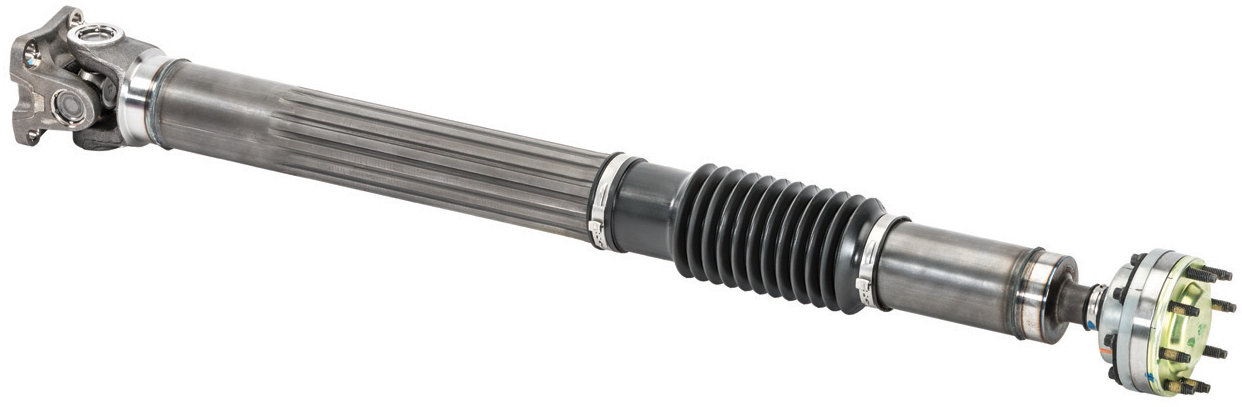
Credit: www.quadratec.com
Identifying Front Drive Shaft Issues
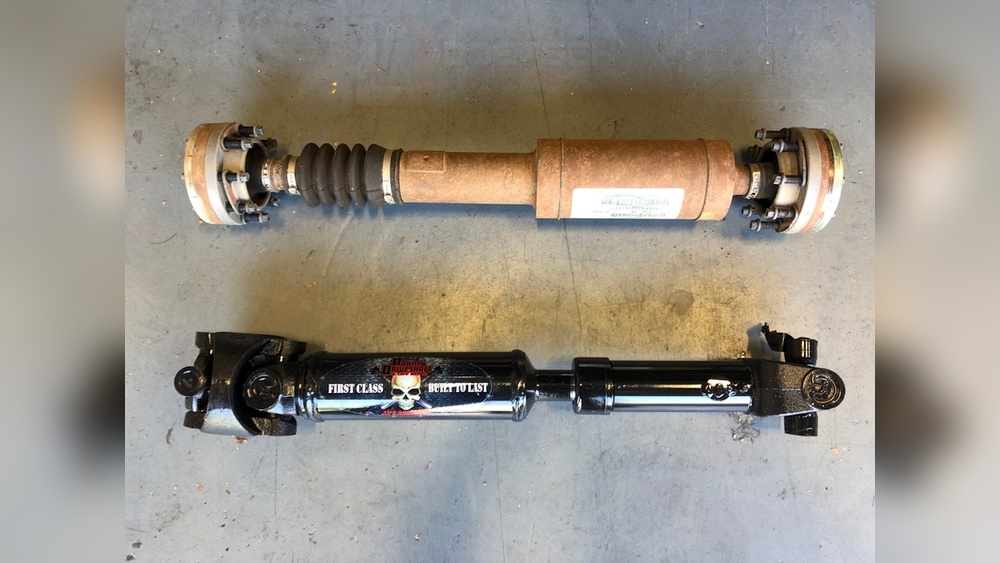
The front drive shaft on a 2007 Jeep Wrangler is a key part that sends power from the engine to the front wheels. Problems with this part can cause serious driving issues and damage other parts. Knowing how to spot front drive shaft problems early can save time and money. This section explains how to identify issues with the front drive shaft, helping you keep your Jeep running smoothly.
Common Symptoms Of Failure
Watch for unusual noises like clunking or clicking sounds near the front axle. Vibrations felt in the steering wheel or floorboard can also signal trouble. Difficulty turning or jerky movements during acceleration may point to a failing drive shaft. Check for visible damage or grease leaks around the joints. Early symptoms often start small but grow worse over time.
Inspection Techniques
Start by lifting the Jeep safely with a jack and securing it with stands. Rotate the front wheels by hand to feel for rough spots or play in the shaft. Look closely at the universal joints for rust, cracks, or looseness. Check the drive shaft tube for dents or bends. Use a flashlight to spot grease leaks or worn seals. Regular inspections catch problems before they worsen.
Diagnosing Noise And Vibrations
Noise often comes from worn universal joints or unbalanced shafts. Test by driving at different speeds and listening for sounds that change with speed. Vibrations that increase when accelerating usually mean a failing drive shaft. Tighten loose parts and replace damaged components to stop the noise. Accurate diagnosis helps avoid costly repairs later.
Choosing The Right Replacement Parts
Choosing the right replacement parts for your 2007 Jeep Wrangler front drive shaft is very important. The right parts keep your Jeep running smoothly and safely. Poor quality parts can cause issues and cost more in the long run. Understanding the options helps you make the best choice for your vehicle.
Oem Vs Aftermarket Options
OEM parts come from the Jeep manufacturer. They match the original exactly. OEM parts ensure a perfect fit and reliable performance. Aftermarket parts are made by other companies. They often cost less and offer more choices. Some aftermarket parts match OEM quality. Others may not last as long. Choosing depends on budget and trust in brands.
Material And Build Quality
The front drive shaft must be strong and durable. Steel and aluminum are common materials. Steel is heavy but very tough. Aluminum is lighter and resists rust. Check welds and joints for strength. Good build quality means fewer repairs. Low-quality parts wear out fast and can fail.
Compatibility With 2007 Jeep Wrangler
Parts must fit your Jeep model. The 2007 Wrangler has specific drive shaft sizes and styles. Wrong parts cause vibration and damage. Always verify the part number matches your vehicle. Compatibility ensures smooth driving and long part life. Ask experts or use reliable guides to confirm fit.
Tools And Equipment Needed
Working on the 2007 Jeep Wrangler front drive shaft needs the right tools. Proper tools make the job easier and safer. Using correct equipment saves time and avoids damage to parts.
Basic Hand Tools
You need simple hand tools for most tasks. A ratchet set with sockets fits most bolts. Wrenches help with tight spots. Screwdrivers are useful for small clips or covers. Pliers come in handy for gripping and pulling parts.
Specialized Tools For Drive Shaft Removal
Some tools are made for drive shaft work. A torque wrench ensures bolts are tight but not too tight. A pry bar helps to separate stuck parts. A drive shaft puller can make removal easier. These tools protect the drive shaft and other components.
Safety Gear Essentials
Safety gear protects you while working. Gloves keep your hands clean and safe from cuts. Safety glasses protect your eyes from dust and debris. Wear closed-toe shoes to protect your feet. Always work in a well-lit area for better visibility.

Credit: www.amazon.com
Step-by-step Replacement Process
Replacing the front drive shaft on a 2007 Jeep Wrangler improves your vehicle’s performance. This step-by-step guide makes the process clear and simple. Follow these instructions carefully to avoid damage and ensure safety.
Preparing The Vehicle
Park the Jeep on a flat surface. Engage the parking brake. Use wheel chocks to block the rear wheels. Lift the front of the vehicle with a jack. Secure it with jack stands. Remove the front wheels for better access. Wear safety gloves and glasses. Gather all necessary tools before starting.
Removing The Old Drive Shaft
Locate the front drive shaft under the Jeep. Spray penetrating oil on bolts to loosen rust. Use a wrench to remove the bolts connecting the shaft. Carefully slide the drive shaft away from the transfer case. Support the shaft to prevent it from falling. Inspect the area for damage or wear. Keep bolts in a safe place for reuse.
Installing The New Drive Shaft
Align the new drive shaft with the transfer case and axle. Slide the shaft into position gently. Insert the bolts and hand-tighten them first. Make sure the shaft fits without forcing it. Check the universal joints for smooth movement. Tighten bolts gradually to avoid misalignment. Ensure no parts are loose or damaged.
Torque Specifications And Final Checks
Use a torque wrench to tighten bolts to factory specs. For the 2007 Jeep Wrangler front drive shaft, torque is usually around 35-45 ft-lbs. Double-check all bolt tightness. Lower the vehicle carefully from the jack stands. Reinstall the front wheels and tighten lug nuts. Test drive slowly to confirm smooth operation. Listen for unusual noises or vibrations.
Maintenance Tips For Longevity
Maintaining the front drive shaft of your 2007 Jeep Wrangler ensures it works well longer. Proper care reduces wear and prevents costly repairs. Simple steps can keep your drive shaft in top shape.
Regular Inspection Intervals
Check the drive shaft every 6,000 miles or during oil changes. Look for cracks, dents, or rust on the shaft. Inspect the universal joints for looseness or noise. Early detection stops small problems from growing.
Lubrication Practices
Grease the universal joints at least twice a year. Use the right type of grease, usually lithium-based. Avoid over-greasing, which can cause dirt buildup. Proper lubrication keeps parts moving smoothly and reduces friction.
Preventing Future Damage
Drive carefully over rough terrain to avoid shocks. Avoid fast turns or sudden stops that stress the drive shaft. Clean off mud and debris after off-road trips. Protecting the shaft extends its lifespan and keeps your Jeep reliable.
Troubleshooting Post-replacement Issues
Replacing the front drive shaft on a 2007 Jeep Wrangler can fix many problems. Yet, some issues may appear after the replacement. Knowing how to spot and fix these problems helps keep your Jeep running smooth. This guide covers common post-replacement issues and how to solve them.
Addressing Unusual Noises
Strange sounds often mean the drive shaft is not installed right. Listen for clunking, clicking, or grinding noises. These sounds may come from loose bolts or worn parts. Check all connections to ensure they are tight and secure. Inspect the universal joints for damage or lack of lubrication. Fixing these can stop the noise quickly.
Vibration Correction
Vibration after replacement is a common sign of imbalance. The drive shaft might not be centered properly. Even a small misalignment causes shaking while driving. Check the shaft for dents or bends. Make sure the shaft is balanced by a professional if needed. Tighten all bolts to the correct torque to reduce vibration.
Ensuring Proper Alignment
Proper alignment is key to a smooth drive. Misalignment puts stress on the drive shaft and other parts. Use alignment tools to check the shaft angle. Adjust the shaft to match the factory specifications. Ensure the slip yoke moves freely without binding. Correct alignment improves performance and extends part life.
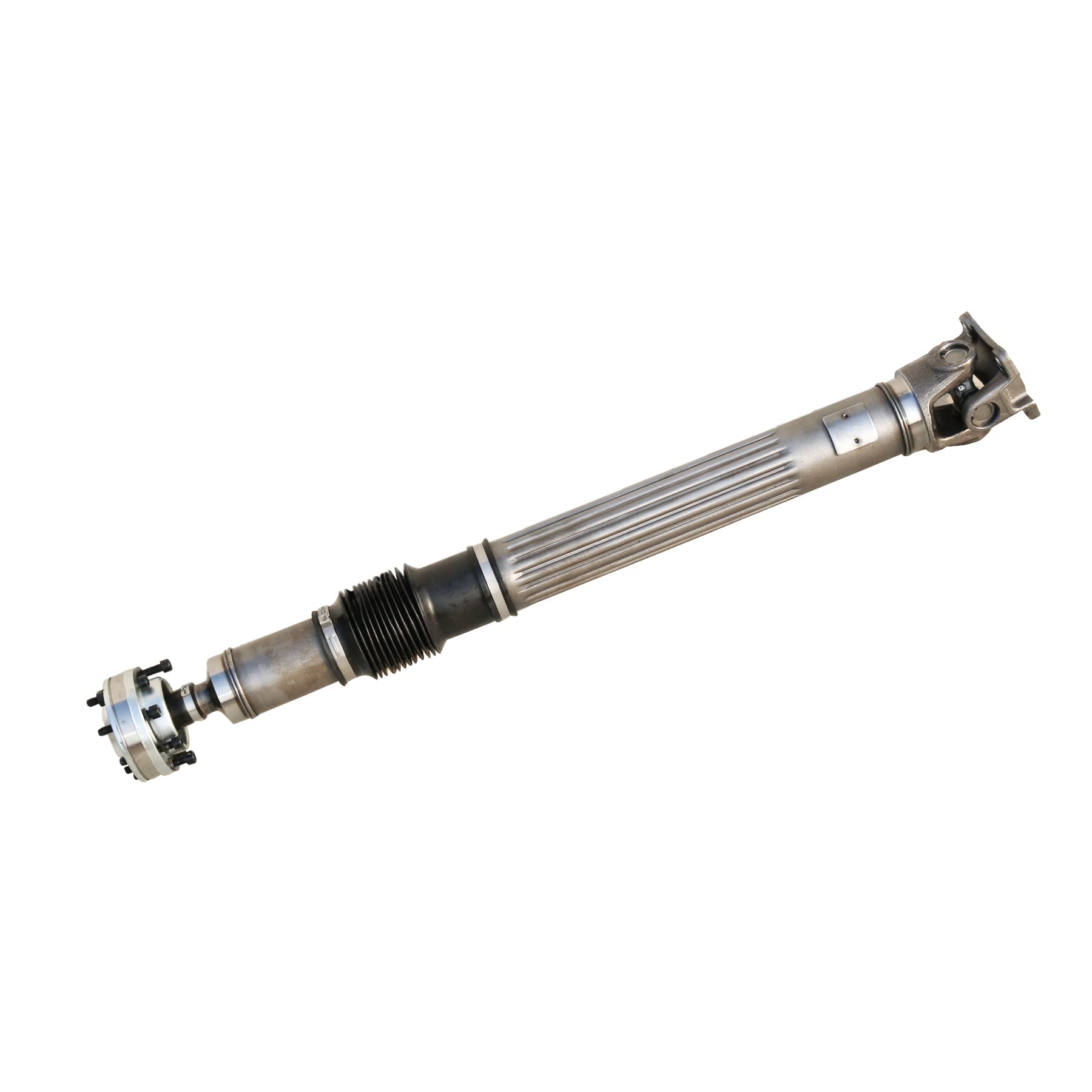
Credit: www.amazon.ca
Frequently Asked Questions
What Are Common Symptoms Of A Failing Front Drive Shaft?
A failing front drive shaft causes vibrations, clunking noises, and difficulty steering. It may also produce grease leaks near the joints. Early detection prevents further damage and costly repairs.
How Do I Replace A 2007 Jeep Wrangler Front Drive Shaft?
To replace the front drive shaft, lift the vehicle safely and remove bolts connecting it. Detach the old shaft and install the new one, ensuring proper alignment and torque specifications. Professional help is recommended for accuracy and safety.
What Is The Cost To Replace A Front Drive Shaft?
Replacement costs vary but typically range from $300 to $600, including parts and labor. OEM parts may cost more. Prices depend on location, mechanic rates, and part quality.
Can I Upgrade The Front Drive Shaft For Off-roading?
Yes, upgrading to a heavy-duty or performance front drive shaft improves durability and strength. This is ideal for off-roading and rugged conditions, enhancing Jeep Wrangler’s reliability and performance.
Conclusion
The 2007 Jeep Wrangler front drive shaft plays a key role in your vehicle’s performance. It helps transfer power from the engine to the wheels. Keeping it in good shape avoids costly repairs later. Regular checks can catch wear and tear early.
Choosing the right replacement part ensures smooth driving. Simple maintenance keeps your Jeep ready for any adventure. Trust the drive shaft to support your off-road trips. Stay safe and enjoy driving with a strong front drive shaft.