Have you ever wondered if Jeeps used during World War II were equipped with infrared (IR) lights? If you’re curious about the technology behind these iconic military vehicles, you’re in the right place.
Understanding whether IR lights were installed on WWII Jeeps can change how you see their role in night missions and stealth operations. Keep reading, and you’ll discover surprising facts that might challenge what you thought you knew about wartime innovation.
This isn’t just history—it’s about how your favorite Jeep earned its legendary status.
Ir Lights And Wwii Jeeps
IR lights and WWII Jeeps hold an interesting place in military history. These vehicles helped soldiers move at night without being seen. Infrared (IR) technology was new but showed promise for night missions. This technology aimed to give troops an edge in darkness.
The question many ask is whether Jeeps had IR lights during World War II. Understanding the role of IR lights helps answer this. The use of IR technology was limited but important in some military operations.
Role Of Ir Technology In Wwii
Infrared technology was invented before World War II. The military tested it for night vision and signaling. It allowed soldiers to see in the dark using special devices. The technology was not common in every unit. It was expensive and hard to produce.
By the late war years, some units used IR for spotting enemies at night. It helped avoid ambushes and improved safety. This technology was still in early stages but showed potential.
Military Vehicles And Night Operations
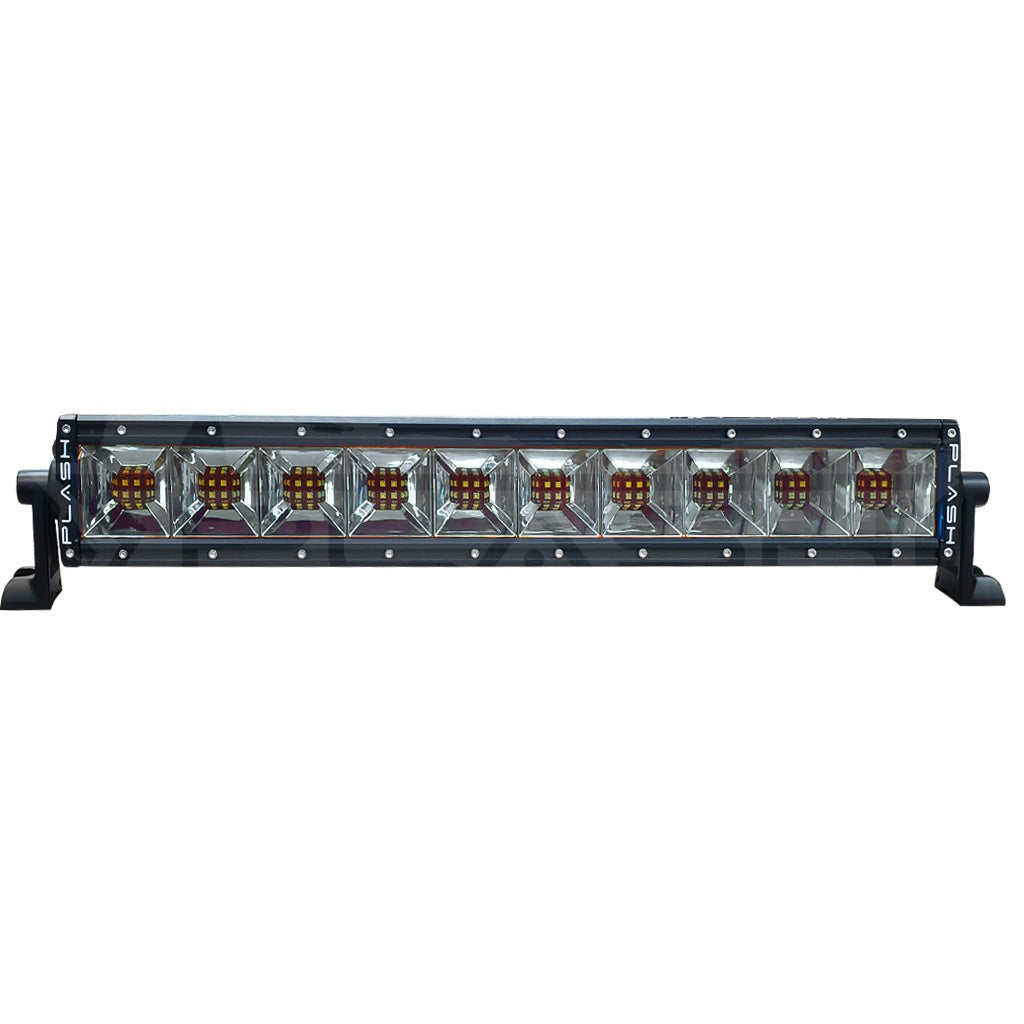
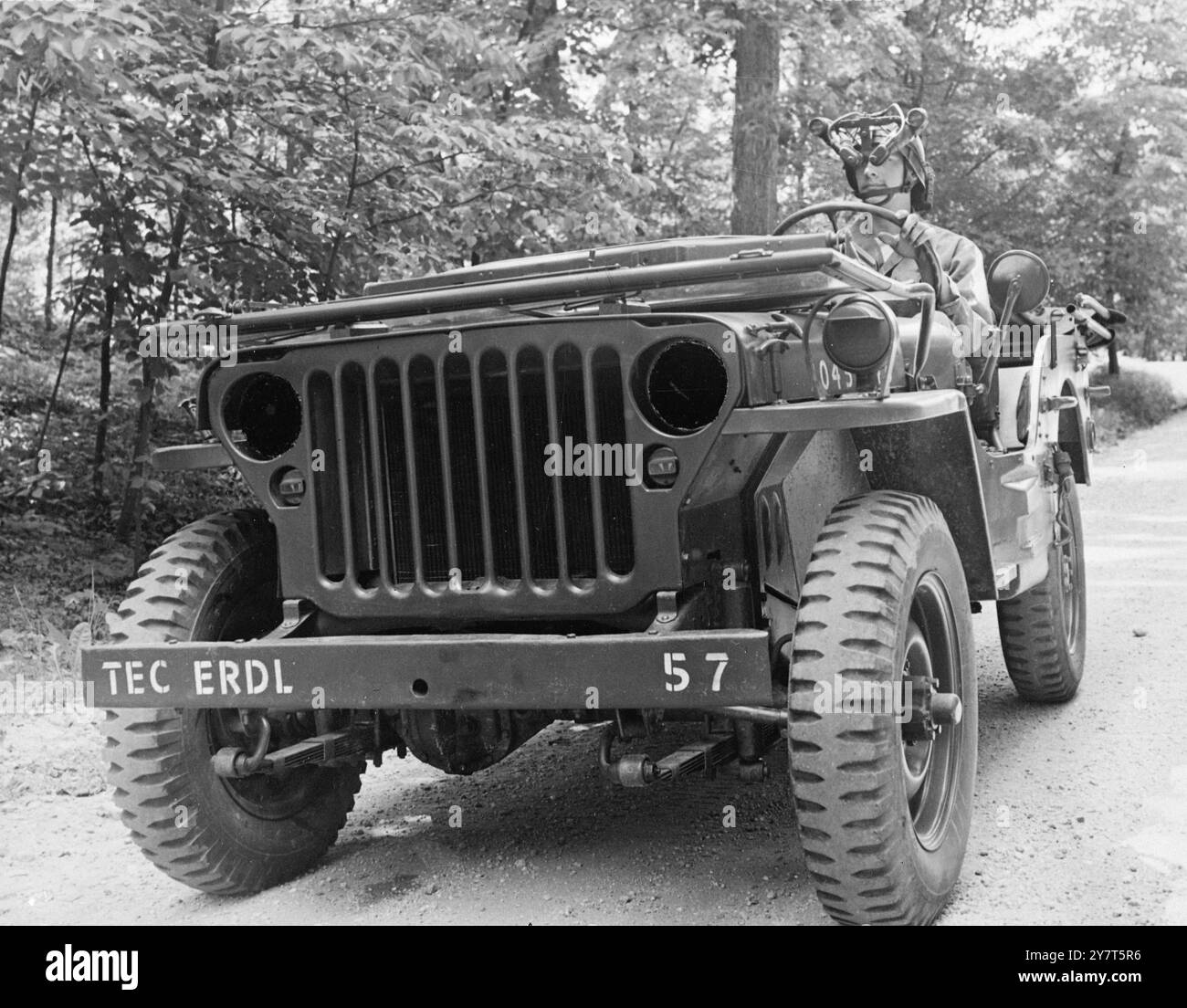
Military vehicles, including Jeeps, were tested with IR equipment. Some Jeeps had IR lights to work with night vision goggles. This helped drivers move silently and unseen during night raids. These lights were invisible to the naked eye but visible through special devices.
Not all Jeeps had IR lights. Only some special units used them. The technology was mainly for reconnaissance and stealth missions. IR lights improved night operations but were not widespread.
Credit: plashlights.com
Jeep Models Used In Wwii
The Jeep became a symbol of World War II. It served many roles on battlefields worldwide. The military needed a vehicle that was strong, light, and easy to fix. Jeep manufacturers answered this call with several models. These vehicles helped soldiers move quickly across tough terrains. Each model had features designed for specific tasks. Understanding the Jeep models used gives insight into their wartime importance.
Common Jeep Variants
The most famous Jeep model was the Willys MB. It was the standard light utility vehicle. Ford made a similar version called the GPW. Both looked alike and shared many parts. Another variant was the Dodge WC series. These were larger and used for heavier duties. Each Jeep variant had a role, from carrying troops to towing guns. Their designs focused on durability and simplicity.
Standard Equipment On Jeeps
Jeeps came with basic tools and equipment. They had a folding windshield and canvas top. The vehicles included a shovel, axe, and spare tire. Soldiers carried radios for communication. Some models had mounts for machine guns. The headlights were basic but functional for night use. These features made Jeeps ready for various battlefield tasks.
Evidence Of Ir Lights On Jeeps
Evidence of IR lights on Jeeps during World War II is a topic of interest for many history fans. These lights were used to help soldiers see at night without using regular headlights. IR lights worked with special goggles that showed the invisible light. This section explores the proof that Jeeps had these lights back then.
Historical Records And Photographs
Old military records mention the use of infrared equipment on some vehicles. Manuals describe how to install and use IR lights on Jeeps. Photographs from the war show Jeeps with extra lights mounted on the front. Some images reveal a faint glow from these lights during night missions. These records support the idea that IR lights were tested and used.
Veteran Accounts And Reports
Many veterans recall using night vision gear with Jeeps. Some describe driving in darkness using special goggles. They mention the quiet glow of infrared lights on the vehicles. Written reports from soldiers confirm the use of this technology in combat. These personal stories add strong proof to the historical evidence.
Credit: www.alamy.com
Challenges Of Installing Ir Lights
Installing infrared (IR) lights on Jeeps during World War II posed several challenges. The technology was new and not fully developed. Soldiers and engineers faced many obstacles to make it work effectively. These challenges affected the use and success of IR lights in military operations.
The problems included technical limits and practical issues in the field. Understanding these helps explain why IR lights were not widely used on Jeeps. Both the machines and the people had to adapt to tough conditions.
Technical Limitations Of The Era
IR light technology was in its early stages during World War II. The equipment was bulky and heavy. Power sources were unreliable and drained quickly. The light range was short, limiting visibility at night.
The devices required precise alignment to work properly. Many components were fragile and prone to damage. Manufacturing these lights was expensive and slow. This made mass production difficult.
Operational And Tactical Considerations
Using IR lights changed how soldiers moved at night. Drivers had to learn new skills to use the lights safely. The lights could reveal their position to enemies using similar technology. This risk made commanders cautious about their use.
IR lights needed special goggles to see the light. Not all soldiers had access to these goggles. Communication and coordination became harder during missions. These factors limited the tactical advantage of IR lights on Jeeps.
Comparing Ir Use In Other Vehicles
Infrared (IR) technology played a key role in World War II vehicles. It helped soldiers see in the dark. Different vehicles used IR in unique ways. Comparing IR use across vehicles shows how technology adapted.
Tanks And Armored Vehicles
Tanks had IR lights for night battles. These lights helped drivers see without bright lamps. Bright lights could give away a tank’s position. IR lights allowed tanks to move silently and hidden. Armored vehicles used IR to guide troops safely.
Infantry Equipment
Infantry also used IR for night missions. Soldiers used IR scopes to spot enemies in the dark. IR helped them aim better at night. Small IR devices were easy to carry and use. This gave infantry an advantage during night attacks.
Legacy Of Ir Technology Post-wwii
Infrared (IR) technology changed military lighting forever after World War II. It started as a way to help soldiers see at night without being seen. The technology improved and became a key part of many military vehicles, including jeeps.
This legacy shaped how night operations were done. IR lights helped troops move quietly and safely in the dark. Over time, the use of IR lighting spread beyond just military jeeps. It influenced new designs and new uses.
Advancements In Military Lighting
Military lighting became smarter and more efficient after the war. IR lights grew brighter and more reliable. New materials and designs made them last longer in tough conditions.
Night vision devices also improved. They worked better with IR lights to give soldiers clear vision in darkness. These advances helped troops stay safe and complete missions more easily.
Modern Jeep Adaptations
Today, modern jeeps sometimes use IR lighting based on old military ideas. These lights help off-road drivers see in the dark. They also keep the driver less visible to animals and others.
Some jeeps have special night vision systems. These use IR lights to show the road clearly without bright headlights. This keeps night driving safer and more comfortable.
Credit: www.xkglow.com
Frequently Asked Questions
Were Infrared Lights Installed On Wwii Jeeps?
No, infrared lights were not commonly installed on WWII Jeeps. Early Jeeps used standard headlights for visibility. Infrared technology was in its infancy and not widely deployed on vehicles during that period.
What Was The Purpose Of Jeep Lighting In Wwii?
Jeep lighting in WWII primarily provided basic visibility for night driving. Some vehicles had blackout lights to reduce visibility to enemies. Advanced lighting like infrared was rare and mostly experimental during the war.
Did Any Wwii Military Vehicles Use Infrared Lighting?
A few specialized WWII military vehicles tested infrared lighting for night operations. However, widespread use on Jeeps or other vehicles did not occur until after the war. Infrared tech was still developing and limited in battlefield use.
How Did Soldiers See At Night Without Infrared Lights?
Soldiers relied on blackout lights, moonlight, and flashlights for night vision. Night operations often used minimal lighting to avoid detection. Infrared night vision devices were not yet common during WWII.
Conclusion
WWII Jeeps did not come with IR lights installed. These vehicles had simple, durable designs made for day and night use. Soldiers sometimes added IR lights later for special missions. Such modifications helped with night vision and communication. Understanding this shows how Jeep design matched wartime needs.
Today, IR lights are common in military vehicles but were rare then. The Jeep’s basic setup made it reliable and easy to fix. This helped soldiers focus on their tasks, not the gear. The story of IR lights on Jeeps shows how technology and war needs evolved.