Every day, thousands of car fans and adventure lovers ask the same question: How many Jeep Wranglers are made each day? The Jeep Wrangler is more than just a vehicle.
It's a symbol of freedom, off-road excitement, and American design. But what goes on behind the scenes at the factory?
How many of these tough SUVs roll off the assembly line in 24 hours? Understanding the production numbers gives you a window into its popularity, global demand, and the hard work that makes this icon possible.
Where Jeep Wranglers Are Built
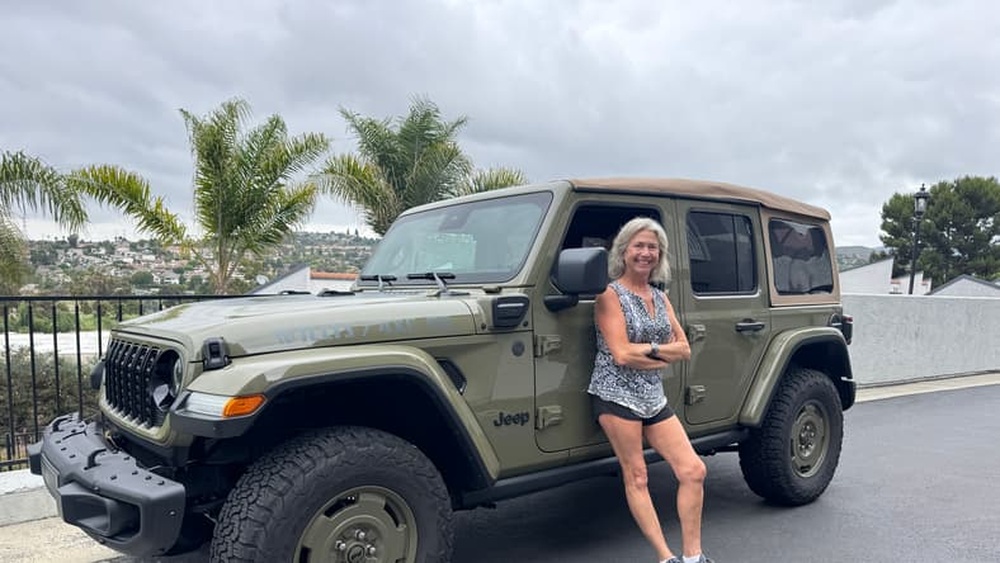
The Jeep Wrangler is mainly made at the Toledo Assembly Complex in Toledo, Ohio. This site has been building Jeeps since World War II, making it a special place in the auto world. The complex is split into two main parts: the Toledo North and Toledo South plants. Today, the Toledo South plant is known as the Toledo Supplier Park, where all Wrangler models are made.
Why Toledo? The city has a deep Jeep history. Workers here are skilled, and many have family ties to the factory. This strong tradition helps keep quality high and production steady.
Daily Production Numbers
So, how many Jeep Wranglers are made each day? The answer can change, but here’s what the numbers show.
- On average, the Toledo Assembly Complex builds around 700–900 Jeep Wranglers every day.
- Some days, production can peak above 1,000 units if demand is high or during new model launches.
- Yearly output for the plant is usually between 200,000 and 250,000 Wranglers.
Here’s a quick look at daily Jeep Wrangler production compared to other popular SUVs:
| Model | Plant Location | Daily Output |
|---|---|---|
| Jeep Wrangler | Toledo, Ohio | 700–900 |
| Ford Bronco | Wayne, Michigan | 500–700 |
| Toyota 4Runner | Tahara, Japan | 400–500 |
These numbers can shift up or down based on market trends, supply chain issues, or new model launches.
What Affects Production Numbers?
Several factors decide how many Jeep Wranglers are made each day:
- Market Demand: If more people want Wranglers, the factory can add extra shifts or speed up lines. When demand drops, production slows.
- Supply Chain: Shortages of parts like microchips or steel can stop or slow work. The 2021 chip shortage, for example, caused many delays.
- Model Changes: When a new Wrangler version is released, the line might pause for a few days to switch tools and train workers.
- Workforce: Strikes, holidays, or hiring issues can reduce daily output.
- Quality Checks: Jeeps go through tough tests. If problems are found, production may slow until fixes are made.
Here’s how production can vary by season:
| Season | Average Daily Output | Main Reason |
|---|---|---|
| Spring/Summer | 900–1,000 | High sales season, new model launches |
| Fall/Winter | 700–800 | Routine maintenance, holiday breaks |
Inside The Assembly Line
The Jeep Wrangler’s journey from parts to finished SUV is a well-oiled process:
- Body Shop: Robotic arms build the body and weld panels together.
- Paint Shop: The body gets its color and rust protection.
- Trim & Chassis: Workers add seats, dashboards, engines, and wheels.
- Final Inspection: Each Wrangler is tested for leaks, noises, and safety.
It takes about 20–30 hours to build one Jeep Wrangler from start to finish. The plant runs two main shifts per day, with possible overtime or weekend shifts during busy times.
How Jeep Wrangler Production Compares
Compared to other SUVs, the Jeep Wrangler’s daily numbers are impressive. The Ford Bronco, for example, is a close rival but makes slightly fewer units per day. Toyota’s 4Runner, another off-road classic, is built in smaller numbers due to higher labor costs and export limits.
Here’s a quick production comparison by year:
| Model | Annual Production | Main Market |
|---|---|---|
| Jeep Wrangler | ~220,000 | USA, Canada, Global |
| Ford Bronco | ~150,000 | USA, Canada |
| Toyota 4Runner | ~120,000 | USA, Japan, Global |
Non-obvious insight: The Wrangler’s high numbers are possible because its design allows many trim levels to be built on the same line. This flexibility is rare in car factories and helps Jeep respond quickly to changing trends.
Why Production Numbers Matter
For buyers, knowing how many Jeep Wranglers are made each day helps you:
- Understand availability: High production means more Wranglers at dealers, which can lead to better prices or faster delivery.
- Spot rare editions: Special models (like the Rubicon 392 or Willys) are made in smaller batches, making them more collectible.
- Predict resale value: Consistent production keeps values steady, but limited editions can be worth more over time.
For investors or fans, these numbers show the brand’s health and the Wrangler’s place in the car market.
Challenges In Production
Even with strong numbers, building Wranglers is not always smooth. Here are two challenges beginners might miss:
- Customization slows the line: Many buyers order custom options, from paint to tires. Each change needs extra checks and parts, which can slow daily output.
- Quality vs. speed: Jeep focuses on making tough, reliable vehicles. If a problem is found, the line slows or stops until it’s fixed. This protects the brand but can cut the total number made each day.
The Future Of Jeep Wrangler Production
Jeep is preparing for an electric future. The Wrangler 4xe, a plug-in hybrid, now rolls off the same line as gas versions. As more electric Wranglers are added, the plant will need to balance new technology with old favorites. This could raise daily numbers or create short-term slowdowns as workers learn new steps.
According to Wikipedia, Jeep plans to keep improving production, quality, and new model launches to meet the growing global demand.

Frequently Asked Questions
How Many Jeep Wranglers Are Made Each Day?
On average, about 700–900 Jeep Wranglers are built daily at the Toledo Assembly Complex, depending on demand and plant schedules.
Why Does The Number Change From Day To Day?
Production can change due to market demand, supply chain issues, workforce availability, or model updates.
Are All Jeep Wranglers Made In The Us?
Yes, all Wrangler models are made in Toledo, Ohio. Some parts may come from other countries, but assembly is done in the US.
How Long Does It Take To Build One Jeep Wrangler?
It usually takes 20–30 hours to build a Wrangler from start to finish, including all quality checks.
Will Electric Wranglers Change Production Numbers?
As electric and hybrid models like the Wrangler 4xe become more popular, the plant may make more vehicles each day, but there could be short-term slowdowns as workers adjust to new steps.
The Jeep Wrangler’s daily production is a sign of its strong demand and classic appeal. Behind every Wrangler on the road is a skilled team and a carefully planned process that keeps this legend rolling forward.