If you own a 2014 Jeep Wrangler, you know how important a working AC is—especially when the heat kicks in. But what happens when your AC stops blowing cold air?
The culprit is often the AC compressor. Without it, your Jeep’s air conditioning won’t function properly, leaving you uncomfortable on every drive. You’ll discover everything you need to know about the 2014 Jeep Wrangler AC compressor—how to spot the signs of trouble, why it might fail, and what your best options are for repair or replacement.
Keep reading to make sure your Jeep stays cool and comfortable, no matter the weather.

Credit: www.ebay.com
Jeep Wrangler Ac Compressor Basics
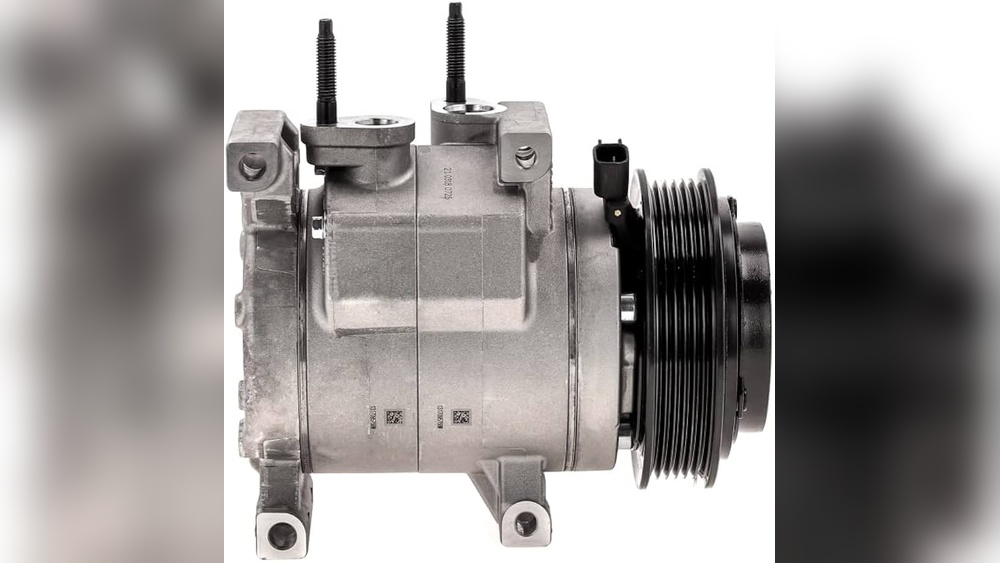
The 2014 Jeep Wrangler AC compressor is a key part of the vehicle’s air conditioning system. It helps keep the cabin cool during hot days. Understanding its basics can help you spot problems early. This saves time and money on repairs.
The AC compressor works hard every time you turn on the air conditioning. Knowing its role and signs of failure helps maintain comfort inside your Jeep Wrangler.
Role Of The Ac Compressor
The AC compressor pumps refrigerant through the air conditioning system. It compresses the refrigerant gas, turning it into a high-pressure, hot gas. This gas then moves through the condenser and evaporator to cool the air inside the Jeep. Without the compressor, the AC system cannot cool the cabin. It acts like the heart of the AC system, keeping the refrigerant moving.
Common Symptoms Of Failure
A failing AC compressor shows clear signs. The most common is warm air coming from the vents instead of cold air. You might hear strange noises like grinding or squealing. Sometimes, the AC stops working completely. Another sign is the AC clutch not engaging. These symptoms mean the compressor needs inspection or replacement. Ignoring these signs can damage other AC parts.
Diagnosing Ac Compressor Issues
Diagnosing AC compressor issues in a 2014 Jeep Wrangler is key to restoring cool air inside the cabin. The compressor helps circulate refrigerant and keeps the AC system working. Problems with this part often cause poor cooling or strange noises. Early diagnosis saves time and money.
Start by checking the compressor closely. Look for signs of wear or damage. Then test if the compressor runs properly. Both steps reveal the health of your AC system.
Visual Inspection Tips
Look under the hood for leaks. Oil or refrigerant stains near the compressor may appear. Check the compressor clutch for damage or wear. A worn clutch won’t engage correctly. Inspect the belt that drives the compressor. A cracked or loose belt can cause failure. Also, listen for unusual noises like grinding or squealing. These sounds often point to compressor problems.
Testing Compressor Functionality
Turn on the AC and watch the compressor clutch. It should engage and spin smoothly. If it does not engage, the compressor may be faulty. Use a pressure gauge to check refrigerant levels. Low pressure can stop the compressor from working. Measure voltage at the compressor’s electrical connector. No power means an electrical issue. Finally, listen for compressor noise during operation. Loud or rough sounds signal internal damage.
Tools And Parts Needed
Replacing the AC compressor on a 2014 Jeep Wrangler needs the right tools and parts. Proper preparation helps avoid delays and errors. This section guides you through the must-have tools and choosing the best replacement compressor. Clear steps make the repair process easier and safer.
Essential Tools For Repair
Gather tools before starting the job. A socket wrench set helps remove bolts fast. A set of screwdrivers works for clamps and covers. Use a torque wrench to tighten bolts to the right level. An AC manifold gauge set checks the system pressure. Wear safety glasses and gloves for protection. A refrigerant recovery machine handles the old gas safely. Keep a vacuum pump ready to remove air and moisture. A replacement O-ring kit prevents leaks after installation.
Selecting The Right Replacement Compressor
Pick a compressor that fits the 2014 Jeep Wrangler model. Match the part number to the original compressor. Choose between new, rebuilt, or remanufactured units. New parts last longer but cost more. Rebuilt compressors offer a balance of price and quality. Confirm compatibility with the vehicle’s AC system type. Look for warranties to ensure reliability. Buy from trusted suppliers to avoid low-quality parts.
Step-by-step Repair Process
Fixing the AC compressor on a 2014 Jeep Wrangler is a clear process. It needs careful steps to avoid damage and ensure cool air. This guide breaks down the repair into easy parts. Follow each step to complete the job safely and correctly.
Removing The Old Compressor
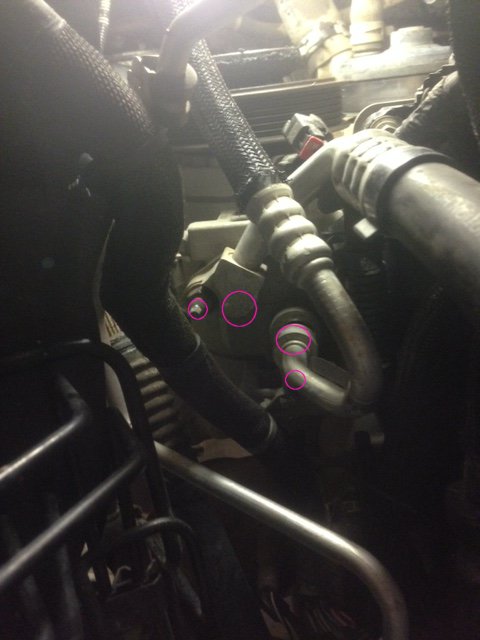
Start by disconnecting the battery to avoid electrical shocks. Remove the serpentine belt from the compressor pulley. Next, disconnect the electrical connector from the compressor. Use a wrench to remove the refrigerant lines carefully. Unscrew the mounting bolts and take out the old compressor. Handle it gently to avoid spilling refrigerant.
Preparing The System
Check the AC system for leaks and damage before installing the new compressor. Replace the receiver-drier or accumulator to keep the system clean. Vacuum the system to remove air and moisture. Add the correct amount of new refrigerant oil to the compressor. Make sure all parts are clean and dry before proceeding.
Installing The New Compressor
Place the new compressor into the mounting position. Tighten the mounting bolts securely but do not overtighten. Reconnect the refrigerant lines and electrical connector. Reinstall the serpentine belt on the compressor pulley. Recharge the AC system with the proper refrigerant type and amount. Test the AC to confirm it is working well and cooling properly.
Recharging The Ac System
The 2014 Jeep Wrangler’s AC system needs regular care for best performance. Recharging the AC system helps keep the cabin cool. Over time, refrigerant can leak or get used up. Without enough refrigerant, the AC will not blow cold air. Recharging adds the right amount of refrigerant back into the system. This process is simple but must be done carefully. Proper recharging ensures the AC runs well and lasts longer.
Choosing The Correct Refrigerant
Use the exact refrigerant type for the 2014 Jeep Wrangler. This model typically uses R-134a refrigerant. Using the wrong type can damage the AC system. Check the vehicle’s manual or the label under the hood. Buy refrigerant from a trusted store. Avoid cheap or counterfeit products. The right refrigerant keeps the system safe and cools efficiently.
Proper Recharging Techniques
Start by checking the AC system pressure with a gauge. Connect the recharge hose to the low-pressure port. Run the engine and turn the AC to the highest setting. Slowly add refrigerant while watching the gauge. Stop adding when the pressure reaches the recommended level. Overcharging can harm the system and reduce cooling. After recharging, check if the air feels cold. Proper technique ensures the AC works at its best.
Preventive Maintenance Tips
Maintaining the AC compressor in your 2014 Jeep Wrangler helps keep the air conditioning system running smoothly. Preventive care can stop costly repairs. It also improves comfort during hot days. Small steps make a big difference in compressor health.
Simple habits protect your AC compressor from early wear. Regular checks catch problems early. Proper care extends the unit’s life. The following tips focus on easy ways to care for your compressor.
Regular Inspection Schedule
Check the AC compressor every few months. Look for leaks or unusual noises. Inspect belts for cracks or looseness. Clean debris around the compressor area. Make sure the compressor clutch engages properly. Early detection of issues prevents bigger damage later.
Extending Compressor Lifespan
Use the AC system regularly, even in winter. This keeps the compressor lubricated and working well. Replace the refrigerant and oil as recommended. Avoid running the AC on max setting constantly. Keep the cooling system clean and free of dust. These steps help the compressor last longer and work better.
Cost And Warranty Considerations
Understanding the cost and warranty details of the 2014 Jeep Wrangler AC compressor helps in making smart decisions. The AC compressor is a key part of your vehicle’s cooling system. Knowing how much repair or replacement might cost saves money and stress. Warranty coverage can also affect your expenses significantly.
Repair Vs Replacement Costs
Repairing an AC compressor often costs less than replacing it. A simple fix might run between $200 and $400. This depends on the damage and labor fees. Replacement is more expensive, usually between $500 and $900. The price includes the new compressor and installation. Choosing repair or replacement depends on the compressor’s condition and age.
Warranty Coverage Insights
Most new Jeep Wranglers come with a limited warranty. This warranty may cover the AC compressor for a few years. Check your vehicle’s warranty booklet for exact details. Some warranties cover parts only, not labor. Extended warranties or service plans might offer extra coverage. Always confirm what your warranty includes before paying for repairs.

Credit: www.amazon.com
Credit: www.benchtest.com
Frequently Asked Questions
What Are Signs Of A Failing 2014 Jeep Wrangler Ac Compressor?
Common signs include strange noises, weak cooling, and AC not blowing cold air. Compressor clutch failure can also occur.
How Much Does A 2014 Jeep Wrangler Ac Compressor Replacement Cost?
Replacement costs range from $400 to $800, including parts and labor. Prices vary by location and service provider.
Can I Replace The Ac Compressor Myself On A 2014 Jeep Wrangler?
Yes, if you have mechanical skills and proper tools. However, professional service is recommended for safety and accuracy.
What Causes Ac Compressor Failure In A 2014 Jeep Wrangler?
Causes include refrigerant leaks, electrical issues, and worn-out compressor clutch or bearings. Regular maintenance helps prevent failure.
Conclusion
Keeping your 2014 Jeep Wrangler’s AC compressor in good shape matters a lot. It helps your air conditioner work well and keeps you cool. Watch for strange noises or weak airflow as signs of trouble. Fixing issues early saves money and stress later.
Choose the right parts and expert help for best results. A working AC makes every drive more comfortable and enjoyable. Don’t ignore small problems; they can grow fast. Stay cool and safe on the road with regular care.