Owning a Jeep comes with its own set of terms and features that sometimes confuse new drivers. One term you might see on your dashboard or hear from mechanics is gas cap.
Whether you drive a Wrangler, Grand Cherokee, or Gladiator, understanding what “gas cap” means can help you avoid problems and keep your Jeep running smoothly. Let’s break down this important part, why it matters, and what to do if you see a warning about it.
What Is A Gas Cap On A Jeep?
The gas cap is a small, round cover that seals the opening of your fuel tank. It’s usually made of plastic, metal, or a mix of both. On all Jeep models, the gas cap sits on the side of the vehicle, under a flap or door.
Its main job is to keep fuel vapors from escaping and to protect the fuel from dirt, water, and debris. Without a tight seal, fuel vapors can leak out, causing both environmental and performance issues. The gas cap also helps maintain the correct pressure inside the fuel tank.
Types Of Gas Caps
Jeep offers a few gas cap options:
- Standard twist-on caps: These are the most common, found on older models and many current Jeeps.
- Locking gas caps: These add extra security, needing a key to open.
- Capless systems: Some newer Jeeps use a capless design, where you simply insert the fuel nozzle without removing a cap.
Each type works to protect your fuel system, but the warning messages and maintenance needs can vary.
Why Does Your Jeep Show A Gas Cap Warning?
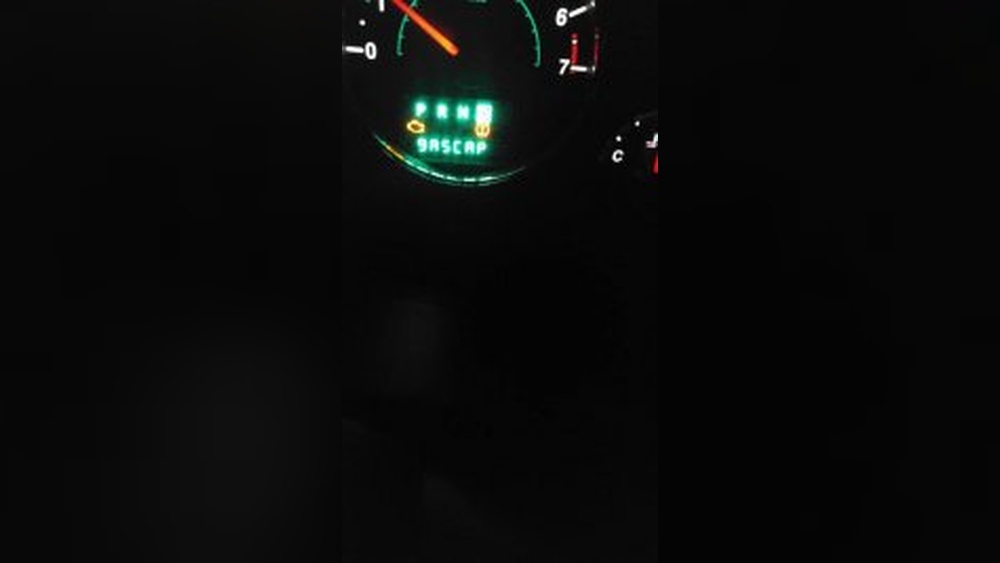
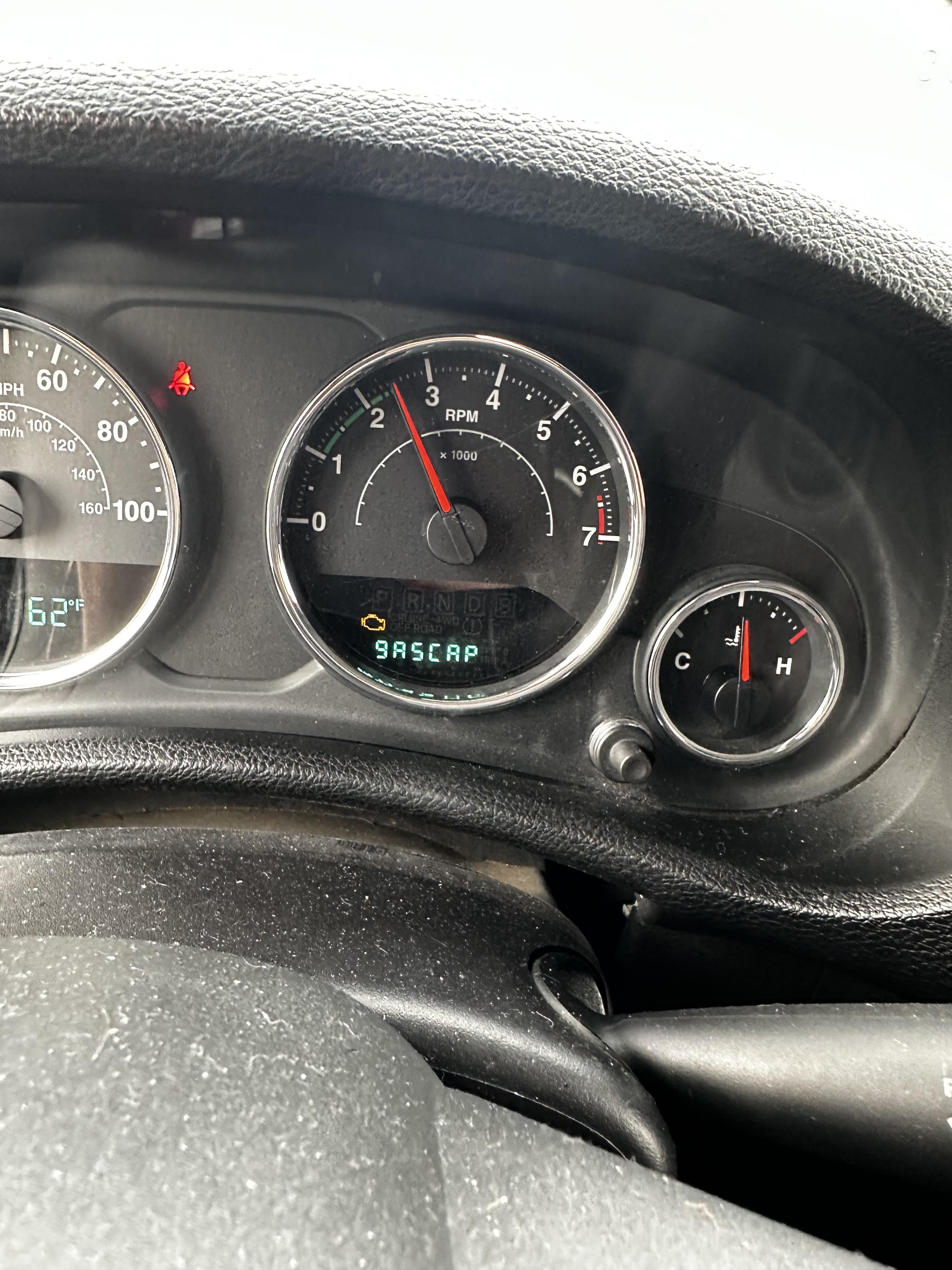
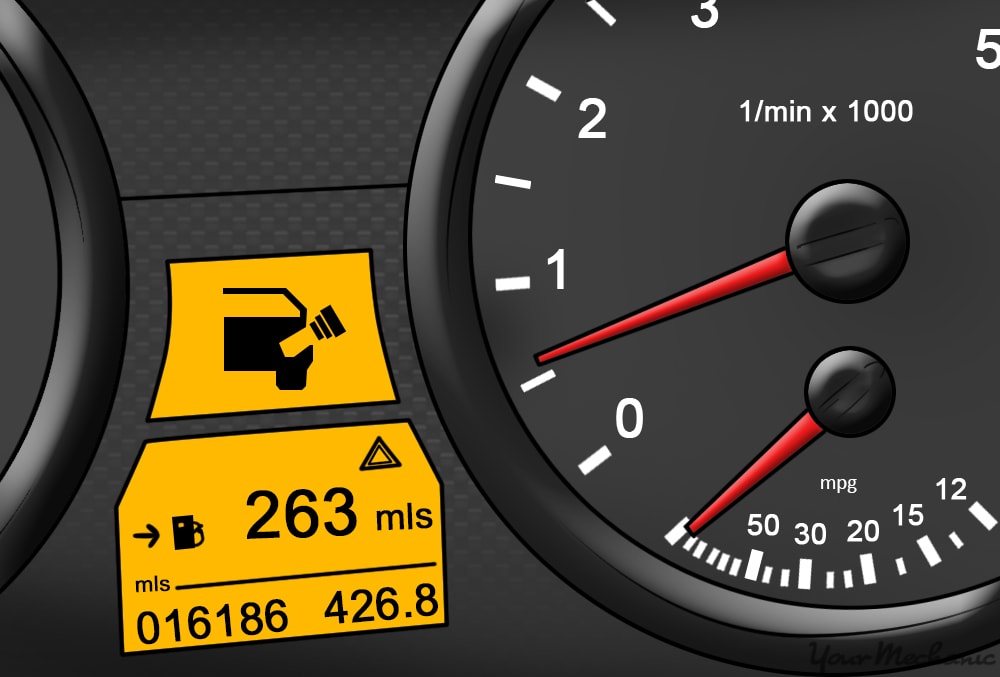
Seeing a gas cap warning on your dashboard is common. Most Jeeps have sensors that check if the gas cap is sealed correctly. If it’s loose, missing, or damaged, you may see a message like “Check Gas Cap” or a yellow light.
Here’s why this matters:
- Evaporative Emissions Control: The gas cap is part of the EVAP system, which prevents fuel vapors from escaping into the air. A loose cap means your Jeep can’t contain these vapors.
- Fuel Efficiency: Without a tight seal, your Jeep can lose fuel, lowering your miles per gallon.
- Engine Performance: The EVAP system affects how your engine runs. If the system finds a leak, it may trigger the “Check Engine” light and cause rough idling.
- Environmental Laws: Leaking vapors increase pollution and may cause your Jeep to fail an emissions test.
Common Reasons For Gas Cap Warnings
- Loose or missing cap: Sometimes drivers forget to tighten the cap after refueling.
- Damaged seal: The rubber gasket may crack or dry out.
- Wrong cap: Using a cap not designed for your Jeep can cause leaks.
- Sensor issues: Occasionally, the sensor itself fails.
Let’s compare the main causes and their effects:
| Cause | Dashboard Warning | Possible Consequence |
|---|---|---|
| Loose Gas Cap | Check Gas Cap | Minor EVAP leak, reduced efficiency |
| Missing Gas Cap | Check Engine Light | Major EVAP leak, failed emissions |
| Damaged Cap/Seal | Check Gas Cap | Fuel vapor loss, rough engine |
How To Fix Gas Cap Issues On Your Jeep
When you see a gas cap warning, it’s usually easy to fix. Start with these steps:
- Check the cap: Open the fuel door and make sure the cap is tight. Turn until you hear several clicks.
- Inspect for damage: Look for cracks, tears, or missing parts on the cap and seal.
- Replace if needed: If the cap is damaged or missing, buy a new one. Make sure it matches your Jeep’s model.
- Reset the warning: After fixing the cap, drive for a few miles. The warning should disappear as the system rechecks itself.
Here’s a quick comparison of replacement options:
| Type | Cost (USD) | Security | Ease of Use |
|---|---|---|---|
| Standard Twist-On | $10–$30 | Basic | Very Easy |
| Locking Gas Cap | $20–$50 | High | Easy, but needs key |
| Capless System | N/A (Built-in) | Medium | Very Easy |
Extra Tips For Jeep Owners
- Always use an OEM gas cap (Original Equipment Manufacturer) for the best fit and seal.
- If you live in a dusty or rainy area, check the cap regularly for debris.
- For older Jeeps, the gas cap seal can dry out faster. Replace every 2-3 years.
- If the warning light stays on after fixing the cap, visit a mechanic to check for deeper EVAP leaks.
Many beginners think the gas cap is just a simple cover. But in reality, it’s a key part of your Jeep’s emission system. Ignoring warnings can lead to expensive repairs and poor fuel efficiency.
How A Gas Cap Impacts Jeep Performance
You might not notice small leaks right away, but over time, a bad gas cap can affect your Jeep’s performance:
- Lower gas mileage: Your Jeep may burn more fuel.
- Failed emissions test: Leaks can make your Jeep illegal to drive in some states.
- Rough engine behavior: The EVAP system might force your engine to run differently.
- Long-term engine wear: Air or debris entering through a faulty cap can harm engine parts.
Here’s a performance comparison for Jeeps with and without gas cap issues:
| Condition | Fuel Economy (MPG) | Emissions | Engine Response |
|---|---|---|---|
| Good Gas Cap | 18–22 | Pass | Normal |
| Bad Gas Cap | 15–19 | Fail | Rough, Check Engine |
Frequently Asked Questions
What Does “check Gas Cap” Mean On My Jeep Dashboard?
It means the system has detected a problem with your gas cap. The cap may be loose, missing, or damaged, causing fuel vapors to leak. Tighten or replace the cap to fix the issue.
Can I Drive My Jeep With A Gas Cap Warning?
You can drive short distances, but it’s best to fix the issue soon. Driving without a good gas cap can harm your engine and reduce fuel efficiency.
How Often Should I Replace The Gas Cap On My Jeep?
Most Jeep owners should replace the gas cap every 2–3 years or sooner if you notice cracks or leaks. Using the right cap helps prevent warnings and performance issues.
Are Locking Gas Caps Worth It For A Jeep?
If you park in public places or worry about fuel theft, a locking gas cap adds security. It’s a simple upgrade for peace of mind.
What Happens If I Ignore The Gas Cap Warning?
Ignoring the warning can lead to failed emissions tests, lower gas mileage, and possible engine trouble. Always check and fix the cap quickly.
Understanding the gas cap on your Jeep is more than just knowing where to fill up. It’s a key part of keeping your vehicle safe, efficient, and legal. Taking care of this small part can save you from bigger headaches. For more details on emissions systems, see this Wikipedia article.