If you own a 2007 Jeep Wrangler, you might have heard about the evap canister but aren’t quite sure what it does or why it matters. This small part plays a big role in keeping your Jeep running smoothly and staying eco-friendly.
Understanding how the evap canister works can save you from costly repairs and unexpected breakdowns. You’ll discover everything you need to know about the 2007 Jeep Wrangler evap canister—how to spot problems, why it’s important, and what to do if it fails.
Keep reading to protect your Jeep and keep it performing at its best.
Evap Canister Basics
The evap canister in a 2007 Jeep Wrangler plays a key role in controlling harmful gas emissions. It helps keep fuel vapors from escaping into the air. The canister stores these vapors and sends them back to the engine to burn. This process helps reduce pollution and keeps the vehicle running clean.
Understanding how the evap canister works can help you spot problems early. A faulty canister can cause engine issues and fail emissions tests. Knowing the basics helps keep your Jeep in good shape.
Role In Emission Control
The evap canister captures fuel vapors from the gas tank. It stops these vapors from escaping into the environment. The canister stores vapors in activated charcoal inside it. When the engine runs, it burns the stored vapors for fuel.
This system reduces air pollution and saves fuel. It also helps the Jeep meet emission standards set by law. Without the evap canister, harmful gases would pollute the air more.
Common Symptoms Of Failure
A bad evap canister often causes a check engine light. You might also notice a strong fuel smell near the vehicle. The engine could run rough or stall sometimes. Fuel economy may drop because the system leaks vapors.
Other signs include difficulty starting the engine or poor acceleration. These symptoms mean the evap system needs checking. Fixing the canister early prevents bigger engine problems later.

Credit: www.drivingline.com
Diagnosing Evap Canister Issues
Diagnosing evap canister issues in a 2007 Jeep Wrangler helps keep the fuel system clean. The evap canister traps fuel vapors and stops them from escaping. When it fails, the check engine light often turns on. You might notice fuel smells or poor engine performance. Understanding how to diagnose these problems can save time and money.
Checking For Trouble Codes
Start by using an OBD-II scanner to read trouble codes. The scanner plugs into the Jeep’s diagnostic port. Codes like P0440 or P0442 point to evap system faults. These codes guide you to the exact problem area. Clear codes after repairs and see if they return.
Visual Inspection Tips
Look over the evap canister and hoses for cracks or leaks. Check for loose or broken connections. Dirt and debris can block the canister vents. Replace any damaged parts to ensure proper function. A clean, intact system works best for vapor control.
Performing A Smoke Test
A smoke test finds small leaks in the evap system. Smoke enters the system under low pressure. Watch for smoke escaping from hoses, connections, or the canister. This test reveals hidden cracks not visible to the eye. Fix leaks quickly to prevent fuel vapor loss.
Tools And Parts Needed
Replacing the evap canister on a 2007 Jeep Wrangler needs the right tools and parts. This section explains what you need to do the job right. Having the correct items helps the repair go smoothly. It also saves time and effort.
Knowing which tools and replacement parts to use ensures the evap system works properly. This keeps your Jeep running clean and avoids check engine lights.
Essential Tools
Basic hand tools are a must. A ratchet and socket set fits most bolts on the canister. Screwdrivers help to remove clamps and covers. Pliers are useful for hose clamps and connectors. A flashlight helps you see in dark engine areas. A small container holds screws and bolts safely. Gloves protect your hands from dirt and sharp edges.
Choosing The Right Replacement Canister
Pick a canister made for the 2007 Jeep Wrangler. OEM parts match exactly and last longer. Aftermarket canisters can be cheaper but check reviews first. Make sure the new part fits your engine type and fuel system. Quality matters for proper fuel vapor control. Avoid parts that look different or feel flimsy.
Step-by-step Canister Replacement
Replacing the evap canister on a 2007 Jeep Wrangler can fix fuel smell and engine issues. This guide breaks down the process into clear steps. Follow each step carefully for a smooth replacement.
Preparing The Vehicle
Park the Jeep on a flat surface. Turn off the engine and let it cool. Open the hood and disconnect the negative battery cable. This stops electrical shorts. Gather tools: a socket set, screwdrivers, and pliers. Wear gloves and safety glasses for protection.
Removing The Old Canister
Locate the evap canister near the fuel tank or engine bay. Check for mounting bolts or clips holding it. Use the socket set to remove bolts. Carefully detach the canister without damaging hoses. Set the old canister aside for disposal.
Installing The New Canister
Compare the new canister with the old one. Make sure they match in shape and connectors. Position the new canister in place. Secure it with the mounting bolts or clips. Tighten bolts firmly but avoid over-tightening.
Reconnecting Hoses And Sensors
Reconnect all hoses to their correct ports on the new canister. Check for any cracks or wear in the hoses. Attach sensors and electrical connectors carefully. Double-check all connections to prevent leaks. Reconnect the negative battery cable to finish.
Post-replacement Checks
After replacing the evap canister on your 2007 Jeep Wrangler, checking its performance is crucial. These post-replacement checks help confirm the repair worked well. They prevent future problems and keep your Jeep running smoothly.
Follow simple steps to ensure everything functions properly. This process involves clearing error codes, test driving, and checking for leaks. Each step plays a key role in making sure the canister works as it should.
Clearing Error Codes
Clear any stored error codes from the vehicle’s computer. Use an OBD-II scanner for this task. This resets the system and removes false warnings. Clearing codes helps your Jeep detect new problems correctly.
Test Driving Tips
Drive your Jeep for about 10 to 15 minutes after the repair. Choose a route with steady speed and some stops. Watch for warning lights on the dashboard. Listen for unusual sounds from the engine area. This helps confirm the repair is effective.
Monitoring For Leaks
Check the evap canister and its hoses for leaks. Look for wet spots, cracks, or loose connections. Use a flashlight to inspect hard-to-see areas. Small leaks can cause big issues later. Fix any leaks immediately to avoid trouble.
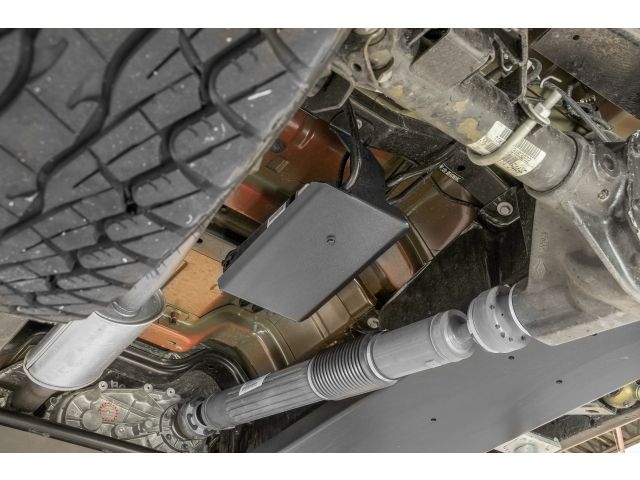
Credit: www.rockhard4x4.com
Preventive Maintenance Tips
Taking care of the 2007 Jeep Wrangler evap canister helps keep your vehicle running clean and smooth. Preventive maintenance stops small problems from becoming big and costly. A little attention goes a long way. Knowing how to check and protect this part saves time and money.
Regular Inspection Schedule
Check the evap canister every 6 months. Look for cracks, damage, or loose connections. Clean dirt and debris around it. Keep hoses tight and clear. Use a flashlight to spot hard-to-see issues. Early checks catch leaks before they cause trouble.
Avoiding Common Pitfalls
Do not ignore warning signs like fuel smell or check engine light. Avoid using poor-quality fuel that can clog the canister. Never skip scheduled tune-ups. Replace worn hoses and faulty parts quickly. Avoid DIY fixes without proper tools or knowledge. Proper care keeps your Jeep’s system working well longer.

Credit: www.youtube.com
Frequently Asked Questions
What Is The 2007 Jeep Wrangler Evap Canister?
The evap canister in a 2007 Jeep Wrangler stores fuel vapors from the gas tank. It prevents harmful emissions from escaping into the air, helping the vehicle meet environmental standards and improve fuel efficiency.
How Do I Know If The Evap Canister Is Bad?
Common signs include a strong fuel smell, check engine light, and poor fuel economy. You may also notice rough idling or difficulty starting the engine.
Can I Replace The 2007 Jeep Wrangler Evap Canister Myself?
Yes, with basic tools and mechanical knowledge, you can replace it. Ensure the vehicle is cool, disconnect the battery, and carefully remove the old canister before installing the new one.
How Much Does A 2007 Jeep Wrangler Evap Canister Cost?
The evap canister typically costs between $50 and $150. Labor charges may vary if you choose professional installation.
Conclusion
The 2007 Jeep Wrangler evap canister helps keep your vehicle clean. It stops fuel vapors from escaping into the air. A faulty canister can cause engine problems and bad smells. Checking and replacing it keeps your Jeep running well. Small fixes can prevent bigger issues later.
Keep an eye on your canister for smooth drives. Taking care of this part saves time and money. Your Jeep deserves simple care to last longer.