The story of the Jeep Cherokee is more than just a tale of an SUV—it’s a reflection of changing tastes, automotive innovation, and American car culture. If you’ve ever seen a Cherokee on the road and wondered, “When did the first Jeep Cherokee come out?”
, you’re not alone. The Cherokee’s journey began in the 1970s, but its influence is still strong today.
Let’s dive into its origins, how it evolved, and why it became one of the most recognizable vehicles in the world.
The Birth Of The Jeep Cherokee
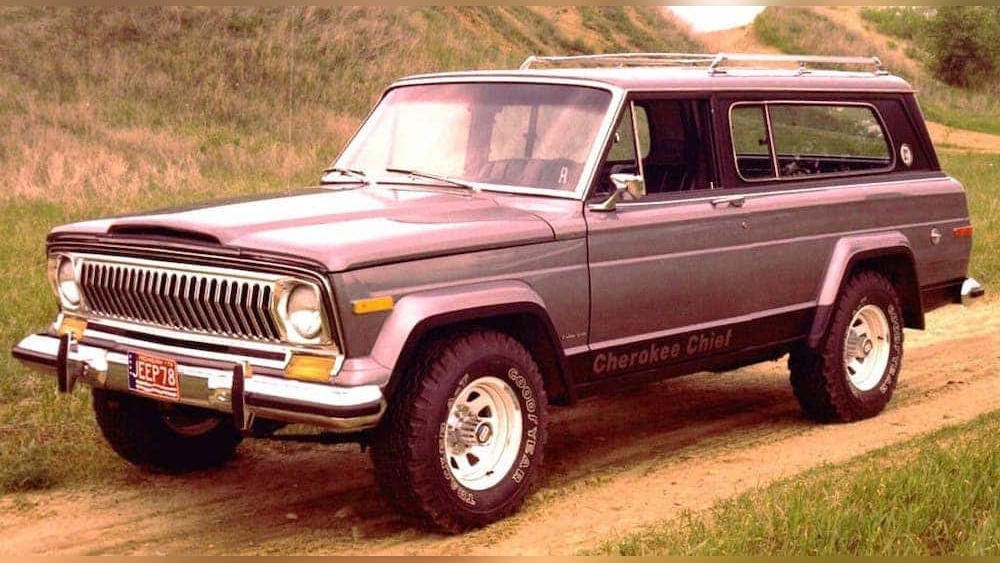
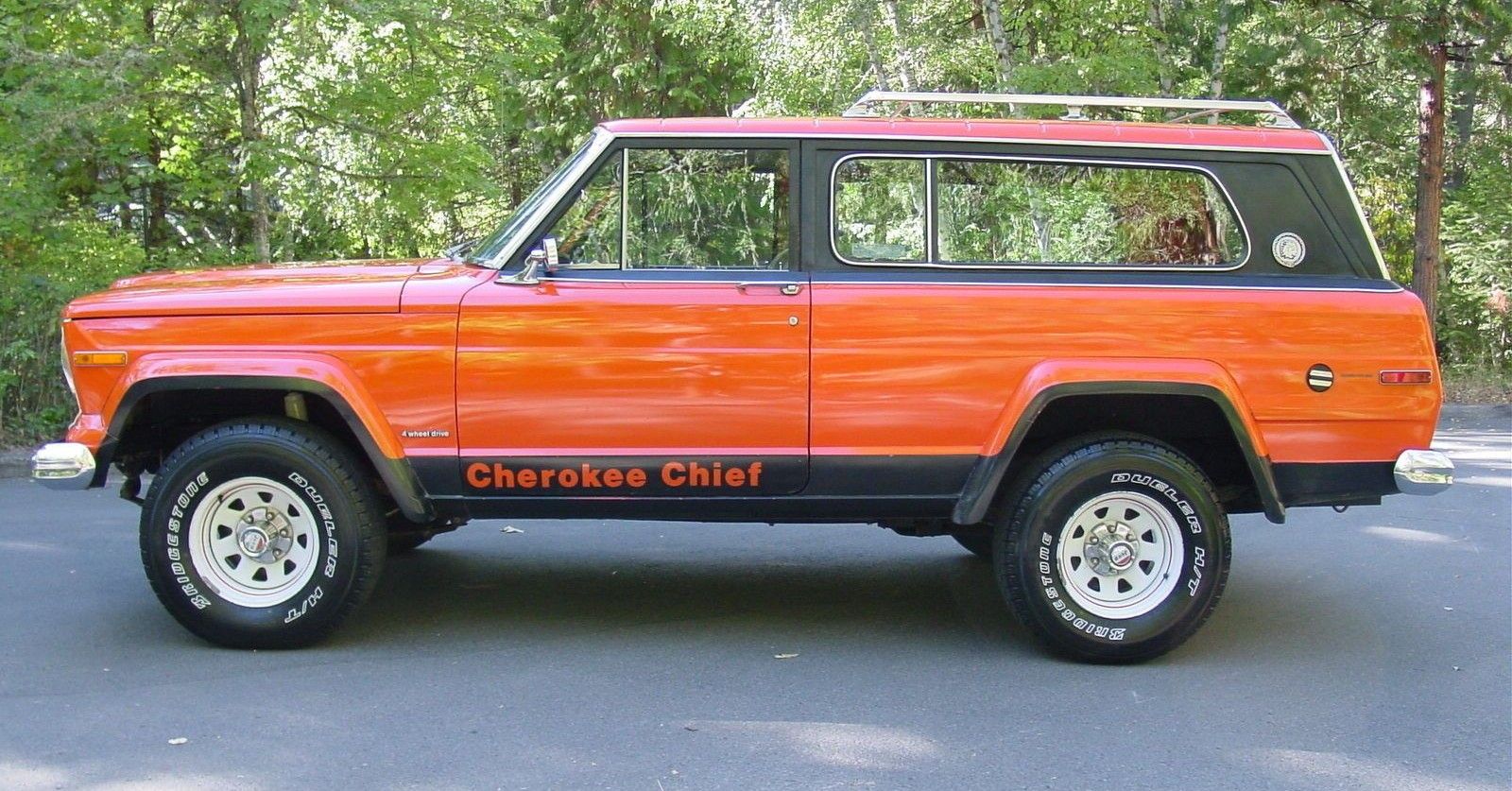
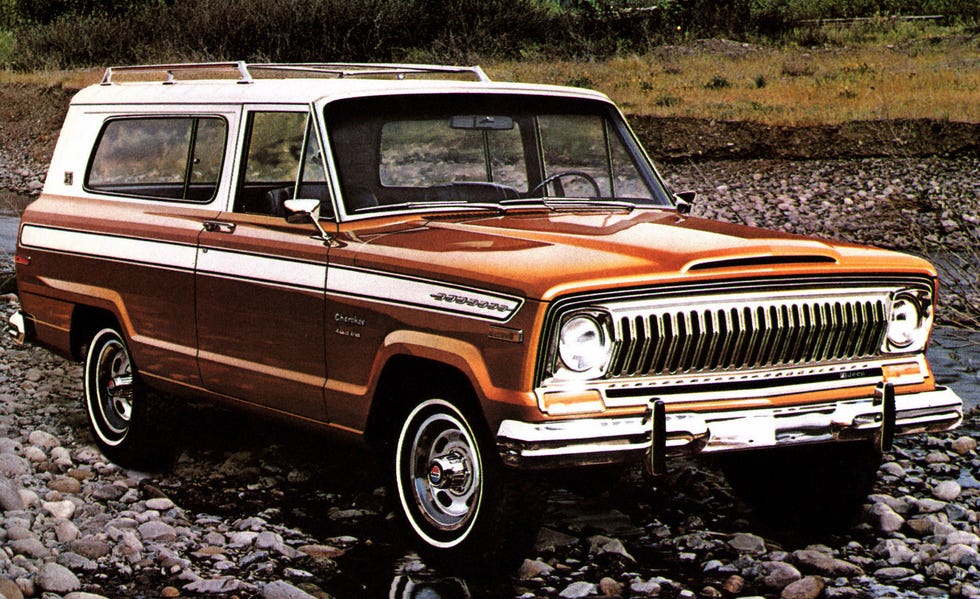
The first Jeep Cherokee made its debut in 1974. At that time, the American Motors Corporation (AMC) wanted to offer something different from the station wagons and rugged utility vehicles of the era. The result was the Jeep Cherokee SJ—a two-door version of the popular Wagoneer.
Unlike other SUVs of the time, the Cherokee was designed to appeal to younger drivers and families who wanted both off-road capability and city comfort. It was a bold step that paved the way for the modern SUV market.
Key Features Of The 1974 Cherokee
- Two-door body style for a sporty look
- V8 engine options for more power
- Four-wheel drive as standard
- Improved ride comfort compared to earlier Jeeps
The Cherokee quickly gained attention for blending the toughness of a Jeep with more everyday usability. This combination was rare in the 1970s, and it set the Cherokee apart from other vehicles.
Evolution Through The Decades
The Cherokee didn’t stay the same for long. Over the years, it went through several changes—some small, some revolutionary. Each new generation brought updates that kept the Cherokee relevant and popular.
From Sj To Xj: The Shift In 1984
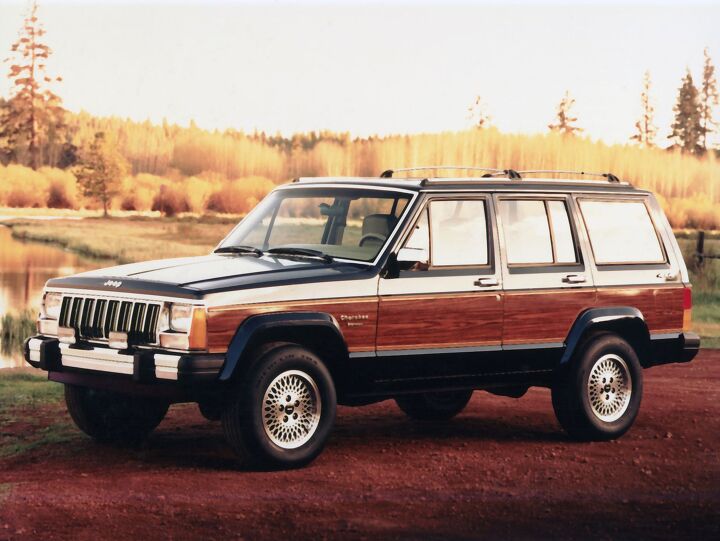
One of the most important moments in the Cherokee’s history happened in 1984. Jeep launched the XJ Cherokee, a model that changed the SUV world. This version used a unibody construction (where the frame and body are one piece) instead of the traditional body-on-frame design. This made the Cherokee lighter, more fuel-efficient, and easier to handle.
Here’s a quick look at how the Cherokee changed:
| Generation | Years Produced | Main Features |
|---|---|---|
| SJ | 1974–1983 | Body-on-frame, V8 engines, 2/4 doors |
| XJ | 1984–2001 | Unibody, inline-6 engine, 4 doors added |
| KJ | 2002–2007 | Modern styling, independent front suspension |
The XJ Cherokee was especially important. It was smaller than full-size SUVs but still tough off-road. Many consider it the first “modern” SUV because it was easy to drive in the city but strong enough for adventure.
Why The Cherokee Stood Out
Many SUVs have come and gone, but the Cherokee’s staying power comes from a few key qualities.
1. Versatility
The first Cherokee was as comfortable in the city as it was on mountain roads. This versatility made it perfect for families, outdoor lovers, and commuters alike.
2. Innovation
Switching to a unibody design in 1984 was a risk that paid off. It set a new standard for SUVs and influenced many other brands.
3. Lasting Appeal
Even decades after its debut, the Cherokee remains popular. Older models are common at off-road events, and newer versions are best-sellers at dealerships.
4. Affordable Capability
Cherokees often offered four-wheel drive and strong engines at a lower price than competitors. This made them accessible to more drivers.
Key Milestones And Production Changes
To understand the Cherokee’s journey, it helps to see some of its major milestones side by side.
| Year | Milestone | Impact |
|---|---|---|
| 1974 | First Cherokee (SJ) released | Introduced sporty SUV concept |
| 1984 | XJ Cherokee launch | Popularized unibody SUVs |
| 1997 | XJ facelift | Modernized design and interior |
| 2014 | KL Cherokee introduced | Returned to the US market after 12 years |
Common Misconceptions About The Cherokee’s Start
Many people believe the Cherokee started in the 1980s, but its roots go back to 1974. Another common mistake is confusing the Cherokee with the Grand Cherokee—a different model that came out in 1993. The original Cherokee was smaller and aimed at a wider audience.
Another detail beginners often miss: the first Cherokee was only available as a two-door model. The four-door version, which became more popular, didn’t arrive until later.
The Cherokee’s Influence On The Suv Market
The Cherokee’s introduction marked a shift in what people wanted from their vehicles. It showed that SUVs could be both practical and fun. Today, almost every major carmaker offers an SUV inspired by the Cherokee’s blend of utility and comfort.
Notable influences include:
- Pushing other brands to use unibody construction
- Leading the move from two-door to four-door SUVs
- Inspiring the crossover SUV segment
Car experts often point to the XJ Cherokee as the blueprint for modern SUVs. Its design is still admired, and used Cherokees are popular with off-road fans and collectors.
How The Cherokee Changed Over Time
The Cherokee has gone through several redesigns. Each version reflected new technology and changing driver needs. For example, later models focused more on comfort and safety, adding features like airbags and advanced suspension.
Let’s compare the first Cherokee with a modern one:
| Feature | 1974 Cherokee SJ | 2023 Cherokee KL |
|---|---|---|
| Engine Options | V8, inline-6 | 4-cylinder, V6 |
| Body Style | 2-door SUV | 4-door SUV |
| Drive Type | Four-wheel drive | Front or all-wheel drive |
| Fuel Economy (MPG) | 12–18 | 21–29 |
The Legacy Of The First Jeep Cherokee
The first Jeep Cherokee was more than just a new vehicle—it started a trend. Today’s SUVs owe much to the choices made by Jeep engineers in 1974. If you see a Cherokee on the road, remember you’re looking at a true pioneer.
For more about the Jeep Cherokee’s history, see the official Wikipedia page.
Frequently Asked Questions
When Did The First Jeep Cherokee Come Out?
The first Jeep Cherokee was released in 1974 by American Motors Corporation as a two-door SUV.
What Made The First Cherokee Unique?
It combined rugged off-road ability with a comfortable ride and introduced a sporty, family-friendly SUV to the market.
How Is The Cherokee Different From The Grand Cherokee?
The Cherokee is generally smaller and was launched in 1974. The Grand Cherokee, a larger and more luxurious model, debuted in 1993.
Why Is The 1984 Xj Cherokee Important?
The XJ introduced unibody construction, making it lighter and more efficient. This design influenced many future SUVs.
Is The Jeep Cherokee Still In Production?
Yes, the Jeep Cherokee continues to be produced, though its design, features, and technology have changed greatly since 1974.