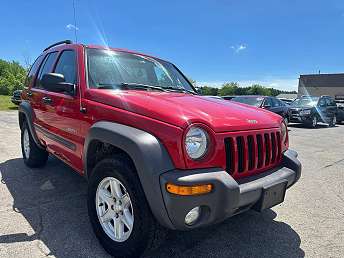
Buying or selling a 2004 Jeep Liberty can be confusing. Prices seem to vary a lot, and it’s hard to know what’s fair.
This guide gives you clear, up-to-date information about the value of a 2004 Jeep Liberty. Whether you own one, want to buy, or plan to sell, you’ll find practical advice to help you make a confident decision.
How Value Is Determined
The price of a used vehicle like the 2004 Jeep Liberty depends on several key factors. Understanding these helps you estimate the true worth.
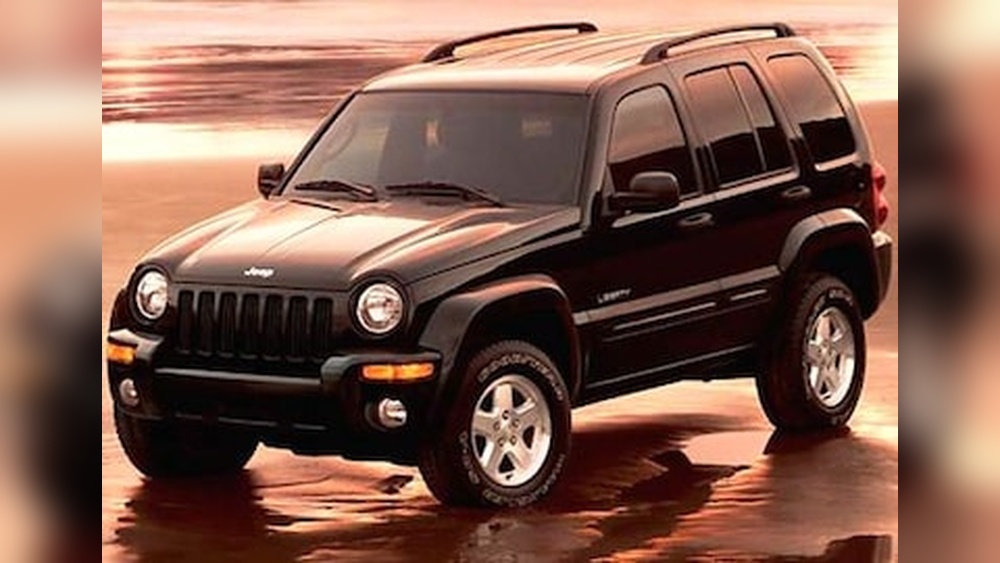
- Trim level: The 2004 Jeep Liberty came in different trims—Sport, Limited, and Renegade. Each trim offers unique features and affects value.
- Mileage: Lower mileage usually means a higher price. A Jeep Liberty with under 100,000 miles will cost more than one with 200,000 miles.
- Condition: A well-maintained Jeep with no rust or interior damage is worth more.
- Location: Prices can change based on where you live. Some regions have higher demand for SUVs.
- Optional features: Sunroof, leather seats, and 4WD systems can add value.
Non-obvious insight: Many buyers forget to check for maintenance records. A complete service history can add $300–$700 to the value.
Average Market Prices
To get a better idea of real-world prices, see the table below. It shows a range of what you might pay or receive, depending on condition and trim.
| Trim | Good Condition | Fair Condition | Poor Condition |
|---|---|---|---|
| Sport | $2,800–$3,500 | $2,000–$2,700 | $1,300–$1,900 |
| Limited | $3,300–$4,000 | $2,500–$3,000 | $1,700–$2,400 |
| Renegade | $3,000–$3,700 | $2,200–$2,900 | $1,400–$2,100 |
Non-obvious insight: Private sales usually bring higher prices than dealer trade-ins. Dealers often offer less to make a profit on resale.
Key Features Affecting Value
Engine Options
The 2004 Jeep Liberty came with:
- 3.7L V6 (most common)
- 2.4L 4-cylinder (rare, lower value)
The V6 is usually preferred for better power and towing. The 4-cylinder models can be $200–$500 less on the used market.
2wd Vs 4wd
4WD models are more valuable, especially in areas with snow or rough roads. Expect to pay $400–$800 more for a well-kept 4WD.
Common Problems
Buyers and sellers should know these frequent issues:
- Window regulators (fail often, $200 repair)
- Rust around rear wheel wells
- Suspension wear (ball joints, $300+ fix)
If these are fixed, value is higher. If not, price should be lower.
Comparing To Similar Suvs
How does the 2004 Jeep Liberty stack up against other small SUVs from that year? Here’s a quick comparison.
| Model | Average Price | Reliability | Features |
|---|---|---|---|
| Jeep Liberty | $2,500–$4,000 | Average | Good 4WD, Towing |
| Honda CR-V | $3,500–$5,500 | High | Spacious, Reliable |
| Ford Escape | $2,200–$4,200 | Average | Comfortable, Good MPG |
| Toyota RAV4 | $4,000–$6,000 | Very High | Excellent Longevity |
Tips For Buyers And Sellers
For Buyers
- Inspect carefully: Look for rust, leaks, and check all windows and electronics.
- Ask for service records: Well-documented maintenance adds value and trust.
- Test drive: Listen for noises from suspension or transmission.
For Sellers
- Clean and detail your Jeep. A clean car can sell for $200 more.
- Fix small issues like broken handles or warning lights before listing.
- Gather paperwork: Title, service records, and recent repairs.
Negotiation Advice
Start with the middle of the price range for your vehicle’s condition. Be ready to explain why your car is worth your asking price.
How To Check Current Value
Online pricing tools give quick estimates. Use sites like Kelley Blue Book or Edmunds. Enter your Jeep’s details for a custom price. These tools are updated often and reflect current market trends.
It’s smart to check local listings on platforms like Craigslist or Facebook Marketplace. Local demand can raise or lower prices compared to national averages.
Sample Price Scenarios
Here are examples of what people paid for their 2004 Jeep Liberty in recent months:
- California, Limited, 4WD, 110,000 miles, good shape: Sold for $3,700
- Texas, Sport, 2WD, 165,000 miles, fair shape: Sold for $2,250
- Ohio, Renegade, 4WD, 200,000 miles, poor shape: Sold for $1,600
These examples show how location, mileage, and condition all matter.
Cost Of Ownership
Owning a 2004 Jeep Liberty means you should budget for regular maintenance. Common yearly costs include:
- Oil changes: $80–$120
- Brake pads: $150–$250
- Tires: $400–$600 (every 3–4 years)
- Unexpected repairs: $400–$1,000 (varies)
Insurance costs are usually moderate, about $800–$1,100 per year, but this depends on your driving history and location.
Is The 2004 Jeep Liberty A Good Buy?
If you want a small SUV with true 4WD and don’t mind average gas mileage (15–20 MPG), the Liberty is a solid choice for the price. It offers good towing for its size and is easy to repair. However, it’s not as reliable long-term as a Honda CR-V or Toyota RAV4.
Pro tip: If you plan to keep it for several years, look for one with lower mileage and full service records. This will save you money in the long run.
If you want more details and historical specs, check the official Jeep Liberty page.
Frequently Asked Questions
How Many Miles Is Too Many For A 2004 Jeep Liberty?
Over 180,000 miles is considered high. With good care, some last past 220,000 miles, but repairs become more frequent and expensive.
Is The 2004 Jeep Liberty Expensive To Maintain?
Maintenance is average for SUVs this size. Some parts, like window regulators and suspension, wear out faster than on other models.
Does The 2004 Jeep Liberty Hold Its Value?
It loses value faster than some competitors, but prices are steady now due to SUV demand. Well-kept, low-mileage models retain value better.
What Is The Main Problem With The 2004 Jeep Liberty?
The biggest issues are window regulator failures and rust. Suspension parts also wear quickly, so check these before buying.
Should I Buy A 2004 Jeep Liberty Or A Honda Cr-v?
The Honda CR-V is more reliable and gets better fuel economy. The Jeep Liberty offers better towing and true 4WD. Choose based on your needs.
The 2004 Jeep Liberty can still be a good value if you know what to look for and check the facts before making your decision.