When people hear the word “Jeep,” they often picture a rugged vehicle bouncing down a dirt road or climbing over rocky hills. But have you ever wondered what body style a Jeep really is? The answer is not as simple as you might think.
Jeep, as a brand, makes several vehicles, each with its own body style. Over the years, these styles have changed and expanded, and understanding them can help you choose the right Jeep for your needs.
Let’s take a closer look at the different body styles of Jeep vehicles, what makes them special, and how to tell them apart.

The Most Popular Jeep Body Styles
Jeep’s history is filled with a variety of body styles. Today, some of the most recognized are the SUV, crossover, and pickup truck. Each style offers different strengths for drivers.
Sport Utility Vehicle (suv)
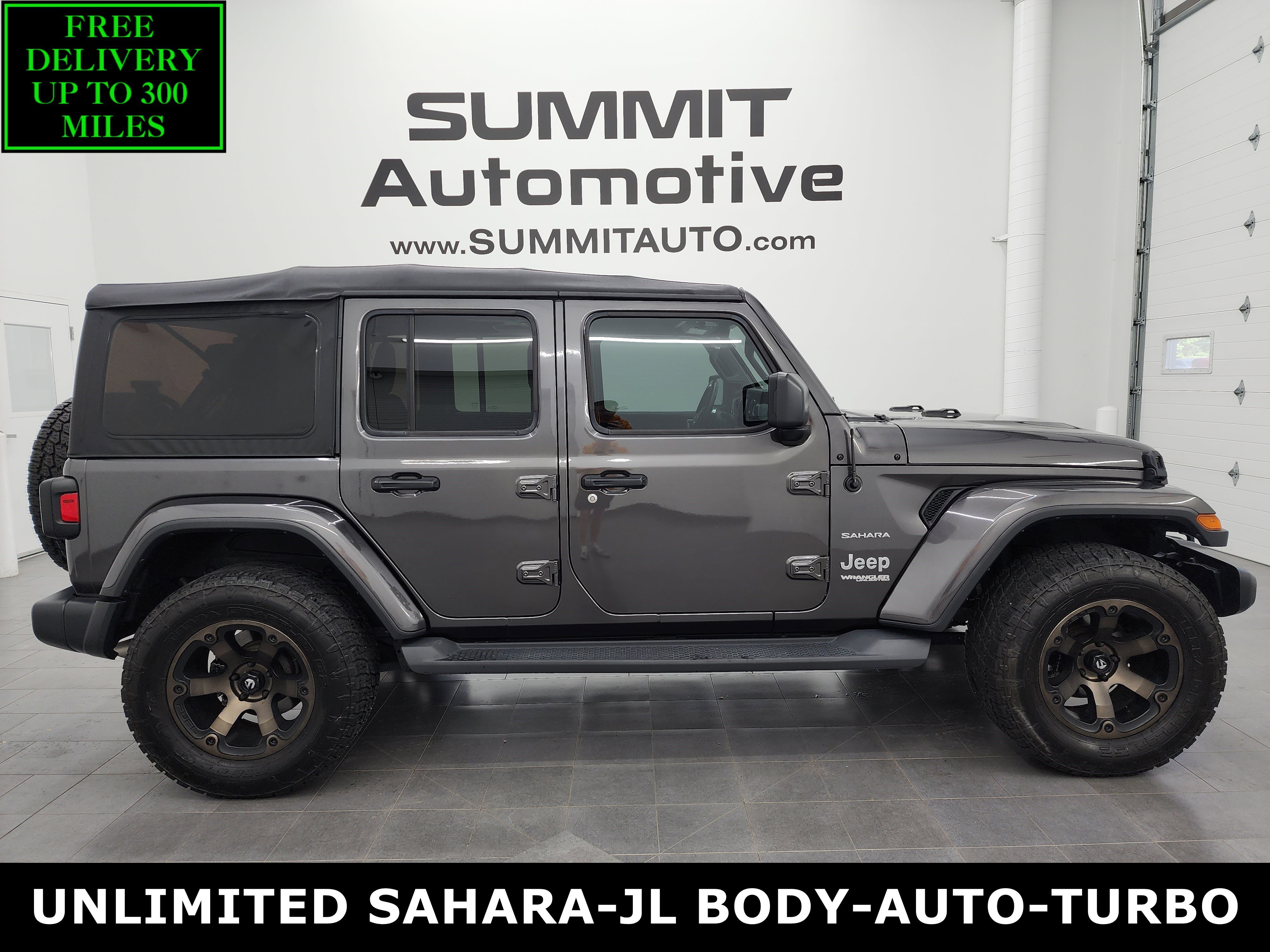
The classic Jeep Wrangler is a perfect example of an SUV body style. It is built for off-road adventures, with a high ground clearance and strong frame. The SUV style provides plenty of cargo space and a tall, boxy shape for better visibility.
Key features of Jeep SUVs:
- Two or four doors
- Large, removable wheels
- Roof often removable or convertible
- Spare tire mounted on the back
Crossover
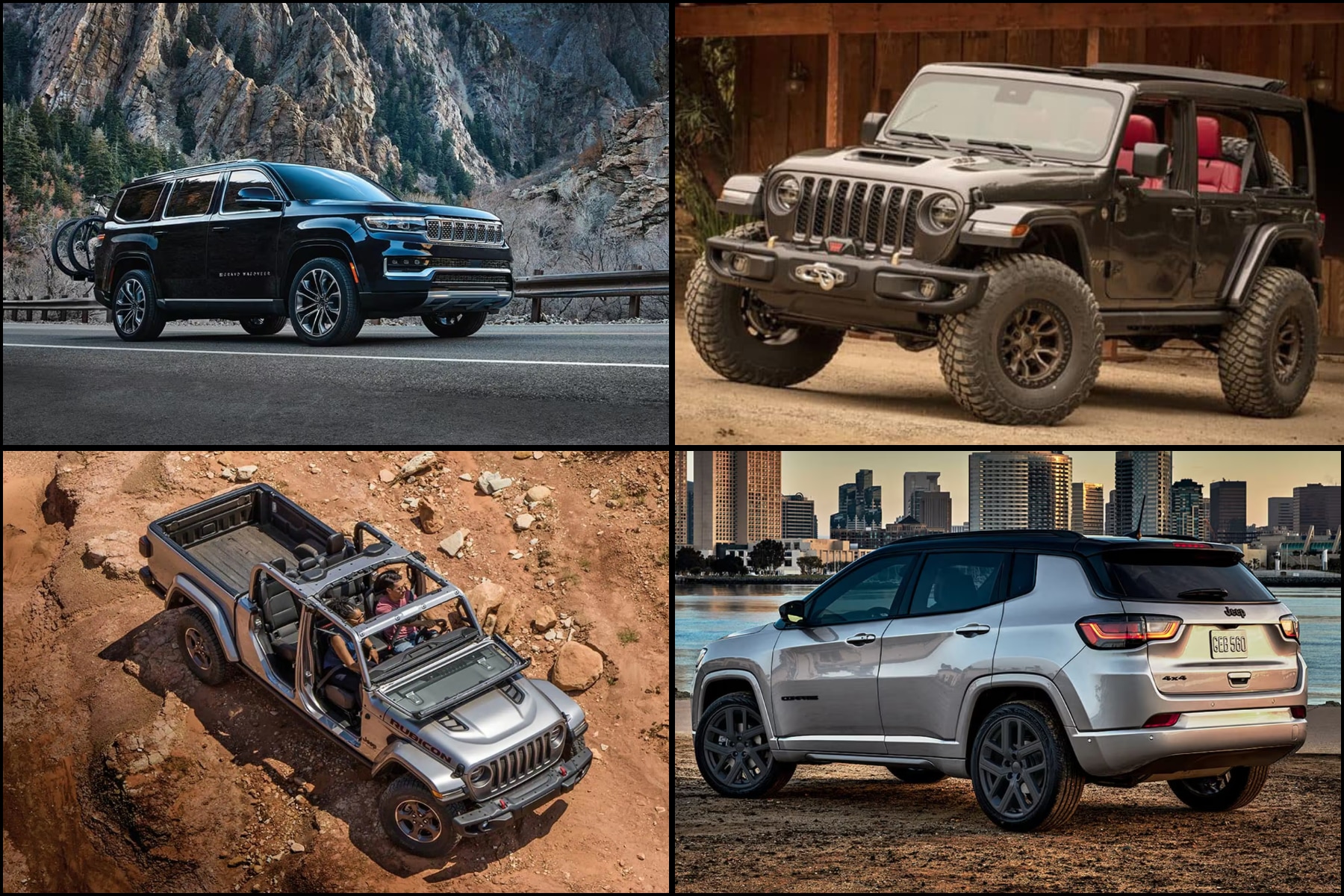
Jeep also makes crossovers, like the Jeep Compass and Jeep Renegade. Crossovers blend the look of an SUV with the comfort of a car. They are usually built on a car platform, making them lighter and more fuel-efficient.
Main crossover traits:
- Lower ground clearance than SUVs
- Smoother ride on city roads
- Smaller, compact body
Pickup Truck
The Jeep Gladiator stands out as a pickup truck. It combines Jeep’s famous off-road ability with a truck’s practical cargo bed. Pickup trucks are great for carrying heavy loads or towing.
Pickup truck benefits:
- Open cargo bed
- Four-door cab (crew cab)
- Increased towing power
Comparing Jeep Body Styles
To better understand these differences, see how three main Jeep body styles stack up:
| Body Style | Example Model | Main Use | Passenger Capacity |
|---|---|---|---|
| SUV | Wrangler | Off-road/adventure | 4-5 |
| Crossover | Compass | City driving | 5 |
| Pickup Truck | Gladiator | Towing/cargo | 5 |

Evolution Of Jeep Body Styles
Jeep started as a military vehicle in the 1940s. The original Willys MB was a two-door, open-top vehicle built for the US Army. Over time, Jeep expanded to family-friendly SUVs and modern crossovers.
Timeline Of Key Jeep Body Styles
| Decade | Popular Jeep Body Style | Notable Model |
|---|---|---|
| 1940s | Open-top 4×4 | Willys MB |
| 1980s | SUV | Cherokee XJ |
| 2000s | Crossover | Jeep Liberty |
| 2020s | Pickup Truck | Gladiator |
This evolution shows how Jeep has adapted to different needs. Today, Jeep offers everything from small urban-friendly crossovers to heavy-duty trucks.
Why Body Style Matters
Choosing the right body style affects your driving experience. For example, an SUV like the Wrangler is ideal for rough terrain, while a crossover is easier to drive in the city. A pickup truck is best if you often carry large items.
Factors to consider:
- Space: SUVs and trucks offer more cargo room.
- Handling: Crossovers are smoother on paved roads.
- Performance: SUVs and trucks have more off-road capability.
- Fuel efficiency: Crossovers usually use less fuel.
Surprisingly, many beginners believe all Jeeps are made for heavy off-roading. However, some models, like the Compass, are designed mainly for comfort and daily use.
Unique Jeep Features By Body Style
Different Jeep body styles come with unique features. Here’s a quick look:
| Feature | SUV | Crossover | Pickup Truck |
|---|---|---|---|
| 4×4 capability | Standard | Optional | Standard |
| Removable roof/doors | Yes | No | Yes (Gladiator) |
| Towing capacity | Moderate | Low | High |
Many buyers miss the fact that removable roofs and doors are not available on all Jeep models—mainly just the Wrangler and Gladiator. Knowing this can help you avoid disappointment.
Another insight: 4×4 systems are standard on most Jeep SUVs and trucks, but many crossovers only offer it as an upgrade. Always check before buying if off-road ability is important to you.
How To Identify A Jeep Body Style
Recognizing a Jeep’s body style is easy if you know what to look for:
- SUVs have a boxy shape, higher ground clearance, and often have a spare tire on the back.
- Crossovers look more like a tall car, with smoother lines and no rear spare tire.
- Pickup trucks have an open cargo bed and a longer body.
When shopping for a Jeep, look at the doors, roof, and rear cargo area. The design tells you a lot about its body style and purpose.