Many Jeep owners love customizing their vehicles. Swapping parts between generations is common, especially hardtops.
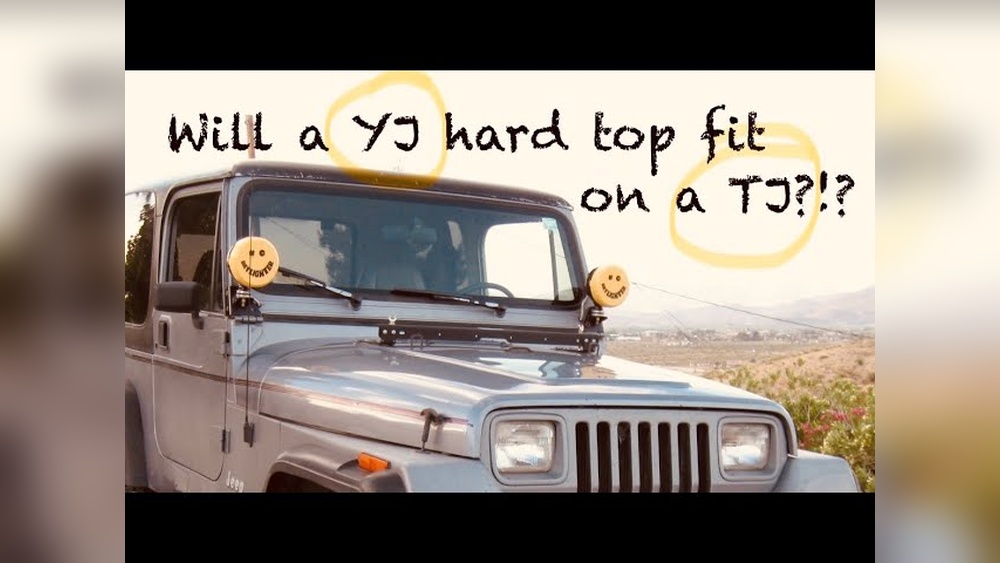
If you own a Jeep YJ (1987–1995) or a Jeep TJ (1997–2006), you might wonder: *Will a Jeep YJ hardtop fit a TJ? * This question matters for those who want to upgrade, replace, or find a used hardtop.
The answer is not simple. Let’s break down the details, compare measurements, and help you avoid costly mistakes.
Understanding Yj And Tj Differences
The Jeep YJ and Jeep TJ look similar at a glance, but their bodies are different. The YJ has square headlights and a more angular shape. The TJ brought round headlights and smoother curves. These design changes affect how parts fit.
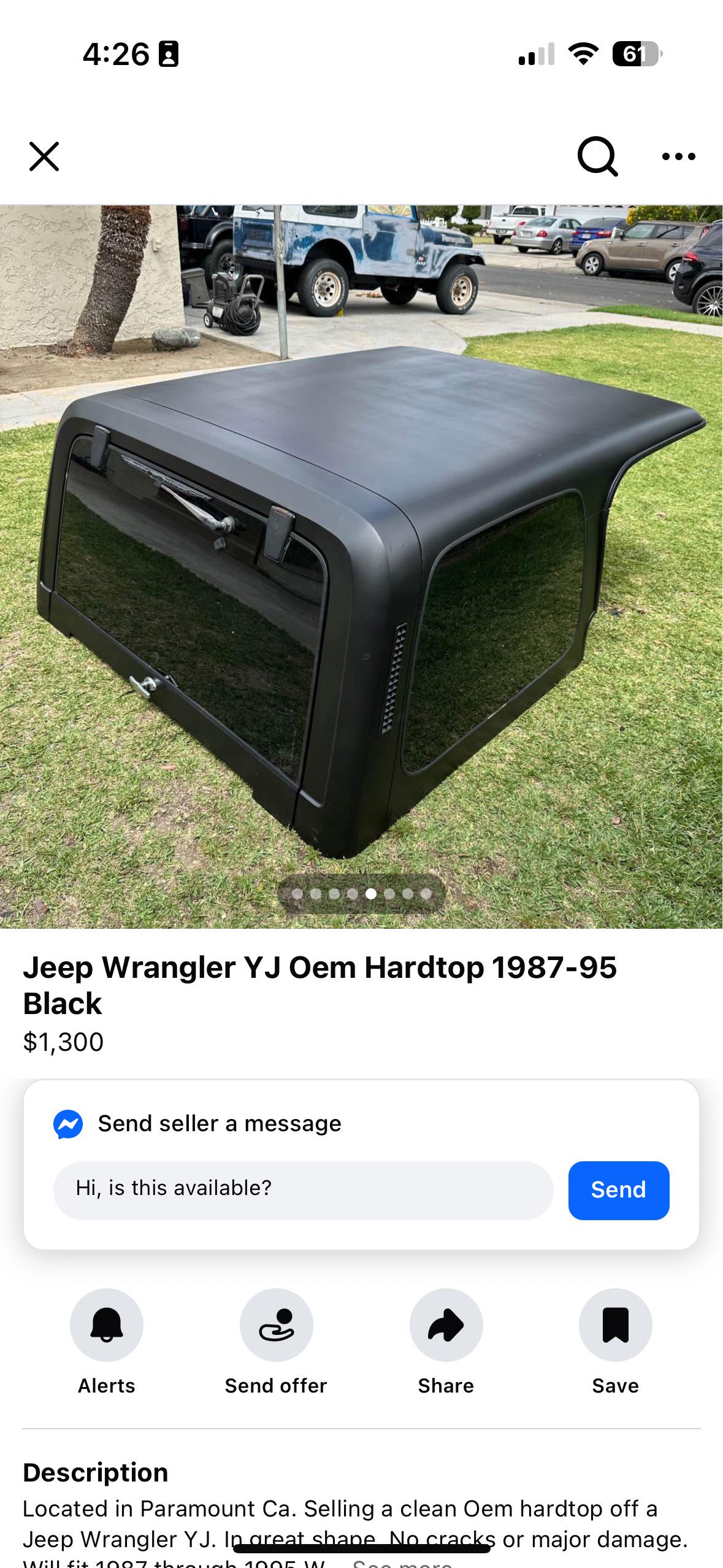
Hardtops are large, rigid roof pieces made of fiberglass or plastic. They provide weather protection and security. But their attachment points, window shapes, and rear hatch designs vary.
Key Body Changes
- Windshield Angle: The TJ has a steeper windshield than the YJ. This changes the roof’s front edge.
- Rear Body Shape: The TJ’s rear corners are more rounded. YJ corners are boxier.
- Door Frame: TJ doors are curved, YJ doors are flat. Hardtops must match these contours.
Hardtop Fitment: Yj Vs Tj
Let’s compare the specifications and see if a swap is possible.
| Feature | Jeep YJ | Jeep TJ |
|---|---|---|
| Windshield Angle | Less steep | More steep |
| Door Frame | Flat | Curved |
| Rear Hatch | Square | Rounded |
| Mounting Points | Different | Different |
Result: The YJ hardtop does not fit a TJ directly. The mounting holes, contours, and rear hatch alignment are off. You may face gaps, leaks, and even safety issues.
Why Do People Try To Swap Hardtops?
Used Jeep hardtops are expensive. A new TJ hardtop can cost over $2,000, while used YJ tops might be cheaper and more available. Some buyers hope to save money by swapping. Others want to keep their old top after upgrading to a TJ.
But trying to swap can cause problems. The fit is not secure, and weather protection is reduced. Some owners attempt modifications, but these often require cutting, fiberglass work, or new seals.
Real-world Examples
Several Jeep forums show people attempting the swap. One owner reported:
- A 1-inch gap at the windshield.
- Misaligned rear hatch, making it hard to close.
- Water leaks in heavy rain.
Another tried custom brackets, but the hardtop still rattled on rough roads. These stories show that the differences are more than just minor adjustments.
Comparing Hardtop Measurements
Here’s a quick measurement comparison:
| Measurement | YJ Hardtop | TJ Hardtop |
|---|---|---|
| Length | ~60 inches | ~60 inches |
| Width (rear) | ~55 inches | ~54.5 inches |
| Front Edge Shape | Flat | Curved |
| Rear Corner Shape | Square | Rounded |
The numbers look close, but the shapes are not. A hardtop is not just about length and width; curves and angles matter most.
Can You Make It Fit?
Some experienced owners try custom modifications. Here’s what they usually need:
- Cutting and reshaping fiberglass
- Adding new seals
- Drilling new mounting holes
- Adjusting rear hatch alignment
But these changes can cost hundreds of dollars, and the result is often imperfect. The hardtop may not be as strong or safe as factory-fit. Insurance may not cover these custom jobs if there’s an accident or water damage.
Better Solutions For Tj Owners
If you own a TJ and need a hardtop, consider:
- Buying a TJ hardtop: It’s the safest and easiest option.
- Aftermarket hardtops: Some companies make new tops for TJs, sometimes cheaper than Jeep originals.
- Soft tops: If you need a temporary solution, a soft top is flexible and affordable.
You can find TJ hardtops at salvage yards, Jeep groups, or online. Make sure to check for cracks, leaks, and proper mounting hardware.
Common Mistakes To Avoid
Many beginners overlook these points:
- Assuming all Jeep tops are interchangeable
- Ignoring body shape differences
- Trying to force-fit a hardtop
- Skipping weatherproofing checks
- Not considering safety risks
Even a small misfit can lead to leaks, rattles, or poor security. Always measure and compare before buying.
Data On Hardtop Swapping
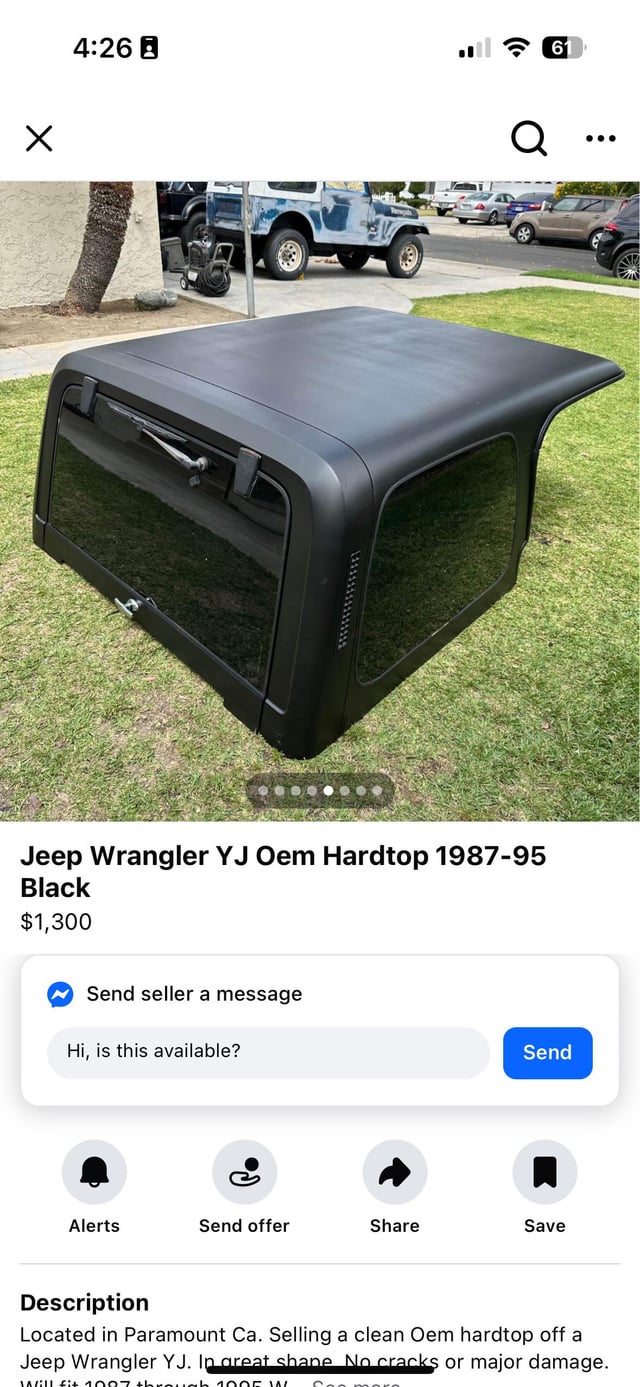
According to a survey on Jeep forums, about 80% of owners who tried a YJ-to-TJ swap reported problems. Only 10% got a usable fit after major modifications. Most ended up buying the correct TJ hardtop later.
Expert Advice
The safest choice is to use the correct hardtop for your Jeep model. If you absolutely want to use a YJ top on a TJ, be ready for extensive modifications and costs. Insurance and resale value may suffer. For more technical details, visit the Jeep Official Site.
Frequently Asked Questions
Will A Yj Hardtop Fit A Tj With Minor Adjustments?
No, even minor adjustments won’t solve the main fitment issues. The body shapes are too different. You would need major custom work.
Can I Use A Soft Top From A Yj On A Tj?
Soft tops are more flexible, but their frames and mounting points still differ. A TJ-specific soft top is recommended.
How Much Does A Used Tj Hardtop Cost?
Prices range from $800 to $2,000 depending on condition, color, and location. Always inspect for cracks and mounting hardware.
Are There Adapters To Fit A Yj Hardtop To A Tj?
No official adapters exist. Some owners try DIY brackets, but results are usually poor and unsafe.
Will Fitting The Wrong Hardtop Affect Resale Value?
Yes. A poorly fitted hardtop can reduce resale value and make your Jeep harder to sell.
Swapping Jeep hardtops between YJ and TJ models is tempting but rarely worth the trouble. Body shape and mounting differences are too big. Save time and money by choosing the correct hardtop for your model. If you need help, check local Jeep groups or visit official sources for guidance.