The Jeep Wagoneer is an American icon, standing out in the SUV world for decades. Many car fans and families have memories connected to this vehicle. But when was the Jeep Wagoneer made, and how has it changed over time?
Let’s explore the history and key moments that shaped the Wagoneer.
The Birth Of The Jeep Wagoneer
The story of the Jeep Wagoneer starts in the early 1960s. Back then, American roads were filled with cars and trucks, but there was little in between. People wanted a vehicle that could handle rough terrain but still feel comfortable on highways.
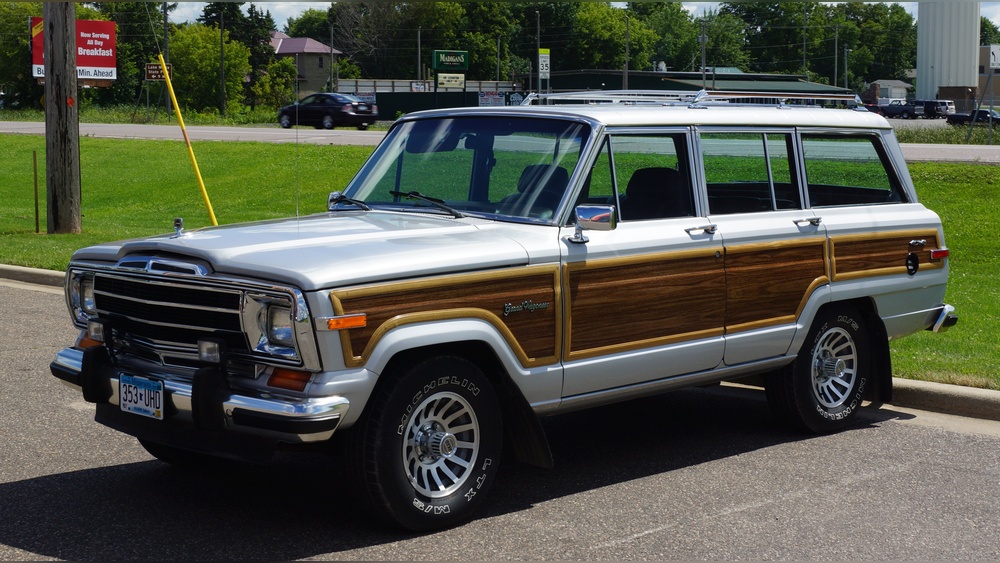
In 1962, the Wagoneer was first introduced for the 1963 model year by Kaiser Jeep. This was a big leap—no other vehicle mixed off-road skills with family comfort so well. The Wagoneer quickly became popular with people who needed both workhorse power and a smooth ride.
Key Generations And Model Years
The Wagoneer’s life story is long and full of changes. Let’s look at the main generations and what made each one unique.
1963–1991: The Classic Sj Series
The first Wagoneer, known as the SJ series, was produced from 1963 to 1991. This was a long run for any vehicle. It kept its classic boxy shape, strong frame, and luxury features.
| Year Introduced | Generation Name | Main Features |
|---|---|---|
| 1963 | SJ Series | 4WD, comfort, luxury interiors |
| 1984 | Grand Wagoneer | Woodgrain panels, V8 engine, plush seating |
What set the SJ apart was its mix of comfort and ruggedness. It was one of the first to offer automatic transmission and air conditioning in an off-road vehicle. In 1984, the Grand Wagoneer version appeared, adding even more luxury.
Ownership Changes And End Of Production
Ownership of Jeep shifted over the years. After Kaiser Jeep, American Motors Corporation (AMC) took over in 1970, and then Chrysler in 1987. The classic Wagoneer ended production in 1991, making it one of the longest-lasting SUV designs.
1993: The Brief Return
In 1993, Jeep briefly revived the Wagoneer name for a special version of the Jeep Grand Cherokee. It had leather seats and wood trim, but it was offered for just one year.
2022: The Modern Comeback
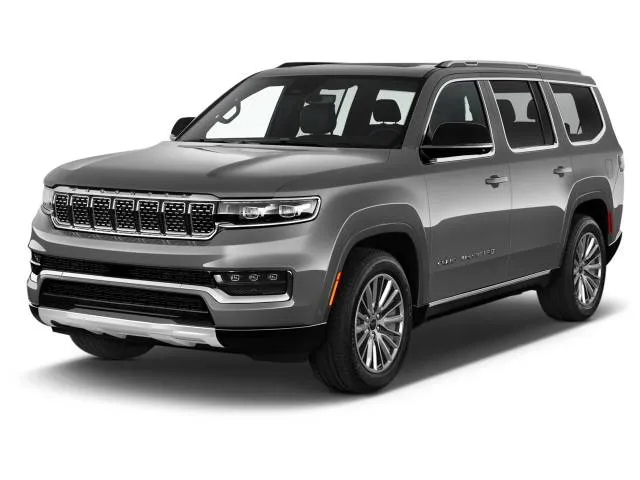
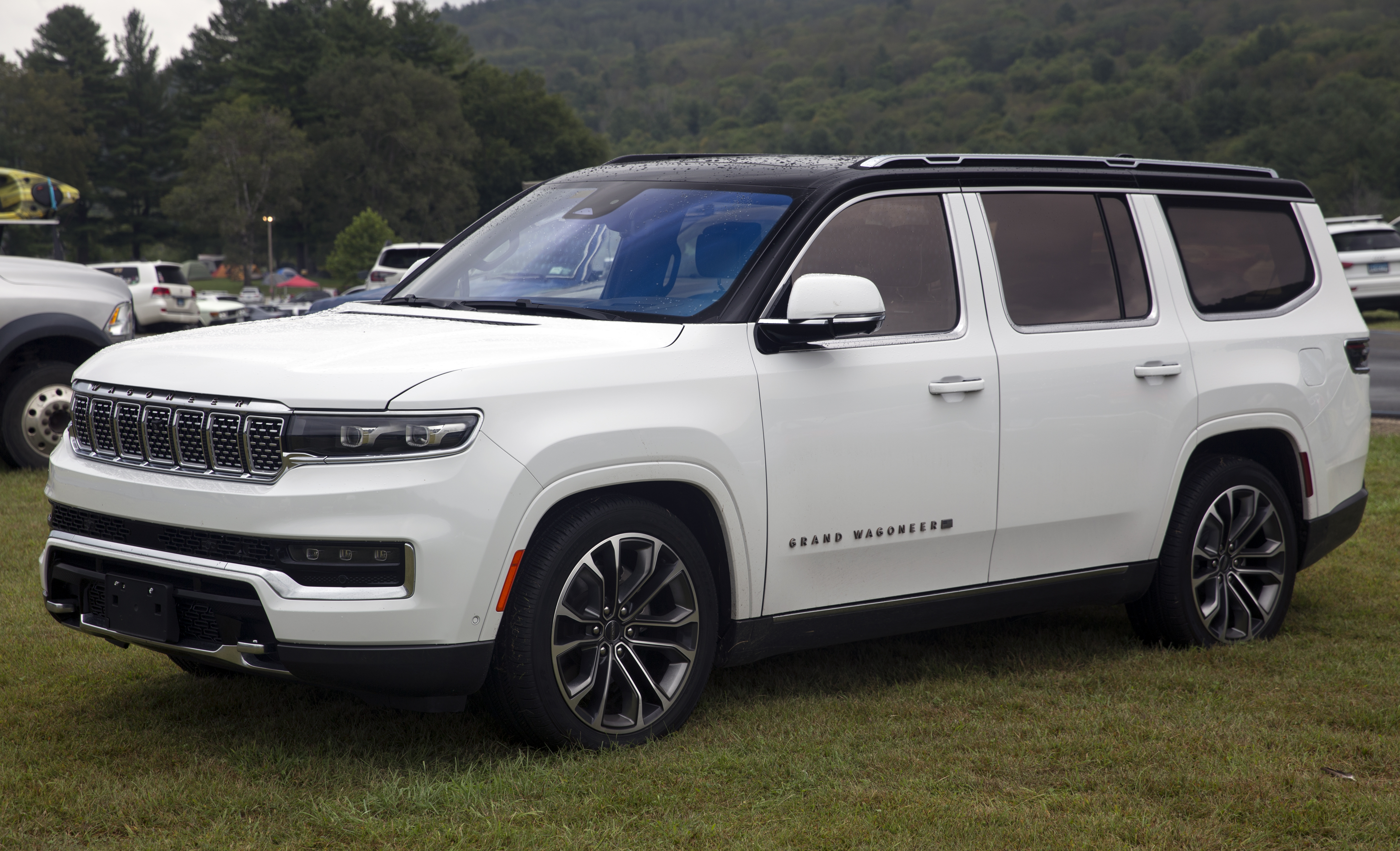
After years of rumors, the Wagoneer returned as a full-size luxury SUV in 2021 for the 2022 model year. Now, it competes with top brands like Cadillac and Lincoln.
| Model Year | Key Features | Competitors |
|---|---|---|
| 2022–present | Advanced tech, V8 & turbo engines, large size | Cadillac Escalade, Lincoln Navigator |
Why The Wagoneer Mattered
When the Wagoneer first appeared, it was a new idea: a four-wheel drive that felt like a luxury car. Some reasons why it mattered:
- First luxury SUV in the US
- Pioneered family-friendly features in a rugged vehicle
- Inspired many future SUVs
Most people don’t realize that the Wagoneer’s comfort-focused design made it possible for SUVs to become family cars, not just work trucks.
Differences Between Generations
You might wonder how the first Wagoneer compares to the newest one. Here’s a quick look:
| Feature | 1963 Wagoneer | 2022 Wagoneer |
|---|---|---|
| Engine Options | 6-cylinder, V8 | V8, turbocharged inline-6 |
| Safety Features | Basic seat belts | Advanced driver aids, airbags |
| Interior Tech | AM radio | Touchscreens, Wi-Fi, premium audio |
| Drive Comfort | Basic suspension | Air suspension, adaptive cruise |
The new Wagoneer is packed with technology, but it keeps the spirit of the original: strength and comfort together.
Fun Facts And Insights
- The Wagoneer was one of the first 4x4s with independent front suspension—rare at the time.
- Early models had real wood trim inside, which collectors love today.
- The Grand Wagoneer’s wood panel look was a vinyl sticker, not real wood.
- Some 1980s Wagoneers had “Final Edition” badges, but the model kept going for years after.
- The new Wagoneer’s price can easily pass $70,000, showing just how far luxury SUVs have come.
Many people miss that the Wagoneer didn’t just follow trends it set them. For example, its push for comfort in rugged vehicles led other automakers to copy the formula.
The Wagoneer’s Lasting Impact
The Jeep Wagoneer changed what people expected from SUVs. It proved a 4×4 could be both tough and comfortable. Today, SUVs are everywhere, but the Wagoneer helped start that wave. Even after decades, its boxy shape and wood trim are easy to recognize.
If you want to explore more about the Wagoneer’s full history, the Wikipedia page has detailed information and more photos.
Frequently Asked Questions
When Was The Original Jeep Wagoneer Made?
The first Jeep Wagoneer was made in 1962 for the 1963 model year by Kaiser Jeep. It stayed in production, with updates, until 1991.
How Long Was The Wagoneer Produced?
The classic SJ Wagoneer was produced from 1963 to 1991. That’s almost 30 years—much longer than most vehicles.
Did Jeep Stop Making The Wagoneer?
Yes, production stopped in 1991. There was a one-year return in 1993, and then the Wagoneer came back as a new model in 2022.
What Made The Wagoneer Special?
The Wagoneer was one of the first vehicles to offer luxury and off-road ability together. It set the stage for the modern SUV.
The new Wagoneer shares the name and spirit but uses modern technology and design. It honors the original but is built for today’s needs.
The Jeep Wagoneer’s story is one of innovation, endurance, and style. Whether you love classic cars or high-tech SUVs, the Wagoneer’s place in automotive history is secure.