If you drive a Jeep, you might have noticed there’s often a small metal or plastic platform next to the clutch or brake pedal, but not everyone knows what it’s for.
This is the Jeep dead pedal—a simple part that can make a big difference in how you drive and how comfortable you feel on and off the road. Whether you’re new to Jeeps or just curious, understanding the dead pedal can help you get the most from your vehicle.
What Is A Jeep Dead Pedal?
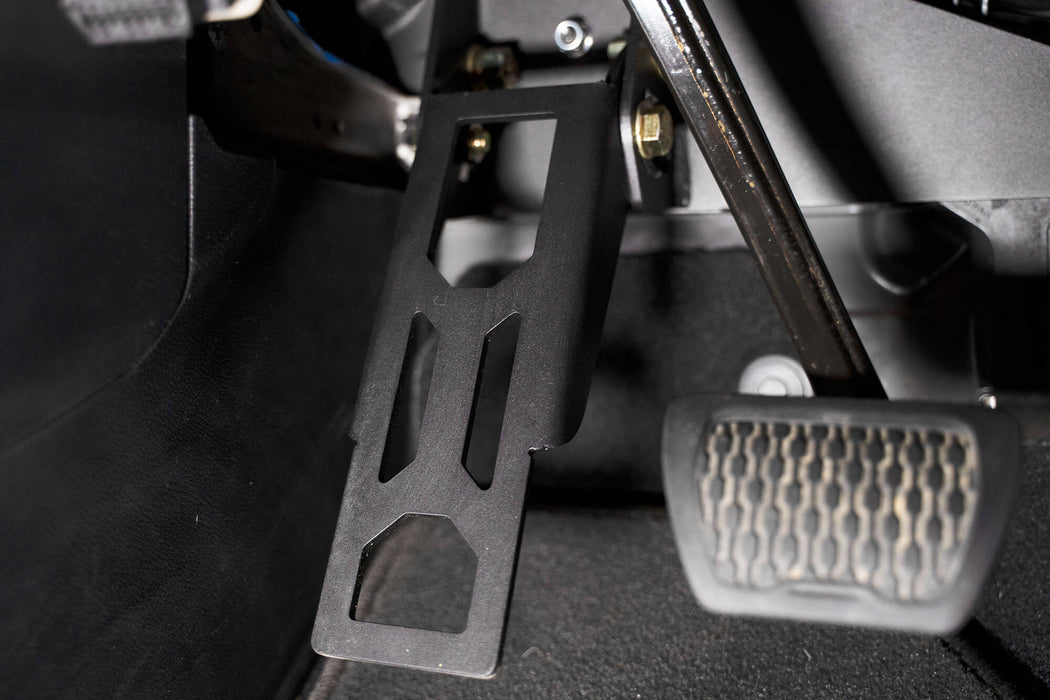
A dead pedal is a fixed footrest located to the left of the clutch (in manual transmission Jeeps) or brake pedal (in automatics). Unlike the gas, brake, or clutch, it doesn’t control anything. Instead, it offers a place to rest your left foot when you’re not using it to operate the pedals.
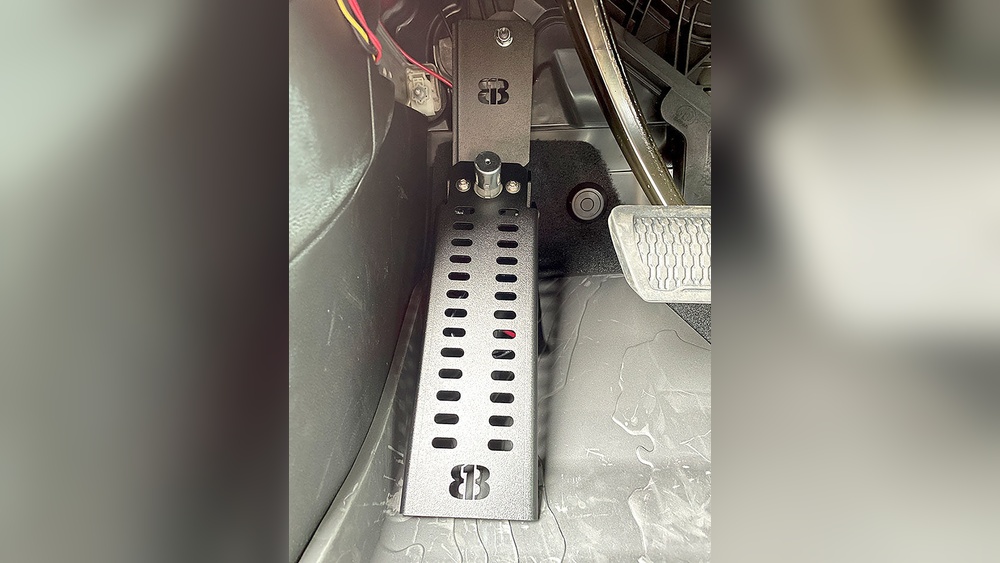
While some cars have dead pedals built in, many Jeep models especially Wranglers come without one from the factory. However, many Jeep owners install aftermarket dead pedals for added comfort and control.
Why The Dead Pedal Matters
You might wonder why a simple footrest is important. The dead pedal does more than just give your foot a break:
- Driver Comfort: Long drives, especially on highways, can lead to foot fatigue. The dead pedal helps support your leg, reducing tiredness and cramps.
- Better Control: When you’re off-roading, rough terrain can toss your body around. Pressing your foot against the dead pedal helps you stay anchored and stable in your seat.
- Improved Posture: It encourages a natural sitting position, which can prevent back pain and improve alertness during long trips.
- Safety: If you need to quickly move your foot to the brake, having a set spot for your left foot means you’re less likely to fumble or misstep.
Here’s a quick comparison of driving with and without a dead pedal:
| With Dead Pedal | Without Dead Pedal |
|---|---|
| Reduces leg fatigue | Leg may tire quickly |
| Better stability | Less support on rough roads |
| Improved posture | Slouching more likely |
| Faster foot movement to pedals | Slower response time |
How The Jeep Dead Pedal Works
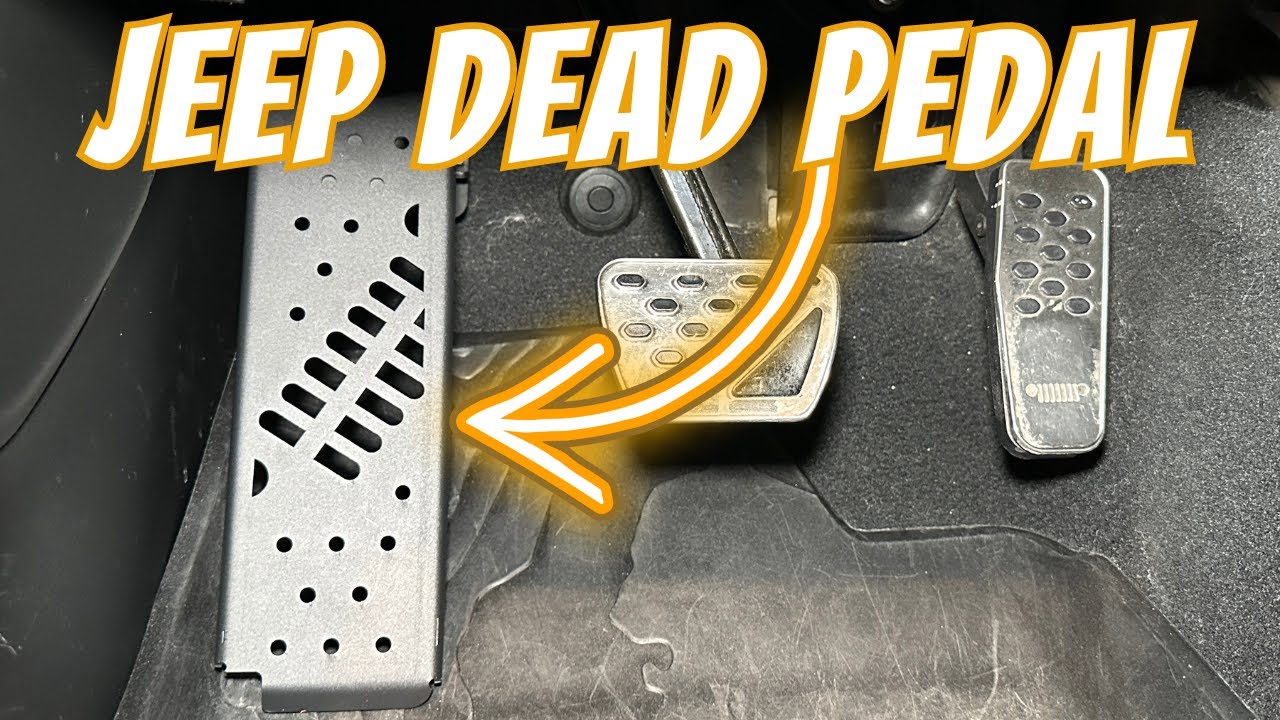
The Jeep dead pedal is usually installed on the floor or sidewall to the left of the other pedals. It stays fixed in place and doesn’t move.
For drivers with manual transmissions, the dead pedal sits next to the clutch. For automatics, it’s beside the brake. It’s wide enough to fit your foot and strong enough to handle pressure, especially on bumpy trails.
Most dead pedals are made of steel or aluminum for strength, while some use heavy-duty plastic. They often have a textured or rubber surface to prevent your foot from slipping.
Here’s a look at typical dead pedal materials and their benefits:
| Material | Advantages | Common Use |
|---|---|---|
| Steel | Very strong, durable | Aftermarket upgrades |
| Aluminum | Lightweight, rust-resistant | Custom and factory options |
| Plastic | Low cost, lighter | Standard in some cars |
Benefits For Off-roading
Jeep owners often take their vehicles off the pavement and onto rocky or uneven trails. This is where the dead pedal shines.
- Bracing Yourself: Off-road, your Jeep can bounce and tilt. Pushing against the dead pedal helps you stay secure, so you don’t slide in your seat.
- Quick Pedal Access: When a sudden obstacle appears, you need to move your foot to the brake or clutch fast. The dead pedal keeps your foot close and ready.
- Reduces Fatigue: Off-roading takes more energy than highway driving. The dead pedal helps reduce the effort needed to keep your position.
How To Choose And Install A Dead Pedal
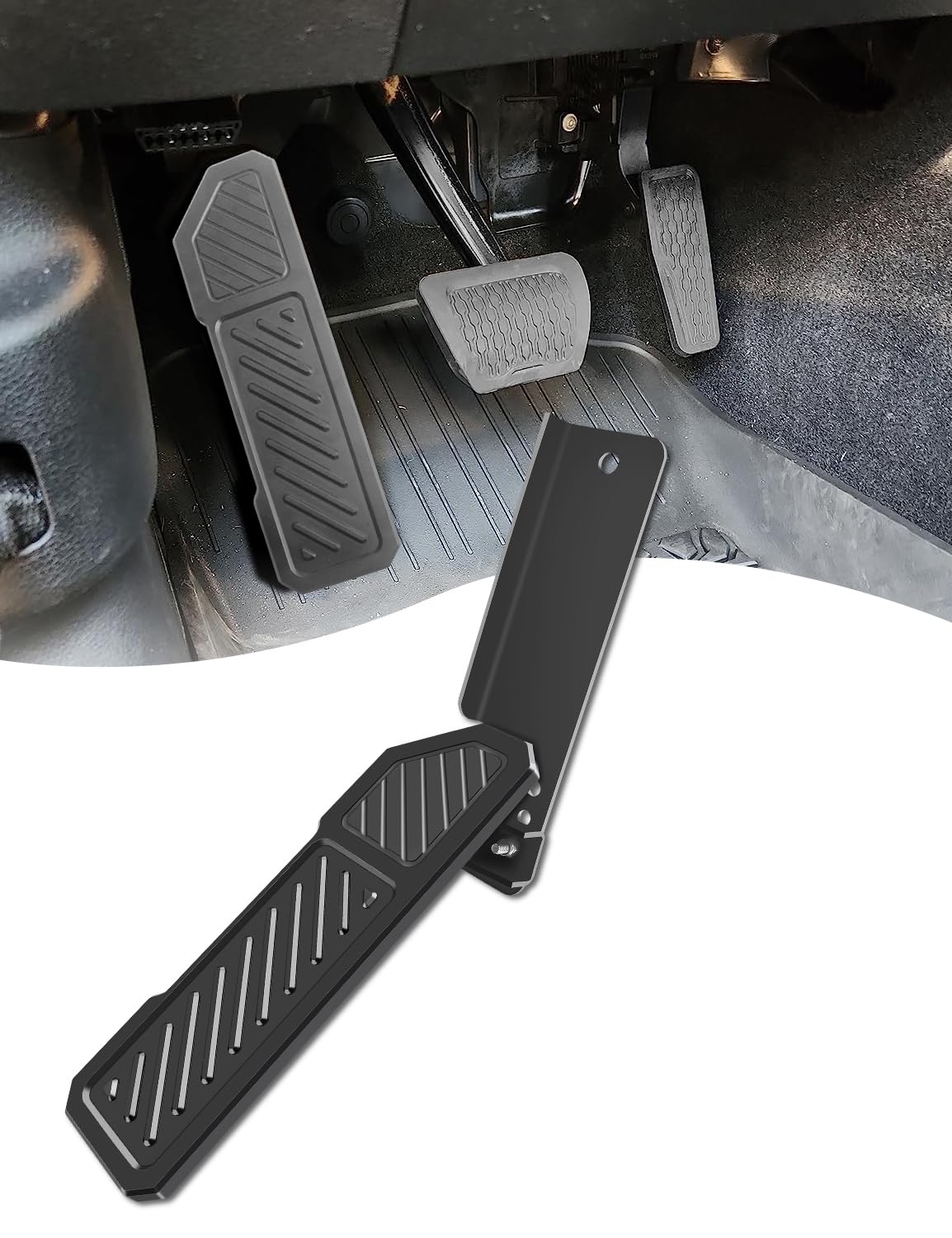
If your Jeep doesn’t have a dead pedal, adding one is a smart upgrade. Here’s what to look for:
- Fitment: Make sure the pedal is made for your Jeep’s model and year. Universal options exist, but custom-fit pedals are more secure.
- Material: Choose strong materials that can handle repeated pressure, like steel or aluminum.
- Installation: Some dead pedals bolt in using existing holes, while others require drilling. Check if you need tools or can install it yourself.
- Surface Grip: Look for rubber pads or textured metal to prevent slipping, especially in wet or muddy conditions.
Here’s a simple comparison:
| Feature | Universal Dead Pedal | Custom-Fit Dead Pedal |
|---|---|---|
| Ease of Installation | May require drilling | Often bolts right in |
| Stability | Can shift if not installed well | More stable fit |
| Price | Usually cheaper | May cost more |
Installation Tips
- Clean the area before installing to ensure a tight fit.
- If using bolts, check them after a few drives to ensure nothing comes loose.
- Test the pedal before driving off-road to make sure it feels secure and comfortable.
Non-obvious Insights
Many beginners think the dead pedal is just for comfort, but it also helps with driving precision. By keeping your left foot stable, you’re less likely to accidentally press the clutch or brake at the wrong time.
Another thing most people miss: a dead pedal can help reduce driver fatigue on short trips too, not just long journeys. Even 10-15 minutes of driving with better support can make a noticeable difference.
Is A Dead Pedal Worth It?
For most Jeep owners, installing a dead pedal is a small change with a big impact. It’s especially valuable if you:
- Drive long distances
- Enjoy off-roading
- Have a manual transmission Jeep
- Experience leg or back fatigue while driving
Many Jeep forums and communities recommend this upgrade for both new and experienced drivers. For more details on car ergonomics, the Wikipedia page on automobile pedals is a helpful resource.
Frequently Asked Questions
What Is The Main Purpose Of A Jeep Dead Pedal?
The main purpose is to provide a stable place to rest your left foot. This helps with comfort, posture, and driver stability, especially during long drives or when off-roading.
Is A Dead Pedal The Same As A Footrest?
Yes, in most cases, “dead pedal” and “footrest” mean the same thing in cars. However, “dead pedal” is the term used in automotive discussions.
Can I Install A Dead Pedal Myself?
Many dead pedals are DIY-friendly. If you have basic tools, you can often install one in less than an hour. Some models require drilling, so check instructions before starting.
Does Every Jeep Come With A Dead Pedal?
No, not all Jeeps include a dead pedal from the factory. Popular models like the Wrangler often do not have one unless you add it yourself or choose a trim with that feature.
Does A Dead Pedal Improve Driving Safety?
Yes, it can help by keeping your foot in a consistent, ready position. This means quicker reaction times and more control, which can improve overall driving safety.
If you want more comfort and control in your Jeep, adding a dead pedal is a small step that brings noticeable benefits every time you drive.