Is A Tesla Faster Than A Trackhawk?
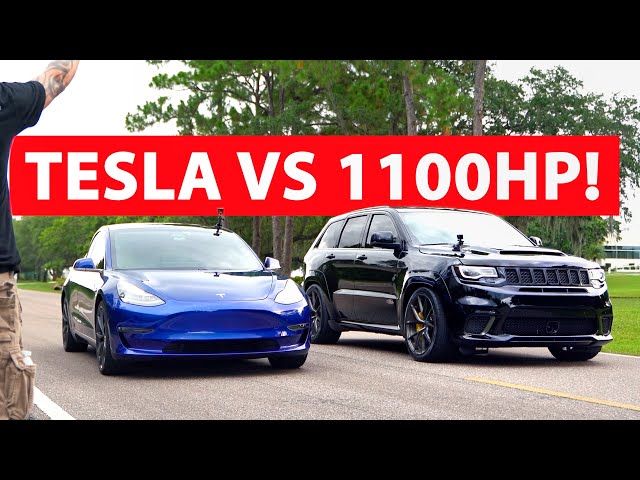
Speed is not just about numbers—it’s about real-world performance, experience, and bragging rights. If you love cars, you’ve probably heard people debate: Is a Tesla faster than a Trackhawk?
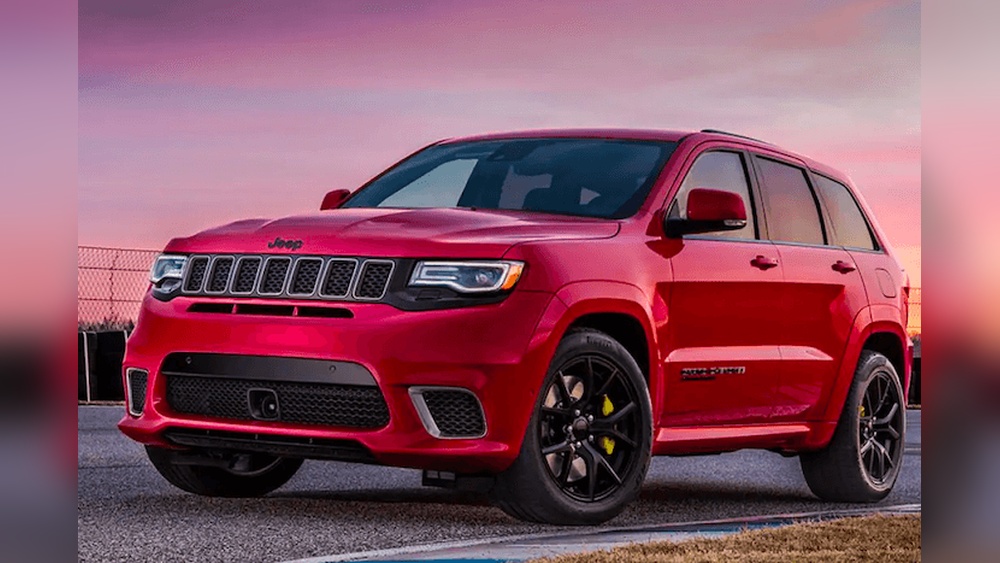
Both cars are famous for their power and acceleration, but they come from very different worlds. Tesla is all about electricity and modern tech, while the Jeep Grand Cherokee Trackhawk sticks to classic muscle power.
Let’s explore how these two compare on speed, using real data, simple language, and practical insights.
What Makes Each Car Special?
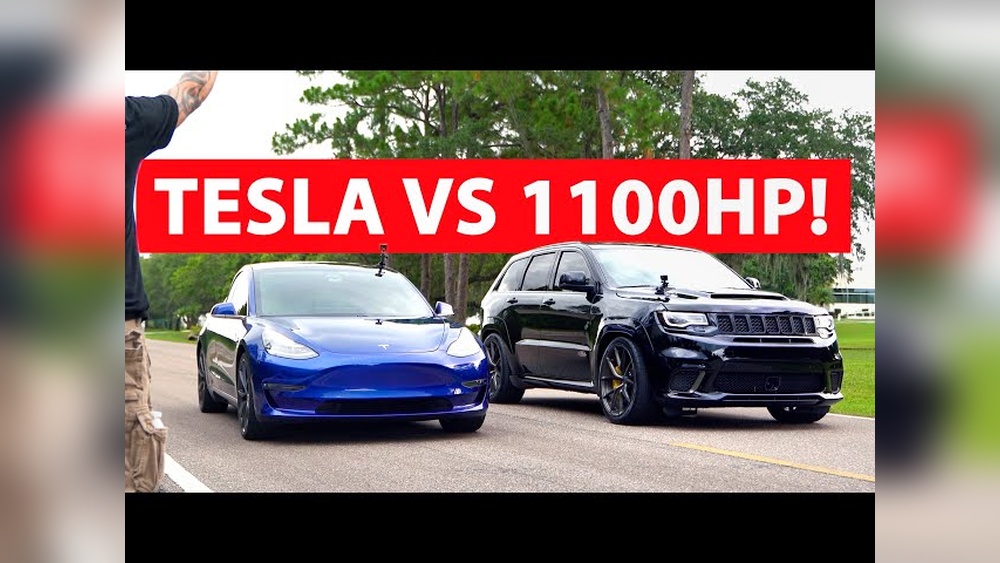
The Tesla Model S Plaid is often the star of Tesla’s lineup. It’s known for its instant acceleration, thanks to electric motors. The Trackhawk is a supercharged SUV, with a loud V8 engine. Both cars are fast, but their approach to speed is unique.
Tesla Model S Plaid
- Electric power: 3 motors, all-wheel drive
- Horsepower: About 1,020 hp
- 0-60 mph time: 1.99 seconds (official)
- Top speed: 200 mph
Jeep Grand Cherokee Trackhawk
- Gas engine: 6.2L supercharged V8
- Horsepower: 707 hp
- 0-60 mph time: 3.5 seconds (official)
- Top speed: 180 mph
The Tesla wins on paper, but numbers don’t tell the whole story.
Acceleration: Who Gets Off The Line Faster?
When you press the pedal, electric cars like the Tesla deliver power instantly. Gas engines, like the Trackhawk’s, build power a bit slower. This difference really shows in the 0-60 mph sprint.
| Car | 0-60 mph | Horsepower |
|---|---|---|
| Tesla Model S Plaid | 1.99 sec | 1,020 hp |
| Trackhawk | 3.5 sec | 707 hp |
The Tesla Model S Plaid is nearly twice as fast as the Trackhawk from a standstill. This is because electric motors don’t need to “rev up”—they just go.
Top Speed: Where Do They Peak?
Straight-line speed is fun, but top speed matters too, especially for bragging rights. The Tesla and Trackhawk both have impressive numbers.
| Car | Top Speed (mph) |
|---|---|
| Tesla Model S Plaid | 200 |
| Trackhawk | 180 |
The Tesla wins again, but it’s important to know that many owners rarely hit these speeds. Most roads don’t allow it, and top speed can depend on tire type, weather, and battery charge (for Tesla).
Real-world Performance: Beyond The Numbers
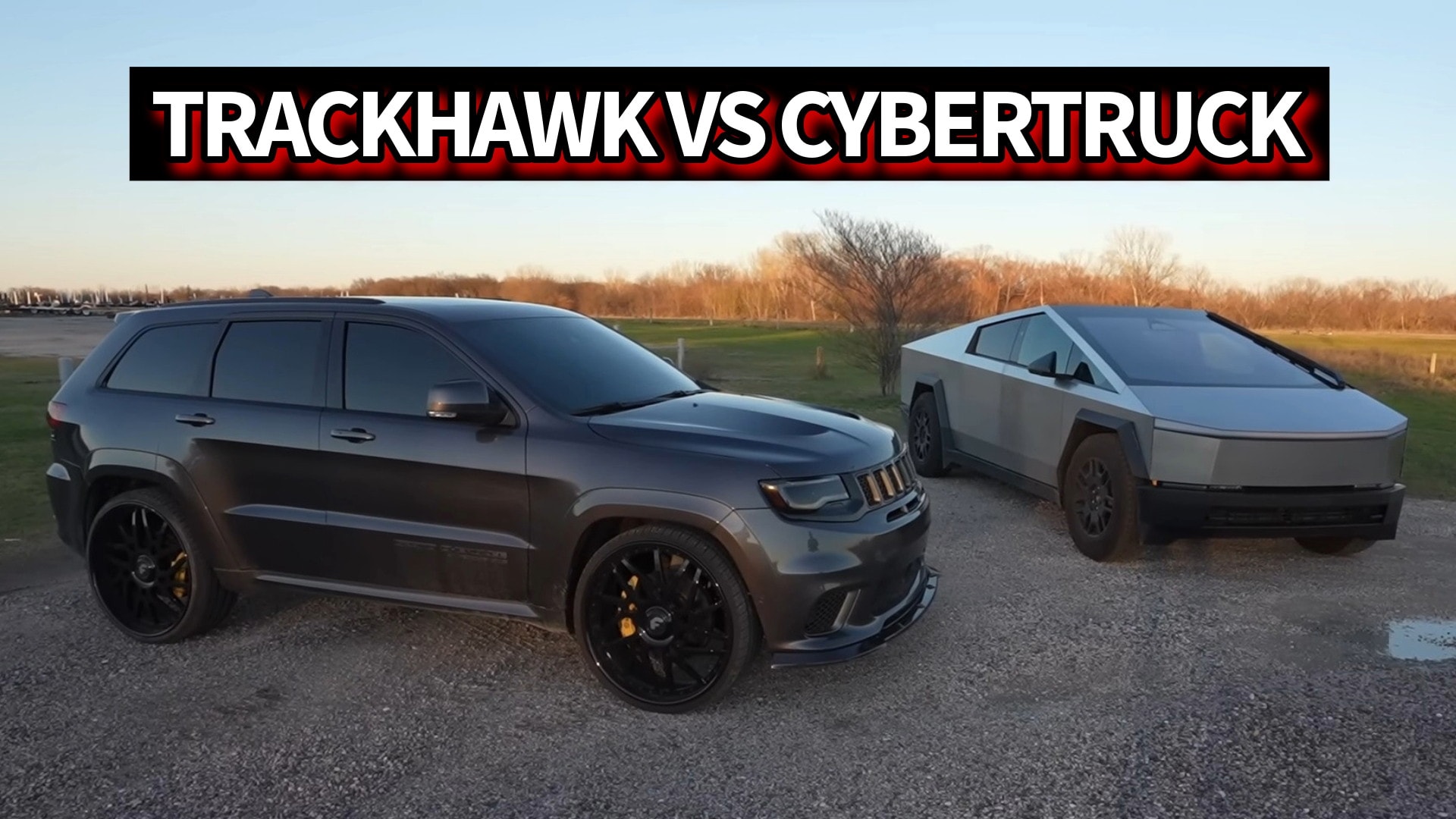
Drag races and tests show Tesla’s edge in short sprints. But in daily driving, things get more complicated.
- Instant torque: Tesla’s power feels immediate, especially at low speeds.
- Weight: The Model S Plaid weighs about 4,800 lbs, the Trackhawk about 5,400 lbs. Both are heavy, but the Tesla’s lower center of gravity helps it handle better.
- Noise and drama: The Trackhawk’s V8 engine delivers a deep rumble and supercharger whine. For some, this is pure joy. The Tesla is almost silent, which can feel strange if you love engine sounds.
| Car | Weight (lbs) | Drive Type | Handling |
|---|---|---|---|
| Tesla Model S Plaid | 4,800 | AWD | Low center, quick |
| Trackhawk | 5,400 | AWD | High center, powerful |
Practical Insights Most People Miss
- Battery vs. fuel: Tesla’s performance drops if the battery is low or hot. The Trackhawk’s engine stays strong as long as you have fuel, but it burns a lot—about 11 mpg.
- Maintenance: Electric cars like Tesla need less regular service. Trackhawks need oil changes, brake checks, and more.
- Price: The Model S Plaid starts around $90,000. Trackhawk prices are lower (used), since Jeep stopped making them after 2021. Both are expensive, but Tesla’s tech and speed cost more.
Which Is Faster Overall?
If you care about raw acceleration and top speed, the Tesla Model S Plaid is faster. It beats the Trackhawk in 0-60, quarter mile, and max velocity. In fact, the Plaid holds records for production car acceleration, even beating some supercars.
However, if you want muscle car feeling, loud engine sounds, and classic SUV looks, the Trackhawk still wins hearts. On a track with lots of corners, Tesla’s lower center of gravity helps it turn better. But the Trackhawk can tow, handle rough roads, and offer a fun driving experience in its own way.
The Bottom Line
For pure speed, the Tesla Model S Plaid is faster than the Jeep Grand Cherokee Trackhawk. It accelerates quicker, reaches a higher top speed, and uses cutting-edge electric tech. But speed isn’t everything—some people prefer the Trackhawk’s old-school power and sound.
If your goal is to own the fastest car for daily use, Tesla is the clear winner. If you want a fast SUV with muscle, the Trackhawk is still an exciting choice. It’s a rare mix of speed and practicality.
For more detailed specs and comparisons, visit the official Tesla Model S Wikipedia page.
Frequently Asked Questions
Is The Tesla Model S Plaid Faster Than The Trackhawk In A Quarter Mile?
Yes. The Tesla Model S Plaid can finish the quarter mile in about 9.2 seconds, while the Trackhawk takes around 11.6 seconds. The Tesla is much quicker over this distance.
Can The Trackhawk Beat A Tesla In Real-world Driving?
Usually, the Tesla is faster in city and highway races. But the Trackhawk can feel more fun on rough roads or when towing. Its engine sound is a big part of the driving experience.
Do Teslas Lose Speed When The Battery Is Low?
Yes, Teslas can lose some performance if the battery is low or overheated. The car may limit power to protect itself. Gas cars like the Trackhawk don’t have this issue, but need fuel.
Is The Trackhawk Still Made Today?
No, Jeep stopped making the Trackhawk after 2021. You can still buy used models, but new ones are not available.
Which Car Is Easier To Maintain?
The Tesla Model S Plaid usually needs less maintenance. Electric cars have fewer moving parts. The Trackhawk’s engine needs regular service, like oil changes and brake checks.