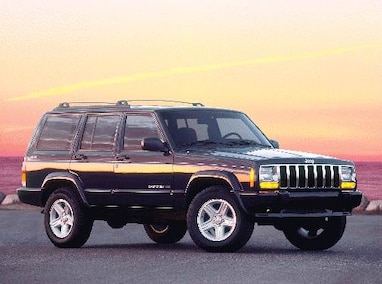
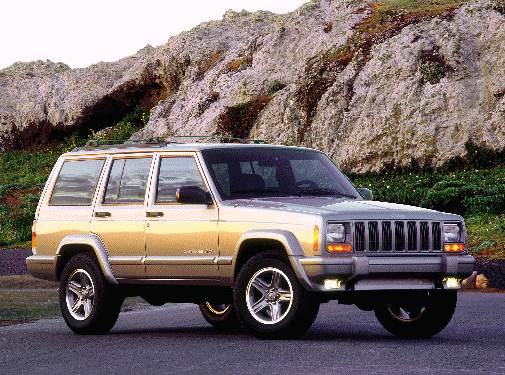
The 2000 Jeep Cherokee is an SUV that many people remember for its rugged design and reliable performance. If you want to know how much this vehicle is worth today, you’re not alone.
Prices can vary a lot, depending on factors like condition, mileage, trim, and location. This guide will help you understand what affects the value, give you real examples, and show how to estimate the price for a 2000 Jeep Cherokee.
Whether you’re a first-time buyer, a longtime owner, or just curious, you’ll find the details you need here to make a smart decision.
Key Factors Affecting Value
When you look at the price of a 2000 Jeep Cherokee, you need to consider several factors:
- Condition: Vehicles in excellent shape are worth much more. Dents, faded paint, or worn interiors can reduce the price quickly. Even small details, like clean carpeting or a crack-free dashboard, can make a difference.
- Mileage: Lower miles usually mean a higher price. A Jeep that has been driven less will likely have less wear on the engine, suspension, and transmission. Some buyers will pay a premium for Cherokees with fewer than 100,000 miles.
- Trim Level: The Cherokee came in trims like Sport, Classic, and Limited. Each trim had different features and options, which affects value.
- Location: Prices can change from state to state. For example, in regions with snowy winters, 4×4 models are in higher demand and sell for more.
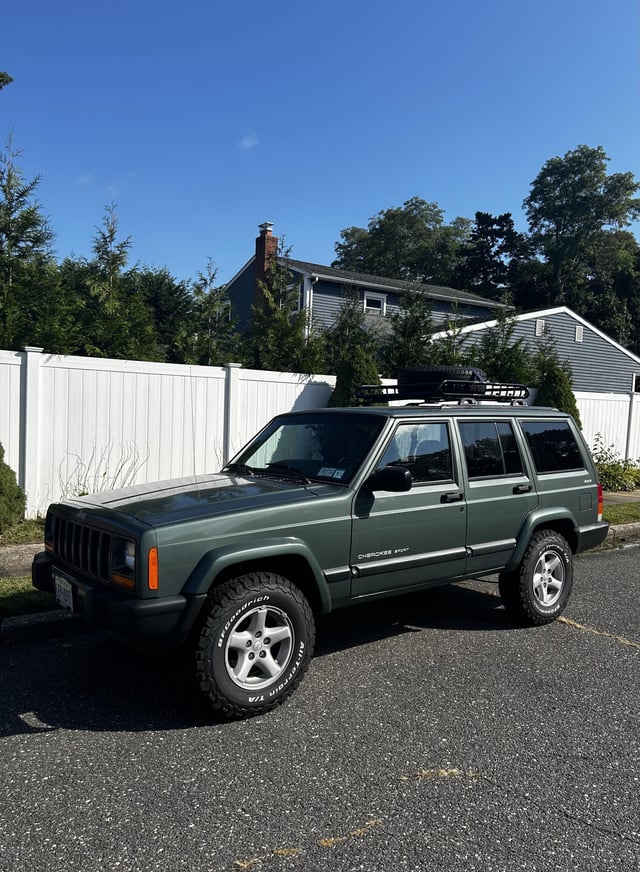
- Modifications: Custom upgrades may increase or decrease value. A lift kit, larger tires, or off-road bumpers can appeal to some buyers, but may scare off others who want a stock vehicle.
Most buyers focus on condition and mileage. Even if a Cherokee is old, it can be valuable if it’s well maintained. A vehicle with full service records and a clean history is often worth more than a similar Jeep with missing documents or accident history.
Regular maintenance, like oil changes and brake service, is a sign the owner cared for the SUV.
Typical Price Range
In 2024, the average price for a 2000 Jeep Cherokee falls between $2,000 and $6,500. Here’s a breakdown:
- Poor condition/high mileage: $2,000–$3,000
These Cherokees may have over 175,000 miles, worn interiors, faded paint, or signs of rust. They’re often sold as project vehicles or for parts.
- Good condition/average mileage: $3,500–$5,000
Expect working air conditioning, a clean interior, and fewer cosmetic flaws. Mileage is often between 120,000 and 160,000.
- Excellent/low mileage: $5,000–$6,500
These are rare and usually have less than 100,000 miles. They might have one owner, full maintenance records, and look almost new.
Some rare models or well-kept Limited trims can go even higher. For example, a Limited with every factory option and under 70,000 miles could sell for over $7,000 in certain markets. Special colors or dealer-installed options may also add value.
Real Market Examples
Let’s look at real listings from popular online sites:
- 2000 Jeep Cherokee Sport, 180,000 miles, fair condition – Sold for $2,300 in Ohio. The seller mentioned some rust on the rocker panels and a torn driver’s seat.
- 2000 Jeep Cherokee Classic, 120,000 miles, good condition – Priced at $4,800 in Texas. This one had a clean title, no accidents, and new tires, which helped the price.
- 2000 Jeep Cherokee Limited, 80,000 miles, excellent condition – Listed for $6,200 in California. This vehicle included leather seats, a sunroof, and a full service history.
You’ll notice that mileage and trim make a big difference. For example, a Classic trim with lower miles may cost much more than a Sport with high miles. Vehicles in states with less rust, like Arizona or California, also tend to sell for more.
If you check auction sites, you’ll see even higher prices for Cherokees with rare features or colors. However, be careful with auction vehicles they sometimes have hidden problems.
Comparison Table: Trim Levels
You can see the price differences between trims in the following table:
| Trim | Average Price | Key Features |
|---|---|---|
| Sport | $2,000-$4,000 | Basic interior, cloth seats |
| Classic | $3,500-$5,000 | Upgraded trim, power windows |
| Limited | $5,000-$6,500 | Leather seats, premium sound |
The Classic and Limited trims also often have extras like alloy wheels, keyless entry, and better sound systems. These features not only make the SUV more comfortable but also boost resale value.
If you find a Limited with original leather in good shape, expect to pay at the top of the range.
How To Estimate Your Cherokee’s Value
To estimate your 2000 Jeep Cherokee’s worth, follow these steps:
- Check Mileage: Under 100,000 miles is rare and increases value. High-mile vehicles may still run well, but the price goes down.
- Inspect Condition: Look for rust, interior wear, and mechanical issues. Check common rust spots: under the doors, around the wheel wells, and the floor pans.
- Identify Trim: Sport, Classic, or Limited. Each trim affects value differently.
- Check Local Listings: Find similar vehicles in your area. Prices in rural areas may be lower than in cities where 4×4 SUVs are popular.
- Use Online Tools: Sites like Kelley Blue Book or Edmunds can help. These tools let you enter details about your Jeep and give you a price range.
A common mistake is ignoring the impact of location. For example, Cherokees in California often sell for more due to demand.
On the other hand, in the Midwest, rust can lower prices even for low-mileage vehicles. If you live in the Northeast or Great Lakes region, be extra careful about rust damage.
It also helps to gather all your maintenance records. A folder with receipts for oil changes, brake work, or timing belt replacements can make your Jeep stand out and justify a higher price. If you’ve installed new tires or a fresh battery recently, mention that in your ad.
Data Table: Mileage Impact
Here’s how mileage changes value:
| Mileage | Estimated Price |
|---|---|
| Under 100,000 | $5,000-$6,500 |
| 100,000–150,000 | $3,500-$4,800 |
| 150,000–200,000 | $2,000-$3,500 |
Keep in mind, the engine in the 2000 Cherokee (especially the 4. 0L inline-six) is known for lasting a long time with good care. Still, buyers are cautious when mileage goes over 200,000, even though many Cherokees reach that mark.
If the transmission or major parts have been rebuilt, that can help keep the value higher.
Non-obvious Insights
Many people overlook these points:
- Rust and frame issues can lower the price a lot, even if the engine runs well. Rust on the floor or frame can be expensive to repair and may make the Jeep unsafe.
- Originality matters. Cherokees with original parts and paint are more valuable to collectors. Jeeps with big lifts, aftermarket wheels, or custom paint jobs may not appeal to everyone.
- Service records are important. If you have proof of regular maintenance, you can ask for a higher price.
Another detail: factory options like a sunroof, roof rack, or limited-slip differential can add value. Many buyers pay extra for a Cherokee with all the original owner’s manuals and even the original window sticker.
A bonus tip if you’re buying, check the “Check Engine” light and scan for codes. Some sellers reset the light, but underlying problems will come back after a test drive.
Selling Vs. Buying: What To Expect
If you’re selling, be prepared for buyers to ask about accident history and maintenance. Be honest about any issues, and show photos of the undercarriage to prove there’s no rust.
If you’ve replaced major parts, keep the receipts. Buyers often want to see proof of new brakes, a recent tune-up, or a new radiator.
If you’re buying, always check for hidden issues. Some sellers try to hide rust by painting over it. Always inspect the vehicle in person or ask for detailed photos. Bring a flashlight to check under the carpet for water leaks or rust.
A test drive is essential listen for odd noises or vibrations.
It’s also smart to get a pre-purchase inspection from a trusted mechanic. A small investment here can save you thousands if there are hidden problems.
Comparison Table: Private Sale Vs. Dealer
Where you buy or sell changes the price:
| Sale Type | Average Price | Pros | Cons |
|---|---|---|---|
| Private Sale | $2,000-$6,500 | Lower price, more options | Risk, no warranty |
| Dealer | $3,500-$7,000 | Warranty, easier process | Higher price, less negotiation |
Private sellers are usually more flexible on price and may include extras like spare tires or parts. Dealers, on the other hand, sometimes offer short warranties or can help with financing, but you’ll pay more for the same vehicle.
Another difference: dealers often recondition their vehicles—cleaning, fixing small issues, and sometimes repainting parts. This can make a Jeep look better, but always ask for a vehicle history report.
Where To Find Reliable Prices
Always compare prices from more than one source. Use online tools, check local ads, and review auction listings. For deeper research, see the Kelley Blue Book.
Also, check Jeep owner forums and social media groups. Owners often share their recent sale prices and buying experiences, which can help you spot good deals or avoid common scams.
Don’t forget local classifieds and Facebook Marketplace. Sometimes you’ll find Cherokees priced much lower than on large car sites, especially if the seller wants a quick sale.
Frequently Asked Questions
How Many Miles Is Too Many For A 2000 Jeep Cherokee?
Over 200,000 miles is considered high. At this point, expect more repairs and lower value. However, with proper care, these engines are known to last well beyond this mileage.
Does The 2000 Jeep Cherokee Hold Its Value?
Cherokees hold value better than some SUVs. The XJ model is popular with fans, so prices stay steady, especially for well-kept examples. They’re often used for off-roading, so clean, original ones are rare and in demand.
Should I Buy A Modified Jeep Cherokee?
Modifications can add value if done well. But poorly installed upgrades may cause problems. Always check the quality and ask for receipts. Factory-original vehicles usually hold their value best.
What Trim Is Most Valuable?
The Limited trim is usually worth the most, especially with low mileage and original features. Collectors and Jeep fans look for these top trims with all the options.
Can Rust Affect The Price?
Yes, rust can cut the value in half or more. Always check under the vehicle and along the frame for signs of corrosion. Repairing severe rust can cost more than the Jeep’s value.
If you’re looking to buy or sell a 2000 Jeep Cherokee, understanding these factors will help you make a smarter decision. Always compare, inspect carefully, and don’t rush—there are still many good Cherokees on the road today, and with patience, you can find one that fits your needs and your budget.