The Jeep Grand Cherokee ZJ is more than just an old SUV. For many car lovers, it’s a classic model that brought new features and rugged style to the world of 4×4 vehicles.
The ZJ Jeep was the first generation of the Grand Cherokee, produced from 1993 to 1998. Today, it’s still respected for its off-road performance, strong build, and lasting value.
If you’re curious about what makes a ZJ Jeep special, this guide breaks down its history, features, and why it matters in the Jeep lineup.
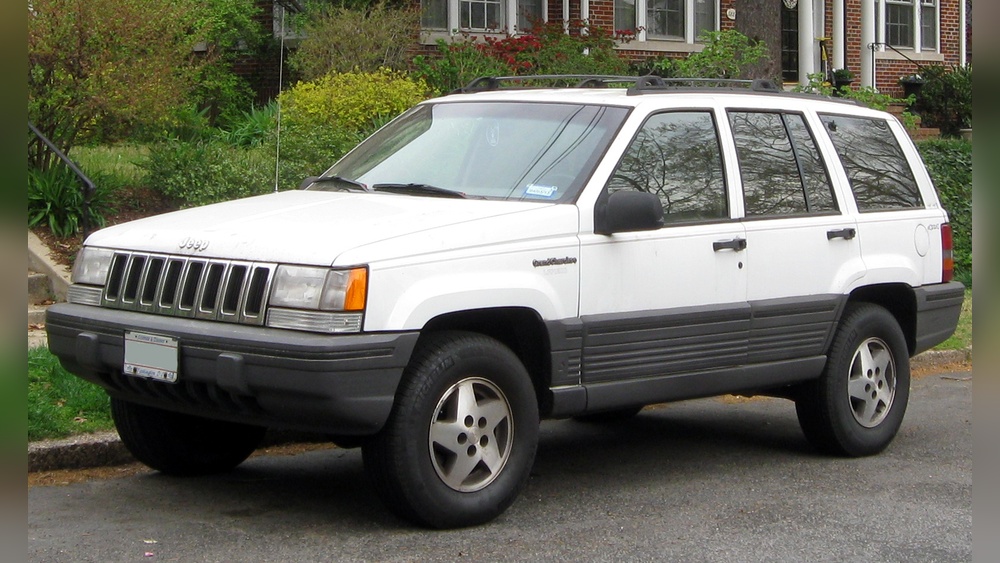
What Is A Zj Jeep?
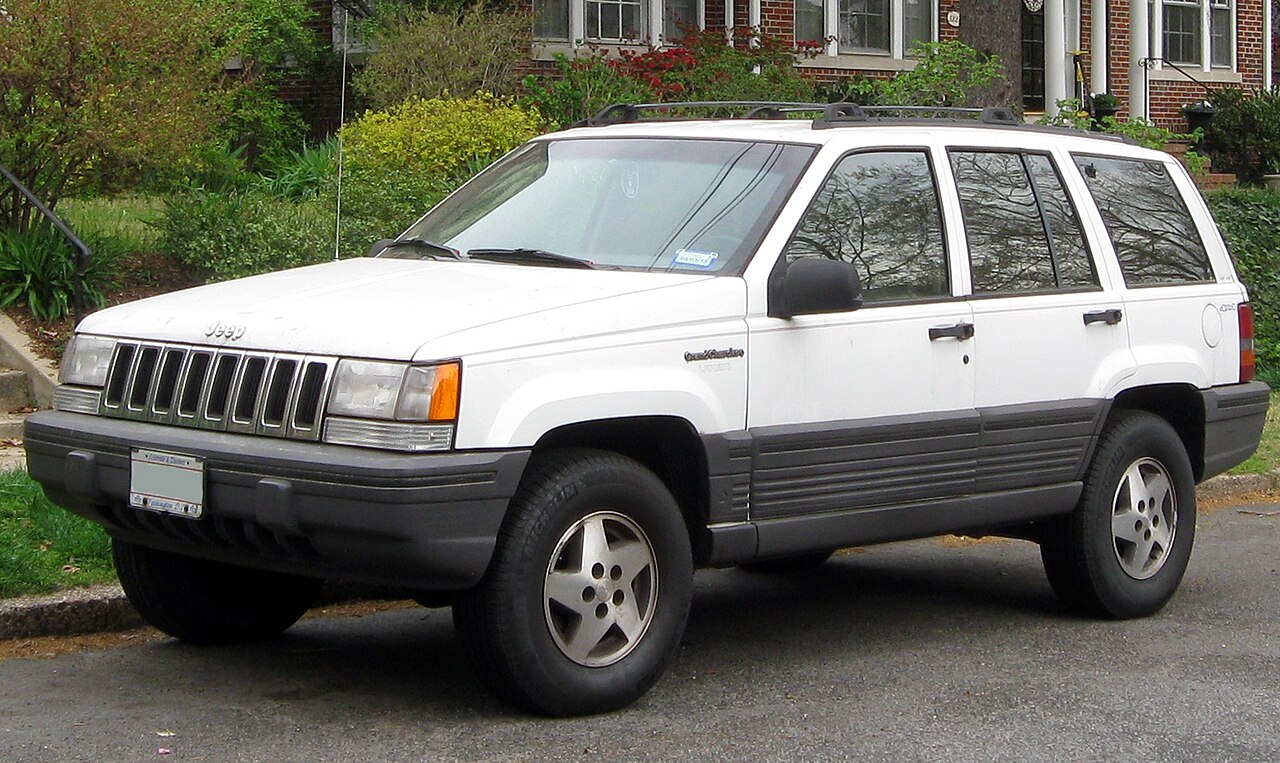
The ZJ Jeep refers to the first generation of the Jeep Grand Cherokee, launched in 1992 for the 1993 model year. “ZJ” is the internal code used by Jeep engineers and fans to identify this specific generation. It replaced the Jeep Cherokee XJ and set new standards for comfort and capability.
Unlike earlier Jeeps, the ZJ mixed luxury and off-road power, targeting buyers who wanted both ruggedness and a smooth ride. It was available in several trims: Base, Laredo, Limited, and later, the sportier Orvis and TSi editions.
Key Features And Specifications
The ZJ Jeep came with many new technologies and options for its time. Here are the main things that set it apart:
Engines And Performance
Buyers could choose from three main engines:
- 4.0L Inline-6: The most popular engine. Known for reliability and easy repairs, it produced 190 hp.
- 5.2L V8: Offered more power (220 hp) and torque, suited for towing and tough terrain.
- 5.9L V8: Introduced in 1998, this engine made the ZJ one of the fastest SUVs of its era, with 245 hp and a 0-60 mph time under 7 seconds.
The ZJ used several types of 4WD systems: Selec-Trac, Quadra-Trac, and Command-Trac. Each offered different modes for snow, mud, and rocky paths.
Interior And Comfort
The ZJ was the first Jeep to offer luxury features like:
- Leather seats
- Power windows and locks
- Climate control
- Premium sound systems
These comforts helped the ZJ compete with other SUVs like the Ford Explorer and Chevrolet Blazer.
Safety And Innovation
For its era, the ZJ brought new safety options:
- Driver and passenger airbags (from 1995)
- Anti-lock brakes (ABS)
- Child safety locks
It also included advanced suspension for a smoother ride.
Dimensions And Capacity
Here’s a quick look at the ZJ’s size compared to competitors:
| Model | Length (in) | Width (in) | Cargo Volume (cu ft) |
|---|---|---|---|
| Jeep Grand Cherokee ZJ | 177.2 | 72.3 | 74.3 |
| Ford Explorer (1994) | 178.7 | 70.2 | 73.7 |
| Chevrolet Blazer (1995) | 183.3 | 67.8 | 68.0 |
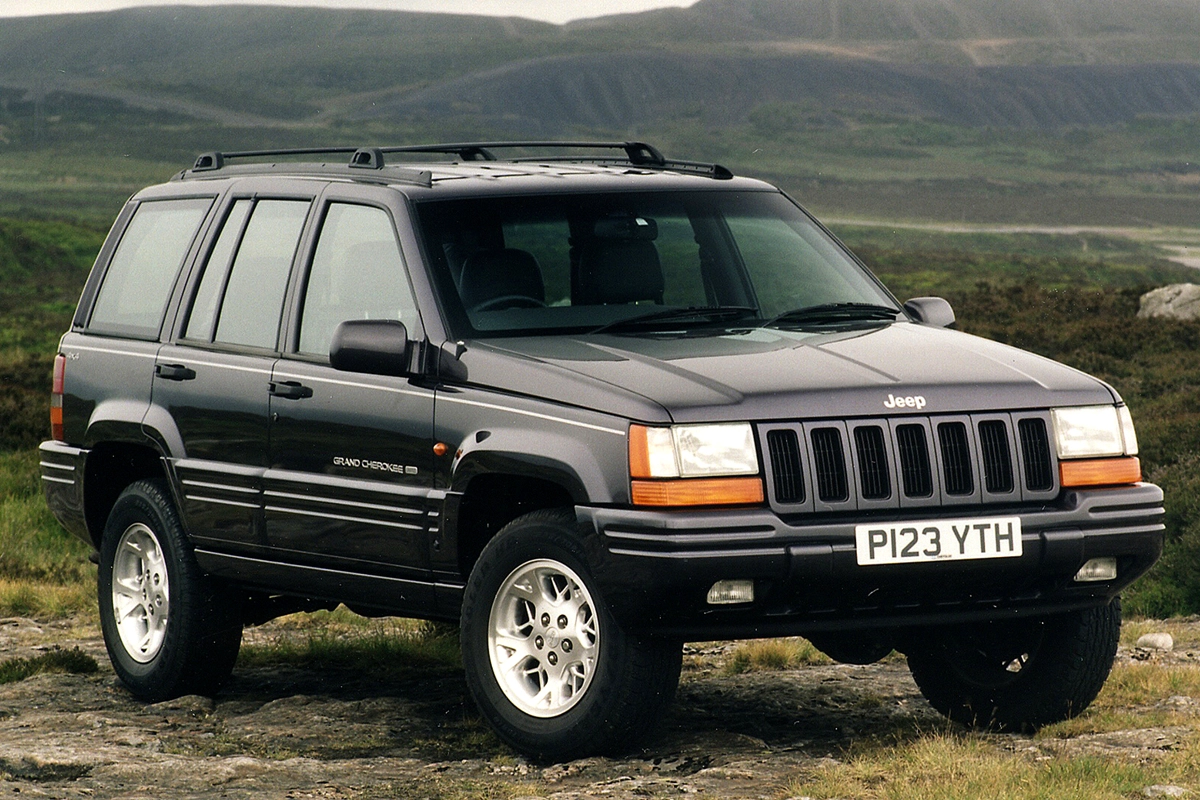
Zj Jeep Trim Levels
The ZJ was available in several trim packages, each with its own features:
| Trim | Main Features | Engine Options |
|---|---|---|
| Base | Simple interior, cloth seats | 4.0L Inline-6 |
| Laredo | Power accessories, upgraded trim | 4.0L Inline-6, 5.2L V8 |
| Limited | Leather, premium sound, climate control | 4.0L Inline-6, 5.2L V8 |
| Orvis/TSi | Sporty styling, unique badges | 5.2L V8 |
| 5.9 Limited | Top performance, special wheels | 5.9L V8 |
Off-road And Towing Capabilities
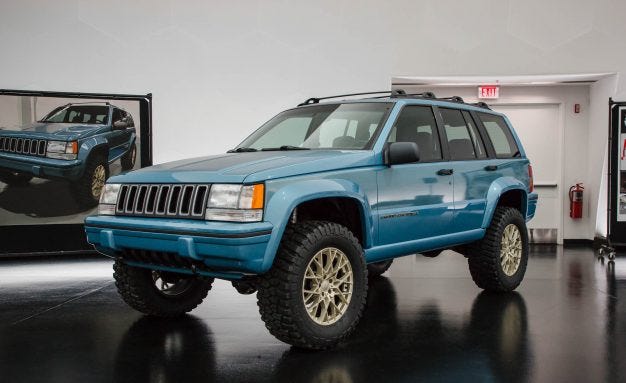
The ZJ Jeep is famous for its off-road ability. It had solid axles, high ground clearance, and strong 4WD systems. Many owners still use ZJs for trail driving and camping.
- Towing capacity: Up to 6,500 lbs (with V8)
- Ground clearance: Around 8 inches
- Approach angle: 36 degrees
- Departure angle: 27 degrees
These specs made the ZJ a leader among SUVs for tough work and adventure.
Common Problems And Maintenance
Every vehicle has weak points, and the ZJ is no exception. Here are some issues to watch for:
- Electrical problems: Window switches and door locks sometimes fail.
- Rust: Older ZJs may show rust on the frame and underbody.
- Cooling system: Radiators and water pumps can leak after many years.
- Suspension wear: Bushings and ball joints need regular checks.
Many ZJ owners say repairs are simple, thanks to the strong design and easy access to parts.
Zj Jeep In Today’s Market
The ZJ Jeep still has a loyal fan base. It’s common to see ZJs at off-road events, and many are restored as project vehicles. Prices depend on condition, but you can find a decent ZJ for $2,000–$6,000. The rare 5.9 Limited models sometimes sell for over $10,000.
Here’s a comparison of ZJ market values:
| Model Year | Condition | Approx. Price |
|---|---|---|
| 1993–1995 | Good, stock | $2,000–$4,000 |
| 1996–1998 | Good, upgraded | $4,000–$6,000 |
| 1998 (5.9 Limited) | Excellent, rare | $8,000–$12,000 |
Non-obvious insight: Many buyers overlook the 1996–1997 models, but these years have better airbags and improved wiring. Also, the 5.9 Limited has unique body parts that can be costly to replace.
Is A Zj Jeep Right For You?
If you want a vehicle that mixes off-road skills with daily comfort, the ZJ Jeep is worth considering. It’s not as modern as new SUVs, but it offers strong performance for the price. Look for well-maintained examples, and check for rust and electrical issues before buying.
For more detailed specifications and history, visit the Jeep Grand Cherokee ZJ Wikipedia page.
Frequently Asked Questions
What Does “zj” Mean In Jeep Models?
“ZJ” is the code name for the first generation of the Jeep Grand Cherokee, made from 1993 to 1998.
Is The Zj Jeep Good For Off-roading?
Yes, the ZJ is strong off-road, with good ground clearance, strong axles, and reliable 4WD systems.
What Engine Options Are Available In The Zj Jeep?
You can find ZJs with 4.0L Inline-6, 5.2L V8, and the rare 5.9L V8 engine.
How Much Does A Zj Jeep Cost Today?
Prices range from $2,000 for older models to over $10,000 for rare 5. 9 Limited versions.
Are Zj Jeeps Easy To Repair?
Yes, most repairs are simple and parts are easy to find. The 4. 0L engine especially is known for lasting a long time.
The ZJ Jeep remains an important part of SUV history. Whether you want a project car, a rugged off-roader, or just a reliable classic, the ZJ delivers value and character.