The Jeep Wrangler Wave is more than a simple greeting it’s a unique tradition that connects drivers, builds community, and celebrates the love for adventure.
If you’ve ever seen two Jeep Wranglers pass each other on the road and noticed the drivers exchange a subtle hand gesture, you’ve witnessed the famous Wave.
It’s a culture that’s lasted decades and is instantly recognized by Jeep fans. But what does it really mean, how did it start, and why do people care so much about it?
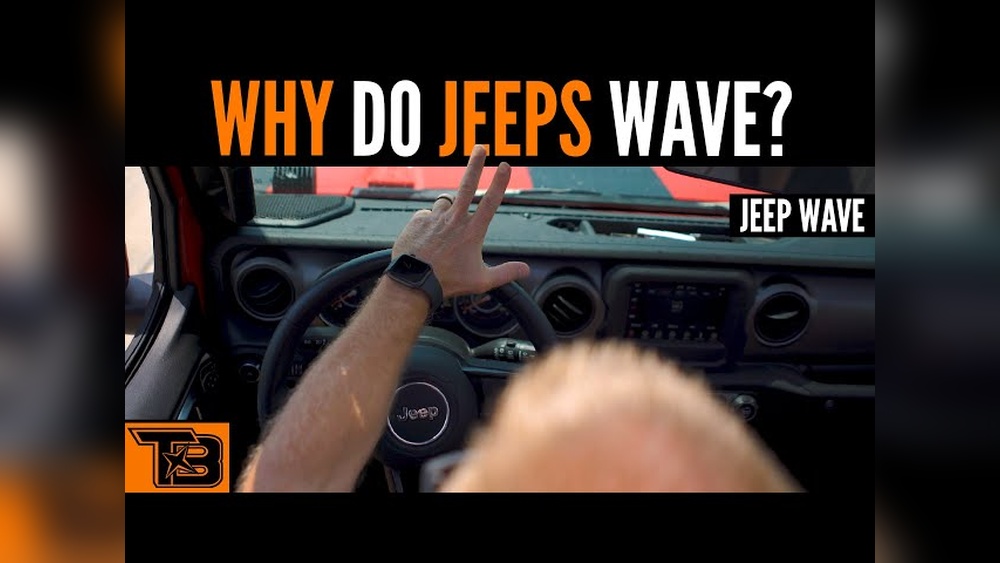
Let’s explore the history, rules, and impact of the Jeep Wrangler Wave.
The Meaning Behind The Jeep Wrangler Wave
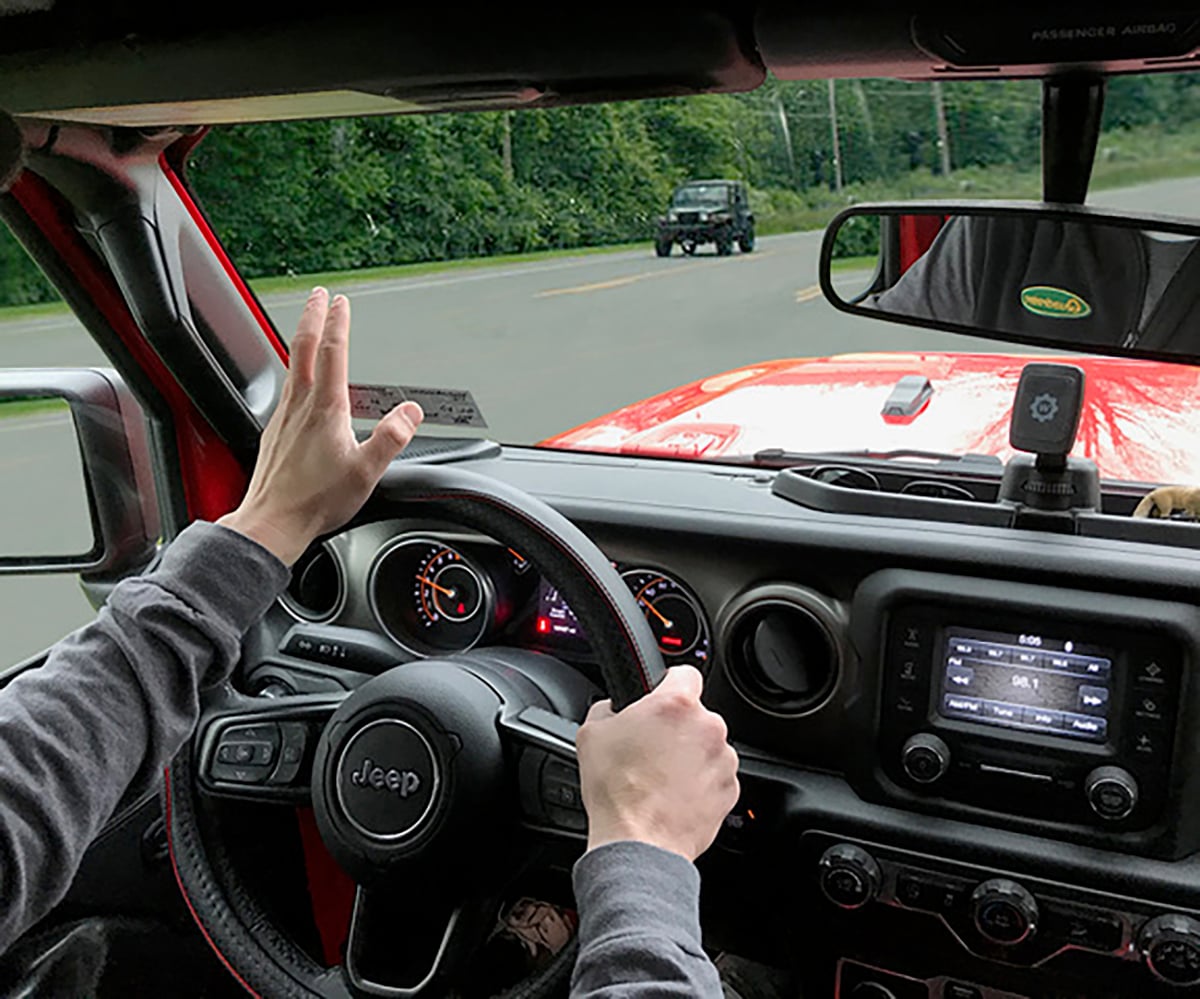
The Jeep Wave is a respectful gesture between Wrangler drivers. Usually, it’s a simple raise of the hand, a peace sign, or two fingers lifted from the steering wheel. The Wave means, “I see you, fellow adventurer,” and honors a shared passion for off-roading and rugged vehicles. It’s not just about friendliness—it’s about belonging.
This tradition sets Jeep Wrangler owners apart from other car drivers. It’s a way to show respect for the brand and its history. Many drivers say the Wave is like a secret handshake. It builds instant rapport, even with strangers.
The History Of The Jeep Wrangler Wave
The origin of the Jeep Wave goes back to the 1940s. During World War II, soldiers used the original Jeep vehicles as military transport.
After the war, the Jeep became popular for civilian use, especially among veterans. The Wave started as a way for former soldiers to recognize each other.
Over time, it became a tradition for all Wrangler drivers.
Jeep’s unique design and reputation for durability made it a symbol of adventure and freedom. As Jeep Wranglers became more common, the Wave spread across the US and even around the world. Today, it’s an essential part of Jeep culture.
How To Do The Jeep Wrangler Wave
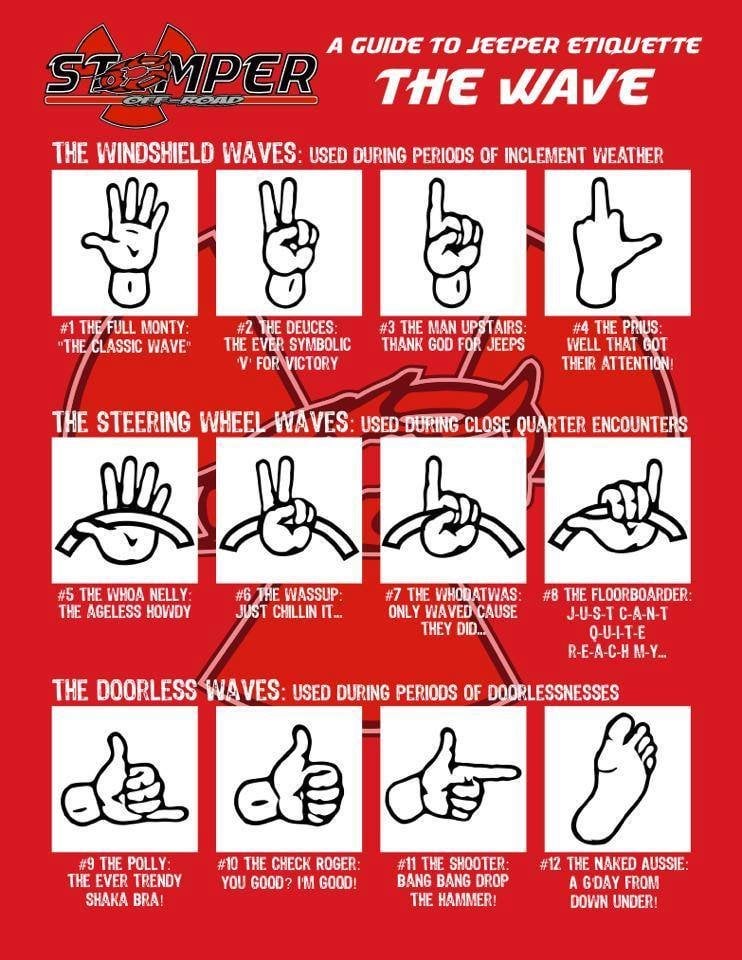
There’s no strict rule about how to Wave. The most common ways are:
- Raise your hand above the steering wheel.
- Lift two fingers (peace sign) from the wheel.
- Give a quick nod or smile as you pass.
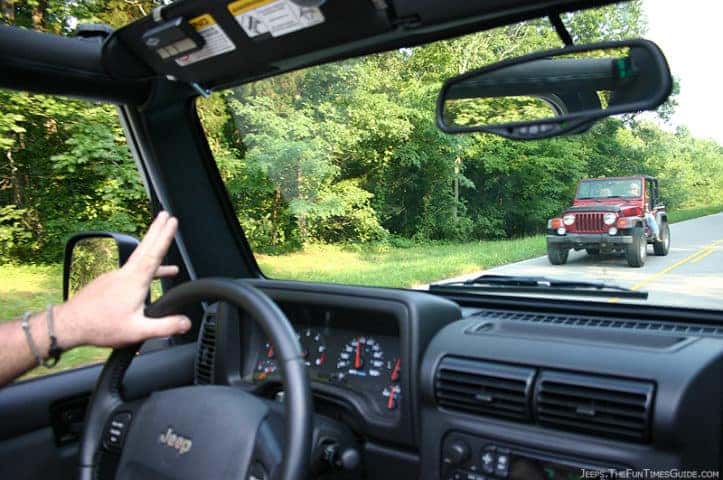
Some Jeep drivers get creative, but the main idea is to acknowledge another Wrangler owner. Timing is key wave as soon as you see another Jeep approaching.
Who Should Wave First?
This question sparks debate among Jeep fans. Some believe the driver with the older or more rugged Wrangler should wave first. Others say it doesn’t matter—anyone can initiate the Wave. Here’s a helpful comparison:
| Wrangler Type | Wave Etiquette |
|---|---|
| Classic (pre-2000) | Often gets the first wave |
| Modified/off-road | Usually respected by others |
| New models | Can wave first if desired |
While some Jeepers follow these “rules,” most agree that anyone can wave. What matters is the spirit of friendliness.
Why The Jeep Wave Matters
The Wave is more than a gesture—it’s a symbol of community. It creates instant connections between drivers and makes every Wrangler owner feel special. Here are a few reasons why the Wave is important:
- Builds camaraderie: Jeep drivers support each other, especially on rough terrain.
- Celebrates tradition: The Wave honors Jeep’s military roots and adventurous spirit.
- Encourages respect: It’s a reminder to treat other drivers kindly.
Many Jeep owners say the Wave is one reason they never switch brands. It’s a tradition that’s hard to find with other vehicles.
Jeep Wave Vs Other Car Waves
The Jeep Wave is unique. While some car groups have their own greetings, none are as widespread or respected as the Wrangler Wave. Here’s a quick comparison:
| Car Group | Wave Tradition | Frequency |
|---|---|---|
| Jeep Wrangler | Hand wave or peace sign | Almost every encounter |
| Motorcycles | Low hand wave | Common, but not universal |
| Classic cars | Occasional head nod | Infrequent |
The Jeep Wave stands out because it’s expected, and most drivers participate.
Common Mistakes And Tips For Jeep Wave Beginners
New Jeep owners sometimes miss the Wave or hesitate to join in. Here are some common mistakes to avoid:
- Not waving back: If you see another Wrangler, always return the Wave.
- Waving at other Jeep models: The Wave is mostly for Wranglers, not all Jeeps.
- Using exaggerated gestures: Keep it simple; you don’t need a big wave.
Pro tip: If you’re unsure, start with a small hand lift. Over time, you’ll get comfortable and recognize the right moments.
Fun Facts And Data About The Jeep Wave
- Surveys show that over 80% of Wrangler owners participate in the Wave.
- Jeep forums have thousands of posts discussing the Wave’s etiquette.
- The Wave is recognized in over 30 countries worldwide.
Some Jeep communities even hold “Wave Days,” encouraging drivers to wave more often and share stories. This tradition keeps the culture alive and makes driving a Wrangler even more enjoyable.
Frequently Asked Questions
What Vehicles Qualify For The Jeep Wave?
Only Jeep Wranglers are included in the classic Wave tradition. Other Jeep models, like Cherokee or Grand Cherokee, rarely get a Wave. Some drivers choose to wave at other Jeeps, but it’s not standard.
Is The Jeep Wave Practiced Outside The United States?
Yes, the Wave is popular in Canada, Australia, Europe, and South America. The tradition may vary, but Wrangler owners worldwide recognize the gesture.
What Happens If I Ignore The Wave?
Ignoring the Wave isn’t a serious offense, but you might miss out on building connections. Some drivers feel disappointed if their Wave isn’t returned. If you’re new, try to participate it makes the experience more fun.
How Do I Know When To Wave?
Wave whenever you see another Jeep Wrangler approaching. Some drivers wave only on rural roads, while others do it everywhere. If you’re unsure, look for signs—a lifted Jeep, off-road tires, or the iconic grille.
Can I Join The Jeep Wave If I Don’t Own A Wrangler?
Technically, the Wave is for Wrangler owners. If you drive another Jeep, you can try, but don’t expect every Wrangler driver to wave back. The tradition is strongest among Wrangler enthusiasts.
The Jeep Wrangler Wave is a small gesture with a big impact. It connects people, celebrates history, and adds excitement to every drive. If you ever buy a Wrangler, remember to join in and keep the tradition alive. For more Jeep history and culture, check out this Wikipedia article.