If you drive a Jeep Compass, you may have heard about its auxiliary battery. This small battery plays a big role in the vehicle’s electrical system, especially for models with start-stop technology.
Many owners struggle to find the exact location of the auxiliary battery, which can lead to confusion when it’s time for service or replacement. In this guide, you’ll discover where the auxiliary battery is in your Jeep Compass, why it matters, and how to access it safely.
Let’s clear up the mystery so you can keep your Compass running smoothly.
Jeep Compass Battery Basics
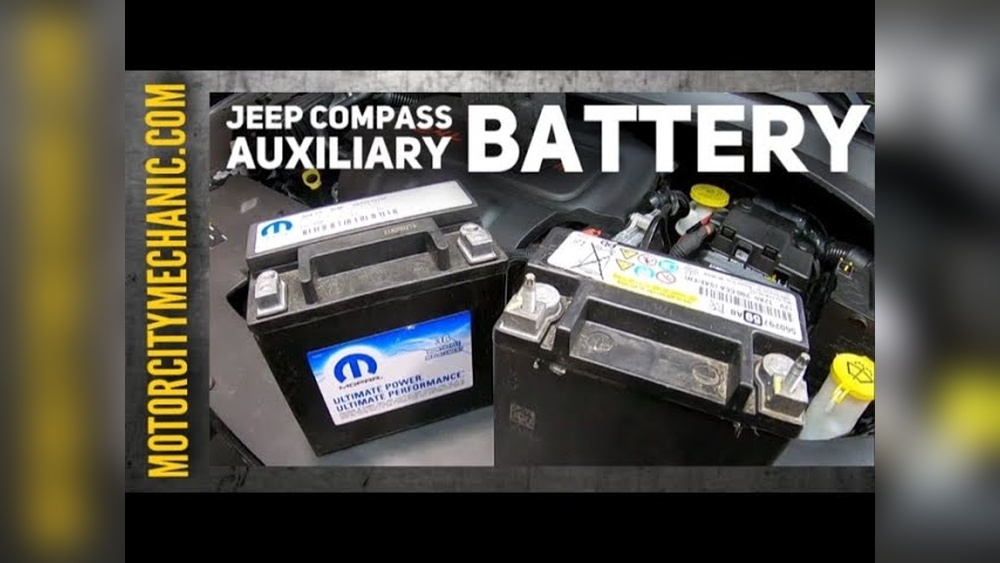
The Jeep Compass uses two batteries in some configurations. The main battery starts the engine and powers most electrical systems. The auxiliary battery is smaller and supports extra functions, such as start-stop, infotainment, and accessories. This setup helps save fuel and reduce emissions.
Key Battery Functions
- Main battery: Starts the engine, powers lights, AC, and other high-demand systems.
- Auxiliary battery: Maintains electrical flow during start-stop, powers accessories when the engine turns off.
Not all Jeep Compass models have an auxiliary battery. It is most common in recent models (2017 and newer) with automatic transmission and start-stop technology.
Where Is The Auxiliary Battery Located?
Finding the auxiliary battery isn’t obvious. Unlike the main battery, which is under the hood, the auxiliary battery is hidden in a less accessible spot. For most Jeep Compass vehicles, you’ll find the auxiliary battery beneath the passenger seat, inside the cabin.
Step-by-step Location Guide
- Open the passenger-side front door.
- Slide the seat fully forward.
- Look underneath the seat base.
- You’ll see a black plastic battery cover or tray.
- Remove the cover by pressing the tabs or unscrewing the fasteners.
- The auxiliary battery is inside this tray.
In some models, the battery may be under the driver’s seat or inside the center console, but under the passenger seat is the most common location.
Table: Battery Locations By Jeep Compass Model Year
| Model Year | Main Battery Location | Auxiliary Battery Location |
|---|---|---|
| 2017-2019 | Engine bay | Under passenger seat |
| 2020-2022 | Engine bay | Under passenger seat |
| 2023+ | Engine bay | Under passenger seat or center console |

Why Does The Auxiliary Battery Matter?
The auxiliary battery improves fuel efficiency by powering electrical systems when the engine shuts off during stop-and-go driving. It keeps your radio, lights, and AC running even when the engine is off. If the auxiliary battery fails, start-stop may stop working, and you might see warning lights.
Data: Start-stop Efficiency
According to Jeep, start-stop technology can improve city fuel economy by up to 5%. The auxiliary battery ensures smooth transitions and reliable accessory power.
How To Access And Replace The Auxiliary Battery
Replacing the auxiliary battery is not as simple as swapping the main battery. Here’s a safe process:
- Turn off the vehicle and remove the key.
- Slide the passenger seat forward.
- Locate and remove the battery cover.
- Disconnect the negative cable first, then the positive.
- Remove the old battery.
- Install the new battery, connecting positive first, then negative.
- Replace the cover and slide the seat back.
Most Jeep Compass models use a 12V AGM auxiliary battery with a capacity of 8–12 amp-hours. Always match the new battery type and size to the original.
Comparison: Main Vs Auxiliary Battery Specs
| Battery Type | Voltage | Capacity (Ah) | Location |
|---|---|---|---|
| Main Battery | 12V | 50–70 | Engine bay |
| Auxiliary Battery | 12V | 8–12 | Under passenger seat |
Common Mistakes When Handling The Auxiliary Battery
Many owners make errors when dealing with the auxiliary battery. Here are problems to avoid:
- Disconnecting main battery only: The auxiliary battery needs to be disconnected too for safety.
- Using wrong battery type: Always use an AGM battery, not a standard lead-acid battery.
- Ignoring warning lights: If you see battery or start-stop warnings, check both batteries.
- Skipping seat movement: The battery is hard to reach unless the seat is fully forward.
- Touching terminals with metal tools: Risk of short circuit. Use insulated tools.
Tips For Checking Auxiliary Battery Health
You can check the auxiliary battery using a voltmeter. A healthy battery should show 12.4–12.8 volts. If voltage is lower, it may need replacement.
- Test battery after turning off the engine.
- Look for corrosion or loose cables.
- Monitor start-stop performance.
Jeep Compass Auxiliary Battery In Real Life
Many Jeep Compass owners report issues with the auxiliary battery after 3–5 years. Symptoms include start-stop not working, warning lights, or radio shutting off. Regular maintenance helps prevent sudden failures.
For deeper technical details, you can check the official Jeep forums or visit Jeep’s official website.
Frequently Asked Questions
Where Is The Auxiliary Battery In My Jeep Compass?
For most Compass models, the auxiliary battery is under the passenger seat. Slide the seat forward and look for a black cover or tray.
How Do I Know If My Auxiliary Battery Needs Replacing?
If you notice start-stop not working, warning lights, or the radio turning off unexpectedly, the battery may be weak or dead. Test with a voltmeter or ask a mechanic.
Can I Use A Standard Battery Instead Of Agm?
No, you must use an AGM (Absorbent Glass Mat) battery. Standard batteries do not handle start-stop cycles and cabin heat as well.
Is It Safe To Replace The Auxiliary Battery Myself?
Yes, if you follow safety steps: turn off the vehicle, disconnect both batteries, use insulated tools, and match battery type and size.
How Long Does The Auxiliary Battery Last?
Most auxiliary batteries last 3–5 years, depending on driving habits and climate. Check battery health regularly to avoid unexpected issues.
Whether you’re looking to replace your Jeep Compass’s auxiliary battery or just want to understand its role, knowing the location and proper handling is essential. Keep your Compass efficient and reliable by staying informed and checking both batteries regularly.