If you’re thinking about buying a Jeep Rubicon or upgrading its tires, understanding the stock tire sizes is important. Tire size affects how your Jeep handles, the ride comfort, and even fuel efficiency.
Many new owners wonder what tires come standard on a Rubicon, and how those sizes compare across different models. Let’s break down the details in simple, clear terms.
What Are Stock Tires On The Jeep Rubicon?
The Jeep Rubicon is famous for its off-road ability. One reason is its aggressive tires. The stock tire size depends on the model year and whether you have a Wrangler Rubicon or a Gladiator Rubicon. For most recent Wrangler Rubicons (2020 and newer), the factory tire size is LT285/70R17.
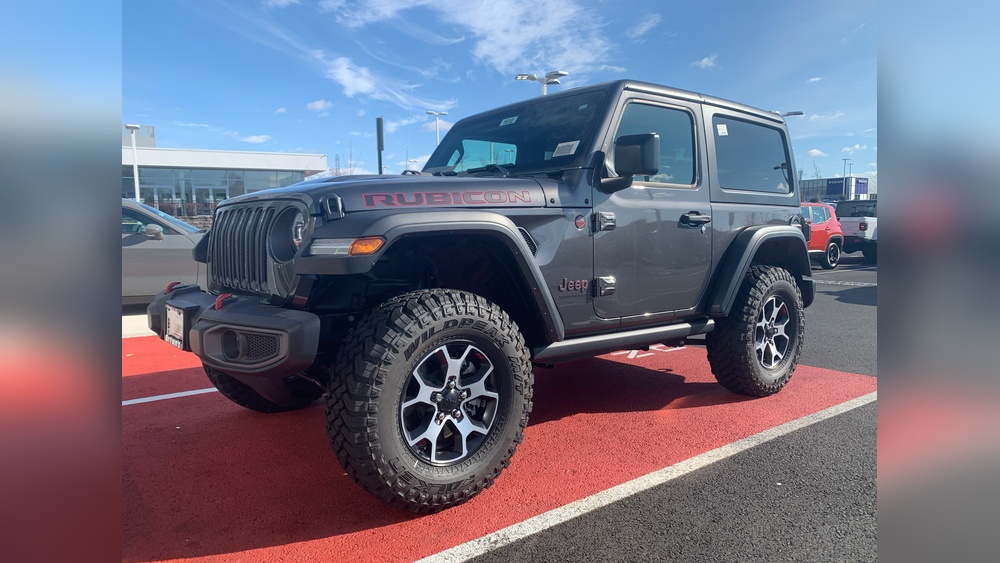
This means:
- LT = Light Truck tire
- 285 = Tire width in millimeters
- 70 = Sidewall height as a percentage of width
- R17 = Fits a 17-inch wheel
For the Gladiator Rubicon, you’ll find the same size: LT285/70R17. However, some special editions or older models may have slight differences.
Here’s a quick summary:
| Model Year | Rubicon Type | Stock Tire Size | Tire Brand |
|---|---|---|---|
| 2020–2024 | Wrangler Rubicon | LT285/70R17 | BFGoodrich KO2 |
| 2020–2024 | Gladiator Rubicon | LT285/70R17 | BFGoodrich KO2 |
| 2018–2019 | Wrangler Rubicon | LT285/70R17 | Goodyear Wrangler |
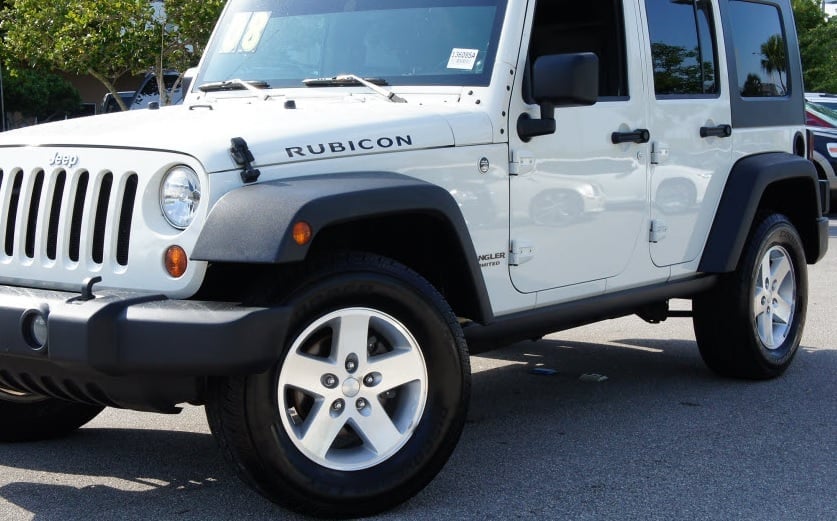
| 2012–2017 | Wrangler Rubicon | 255/75R17 | Goodyear Wrangler |
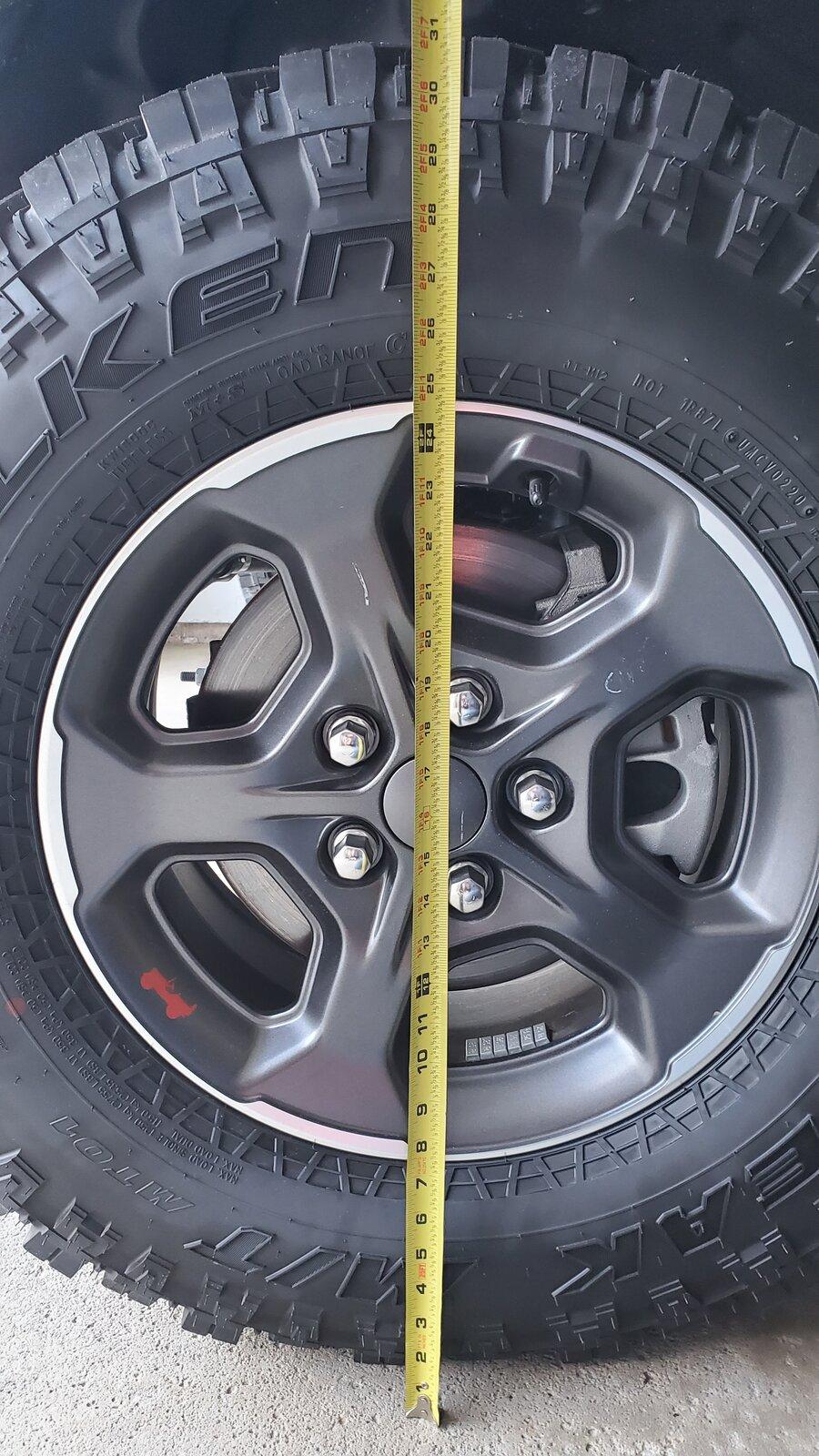
The LT285/70R17 tire is about 33 inches in diameter and 11.2 inches wide. Earlier Rubicons had 255/75R17 tires, which are about 32 inches tall and 10 inches wide.
Why Tire Size Matters For Jeep Rubicon
The Rubicon is built for off-road, so tire size is not just about looks. Larger tires mean:
- Better ground clearance: Helps avoid rocks and obstacles.
- Improved traction: Wider tires grip dirt and mud better.
- More stable ride: Especially important on rough trails.
But bigger tires can also lead to:
- Reduced fuel economy: Larger, heavier tires make the engine work harder.
- Speedometer error: Changing tire size can make your speedometer less accurate.
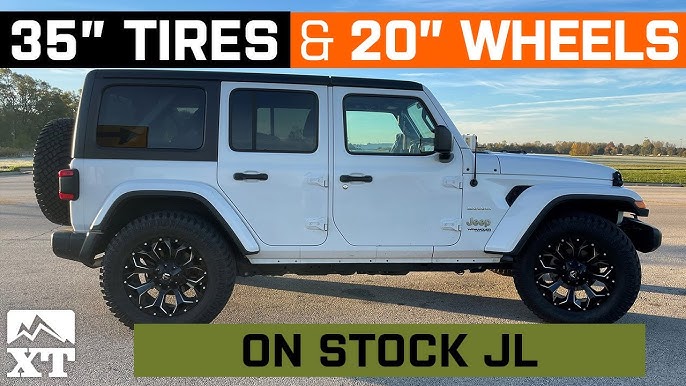
For most drivers, the stock 33-inch tires are a good balance. They work well off-road and on highways. Some owners upgrade to 35-inch or 37-inch tires for even more ground clearance, but that often requires a lift kit and other modifications.
Comparing Rubicon Tire Sizes To Other Jeep Models
It’s useful to see how the Rubicon stacks up against other Wrangler trims. Here’s a comparison:
| Model | Trim | Stock Tire Size | Diameter (inches) |
|---|---|---|---|
| Wrangler JL | Sport | 245/75R17 | 31.5 |
| Wrangler JL | Sahara | 255/70R18 | 32 |
| Wrangler JL | Rubicon | 285/70R17 | 33 |
The Rubicon’s tires are bigger and wider than most other Wrangler trims. This is one reason it performs so well on rough terrain.
What To Consider Before Changing Tire Size
If you want to upgrade your Rubicon’s tires, there are a few things to keep in mind:
- Lift kits: Larger tires often need a suspension lift. For example, 35-inch tires usually require a 2-inch lift.
- Wheel offset and backspacing: The wheel’s design affects how big a tire you can fit. Too much offset can cause rubbing.
- Gear ratios: Bigger tires can reduce torque and power. Some owners re-gear their axles after installing 35-inch or 37-inch tires.
- Legal limits: Some states have rules about tire size and vehicle height.
- TPMS sensors: Tire Pressure Monitoring Sensors must fit your new wheels.
One insight many beginners miss: not all tire brands measure their sizes exactly the same. For example, two “33-inch” tires from different brands may have slightly different real diameters. Always check the specs before buying.
Another tip: upgrading tires can affect warranty. If you install tires much larger than stock, Jeep may not cover certain repairs.
Real-world Examples Of Rubicon Tire Upgrades
Many Rubicon owners choose to upgrade. Here are two common scenarios:
- 35-inch tires: These are popular for serious off-roaders. You’ll need a lift kit, and sometimes new fender flares.
- 37-inch tires: Only for extreme trails. Requires a big lift (3 inches or more), re-gearing, and other upgrades.
Upgrading tires can improve performance, but it costs more and may change how your Jeep drives on the road.
Benefits Of Sticking With Stock Tires
Stock tires are designed for a mix of off-road and daily driving. Benefits include:
- No modification needed
- Maintains factory warranty
- Balanced performance
If you use your Rubicon mostly for daily driving, the stock LT285/70R17 tires are a great choice.
Frequently Asked Questions
What Size Tires Come Standard On The Jeep Rubicon?
Most new Rubicons use LT285/70R17 tires, which are about 33 inches tall and 11.2 inches wide.
Can I Fit 35-inch Tires On A Stock Rubicon?
You can fit 35-inch tires with some minor modifications, such as a small lift or fender trimming. For full off-road use, a 2-inch lift is recommended.
Will Bigger Tires Affect My Jeep Rubicon’s Warranty?
Installing much larger tires may affect your factory warranty. Always check with your dealer before making upgrades.
How Do I Know If A Tire Will Fit My Rubicon?
Check the tire diameter, width, and wheel offset. Make sure there’s enough clearance for suspension movement and steering.
What Is The Difference Between Lt285/70r17 And 255/75r17?
LT285/70R17 tires are wider (11.2 inches) and taller (33 inches) than 255/75R17 tires, which are 10 inches wide and 32 inches tall. The LT285/70R17 offers better off-road performance.
If you want more technical details, the official Jeep website and Tire Rack give exact measurements and fitment guides.
Choosing the right tire size for your Jeep Rubicon is about balancing off-road performance, daily comfort, and legal safety. The stock tires are already tuned for adventure.
For most drivers, they’re the best place to start. If you want more capability, understand the changes involved so you can enjoy your Jeep to the fullest.