A Jeep is famous for its rugged looks and powerful off-road ability, but it’s not known for being aerodynamic. If you wonder what is more aerodynamic than a Jeep, the answer is: almost every modern car, especially sedans, sports cars, and even some SUVs.
Understanding aerodynamics can help you see why this matters for driving efficiency, speed, and fuel consumption. In this article, you’ll discover how Jeeps compare to other vehicles, what makes a car aerodynamic, and why it’s important for everyday drivers.
What Does “aerodynamic” Mean?
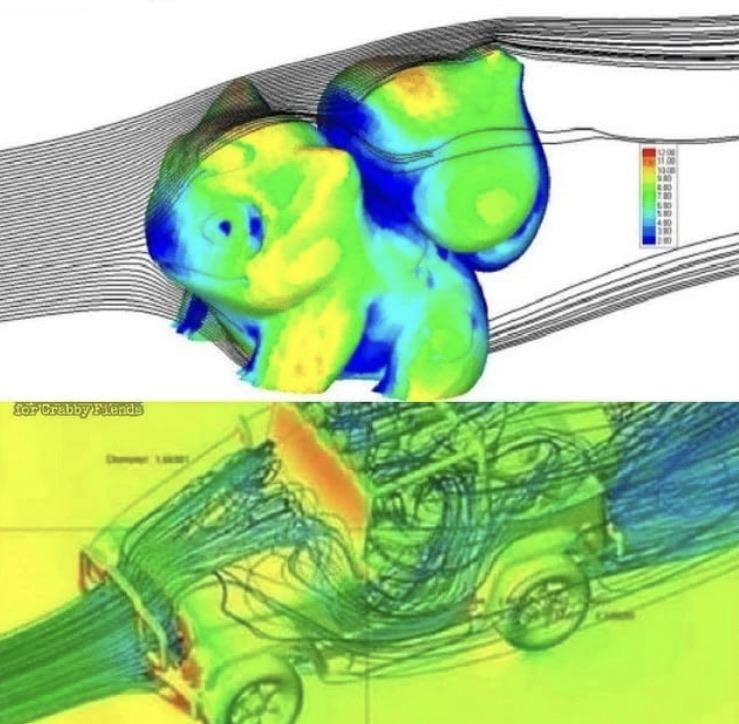
Aerodynamics is the science of how air moves around objects. For cars, it means how easily the vehicle slices through the air. The smoother and more streamlined the shape, the less resistance the car faces. This resistance is called drag. High drag means the engine must work harder, using more fuel.
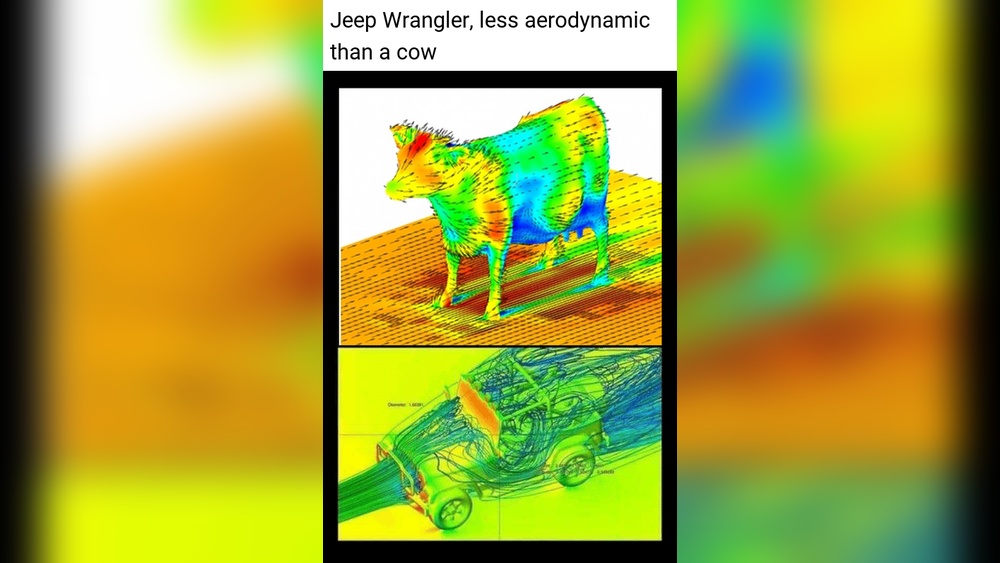
Most vehicles are designed with aerodynamics in mind. The goal is to reduce drag and improve efficiency. Jeep models like the Wrangler have a boxy shape, flat windshield, and upright grille. These features are great for off-road use but create more drag compared to sleek cars.
How Does A Jeep Compare To Other Vehicles?
To understand where Jeeps stand, let’s look at a key number: the drag coefficient (Cd). This is a scientific measure of how aerodynamic a shape is. Lower Cd means better aerodynamics.
Here’s a simple comparison between the Jeep Wrangler and some other popular cars:
| Vehicle | Drag Coefficient (Cd) |
|---|---|
| Jeep Wrangler | 0.59 |
| Toyota Camry | 0.28 |
| Tesla Model S | 0.24 |
| Honda Civic | 0.27 |
| Ford Mustang | 0.29 |
As you can see, the Jeep Wrangler’s Cd is much higher than the others. Even SUVs like the Toyota RAV4 have a Cd around 0. 34, which is still far more aerodynamic than a Jeep.
What Makes A Car More Aerodynamic Than A Jeep?
A car’s shape, height, and design features all affect aerodynamics. Here are some reasons why other vehicles outperform Jeeps:
- Lower profile: Sedans and sports cars sit closer to the ground.
- Curved shapes: Smooth, rounded bodies help air flow easily.
- Sloped windshields: These reduce air resistance.
- Covered wheels: Some cars have wheel covers to lessen drag.
- Smaller front area: Less surface facing the wind means less drag.
Let’s look at a comparison between the Jeep Wrangler and the Tesla Model S for some key features:
| Feature | Jeep Wrangler | Tesla Model S |
|---|---|---|
| Body Shape | Boxy | Sleek, rounded |
| Windshield Angle | Nearly vertical | Steeply sloped |
| Ground Clearance | High | Low |
| Wheel Design | Exposed | Covered |
These differences show why sports cars and sedans move through air more easily.
Why Does Aerodynamics Matter?
Aerodynamics affects several things:
- Fuel efficiency: Less drag means better gas mileage.
- Speed: More aerodynamic cars can go faster with the same power.
- Noise: Streamlined cars make less wind noise.
- Stability: Lower drag improves handling at high speeds.
Most drivers don’t think about aerodynamics, but it makes a big difference. For example, the Jeep Wrangler gets about 20 mpg on the highway, while the Toyota Camry gets over 30 mpg. That’s partly because of the Camry’s aerodynamic shape.
Vehicles That Are More Aerodynamic Than A Jeep
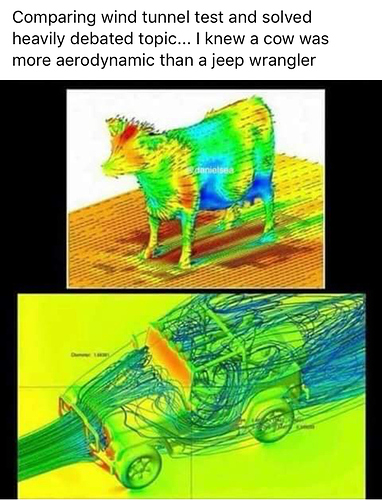
Many vehicles beat Jeeps for aerodynamics. Here are some common examples:
- Sedans: Toyota Camry, Honda Accord, Hyundai Sonata
- Sports cars: Chevrolet Corvette, Porsche 911, Tesla Model S
- Hatchbacks: Volkswagen Golf, Honda Fit
- Electric cars: Nissan Leaf, Tesla Model 3
- Modern SUVs: Toyota RAV4, Ford Escape, Mazda CX-5
Even pickup trucks like the Ford F-150 have improved aerodynamics with sloped windshields and rounded bodies.
Non-obvious insight: Even some vans and minivans, like the Honda Odyssey, have lower drag than a Jeep. Designers work hard to reduce resistance, even in family vehicles.
Another insight: Aftermarket accessories like roof racks, big tires, and lifted suspensions make a Jeep even less aerodynamic. Many owners don’t realize these changes increase drag and reduce fuel economy.
How Can You Improve A Jeep’s Aerodynamics?
While you can’t turn a Jeep into a sports car, small changes help:
- Remove roof racks when not needed.
- Use smaller tires and wheels.
- Avoid lifting the suspension unless required for off-roading.
- Keep windows closed at high speeds.
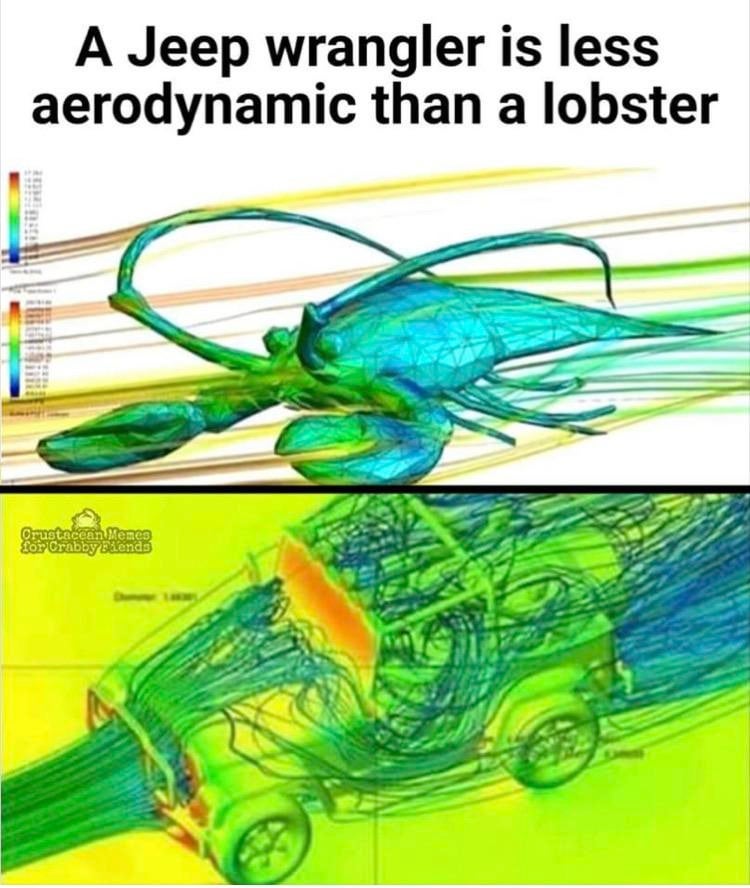
Some Jeep owners add air deflectors or install streamlined bumpers, but these changes make a small difference. The boxy design is built for adventure, not efficiency.
When Is Aerodynamics Less Important?
Aerodynamics matters most at higher speeds. If you drive off-road or in city traffic, drag is less of an issue. Jeeps are perfect for rough roads, mud, and hills, where their tough build matters more than their shape.
If you drive mostly on highways, choosing a more aerodynamic car can save money and make trips quieter and smoother.
Frequently Asked Questions