Owning a Jeep Grand Cherokee means enjoying a smooth ride, both on highways and rough trails. But even the toughest vehicles need good care, especially when it comes to their shocks.
Knowing when to replace the shocks is not just about comfort—it's about safety, stability, and protecting your investment. Many drivers overlook shock absorbers until their Jeep starts acting strangely, but waiting too long can lead to bigger problems.
Let's explore how to spot the signs, understand the timeline, and make confident choices about replacing shocks on your Jeep Grand Cherokee.
What Do Shocks Do For Your Jeep Grand Cherokee?
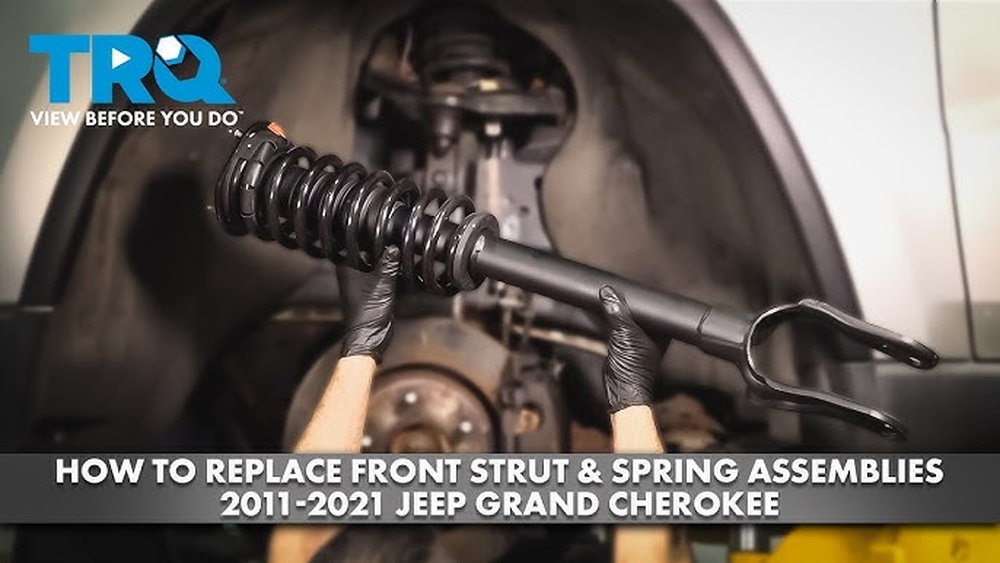
Shocks, or shock absorbers, are key for handling and comfort. They control how your Jeep moves after hitting bumps or potholes. Without good shocks, your vehicle can bounce, sway, or even lose grip on the road. In a Grand Cherokee, shocks also help with towing and off-road stability. So, if shocks are worn out, you may notice:
- Rougher rides over small bumps
- More body roll during turns
- Longer stopping distances
- Uneven tire wear
These effects can become dangerous, especially if you drive in tough conditions.
How Long Do Shocks Last?
Many Jeep Grand Cherokee owners ask, “How often should I change shocks?” The answer depends on several factors:
| Driving Condition | Average Shock Life |
|---|---|
| Highway driving | 80,000 miles |
| Rough roads/off-road | 40,000 miles |
| Heavy towing | 35,000 miles |
Most shocks last 50,000–80,000 miles under normal use. If you drive off-road or tow often, shocks may need replacing sooner. It’s smart to check shocks every 20,000 miles, even if you don’t notice problems.
Signs Your Shocks Need Replacing
Sometimes, shocks wear out slowly and you might not notice right away. Here are clear signs it’s time to replace them:
- Excessive bouncing: If your Jeep bounces after hitting a bump, shocks may be failing.
- Nose diving: The front dips sharply when braking hard.
- Swerving or instability: The vehicle feels loose or unstable in turns.
- Leaking fluid: Oil or fluid on the shock body means it’s damaged.
- Uneven tire wear: Shocks help tires stay firmly on the road. Worn shocks cause patchy wear.
- Strange noises: Clunking or rattling sounds from the suspension area.
- Poor handling: Steering feels harder, especially at higher speeds.
These problems can get worse over time. Ignoring them may lead to unsafe driving or expensive repairs.
How To Check Shocks Yourself
If you suspect your shocks are worn, you can do a quick check at home:
- Bounce test: Push down hard on a corner of your Jeep. If it bounces more than once, the shock is likely bad.
- Visual inspection: Look for leaks, dents, or corrosion on the shock bodies.
- Check tires: Uneven tread could signal suspension trouble.
Still, these tests can miss hidden issues. A mechanic can give a full check with proper tools.
Jeep Grand Cherokee Shock Replacement Costs
Replacing shocks is a smart investment in your Jeep’s future. Here’s what you can expect:
| Shock Type | Average Cost (each) | Labor Cost (per shock) |
|---|---|---|
| Standard OEM | $50–$120 | $60–$100 |
| Performance/Off-road | $120–$250 | $80–$120 |
| Premium (air suspension) | $250–$500 | $100–$150 |
A full set (four shocks) can cost between $400 and $1,800 including labor. Prices vary with shock type and location. Premium air suspension shocks are much more expensive.
Choosing The Right Shocks For Your Jeep
Picking the best shocks depends on your needs:
- OEM shocks: Good for daily driving, keep original comfort.
- Performance shocks: Better for off-road or towing, more stable.
- Air suspension: Offers adjustable ride but costs more.
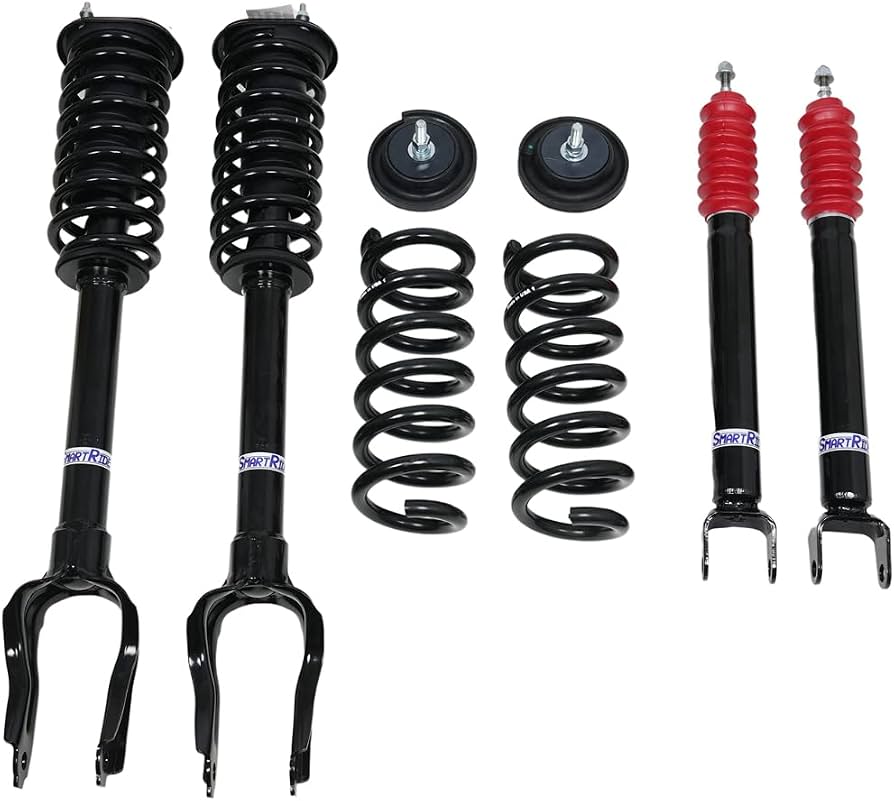
If you use your Grand Cherokee for rough terrain or heavy loads, performance shocks may be worth the extra cost. For city driving, OEM shocks are fine. Don’t mix different shock types install the same type on all wheels for balanced handling.
Mistakes To Avoid When Replacing Shocks
Many drivers make errors when changing shocks. Here are some to avoid:
- Replacing only two shocks: Always replace shocks in pairs (front or rear), or all four if they’re old.
- Ignoring other suspension parts: Check struts, bushings, and mounts while replacing shocks.
- Buying cheap brands: Low-quality shocks may wear out fast or cause handling issues.
- Skipping alignment: After replacing shocks, get a wheel alignment. It prevents uneven tire wear.
A surprising insight: Many shops recommend shock replacement based only on mileage. But actual wear depends more on driving style and road conditions. Trust symptoms and inspections more than just numbers.
Real-life Example
Imagine a 2015 Jeep Grand Cherokee with 90,000 miles. The owner notices more bouncing and longer stopping.
After checking, they find leaking rear shocks. Replacing all four shocks, plus a wheel alignment, restores smooth driving and safety.
The owner avoids tire damage and keeps the Jeep ready for adventure.
Frequently Asked Questions
How Do I Know If My Jeep Grand Cherokee Shocks Are Bad?
Look for excessive bouncing, nose diving, swerving in turns, leaking fluid, and uneven tire wear. If you notice these, shocks may need replacement.
Should I Replace Shocks In Pairs Or All Four?
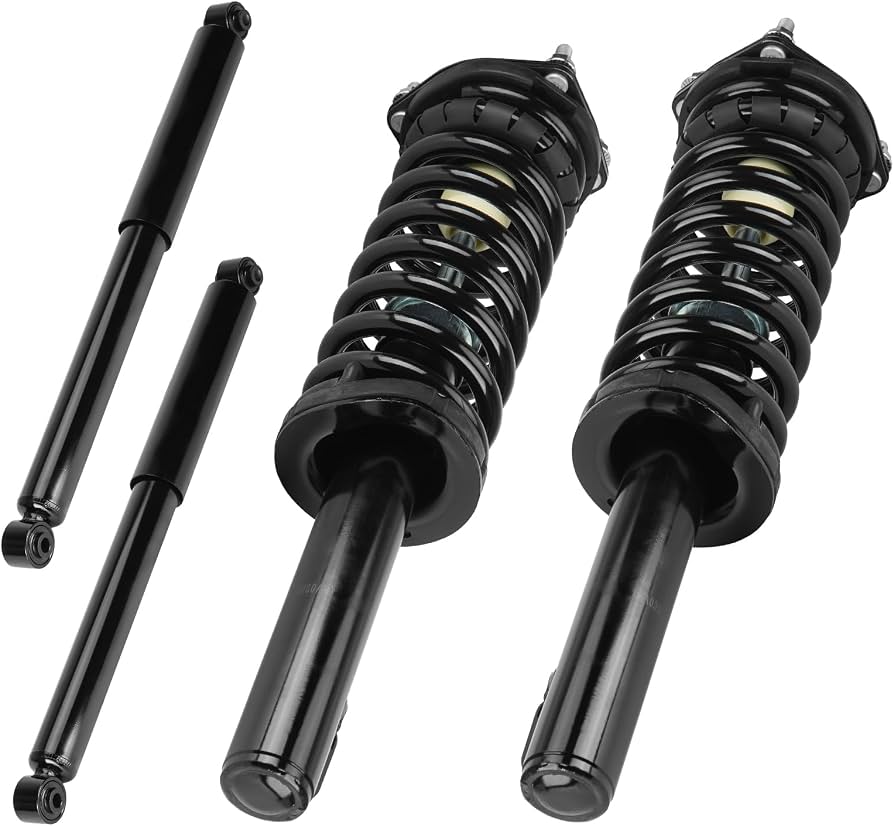
Always replace shocks in pairs (front or rear) at a minimum. Replacing all four is best for balance and safety.
Can Worn Shocks Damage Other Parts Of My Jeep?
Yes. Bad shocks can lead to uneven tire wear, damage to suspension parts, and poor braking performance.
What Type Of Shocks Are Best For Off-road Driving?
Performance shocks or specialized off-road shocks give better stability and durability for rough terrain.
Is Shock Replacement A Diy Job Or Should I Use A Mechanic?
Some owners do it themselves, but it’s safer to use a professional mechanic. They check related parts and ensure proper installation.
Taking care of your Jeep Grand Cherokee’s shocks is vital for safe, comfortable driving. If you notice any symptoms, don’t wait—inspect and replace as needed. For more details about vehicle suspension systems, visit Wikipedia. With good shocks, your Jeep stays ready for every road and adventure.